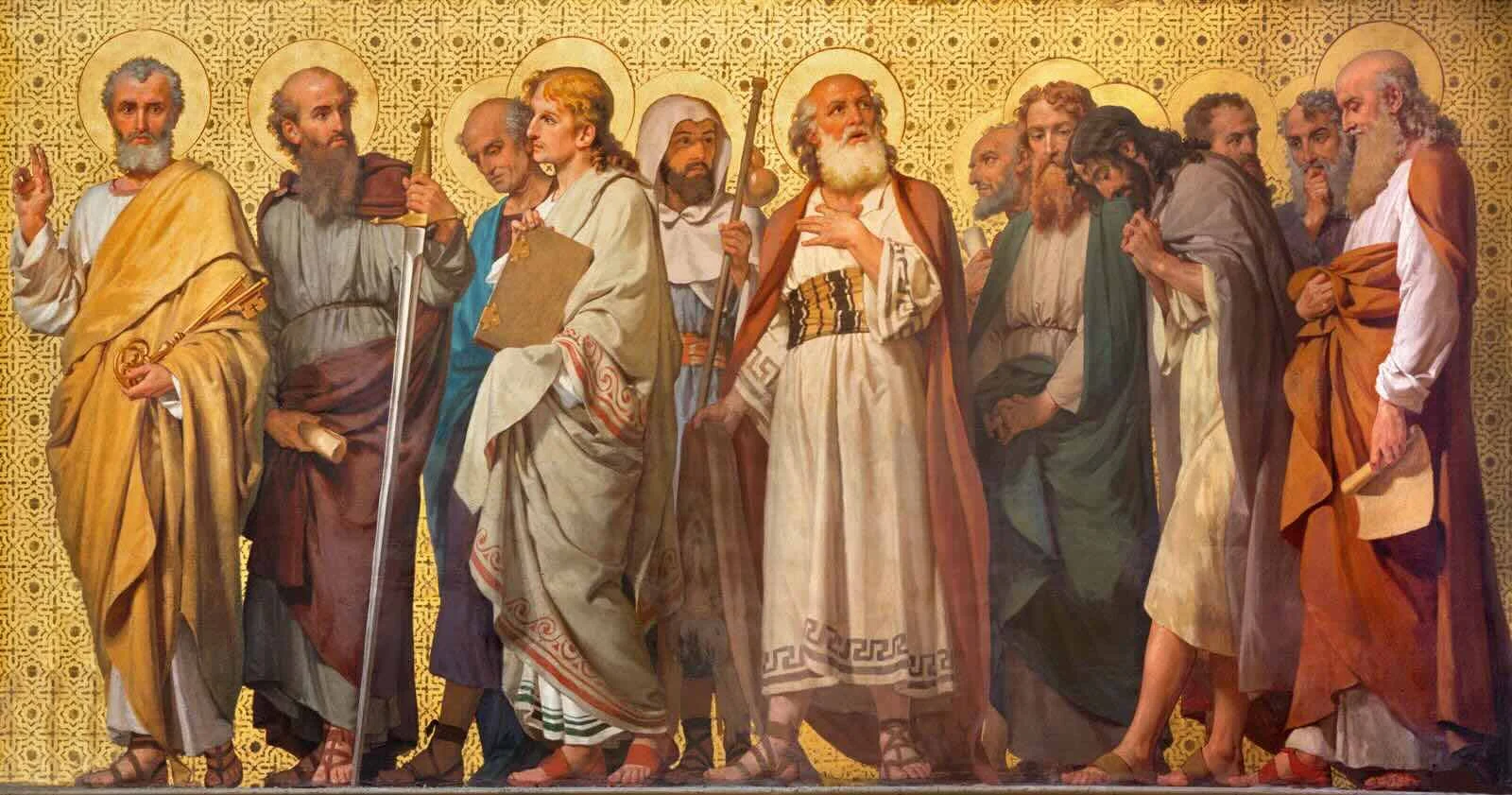
Translated from Philip Schaff's History of The Christian Church
第八章 基督徒生活与异教腐败的对照
目录
§ 88. 参考文献
§ 89. 罗马帝国的道德腐败
§ 90. 斯多葛派的道德
§ 91. 爱比克泰德
§ 92. 马可·奥勒留 (Marcus Aurelius)
§ 93. 普鲁塔克
§ 94. 基督教的道德
§ 95. 教会与公共娱乐
§ 96. 世俗职业与公民义务
§ 97. 教会与奴隶制
§ 98. 异教徒的家庭
§ 99. 基督徒家庭
§ 100. 弟兄之爱与爱仇敌
§ 101. 祈祷与禁食
§ 102. 对死者的处置
§ 103. 道德改革概述
§ 88. 参考文献
I. 史料:使徒教父的著作。游斯丁 (Justin) 的护教文。德尔图良 (Tertullian) 论实践生活的著作。居普良 (Cyprian) 的书信。历次会议的教规。《使徒宪章与教规》。殉道者行传。——关于罗马帝国的状况:塔西佗 (Tacitus)、苏维托尼乌斯 (Suetonius) 和狄翁·卡西乌斯 (Dion Cassius) 的历史著作,以及塞涅卡 (Seneca)、贺拉斯 (Horace)、尤维纳利斯 (Juvenal)、佩尔西乌斯 (Persius)、马提亚尔 (Martial) 的著作。
- 研究文献:W. 凯夫 (W. Cave):《原始基督教,或福音最初几个时代古代基督徒的宗教》(Primitive Christianity, or the Religion of the Ancient Christians in the first ages of the Gospel.)。伦敦,第五版,1689年。
G. 阿诺德 (G. Arnold):《起初的爱,即按最初基督徒活泼的信仰与圣洁生活所作的真实描绘》(Erste Liebe, d. i. Wahre Abbildung der ersten Christen nach ihrem lebendigen Glauben und heil. Leben.)。法兰克福 (Frankf.),1696年,此后屡次再版。
尼安德 (Neander):《基督徒生活史纪事》(Denkwürdigkeiten aus der Geschichte des christlichen Lebens)(初版1823年),第I卷,第三版,汉堡 (Hamb.),1845年。赖兰德 (Ryland) 的英译本题为《尼安德基督徒生活纪事》(Neander’s Memorials of Christian Life),收入博恩文库 (Bohn’s Library),1853年。
L. 科尔曼 (L. Coleman):《从早期基督徒的个人、家庭、社会与公民生活所见的古代基督教》等 (Ancient Christianity exemplified in the private, domestic, social, and civil Life of the Primitive Christians, etc.)。费城 (Phil.),1853年。
C. 施密特 (C. Schmidt):《罗马世界的社会及基督教所带来的变革史论》(Essai historique sur la société dans le monde Romain, et sur la transformation par le Christianisme.)。巴黎 (Par.),1853年。A. V. 理查德 (A. V. Richard) 译成德文,莱比锡 (Leipz.),1857年。
E. L. 沙斯泰尔 (E. L. Chastel):《基督教最初几个世纪慈善影响的历史研究》(Études historiques sur l’influence de la charité durant les Premiers siècles chrét.)。巴黎 (Par.),1853年。获法兰西学院奖。G. A. 马蒂尔 (G. A. Matile) 的英译本题为《早期教会的慈善》(The Charity of the Primitive Churches),费城 (Phila.),1857年。
A. Fr. 维尔曼 (A. Fr. Villemain):《基督教对希腊与拉丁世界之影响新论》(Nouveaux essais sur l’infl. du Christianisme dans le monde Grec et Latin.)。巴黎 (Par.),1853年。
Benj. 康斯坦·马尔塔 (Benj. Constant Martha)(1872年当选道德与政治科学院〔Académie des sciences morales et politiques〕院士):《罗马帝国时代的道德论者》(Les Moralistes sous l’Empire romain.)。巴黎,1854年;第二版,1866年(获法兰西学院奖)。
Fr. J. M. Th. 尚帕尼 (Fr. J. M. Th. Champagny):《慈善的最初几个世纪》(Les premiers siècles de la charité.)。巴黎,1854年。另参其《安敦尼诸帝》(Les Antonins),巴黎,1863年;第三版,1874年,3卷。
J. 德尼 (J. Denis):《古代道德理论与观念史》(Histoire des theories et des idées morales dans l’antiquité.)。巴黎,1856年,2卷。
P. 雅内 (P. Janet):《道德与政治哲学史》(Histoire de la philosophie morale et politique.)。巴黎,1858年,2卷。
G. 拉青格 (G. Ratzinger):《教会济贫史》(Gesch. der kirchlichen Armenpflege.)。弗赖堡 (Freib.),1859年。
W. E. H. 莱基 (W. E. H. Lecky):《从奥古斯都到查理大帝的欧洲道德史》(History of European Morals from Augustus to Charlemagne.)。伦敦 (Lond.) 与纽约 (N. Y.),1869年,2卷;第5版,伦敦,1882年。德译者为 H. 雅洛维茨博士 (Dr. H. Jalowicz)。
马里-路易-加斯东·布瓦西耶 (Marie-Louis-Gaston Boissier):《从奥古斯都到安敦尼诸帝的罗马宗教》(La Religion romaine d’Auguste aux Antonins.)。巴黎,1874年,2卷。
贝斯特曼 (Bestmann):《基督教道德风尚史》(Geschichte der Christlichen Sitte.)。讷德林根 (Nördl.),第I卷,1880年。
W. 加斯 (W. Gass):《基督教伦理学史》(Geschichte der christlichen Ethik.)。柏林,1881年(第I卷,第49–107页)。
G. 乌尔霍恩 (G. Uhlhorn):《古代教会的基督教慈善事业》(Die christliche Liebesthätigkeit in der alten Kirche.)。斯图加特 (Stuttg.),1881年。英译本题为《古代教会的基督教慈善》(Christian Charity in the Ancient Church),爱丁堡 (Edinb.) 与纽约 (N. York),1883年(424页)。
查尔斯·L. 布雷斯 (Charles L. Brace):《基督的作为,或基督教之下的人道进步史》(Gesta Christi: or a History of humane Progress under Christianity.)。纽约 (N. York),1883年(500页)。
§ 89. 罗马帝国的道德腐败
除§ 88所引文献外,参吉本 (Gibbon)、梅里韦尔 (Merivale) 和兰克 (Ranke) 关于罗马帝国的历史著作;又参 J. J. A. 安培 (J. J. A. Ampère) 的《在罗马看罗马史》(Histoire Romaine à Rome)(1856–64年,4卷)。
弗里德兰德 (Friedlaender) 的《罗马风俗史》(Sittengeschichte Roms)(从奥古斯都至安敦尼诸帝。莱比锡,3卷,第5版,1881年);以及马夸特 (Marquardt) 与蒙森 (Mommsen) 的《罗马古制手册》(Handbuch der römischen Alterthümer)(莱比锡〔Leipz.〕,1871年;第二版,1876年,7卷,分为《国家法》《国家行政》《私人生活》〔Staatsrecht, Staatsverwaltung, Privatleben〕)。
基督教不只是真理的启示,也是圣洁的源泉;其创始者毫无玷污的榜样不断激励着它,而这榜样比一切道德哲学体系更有力量。它以道德上的功效证明其神圣的起源,正如它以纯正的教义证明这一点一样。它凭自身内在的力量,不声不响,不起骚动,也不借助环境的有利条件——不,甚至冲破一切可能的障碍,逐渐成就了历史上前所未见、最伟大的社会道德改革,毋宁说是社会的重生。至于它对无数个人的私生活所产生的洁净、提升与慰藉的果效,则非历史家所能探知,然而这些都记在上帝的生命册上,到审判之日就要展开。
要领会这项工作,我们必须先考察异教在历史上最强大的体现中所呈现的道德状况。
当基督教在地上站稳脚跟时,异教文明和罗马帝国都已达到鼎盛。奥古斯都 (Augustus) 的统治是罗马文学的黄金时代;他的继承者在共和国征服的疆土之外,又增添了不列颠 (Britain) 和达契亚 (Dacia);图拉真 (Trajan) 与安敦尼诸帝 (the Antonines) 则使内部组织臻于完善。欧洲最美好的国土,以及亚洲、非洲的相当一部分地区,都处于一个具有共和形式的帝国政府之下,享有井然有序的司法治理。海盗已遭肃清;生命财产得到保障。军用道路、运河和地中海便利了商业与旅行;农业有所改进,各行各业繁荣兴旺。神庙、剧院、引水道、公共浴场以及各类宏伟建筑装点着大城市;学府传播文化;两种拥有古典文学的语言通行于帝国境内,东部用希腊语,西部用拉丁语;书籍贸易和造纸业是一项颇为重要的行业,每个体面人家都藏有书籍。书店和公共图书馆位于罗马最繁华的街道,文人经常光顾。数以百计的奴隶受雇作抄写员,听一位作者或诵读者口授而同时抄写,复制书籍的速度几乎与现代印刷机一样快。1庞贝 (Pompeii) 和赫库兰尼姆 (Herculaneum) 的发掘表明,即使在外省城镇,家庭生活也已相当便利而富有品位;罗马那些雄伟而仿佛能言说的遗迹——凯撒诸帝的宫殿、哈德良陵墓、卡拉卡拉浴场、引水道、凯旋门和纪功柱,尤其是韦斯帕芗 (Vespasian) 所建、高达一百五十英尺、可容纳八万多观众的圆形竞技场 (Colosseum)——无不使观者惊叹。从涅尔瓦 (Nerva) 即位至马可·奥勒留 (Marcus Aurelius) 去世的八十四年,曾被一位极有权威的论者誉为“世界历史上最幸福、最繁荣的时期”。2
但这只是表面的景象。内里与外表并不相称。即使在安敦尼诸帝统治之下,大多数人仍在奴役或贫困的重轭下呻吟;角斗表演使民众变得残忍;帝国边境战火猛烈;而臣民中最有德行、最爱和平的人——基督徒——却毫无权利,随时可能仅因承认自己的信仰而被抛在野兽面前。希腊罗马势力全盛之时,也正是其衰落的开端。这堂皇的外观掩盖着无可救药的道德腐败和难以形容的悲惨。那些巍峨的建筑群,是无数奴隶用血汗建成的;他们所受的待遇并不比役畜更好;仅弗拉维圆形竞技场 (Flavian amphitheatre) 一处,就有一万二千名犹太战俘在那里苦干;建造它,是为了满足民众对杀戮野兽和按上帝形象所造之人的残酷嗜好。从被征服民族那里涌入的财富,使极端奢侈之风蔓延;仅为一席宴饮,就要搜罗萨摩斯 (Samos) 的孔雀、佩西努斯 (Pessinus) 的狗鱼、塔伦图姆 (Tarentum) 的牡蛎、埃及的椰枣、西班牙的坚果,总之,搜罗世界各地最珍奇的菜肴,还要服催吐剂来刺激食欲、减轻胃的负担。塞涅卡说:“他们吃了又吐,吐了又吃。”生活在提比略 (Tiberius) 时代的阿皮基乌斯 (Apicius),把珍珠溶在所饮的酒中,为口腹之乐挥霍了巨额家产,最后自杀身亡。3维特里乌斯 (Vitellius) 和赫利奥加巴卢斯 (Heliogabalus,或 Elaogabal) 这两位皇帝也仿效他的行径。有一类专门的仆人,称为 cosmetes,负责为富有的贵族料理衣着、抚平皱纹、安置假牙、描画眉毛。与这种奢侈并行而来的,是顺乎自然乃至逆乎自然的淫欲罪行,其内容有伤风化,不便言说。绝望的贫困与巨额财富构成刺目的对照;困敝的行省与纵情宴乐的城市也形成鲜明反差。沉重的赋税压在人民身上,战争、瘟疫和饥荒又极大地加深了苦难。上层或统治家族日渐衰弱,却未能从下层获得力量或补充。自由公民丧失了体力和道德活力,沦为一群惰性的民众。第三阶层是庞大的奴隶群体,他们从事各种体力劳动,甚至耕种土地,并且在危急时刻随时准备投向帝国的敌人。一个由勤劳公民组成、名副其实的中产阶级,是健全社会唯一稳固的基础;它不可能与奴隶制并存,因为奴隶制贬低了自由劳动。军队主要由最粗野的公民和蛮族组成,是国家力量的支柱,并逐渐使政府带上军事专制的性质。爱国的美德和公共交往中的诚信已经泯灭。最卑劣的贪婪、猜疑与嫉妒,高利盘剥与贿赂,傲慢与奴颜婢膝,处处盛行。
败坏民众道德的事,从最高层以下,有组织、有系统地进行,并得到认可。诚然,也有一些具有古罗马人活力与公正精神的贤明皇帝,其中首推图拉真、安敦尼·庇护 (Antoninus Pius) 和马可·奥勒留;他们的英名理当受到充分的尊崇。但他们所能做到的,至多不过是遏制内部腐烂的进程,暂时掩盖疮疡,却不能将它们治好。大多数皇帝都是粗暴的军事暴君,其中一些更是穷凶极恶的怪物。在世界历史上,几乎没有哪个时代像从提比略到图密善 (Domitian)、从康茂德 (Commodus) 到伽勒里乌斯 (Galerius) 的时期那样,让如此众多、如此丑恶的罪行玷污王位。吉本说:“诸帝的编年史展现出一幅鲜明而多样的人性图画;在近代史中那些善恶混杂、难以判定的人物身上,我们寻找这样的图画终归徒劳。在这些君主的行为中,我们可以看到恶与善的极致;看到我们人类最崇高的完美与最卑鄙的堕落。”4法勒法政牧师 (Canon Farrar) 说:“恐怕从来没有任何时代、任何地方,像凯撒诸帝统治下的罗马城那样,以如此厚颜无耻的态度,公然实行最恶劣的罪行。”5即使臭名昭著的教廷娼妇统治时期 (papal pornocracy),以及亚历山大·博尔贾 (Alexander Borgia) 的统治时期,恐怕也不能算作例外;这些时期为时短暂,而且激起了全教会的厌恶与愤慨。
罗马的异教历史家已经给凯撒诸帝的恶行与罪孽打上烙印,使之遗臭万年:提比略 (Tiberius) 的厌世、残忍与纵欲;盖乌斯·卡利古拉 (Caius Caligula) 的凶暴疯狂——他为了取乐,叫人受酷刑、被斩首或被锯成数段,曾认真谋划屠尽整个元老院,把自己的马擢升为执政官和祭司,却在暴风雨中爬到床底下;尼禄 (Nero) 那深不见底的卑劣——这位“罪恶的发明者”毒死或杀害了自己的师傅布鲁斯 (Burrhus) 和塞涅卡 (Seneca)、既是他异父兄弟又是他妻弟的不列塔尼库斯 (Britannicus)、母亲阿格里皮娜 (Agrippina)、妻子屋大维娅 (Octavia) 和情妇波佩娅 (Poppaea),纯为恣意取乐而纵火焚烧罗马,随后又为此把无辜的基督徒当作火炬,烧死在自己的花园里,自己则在这地狱般的场景中扮作御车者;维特里乌斯 (Vitellins) 那猪一般的暴食——仅仅吃喝就耗费了数百万钱财;图密善 (Domitian) 那精巧的邪恶——他与其说像老虎,不如说像猫,最喜欢以垂死者的痛苦和捕捉苍蝇为乐;康茂德 (Commodus) 与数百名姬妾无耻狂欢,又凶残地热衷于在竞技场上屠杀人与兽;赫利奥加巴卢斯 (Heliogabalus) 那疯狂的恶行——他把最卑贱的人擢升至最高的尊位,自己穿上女装,与一个同他一样放荡的少年结婚,总之,颠倒了一切自然与礼法的准则,直到最后与母亲一同被士兵杀死,抛进浑浊的台伯河 (Tiber)。更使这不敬与邪恶达到极点的是,这样一些帝国的怪物,死后竟由元老院正式颁令,列入众神之中,并以节庆、神庙和祭司团来纪念他们那邪恶的一生!用吉本 (Gibbon) 的话说,皇帝同时是“一位祭司、一个无神论者和一位神”。有些皇帝还为自己添上业余演员和登场角斗士的尊荣。图密善甚至在生前就命人称他为“Dominus et Deus noster,”(我们的主、我们的神),并把整群整群的牲畜献给自己的金银雕像。再也无法想象有什么能比这更公然、更具官方性质地嘲弄一切宗教了。
皇帝的妻子和情妇也好不了多少。她们沉溺于奢华与恶行,乘着由钉银蹄铁的骡子拉着的车,招摇过市;为一件衣裳挥霍巨资,以邪恶的阴谋为乐,协助丈夫犯下阴暗的罪行,最后又同遭悲惨的命运。克劳狄乌斯 (Claudius) 的妻子梅萨利娜 (Messalina),在与一个男宠举行婚礼的淫乱狂欢中,奉丈夫之命被杀;尼禄的母亲小阿格里皮娜毒死丈夫之后,又被亲生儿子杀害。这个儿子对自己的妻子也同样残忍,曾把其中一位正在怀孕的妻子踢死。这些女妖也同样被奉为神,抬到朱诺 (Juno) 或维纳斯 (Venus) 的地位。
腐败从上层蔓延到广大民众中间;这时他们除了“Panem et Circenses,”(面包与竞技表演)之外,已对任何事都毫无兴趣;享受这些东西之余,又以病态的好奇与兴味,观看统治者最肆无忌惮的恶行。
无怪乎塔西佗 (Tacitus) 以简洁雄健的文辞和古罗马人的严峻态度,揭露尼禄及其他皇帝的凶恶面目,使他们永世蒙羞,却几乎无处能发现一颗希望之星——或许野蛮的日耳曼人中间尚有例外——并预感诸神可怕的报复,甚至帝国即将迅速灭亡。的确,没有什么能挽救它脱离最后的毁灭;战争、叛乱、洪水、地震、瘟疫、饥荒、蛮族入侵,以及种种带有预兆意味的灾祸,都越来越清楚地宣告这毁灭正在临近。古罗马在缓慢却必然的瓦解与衰亡过程中,教给人们的是:
“……人间一切故事的悲哀教训;
无非是往昔的再度重演;
先有自由,继而荣耀——待荣耀衰尽,
财富、罪恶、腐败,终归野蛮。”
§ 90. 斯多葛派的道德
ED. 策勒 (ED. Zeller):《斯多葛派、伊壁鸠鲁派与怀疑派》(The Stoics, Epicureans, and Sceptics)。由 O. J. 赖歇尔 (O. J. Reichel) 从德文译出。伦敦 (London,Longman, Green & Co.),1870年。第x–xii章论述斯多葛派的伦理与宗教。
F. W. 法勒 (F. W. Farrar,威斯敏斯特法政牧师):《寻求上帝的人》(Seekers a after God.)。伦敦 (London,Macmillan & Co.),初版未注明年份(1869年),新版1877年(论塞涅卡、爱比克泰德和马可·奥勒留,336页)。
另参弗勒里 (Fleury)、奥贝尔坦 (Aubertin)、鲍尔 (Baur)、莱特福特 (Lightfoot) 和罗伊斯 (Reuss) 关于《塞涅卡与保罗》(Seneca and Paul) 的论文(引于第I卷,第283页)。
现在让我们转向异教道德的光明面,看看爱比克泰德 (Epictetus)、马可·奥勒留 (Marcus Aurelius) 和普鲁塔克 (Plutarch) 的教导与榜样。这三位品格纯洁高尚的人,一位是奴隶,一位是皇帝,一位是文人;其中两位属于斯多葛派 (Stoics),一位属于柏拉图派 (Platonist)。在异教罗马的道德沙漠中,看见几片绿洲,实在令人精神一振。我们可以把他们的美德归于良心的引导(苏格拉底的善灵),或上帝之灵独立的运行,或基督教的间接影响——基督教那时已开始在有形教会的范围之外浸润道德氛围,并向立法注入一种前所未有的仁爱与公义精神——也可以归于这些原因的共同作用。可以确定的是,第二世纪确有一股不自觉地具有基督教性质的道德潮流,它与教会更强大的宗教潮流汇合,促成了教会最终的胜利。
一个值得注意的事实是:代表社会两极、分别处于最低和最高地位的两个人,竟成为古罗马最后、也是最伟大的自然美德教师。在腐败盛行的午夜黑暗中,他们如孤星般闪耀。奴隶爱比克泰德与头戴冠冕、统治帝国的马可·奥勒留,是异教道德家中最纯洁的人,也为“天性上属基督徒的灵魂”提供了最有力的见证。
两人都属于芝诺 (Zeno) 的学派。
斯多葛哲学诞生于希腊,却在罗马成长壮大。它仿佛是命定要适合那种严峻、庄重、务实、高傲、自制而英勇的性格,正是这种性格从台伯河畔统治了文明世界。6在共和国时期,乌提卡的加图 (Cato of Utica) 在实践上是一个真正的斯多葛派,虽在理论上并非如此;他按这一原则生活,也亲手结束了自己的生命。与圣保罗同时代的塞涅卡在理论上是斯多葛派,却因贪得无厌,在实践上背弃了自己那几乎具有基督教性质的智慧;他先于弗朗西斯·培根 (Francis Bacon),成了“人类中最智慧、最光辉、也最卑鄙的人”。7他的伦理学有一半只是辞藻。在爱比克泰德和马可·奥勒留身上,斯多葛派的理论与实践达成了美好的和谐,并摆脱了其中最令人反感的特点。他们是这一学派最后、也是最优秀的代表;这学派教人如何生、如何死,在整个罗马世界腐烂透顶之际,为个人的美德与自由提供了庇护所。
在古代一切哲学体系中,斯多葛主义 (Stoicism) 既最接近基督教,又离基督教最远:它的格言纯洁崇高,并且提倡朴素、平和、自制,以及顺服全智的上帝之护理等美德,在这些方面最接近基督教;但它的骄傲、自恃、傲慢的轻蔑与冷酷的漠然,却又使它离基督教最远。骄傲是斯多葛派美德的根基,谦卑则是基督徒圣洁的根基;前者由自我中心所激发,后者由爱上帝、爱人所激发;斯多葛派不觉得需要救主,房屋冒烟时便从容地选择自杀;基督徒的生命却始于知罪,终于胜过死亡。斯多葛派的顺服是无情的冷漠,是向命运铁一般的必然性屈服;基督徒的顺服,则是欣然顺从全智、全慈的天父之旨意。斯多葛派的智者犹如一尊冰冷、不动的雕像,基督徒的圣徒则如一个活的身体,随着同胞的每一分喜乐与忧伤而跳动,满怀由衷的同情。斯多葛主义充其量只是少数人的哲学,基督教却是所有人的宗教。
§ 91. 爱比克泰德
爱比克泰德 (Epicteti):《阿里安编录的谈话录四卷、同一作者的手册及散佚谈话残篇》(Dissertationum ab Arriano digestarum Libri IV. Euiusdem Enchiridion et ex deperditis Sermonibus Fragmenta ... recensuit ...),约翰·施魏格霍伊泽 (Joh. Schweighäuser) 校订。莱比锡 (Lips.),1799、1800年。5卷。希腊文原文,附拉丁文译本及注释。
《爱比克泰德著作集:含四卷谈话录、手册及残篇》(The Works of Epictetus. Consisting of his Discourses, in four books, the Enchiridion, and Fragments.)。托马斯·温特沃思·希金森 (Thomas Wentworth Higginson) 以伊丽莎白·卡特夫人 (Mrs. Elizabeth Carter) 的译本为基础,从希腊文译出。波士顿 (Boston,Little, Brown & Co.),1865年。卡特夫人译本的第四版于1807年出版,附导论及注释。
《爱比克泰德谈话录,附手册及残篇》(The Discourses of Epictetus, with the Enchiridion and Fragments.)。乔治·朗 (George Long) 翻译并加注释等。伦敦 (London,George Bell & Sons),1877年。
此外,还有其他英译本,以及德译本和法译本。
爱比克泰德生于第一世纪中叶以前,出生地是弗吕家 (Phrygia) 的希拉波立 (Hierapolis);此城距歌罗西 (Colossae) 和老底嘉 (Laodicea) 仅数英里,我们从使徒时期的历史中已熟知此地。他与以巴弗 (Epaphras) 是同乡,也是同时代的人;以巴弗是保罗的学生,也是该省基督教会的创立者。8他即使未曾见过保罗本人,也有极微小的可能与以巴弗有过短暂交往。他以奴隶身份随主人以巴弗罗提 (Epaphroditus) 来到罗马;这主人是一个放荡的获释奴隶,也是尼禄的宠臣(曾帮助尼禄自杀)。爱比克泰德后来获得自由。他超越了自己的处境。他在一篇残篇中说:“自由与奴役,不过是美德与恶行的名称,两者都取决于意志。意志自由的人,没有一个是奴隶。”他一足跛瘸,身体虚弱。如果俄利根 (Origen) 的记载可信,他的跛足乃是受虐待所致,而他却英勇地忍受了。当主人对他的腿施刑时,他平静地说:“你会把我的腿弄断的。”腿被弄断后,他又说:“我不是告诉过你吗?”这使人想起苏格拉底 (Socrates):据说他忍受了克珊提佩 (Xantippe) 的斥骂,随后又被泼水,却冷静地说:雷声之后便是雨。爱比克泰德听过穆索尼乌斯·鲁弗斯 (Musonius Rufus) 的讲授;后者是尼禄和韦斯帕芗 (Vespasian) 统治时期著名的斯多葛哲学教师。此后,爱比克泰德自己也开始授课。公元90年以前,他与其他所有哲学家一同被图密善逐出罗马。他在伊庇鲁斯 (Epirus) 南部的尼科波利斯 (Nicopolis) 定居,度过余生;那里距亚克兴 (Actium) 战役的战场不远。他在那里聚集了大批学生,有老有少,有贫有富,像第二位苏格拉底一样,在厅堂和公共场所以言教身教训导他们。据说哈德良 (Hadrian) 皇帝曾于117年邀请他返回罗马,但未能如愿。他去世的日期不详。
爱比克泰德 (Epictetus) 既出于原则,也迫于生计,仿效犬儒派宗师第欧根尼 (Diogenes),过着贫穷而极其简朴的生活。他身边只有一个收养的孩子和一名保姆。家具仅有一张床、一只炊器和一盏陶灯。琉善 (Lucian) 曾嘲笑他的一位崇拜者,此人花三千德拉克马买下那盏灯,指望使用它就能成为哲学家。爱比克泰德不赞成结婚生子。婚姻在“智者的社会”中也许是好的,但在“目前的情势下”——他将之比作“列阵待战的军队”——婚姻很可能使哲学家离开事奉上帝的岗位。9这一看法及其所提出的理由,都与圣保罗的劝告相似;但二者有一个重大的区别:使徒对婚姻制度怀有极崇高的观念,认为它反映了基督与教会联合的奥秘。爱比克泰德说:“看看我吧:我没有城邦,没有房屋,没有财产,没有奴隶;我睡在地上;我没有妻子,没有儿女,没有官邸,只有大地、诸天和一件破旧的外衣。我还缺什么呢?我不是没有忧愁吗?我不是没有恐惧吗?我不是自由的吗?……我何曾埋怨过神或人?……谁看见我,不觉得自己看见了他的君王和主人呢?”他的墓志铭恰如其分地描绘了他的品格:“我曾是爱比克泰德,一个奴隶,身体残废,贫如乞丐,却为不朽的诸神所爱。”
爱比克泰德与他伟大的典范苏格拉底 (Socrates) 一样,自己没有留下著述,却也找到了自己的一位色诺芬 (Xenophon)。他的学生兼朋友弗拉维乌斯·阿里安努斯 (Flavius Arrianus),是庇推尼 (Bithynia) 的尼科米底亚 (Nicomedia) 人,既是记述亚历山大大帝 (Alexander the Great) 的杰出历史家,也是哈德良 (Hadrian) 统治时期的军人和政治家;他将老师的口头教诲和日常谈话 (διατριβαί*) 记录下来,传给后世。原有八卷,如今仅存四卷。他又将老师的主要箴言编成一部《手册》(Enchiridion)。他为这位非凡人物所写的传记已经散佚。
爱比克泰德与芝诺 (Zeno)、克里安西 (Cleanthes) 一样,从彻底实践性的哲学观出发,认为哲学乃是依照理性和自然法则实行美德的技艺与操练。他将美德建立在对神的信仰之上,视神为宇宙的至高权能,怀着仁慈的目的引导万事。哲学家是公义的教师,是那些自觉软弱、渴望得医治之病人的内外科医生。他是诸神差往迷途世人那里的祭司和使者,使他们即使全无世间财物,也能学会得享幸福。我们若想成为善人,就必须先相信自己是恶的。只有知识而不应用于生活,便毫无价值。每个人都有一个守护之灵,有一位神住在他里面,从不睡眠,始终与他相伴,即使他独处时也是如此;这就是苏格拉底所说的 daimonion,即人格化的良心。我们必须聆听它神圣的声音。“思想神要比呼吸更频繁。论神的话语应当每日更新,比每日进食更为恒常。”智慧的总纲,就是除自由和知足之外别无所求,并且忍受苦难、克制自己。世上一切不可避免的祸患,都只是表面的、外在的,不能触及我们的本体。我们的幸福取决于我们自己的意志,连宙斯 (Zeus) 也不能摧折这意志。智者欣然接受自己无法控制的事,因为知道有一位全智的父统辖万有。“我们应当随时牢记这两条准则:除意志之外,别无善恶;我们不应引领事态,而应顺从事态。”10若有弟兄亏负我,那是他的过错;我的本分是以正直的态度待他。智者不因伤害和不义而烦扰,甚至爱他的仇敌。所有人都是弟兄,都是神的儿女。他们拥有整个世界;因此,连放逐也算不得祸患。灵魂渴望脱离身体的牢狱,归回神那里。
然而,爱比克泰德并未明确教导灵魂不朽。他谈到死亡,认为那是在接连发生的宇宙大火中归于诸元素。塞涅卡 (Seneca) 则更为接近柏拉图 (Plato) 和苏格拉底的不朽观,我们也可以说,更接近基督教的不朽观。斯多葛派 (Stoics) 当时盛行的理论是:世界终结之时,一切个体灵魂都将消解,归入神性存在的原初本质。11
爱比克泰德从未直接提到基督教,但他曾有一次说到“加利利人” (Galileans),说他们因狂热或疯狂而毫无惧怕。12他常常提及自己的前辈苏格拉底、第欧根尼、芝诺和穆索尼乌斯·鲁弗斯 (Musonius Rufus)。他的伦理理想是一位犬儒派哲学家:赤身露体,身无分文,无妻无子,无所匮乏,无所欲求,没有激情,也不动怒,待人仁慈,独立自主,知足而不为外物所动,平静或漠然地看待生死。这一理想与真正的理想相去甚远,正如住在桶中、白昼提灯寻找“人”的第欧根尼,与那虽无枕头之处、却周流四方,使人的身体和灵魂得益处的基督相去甚远一样。
爱比克泰德的《手册》(Enchiridion) 因其道德教训纯正而广受喜爱。新柏拉图派 (Neo-Platonist) 的辛普利基乌斯 (Simplicius) 为它写了详尽的注释;中世纪的修士又传抄此书,并将它基督教化。俄利根 (Origen) 认为爱比克泰德所成就的善事比柏拉图更多。尼布尔 (Niebuhr) 说:“他的伟大无可置疑,凡心智健全的人,都不可能不为他的著作所吸引。”希金森 (Higginson) 说:“就我所知,没有一本书比此书更充满对神的崇高观念和人的高尚志向。”这当然是极大的夸张,除非作者只是将比较的范围限于异教著作。
§ 92. 马可·奥勒留 (Marcus Aurelius)
Μάρκου Ἀντωνίνου τοῦ αὐτοκράτορος τῶν εἰς ἑαυτὸν βιβλία ιβʹ*(《自述十二卷》,De Rebus suis libri xii)。托马斯·加塔克 (Thomas Gataker) 编,附拉丁文译本和注释(包括卡索邦 [Casaubon] 的注释)。莱茵河畔乌得勒支 (Trajecti ad Rhenum),1697年,2卷,对开本。第二卷收有考辨论文。(初版于1652年在剑桥 [Cambridge] 出版,1卷。)乔治·朗 (George Long) 英译本,修订版,伦敦 (London),1880年。
参见上文§ 20所引文献(尤其是勒南 [Renan] 的《马可·奥勒留》[Marc. Auréle],1882年)。
马可·奥勒留是斯多葛主义 (Stoicism) 最后一位、也是最优秀的代表,在罗马帝国国力与繁荣达到顶峰之时,统治帝国二十年(公元161—180年)。他于121年4月26日生于罗马,自幼受到精心教育,并接受斯多葛智慧的训练。哈德良因他性情良善、受教而诚实,对他十分赏识;安敦尼·庇护 (Antoninus Pius) 则收他为养子和继承人。他很早就学会轻看世间的虚荣,在宫廷的荣华中仍保持哲学家的简朴;在政务的操劳和不断卷入的边境战争中,仍能抽出时间退隐默想。爱比克泰德是他最喜爱的作家。他以日记的形式,将自己最好的思想留给我们,成为一部精神自传。这些日记写于他晚年(172—175年)身处蛮族之地的军营中,原为自我修养和自得之乐而作,其中不无几分自满。他于180年3月17日在潘诺尼亚 (Panonia) 死于军中肆虐的瘟疫。13他的临终遗言是:“不要为我哭泣,要为这场瘟疫和普遍的苦难哭泣,14并且拯救军队。永别了!”在最后一次会面之后,他遣走了仆人和朋友,甚至自己的儿子,独自死去。
这位哲学家皇帝真诚地相信诸神、诸神的启示,以及统辖万有的护理。他的道德与宗教融为一体。但他对神性并没有清晰的认识。他交替使用多神论者、自然神论者和泛神论者的语言。他敬拜宇宙中的神,也敬拜自己内心的神。他为自己良好的父母和师长、虔诚的母亲,以及一位被他盲目赞为“和蔼、钟情而纯洁”的妻子,并为人生的一切福分感谢诸神。他的座右铭是:“无论在行为上还是言语上,绝不亏负任何人。”15他并不自称完美,却意识到自己优于他人,并为自己比别人更好而感谢诸神。他只将人的罪归因于无知和错误。他温和、和蔼、柔顺;在这些方面,他与冷酷严厉的斯多葛派人物恰好相反,几乎接近耶稣的门徒。我们不能不钦佩他的纯洁、诚实、仁爱、尽责的良心,钦佩他在权力的诱惑和家庭的严峻试炼中依然保持心境安宁,并顺服上天护理的旨意。他在当时受到充分的赏识,普遍为臣民所爱戴。我们大可称他为那个时代异教徒中最伟大、最优秀的人。16一位才华卓越的法国作家马尔塔 (Martha) 说:“似乎在他身上,异教哲学变得不再那么骄傲,越来越接近它所忽视或蔑视的基督教,准备投身于‘未识之神’的怀抱。在奥勒留忧伤的《沉思录》(Meditations) 中,我们发现一种纯净的安宁、温柔,以及对神命令的顺服;这些品质在他以前尚不为人所知,也只有基督教的恩典超越了它们。如果说他还没有达到基督教赋予世人的‘爱’这一观念的全部丰盛意义,他也已经得着了其中温润人心的力量。读他的这部在异教哲学史上独一无二的著作,人不能不想起帕斯卡尔 (Pascal) 的忧伤和费内隆 (Fénélon) 的温柔。”
马可·奥勒留的《沉思录》充满优美的道德箴言,彼此串联,却无系统。它们与基督教伦理有惊人的相似之处。它们上升到某种普世主义 (universalism) 和人道主义 (humanitarianism) 的境界,这与异教精神格格不入,也是新时代的预言;然而,这种境界唯有在基督教的根基上才能实现。让我们听听他一些最具特色的思想:
“只要留心内在的灵[善灵],并且真诚地敬重它,就已足够。敬重这灵,就是保守它纯洁,不受激情、轻率,以及对来自神和世人之事的不满所玷污。”17“不要行事仿佛你要活一万年。死亡悬在你的头上。趁你还活着,趁你还有能力,要行善。”18“不要自扰。使自己全然单纯。有人行不义吗?他所行的不义,是加在他自己身上。有事临到你吗?好吧;凡所发生的事,从起初便已由宇宙分派给你,为你纺成。总之,你的一生短暂。你必须借助理性和公义,善用现在。休息时也要节制。宇宙或是秩序井然,或是杂凑的混沌,但终究仍是一个宇宙。”19“人必须自己站立得正直,而不是靠别人扶持才站立得正直。”20“我曾为公共利益做过什么吗?那么,我已经得着了我的报偿。愿我心中常存此念,永不停止[行善]。”21“你的技艺是什么?就是作一个善人。”22“人的本分是安慰自己,等待自然的解体,而不因其迟延而烦恼。”23“大自然啊:万物出于你,万物在你里面,万物归于你。”24“甘心将自己交给克洛托 (Clotho)[命运三女神之一],让她随意将你的生命之线纺入任何事物中。万物都不过存留一日,无论是记忆者,还是被记忆者,都是如此。”25“你要想到,不久你就什么也不是,无处可寻;你如今所见的一切,以及如今活着的人,也都将不复存在。因为万物的天性,就是变化、转化并归于消灭,好使别的事物相继而生,绵延不绝。”26“最好尽早离开这个世界,并友善地向它告别。”27
这些沉思弥漫着忧伤的情调;它们激起感情,却不能唤起热忱;它们没有安慰人的力量,只留下令人痛苦的空虚,除了回归大自然母亲的怀抱之外,并无永生的盼望。这些是落日的余晖,而非朝阳的光芒;是垂死的斯多葛主义 (Stoicism) 的天鹅绝唱。这位高贵的老罗马人的终结,实际上也是古代世界的终结。28
马可·奥勒留 (Marcus Aurelius) 的世界主义哲学对基督教毫无同情,并将他最无辜、最爱好和平的臣民排斥在其怀抱之外。他只提到过基督徒一次,并且不公正地将他们甘愿殉道归因于“纯粹的顽固”和“戏剧性炫耀”的欲望。29他心目中所指的,可能是一些狂热之徒,像印度的裸体智者 (gymnosophists) 那样投身火中;但也可能是坡旅甲 (Polycarp),以及他在位期间高卢南部那些可敬的殉道者。因此便出现了这奇怪的现象:罗马皇帝中最睿智、最优秀的一位,竟容许(我们不能说他曾煽动,甚至不能说他曾批准)一些极其残酷的逼迫基督徒之事发生,尤其是在卢格杜努姆 (Lugdunum) 和维埃纳 (Vienne)。我们很愿意以他的无知为由替他开脱。他大概从未见过《登山宝训》,也没有读过呈献给他的众多护教书中的任何一部。
然而,逼迫并不是他名声上唯一的污点。他将感情浪费在一个邪恶而无用的儿子身上,在这儿子十四岁时便让他充分分享皇权,全然不顾千百万人的幸福;他又将感情浪费在一个美貌却不贞而邪恶的妻子身上,在她死后急忙给予她神明的尊荣。他对福斯蒂娜 (Faustina) 的行为,不是虚伪,就是毫无原则。30她死后,他宁愿纳妾,也不愿再娶,为自己的儿女找一位继母。
他的儿子兼继承人让基督徒得享平安,却是那些玷污皇位的最恶劣的皇帝之一,并将其父所成就的一切善政破坏殆尽。31
亚里士多德 (Aristotle) 是亚历山大 (Alexander) 的老师;塞涅卡 (Seneca) 是尼禄 (Nero) 的老师;马可·奥勒留则是康茂德 (Commodus) 的父亲。
§ 93. 普鲁塔克
Πλουτάρχου τοῦ Χαιρωνέως τὰ Ἠθικά*。陶赫尼茨 (Tauchnitz) 编,莱比锡 (Lips.)。同书附拉丁文译本及注释,见下书:
《喀罗尼亚的普鲁塔克道德论集,即除传记以外的其余著作》(Plutarchi Chaeronensis Moralia, id est, Opera, exceptis vitis, reliqua)。丹尼尔·维滕巴赫 (Daniel Wyttenbach) 编。牛津 (Oxon.),1795—1800年,8卷(包括索引2卷)。法文版由迪布纳 (Dübner) 编,收入迪多 (Didot) 丛书。
普鲁塔克 (Plutarch):《道德论集》(Morals)。由数位译者自希腊文译出。伦敦,1684—1694年;第5版,1718年。同书由威廉·W. 古德温 (William W. Goodwin,哈佛大学) 校订修订,拉尔夫·沃尔多·爱默生 (Ralph Waldo Emerson) 作导言。波士顿,1870年,5卷。
奥克塔夫·格雷阿尔 (Octave Greard):《论普鲁塔克的道德思想》(De la moralité de Plutarque)。巴黎,1866年。
理查德·切尼维克斯·特伦奇 (Richard Chenevix Trench,都柏林大主教):《普鲁塔克:其生平、《希腊罗马名人比较列传》及《道德论集》》(Plutarch, his life, his Parallel Lives, and his Morals)。伦敦(Macmillan & Co.),第2版,1874年。
W. 默勒 (W. Möller):《论普鲁塔克的宗教》(Ueber die Religion des Plutarch.)。基尔,1881年。
朱莉娅·韦奇伍德 (Julia Wedgwood):《普鲁塔克与最初两个世纪中不自觉的基督教》(Plutarch and the unconscious Christianity of the first two centuries)。载1881年《当代评论》(Contemporary Review),第44—60页。
作为“不自觉的基督教”的代表和“寻求未识之神的人”,古典时代最伟大的传记作家和道德家也同样引人注目,尽管他的哲学立场有所不同。
奇怪的是,普鲁塔克的同时代人对他缄默无言。甚至没有一位罗马作家提过他的名字。我们对他的了解,都是从他自己的著作中搜集而来的。他生活于公元50至125年之间,大部分时间住在故乡彼奥提亚 (Boeotia) 的喀罗尼亚 (Chaeroneia),担任地方官和阿波罗斯 (Apollos) 的祭司。他婚姻美满,有四个儿子和一个早夭的女儿。他的《婚姻训诫》(Conjugal Precepts) 充满了对夫妇的良好忠告。他在妻子离家期间,因小女儿提摩克塞娜 (Timoxena) 去世而写给妻子的慰问信,使我们对他的家庭生活留下良好印象,也表达了他对永生的盼望。他在信末说:“婴孩的灵魂,立即进入更美好、更神圣的境界。”他曾在罗马住过一段时间(至少去过两次,可能是在韦斯帕芗和图密善在位期间),向经过挑选的听众讲授道德哲学,并为他的《希腊罗马名人比较列传》搜集材料。他显然教养良好,家境优裕,熟悉书籍、各国风土,以及人性和社会的各个方面。他的哲学介于柏拉图主义 (Platonism) 与新柏拉图主义 (Neo-Platonism) 之间。他是“一位带有东方色彩的柏拉图主义者”。32他既反对斯多葛派的泛神论,也反对伊壁鸠鲁派 (Epicurean) 的自然主义,而采纳柏拉图关于神与物质的二元论。他承认一位至高的神,也承认希腊宗教中从属的诸神。诸神是善的,灵体则有善有恶,人的灵魂兼具这两种性质。他很少关注形而上学,而更多地论述哲学中的实际问题,将精力分用于历史与道德题材。他对基督教全然陌生,因此既无好感,也无敌意。他的众多著作中,没有一处提及基督教,尽管在他那个时代,帝国每一座较大的城市都必定已有教会。他经常谈及犹太教,但十分肤浅,可能将基督教视为一个犹太教派。然而,他的道德哲学却与基督教伦理十分接近。
作为作家,他的目标是展现古人在行为和思想上的伟大:前者见于他的《名人比较列传》(Parallel Lives),后者见于他的《道德论集》(Morals);并借这两者激励同时代人效法古人。这些著作合在一起,构成一部融会贯通了希腊罗马学问的百科全书。他并非具有创造性天才的人,却才华卓越、见闻广博、性情温和,对众人皆怀同情。爱默生称他为“道德力量照亮理智的首要典范”。33
普鲁塔克力图将道德建立在宗教的基础上。他与琉善 (Lucian) 截然相反;后者如同一位毁灭的建筑师,讥嘲并瓦解民间宗教。他坚定地信仰神,而他反对无神论的论证,很值得引述。他说:“从来没有一个无神论者的国家。你可以走遍世界,找到没有城墙、没有君王、没有铸币厂、没有剧场或体育场的城市;但你绝不会找到没有神、没有祈祷、没有神谕、没有献祭的城市。城市没有根基而能屹立,尚且比国家没有对诸神的信仰而能存立更为可能。这信仰是一切社会的纽带,也是一切立法的支柱。”34
在《对诸神的错误畏惧》(The Wrong Fear of the Gods) 一文中,他将迷信与无神论相对照,视为往往相遇的两个极端,并推崇虔敬,亦即对诸神的正确敬畏,为黄金中道。在这两个极端中,他认为迷信更坏,因为它将诸神描绘得反复无常、残酷而好报复,然而诸神是人类的朋友,是拯救者(σωτῆρες*),而非毁灭者。(不过,迷信的人比那些摧毁了一切宗教本能的无神论者,更容易归信真正的信仰。)
他那篇卓越的《神的公义为何迟延惩罚恶人》(Delays of Divine Justice in punishing the wicked),35即使出自任何一位基督教神学家之手,也足以为其增光。这是他对恶的问题的解答,亦即他的神义论 (theodicy)。他同自己的几位亲属讨论这个题目(正如约伯同朋友们所做的那样),并以实例加以说明。他回答了因公义迟延而生的各种异议,并为上帝的护理在对待罪人时所采取的方式辩护。他首先告诫人,鉴于我们的知识并不完全,应当谦逊谨慎。只有上帝最清楚应在何时、以何种方式、按何种程度施行惩罚。他提出以下几点思考:1) 上帝教导我们节制怒气,绝不在盛怒之下惩罚人,而要效法他的温柔与宽容。2) 他给恶人悔改自新的机会。3) 他容许他们生存并且兴盛,以便使用他们,在别人身上执行他的公义。他常借罪人惩罚罪人。4) 恶人有时得以存留,是为了让他们借着高尚的后裔造福世界。5) 惩罚往往迟延,是为了使护理之手在施行惩罚时更加彰显。罪迟早必受惩罚,即使不在今世,也必在来世;普鲁塔克指向来世,将它视为上帝护理之奥秘的最终解答。他认为死亡对于善良的灵魂是一件好事,因为到那时灵魂才真正活着;而今生“倒更像某个梦境中的虚幻景象”。
普鲁塔克品格中最可贵的,是他的谦卑;这品质在古代哲学家中,尤其在斯多葛派中,极为罕见,而它来自真正的自知之明。他意识到灵魂与生俱来的败坏,称灵魂为“诸般邪恶与疾病的仓库和宝藏”。36倘若他知道医治罪的真正而彻底的良方,无疑会怀着感恩接受它。
我们不知这些古代异教的圣徒——我们可以如此称呼爱比克泰德 (Epictetus)、马可·奥勒留和普鲁塔克——对当时异教徒的影响究竟有多大;但我们确知,他们的著作过去曾经、如今依然对基督徒读者产生提升心志、陶冶品格的作用。因此我们可以推断,他们的教导和榜样,是帮助而非阻碍基督教进展并最终得胜的道德力量之一。然而,唯有基督教才能带来他们自己所期望的那种普遍而持久的道德改革。
§ 94. 基督教的道德
古典异教的古代世界,在达到荣耀的顶峰、步入衰败的门槛之时,已经耗尽了人性任凭自身所能提供的一切资源,既无恢复的力量,也无更新的原则。社会的更新只能出于宗教。然而,异教宗教不能约束罪恶,也不能安慰贫穷和受压迫的人;它本身就是不道德行为的浑浊泉源。因此,上帝在他无限的怜悯中,不愿人类灭亡,而愿人类得救,便在虚假宗教这种无望的衰败之中,借着他儿子耶稣基督那唯一真实而普世的宗教,开辟了一道圣洁、仁爱与和平的清泉。
在异教败坏那毫无欢乐的荒漠中,这一小群受人鄙视的基督徒,是一片充满生命与盼望的清新绿洲。他们是世上的盐,是世上的光。他们虽在世上财物方面贫穷,却怀有天国不朽的珍宝。他们心里柔和谦卑,按着主的应许,注定不动一刀一剑,便要承受地土。他们在顺服中得胜;借着受苦与死亡,赢得了生命的冠冕。
基督教伦理原则优于异教道德标准,即使后者以其最良好的形式呈现,也是举世公认的。基督的榜样胜过一切异教圣贤,同样为人所公认。这一无与伦比的榜样,其力量过去与现在都和他的教训一样伟大。这力量映照在每一个时代、每一种纯洁与良善的形态中。然而,每一个时期虽然都分享共同的美德与恩赐,却各有其独特的道德面貌。尼西亚会议前的时代 (ante-Nicene age),尤其卓越之处在于不慕世俗,英勇忍受苦难与逼迫,轻看死亡,盼望复活,具有强烈的群体意识,并积极行善。
诚然,基督教的来到,并非“眼所能见的”。它最深刻的工作,是静默而内在的。上帝恩典的运行通常不为历史家所察觉,要等到那一切隐秘都将显露的大审判之日,才显明出来。自基督教第一个五旬节以来,赦免、平安、感恩、倚靠上帝、爱上帝与爱人、谦卑与温柔、忍耐与顺服,这一切蒙福的经历,如春花一般绽放在更新之心的沃土上,谁能测度其深广呢?在寂静的夜间与明亮的白昼,从孤寂的内室、洞穴、旷野和殉道者的坟墓旁,为朋友和仇敌,为人类各个阶层,甚至为残酷的逼迫者,而升到被高举之救主宝座前的基督徒祷告与代求,谁能数算其次数、道尽其热忱呢?然而,这基督徒的生命一旦在灵魂深处扎根,就必定在外在行为上显明,并在每一种职业和活动领域中发挥提升的影响。基督教的道德,超越了异教世界最高尚的哲学家所曾教导或努力追求的一切人生最高目标。匿名的《致丢格那妥书》(Epistle to Diognetus) 对此所作的精湛描绘,并非纯属想象的图景,而是对真实生活的忠实写照。37
护教家愤然驳斥异教徒的诬蔑,并满怀信心地指出,那些承认耶稣之名的人具有真诚的敬虔、弟兄之爱、对仇敌的爱、纯洁与贞洁、忠信与正直、忍耐与温柔;他们所说的,出于日常的经历和亲身的观察。殉道者游斯丁 (Justin Martyr) 可以毫不夸张地说:“我们从前服侍情欲,如今只以纯洁的道德为乐;我们从前追随邪术,如今已将自己献给永恒良善的上帝;我们从前爱财利胜过一切,如今却将所有的拿出来供大家使用,与每一个有需要的人分享;我们从前彼此仇恨、互相残杀;我们从前因习俗不同,不肯与外邦人同处一炉,如今自基督显现以来,却与他们共同生活,为仇敌祷告,竭力劝服那些无故恨我们的人,使他们按照基督荣耀的教训规范自己的生活,并从统管万有的上帝那里,与我们领受同样的福分。”德尔图良 (Tertullian) 可以夸言,除因信仰的缘故外,他不知道有任何基督徒死在刽子手手中。米努基乌斯·斐利克斯 (Minutius Felix) 对异教徒说38:“你们用法律禁止奸淫,自己却暗中行淫;你们只有在恶行付诸行动时才予以惩罚,我们却连思想中的恶念也视为罪。你们惧怕别人的察看;我们则照着基督徒的本分,除了自己的良心以外,别无所畏。最后,你们的监狱里挤满了罪犯;但他们全是异教徒,没有一个基督徒,除非他是背道者。”就连普林尼 (Pliny) 也禀告图拉真 (Trajan),说他用刑审问基督徒,查究其宗教性质时,得知他们曾起誓约束自己,绝不偷窃、抢劫、奸淫,也不背信;而这恰是在欺诈、污秽和各种淫荡的罪恶充斥四周之时。另一位异教徒琉善 (Lucian),也为他们向患难中的弟兄所施的仁慈与爱心作见证,尽管他试图在一个极端自私的时代,将这种美德讥讽为愚蠢的软弱。
教会在政权压迫之下所处的卑微而痛苦的境况,使虚伪比在和平时期更为少见,也有利于英雄美德的发展。基督徒乐于视自己为基督的精兵,在十字架得胜的旗帜下入伍,与罪恶、世界和魔鬼争战。洗礼的誓约是他们永远效忠的誓言;39《使徒信经》是他们的口令;40额上的十字记号是他们服役的标志;41节制、勇敢和至死忠心,是他们的主要美德;天上的福乐,是应许给他们的赏赐。德尔图良向认信者呼喊说:“没有一个士兵是从游戏场上或卧房里奔赴战场的;他乃是从军营而来,在那里锻炼自己,习惯各样艰苦。即使在和平时期,战士也要学习忍受劳苦和疲乏,操练一切军事技能,使灵魂与身体都不致衰弱……你们所打的是美好的仗,在这场争战中,永生的上帝是裁判,圣灵是统帅,永恒的荣耀是奖赏。”此外,还可加上米努基乌斯·斐利克斯这段雄辩的话42:“一个基督徒走入竞技场,与苦难交锋,以高贵的坚定抗拒威胁和酷刑,或带着轻蔑的微笑,在民众的喧嚷和刽子手的凌辱中走向死亡;他面对君王与权贵,勇敢地维护自己的自由,却顺服上帝,因为他是上帝的仆人;他如同得胜者一般,胜过那判他有罪的法官——这在上帝眼中,是何等美好的景象!因为,凡获得自己奋战所求之物的人,确实就是胜利者。他在上帝的注视下争战,并以长久的生命为冠冕。你们把一些坚忍受苦的人捧上了天,例如斯凯沃拉 (Scaevola),他企图刺杀国王而未能得手,便自愿烧毁了那只失手的手。然而,我们当中有多少人,本来可以自行脱身,却不发一声怨言,任凭被烧毁的不仅是手,更是整个身体!不过,我们的孩子,我们的儿女,尚且因忍耐之心的激励,蔑视你们的刑架、野兽和其他一切残酷的刑具,我又何必拿我们的长者,与你们的穆基乌斯 (Mutius)、阿奎利乌斯 (Aquilius) 或雷古鲁斯 (Regulus) 相比呢?确实,若不是最有力的理由,决不能说服人忍受这般苦难;若不是全能的力量,也决不能支持他们熬过这些苦难。”
然而,另一方面,君士坦丁 (Constantine) 以前这一时期的基督徒生活,也常被毫无根据地理想化。既然人性在本质上并无不同,我们就只能预期,在这里也会见到那些连使徒时期的教会中都有的缺点。居普良 (Cyprian) 的书信提供了无可争辩的证据,表明尤其在安宁的间歇时期,热心很快便显出衰退;而逼迫重新开始时,大批背道者又使基督徒的名蒙羞。最突出的美德——面对死亡的勇气和严谨的道德——也往往蜕变为病态的狂热和违反常情的严苛。
§ 95. 教会与公共娱乐
德尔图良:《论观戏》(De Spectaculis)。关于罗马的公共表演,参见弗里德兰德 (Friedlaender),第II卷,第255–580页(第5版)所列的丰富参考资料。
基督教绝不是故作虔诚的阴郁,也不是厌恶人群的严苛。它是真正喜乐的泉源,也是那“出人意外”的平安的泉源。但这喜乐涌流自蒙赦免以及与上帝相交的自觉,与圣洁的认真态度不可分离,不能与世俗的轻浮和感官的娱乐相容;后者带着亏欠之良心的毒刺,只能产生厌倦和痛苦的悔恨。德尔图良问道:“有什么比与我们的父与主上帝和好,比真理的启示、对谬误的认识,比过去那许多重大恶行得蒙赦免,更为有福呢?有什么喜乐,能胜过厌弃属世享乐、轻看整个世界、真正的自由、无玷污的良心、生时知足、死时无惧呢?”
与此相对照的,是异教徒的大众娱乐:剧场、竞技场和角斗场。这些原本与诸神的节庆相连,却早已失去了宗教性质,沦为罪恶的温床。剧场在希腊最鼎盛的时代,当埃斯库罗斯 (Aeschylos) 和索福克勒斯 (Sophocles) 为它提供剧作时,曾是公共道德的学校;但自奥古斯都 (Augustus) 以来,其中便只有低俗的喜剧和矫揉造作的悲剧,配以华丽的排场、轻佻的音乐和淫荡的舞蹈。43德尔图良将它描绘为维纳斯 (Venus) 与巴克斯 (Bacchus) 的庙宇;这两位神作为淫欲与醉酒的庇护者,彼此紧密结盟。44竞技场专供赛马、赛车、猎杀野兽、军事展示和体育竞技之用,吸引了无数群众。那位记述罗马衰亡的历史家说45:“急不可耐的人群天一亮便蜂拥而至,为要占得座位;许多人则在邻近的柱廊里焦急地熬过无眠的一夜。从早到晚,观众不顾日晒雨淋,始终聚精会神;他们有时多达四十万人,眼睛紧盯着马匹和驭手,心情随着自己所支持的队色能否获胜而在希望与恐惧之间激荡;罗马的幸福似乎全系于一场竞赛的结果。每逢猎杀野兽和各种戏剧表演供他们观赏时,同样过度的热情也激起了他们的叫喊与喝彩。”
在这些公共表演中,最受欢迎、同时也最不人道、最使人趋于野蛮的,是角斗场上的角斗。在那里,从日出到日落,杀人被当作一种技艺来施展,成千上万的人与兽被牺牲,以满足野蛮的好奇心和嗜血欲。弗拉维圆形竞技场 (Flavian amphitheatre) 落成启用时,一天之内便有五千至九千头野兽被杀(各记载数字不一)。图拉真征服达契亚 (Dacia) 后,为罗马人举办了持续四个月的庆典(公元107年),参加角斗的竟不少于一万人。在普罗布斯 (Probus) 治下(公元281年),一天内遭屠杀的野兽,多达一百头雄狮、一百头雌狮、二百只豹、三百头熊和一千头野猪。46无德的卡里努斯 (Carinus,284年) 从平民中最卑劣之辈选取宠臣,甚至选任大臣;据说,他举办的表演胜过了所有前任。角斗士由被定罪的罪犯、战俘、奴隶和职业斗士组成;在逼迫时期,无辜的基督徒也不能幸免,被抛到狮子和老虎面前。来自不列颠 (Britain)、身上涂彩的野蛮人,来自莱茵河 (Rhine) 与多瑙河 (Danube) 一带的金发日耳曼人,来自非洲的黑人,以及来自世界各地、当时远比现在繁多的野兽,都被带进角斗场。图密善 (Domitian) 还安排侏儒和妇女角斗。
皇帝们扶持这些各式各样的表演,视之为获取民众拥戴的最可靠手段,因为民众高喊着要“面包和竞技”(Panem et Circenses.)。公库与私人钱囊中的巨额款项,就这样被挥霍掉了。奥古斯都开了先例。尼禄 (Nero) 在这方面慷慨奢靡到了极点,以致民众宽恕了他骇人的恶行,甚至盼望他死而复返。节俭的韦斯帕芗 (Vespasian) 建造了世界历来最昂贵、最宏伟的圆形竞技场,镶以大理石,饰以雕像,配以金、银和琥珀制品。提图斯 (Titus) 攻陷耶路撒冷后,将数以千计的犹太俘虏送给东方各省,供在角斗场上屠杀。就连图拉真和马可·奥勒留 (Marcus Aurelius) 也为这些表演提供了丰厚的资助;后者虽是斯多葛派 (Stoic) 信徒,仍责成最富有的元老,在他离开罗马期间满足公众的嗜好。有些皇帝,如尼禄、康茂德 (Commodus) 和卡拉卡拉 (Caracalla),丧尽了尊严和体面之感,竟以登台演戏和参加角斗为乐,并以此为荣。尼禄自杀身亡,临终感叹道:“我这一死,一位何等伟大的艺术家便消逝了!”康茂德手持棍棒、身披狮皮,以赫拉克勒斯 (Hercules) 的形象登台,次数不下七百三十五次,并从安全的位置杀死了无数的人兽。
对戏剧表演的狂热并不限于罗马,而是遍及各行省。每一座较大的城市都有圆形竞技场,而且它是全城最宏伟的建筑;直到今日,在庞贝 (Pompeii)、卡普阿 (Capua)、普特奥利 (Puteoli)、维罗纳 (Verona)、尼姆 (Nismes)、欧坦 (Autun,Augustodunum) 及其他地方的遗址中,仍可见到这一点。47
舆论几乎众口一词地赞成这些败坏道德的娱乐。48即使像西塞罗 (Cicero) 这样高尚的异教徒,也称赞它们是培养勇气、使人轻看死亡的绝佳学校。爱比克泰德 (Epictetus) 提到这些娱乐时,态度漠然。塞涅卡 (Seneca) 是唯一从人道立场谴责这些血腥表演的罗马作家;他在晚年的一篇著作中这样做了,却未产生任何效果。异教对人类生命的神圣性没有正确的观念;即使斯多葛哲学 (Stoic philosophy) 可能认为血腥竞技野蛮而不人道,因而不予赞同,却也没有将其作为杀人之罪加以谴责。
面对这滔天的罪恶,基督教会为了德行与人道,以毫不退让的清教徒式严厉态度加以抵制。对这种骇人听闻的公共败德行为,绝无妥协的可能。除了远避它并警戒人们提防它以外,别无他途。剧场的表演也包括在基督徒受洗时所弃绝的“魔鬼的浮华”之内。基督徒被禁止前往观看,违者处以逐出教会的惩戒。有时,归信者抵挡不住旧习,前去剧场,结果或是重返异教,或是长久陷入深深的沮丧。塔提安 (Tatianus) 称这些表演为可怕的筵席,灵魂在其中以人的血肉为食。德尔图良甚至在加入严苛的孟他努派 (Montanists) 之前,就已毫不留情地抨击这些表演。他提醒那些即将献身事奉上帝的慕道者:“信仰的要求和基督徒纪律的法则,既禁止世上的其他罪恶,也禁止公共表演的享乐。”他说,这些表演激起种种狂暴而污秽的情欲、愤怒、暴戾和淫欲;基督教的精神却是温柔、和平与纯洁的精神。“人不该说的话,也不该听。一切淫秽的言语,甚至每一句闲话,都为上帝所定罪。那些从人口中出来而污秽人的东西,从人的眼耳进去时,也同样污秽人。基督徒真正的角力,是以贞洁胜过淫乱,以忠信胜过背信,以怜悯和仁爱胜过残忍。”德尔图良驳斥了放纵的基督徒为这些诱人的娱乐辩护时所用的论据:他们诉诸圣经对此的沉默,甚至援引大卫在约柜前跳舞,以及保罗将基督徒生活比作希腊竞技的例子。最后,他描绘了那迅速临近、我们应当盼望的审判之日。他强烈倾向于一种极端的看法,认为一切艺术都是某种虚构与虚假,与基督徒的诚实不相容。在另外两篇论著中,49他告诫基督徒妇女,不可像异教妇女在庙宇、剧场和公共场所那样,以种种华服炫耀自己。他对她们说,不要去这些地方;只有出于郑重的理由,才可在公共场合露面。上帝的婢女即使在外表上也必须与撒但的婢女有所区别,并在朴素、端庄和贞洁上为后者树立好榜样。
教会的反对,起初当然只有道德上的作用;但到了第四世纪,便开始影响立法,最终至少成功地将血腥的角斗逐出了文明世界(唯一的例外是西班牙和南美洲各国,它们至今仍以斗牛玷辱自己)。君士坦丁 (Constantine) 迟至313年,还曾把大批战败的蛮族交给野兽,供民众娱乐,一位异教演说家还为这一慷慨之举大加颂扬;但在325年尼西亚会议 (Council of Nicaea) 之后,他首次颁令禁止和平时期的此类血腥表演,并且不许它们进入君士坦丁堡 (Constantinople)。50一位思想开明的道德进步史家说:“在人类的道德史上,几乎没有任何另一项单独的改革,能像废除角斗表演这样重要;而这一功绩,几乎必须完全归于基督教会。当我们想起,在罗马世界最优秀、最伟大的人物中,彻底谴责圆形竞技场竞技的人竟是如此之少,就不能不对教父们谴责此事时那坚定不移、毫不妥协的一贯态度,怀有最深的敬佩。”51
§ 96. 世俗职业与公民义务
对于人生的各种职业,基督教的教训是:“各人蒙召的时候是什么身份,仍要守住这身份。”52它不禁止任何正当的职业,只要求人以新的精神从事这些职业,使上帝得荣耀,使人得益处。这是其普遍适用性的一个明证——它有能力进入各种政体之下人类生活的一切关系和社会的一切领域。《致丢格那妥书》(Epistle to Diognetus) 那位不知名的作者,对此作了优美的阐述。德尔图良向异教徒申辩道:53“我们不是婆罗门 (Brahmins),不是印度的裸体哲人 (gymnosophists),不是隐士,也不是被放逐于人生之外的人。54我们记得,我们理当感谢上帝,就是我们的主和创造者;我们并不鄙弃享用他的创造之物,只是对此有所节制,免得过度和滥用。因此,我们与你们一同住在这世界上,并非没有市场和集市,没有浴场、旅店、店铺和种种交往。我们与你们一同经商、作战,55从事农业和手工业。我们参与你们的事业,付出劳动,供你们使用。”
但在当时,有些职业纯粹是为满足罪恶的欲望服务的,例如演员的职业;另有一些职业则与盛行的偶像崇拜密切相连,例如制造、装饰和贩卖神话中的偶像与象征物,占星家的占卜,以及各种巫术。教会严格禁止这些职业,凡预备受洗的人都必须放弃。另有一些职业,固然不可或缺,却常被异教徒歪曲利用,作为欺诈的手段,例如经营旅店;基督教的精神则提升了这些职业。在戴克里先 (Diocletian) 的逼迫期间,安居拉 (Ancyra) 的狄奥多图斯 (Theodotus) 使自己的房屋成为基督徒的避难所和祷告之地;他自己也在这场逼迫中殉道。
对于在异教政府之下担任军职和公职,意见则有分歧。有些人依据《马太福音》5:39和26:52等经文,谴责一切战争,认为它们不合基督教信仰,也不合道德;这种看法,预示了后来的门诺派 (Mennonites) 和公谊会 (Friends) 的观点。另一些人则援引迦百农那位良善的百夫长和凯撒利亚的哥尼流为例,认为军旅生活与基督徒的信仰并不抵触。关于“雷霆军团”(legio fulminatrix) 的传说表明,马可·奥勒留 (Marcus Aurelius) 治下的罗马军队中已有基督徒士兵;到戴克里先时代,宫廷中和担任文职的基督徒,人数已相当可观。
但总的说来,当时的基督徒深切地感到自己在这世界上是客旅,并且渴慕天上的家乡,或基督的千年统治,因此不愿在异教国家中担任高官。德尔图良明确说,没有什么比政治更与他们格格不入。56他们的良心要求他们谨慎远避一切与公职相连的偶像崇拜习俗、献祭、奠酒和谄媚;只要国家仍属异教,这项要求就必然常与他们对国家的义务发生冲突。他们尊敬皇帝,认为他是上帝所立、治理地上事务的人,在权力上是全人类中最接近上帝的;而且,正如殉道者游斯丁 (Justin Martyr) 明确记载的,他们忠实纳税,堪为表率。但每当皇帝要求他们行拜偶像之事时——而这是常有的事——他们便不再顺从。德尔图良认为,帝国将一直存续到世界的末了——当时人们以为这末日已近在眼前——并且始终不能与基督徒的信仰相容。他以基督徒的胆量,抗议那将皇帝当作偶像来崇拜的行为:“帝国的奠基者奥古斯都 (Augustus),从不肯被称为主;因为这是上帝的称号。然而,我倒可以坦然这样称呼皇帝,只要不是把他放在上帝的位置上。在其他方面,我不受他的辖制;因为我只有一位主,就是全能、永恒的上帝,他也是皇帝的主……我断不肯称皇帝为上帝;这不仅是最可耻的谄媚,也是最有害的谄媚。”
基督徒对于国家事务、民事立法和行政相对冷淡,并在一定程度上抱有反感,因此常遭异教徒的责备和轻蔑。他们爱国心的不足,部分是由于他们把教会视为自己的祖国,对它有着更高的忠诚;部分则是由于他们身处敌对世界的境遇。这不可归咎于他们“因怠惰或罪恶而漠视公共福祉”(如吉本 (Gibbon) 所暗示的那样),而主要应归因于他们对异教徒公私生活中无数偶像崇拜仪式的正当憎恶。他们虽然拒绝犯拜偶像之罪,却热切而经常地为皇帝和国家,为他们的仇敌和逼迫者祷告。57他们是最安分的臣民;在这段几乎不断遭受挑衅、凌辱和逼迫的漫长时期,他们从未参与那些屡次削弱并动摇帝国的暴动与叛乱。他们不仅在教义上,也在生活中彰显出更高的个人德行和公共德行,由此从内部更新社会,因而证明自己是最切合爱国者真义的人。
古希腊与共和时期罗马的爱国精神,以其为国献身和牺牲的英雄气概,博得了我们的敬佩;但归根结底,它仍是一种扩大的自私,建立在国家的绝对权力,以及对个别公民和外国人权利的漠视之上。它的衰弱,出于一些与基督教无关的原因。帝国内部不同民族的融合,消解了地域主义和排外主义,开拓了以全人类为一体的宽广视野。斯多葛主义在塞涅卡、爱比克泰德和马可·奥勒留的著作中,赋予这种世界主义情怀以哲学和伦理的表达。泰伦提乌斯 (Terence) 在其名句中体现了这一精神:“Homo sum: humani nihil a me alienum puto.”(我是人;凡属人的事,我都不以为与我无关。)但最先教导人上帝为父、基督的救赎、信徒共有的弟兄关系,以及爱护一切按上帝形象受造之人的义务的,乃是基督教。诚然,早在第三世纪就已开始发展的修道主义,滋长了对国家甚至对家庭的冷漠,以彻底弃绝世界代替改革和转化世界。它将大量的道德力量与热忱从城市抽离,带进旷野,使罗马社会陷入饥馑与衰耗。然而,它也在独处中保存并培育了舍己和献身的英雄精神;在罗马帝国崩溃之际,这种精神成为使蛮族征服者归信的力量,为一种新的、更好的文明奠定了基础。罗马帝国的衰亡不可避免;基督教延长了它在东方的寿命,又借着使蛮族征服者归信、使其趋于人道,减轻了它在西方崩溃所造成的灾难。58圣奥古斯丁 (Augustin) 指出了这一非凡的事实:在哥特人 (Goths) 洗劫罗马的恐怖景象中,“使徒的教堂和殉道者的墓窟,成了一切逃到那里之人的避难所,无论他们是基督徒还是异教徒”,并且“拯救了许多人的性命,而这些人却把他们城市所遭遇的灾祸归咎于基督”。59
§ 97. 教会与奴隶制
参见第I卷§48的文献,尤其是瓦隆 (Wallon) 的《奴隶制史》(Histoire de l’esclavage),巴黎,新版,1879年,3卷。另参V. 莱赫勒 (V. Lechler):《奴隶制与基督教》(Sklaverei und Christenthum),莱比锡,1877、1878年;特奥德·察恩 (Theod. Zahn):《古代世界的奴隶制与基督教》(Sklaverei und Christenthum In Der Alten Welt),海德堡,1879年。奥弗贝克 (Overbeck):《古代教会与罗马帝国奴隶制的关系》(Verh. d. alten Kirche zur Sclaverei im röm. Reiche),1875年。
异教对于人类普遍而自然的权利毫无认识。古代共和国的实质,是少数人对受压迫的多数人的独占统治。希腊人和罗马人只将自由人,即生来自由、富有而独立的公民,视为完全意义上的人,却不肯将这一特权给予外国人、劳动者、穷人和奴隶。他们自称有天然的权利,可以向一切外国民族开战,不分种族,使其屈服于自己的铁腕统治。即使在西塞罗 (Cicero) 那里,外国人与敌人也是同义词。战争使成千上万的蛮族沦为俘虏(仅犹太战争就超过十万人),像马匹一般廉价出售。此外,在黑海 (Euxine)、东部诸行省、非洲沿岸和不列颠,奴隶贸易也十分活跃。古罗马帝国境内的大多数人,都沦入毫无希望的奴隶境地,降到半兽的地步。奴隶制这一祸害,与异教世界整个家庭生活和公共生活交织得如此紧密,甚至最伟大的哲学家,如亚里士多德 (Aristotle),也经过深思而认定它是自然而不可或缺的,以致废除奴隶制,即便值得向往,似乎也属于不可能的事。
然而,基督教从起初就为此目标而努力;不是借着损害财产权,不是借着外在暴力,也不是借着骤然的革命——在当时的情势下,这些只会使祸害更加严重——而是借着自身的道德力量,宣讲所有人都源自上帝,原本同出一源,都借基督得蒙救赎,人人都有彼此相爱的义务,以及心灵真正的自由。它使奴隶和主人处于同等地位,一同倚靠上帝,也一同在上帝里面得自由;上帝是双方的父、救赎主和审判者。它使人即便身处外在的奴役之下,也能获得内在的自由;又教导人即便享有外在的自由,也当顺服上帝,并为上帝的缘故而顺服。这种道德和宗教上的自由,最终必然导向个人的人身自由与公民自由。基督教不仅救赎灵魂,也救赎身体;重生的进程,将以整个自然界的复活与得荣耀为终局。
然而,在我们所论的时期,单就奴隶数量之庞大而言,除了个别释奴的事例以外,废除奴隶制是完全谈不上的。世界距离采取这一步骤的成熟状态还很遥远。教会处于受逼迫的境地,对于国家机器和民事立法尚无任何影响。而且,当时教会如此专注于天上世界那超越一切的重要性,又如此渴望主早日再来,以致很少顾及地上的自由或今世的幸福。因此,伊格那丢 (Ignatius) 在致坡旅甲 (Polycarp) 的书信中,劝告奴仆更当殷勤服事,为要荣耀主,好从上帝领受更高的自由;不要设法让基督徒弟兄出资赎出自己,免得显出他们作了自己任性的奴隶。由此可见,奴隶因信仰而觉醒了人的尊严意识和对自由的渴望,往往要求教会出资赎出他们,视之为一项权利,因而容易将地上的自由看得比属灵的自由更重。德尔图良 (Tertullian) 宣称,若灵魂未从罪的奴役中蒙赎,外在的自由便毫无价值。他说:“世界怎能使奴仆得自由呢?世上的一切不过是表象,毫无真实。因为奴隶既是基督所买赎的,就已经自由;而获释的人却是基督的奴仆。倘若你把世界所能给予的自由当作真正的自由,你就因此重新作了人的奴仆,并且丧失了基督的自由,因为你竟把这自由看作奴役。”到了第四世纪,金口约翰 (Chrysostom) 才成为第一位本着使徒保罗的精神,广泛讨论奴隶制问题,并且虽持审慎态度、却主张逐步解放奴隶的教父。
但在君士坦丁 (Constantine) 以前,教会已卓有成效地致力于提高奴隶的智识和道德状况,从内在调和奴隶与主人之间的不平等,以此作为最终从外在废除这一祸害的首要而有效的步骤,并且影响舆论,甚至异教徒的舆论。在这方面,哲学和立法中同时兴起的运动给予教会以助力。加图 (Cato) 曾提出残酷的主张,认为应当把奴隶当作役畜驱使至死,而不应让他们活到年老无用;这种观点逐渐让位于塞涅卡 (Seneca)、普林尼 (Pliny) 和普鲁塔克 (Plutarch) 较为温和、人道的观点,后者已十分接近使徒的教导。罗马帝国奴隶法中的许多改良,必须归功于后期斯多葛哲学的影响。但最重要的改良,是从君士坦丁得胜到查士丁尼 (Justinian) 在位期间,在基督教的直接影响之下作出的。君士坦丁于315年颁布法令,禁止在奴隶脸上烙印,以免损伤那属天之美的形象(即上帝的形象)。60他又在316年的一道敕令中,为释放奴隶提供便利,只要求一份由主人签署的书面文件,取代以往必须在长官及其扈从面前举行的仪式。
这里首先应当考虑的是,基督教在奴隶中间广泛传播,只有那些粗野堕落到对一切高尚事物都无动于衷的人例外。正如奥利金 (Origen) 所指出的,他们往往成为使主人归信的媒介,尤其是使妇女和儿童归信,而儿童的教养也常托付给他们。不少奴隶殉道而死,被列入圣徒之中,如阿尼西母 (Onesimus)、欧提基斯 (Eutyches)、维克托里努斯 (Victorinus)、马罗 (Maro)、涅柔斯 (Nereus)、阿基琉斯 (Achilleus)、布兰迪娜 (Blandina)、波塔米艾娜 (Potamiaena) 和腓利西塔斯 (Felicitas)。据传统所传,腓利门的奴隶阿尼西母后来作了主教。拉文纳 (Ravenna) 的圣维塔尔教堂 (St. Vital),是意大利最早也最卓越的拜占庭建筑典范,由查士丁尼奉献,以纪念一位殉道的奴隶。但最引人注目的事例是卡利斯图斯 (Callistus):他原是奴隶,后来却登上罗马圣彼得的主教宝座(218—223年)。向我们述说其生平的希波吕托斯 (Hippolytus),虽然攻击他在教义和纪律方面的观点,却并不以他从前的身份责难他。卡利斯图斯认可自由的基督徒女子与基督徒奴隶之间的婚姻。塞尔苏斯 (Celsus) 曾以基督教如此轻易地俯就奴隶、愚人、妇女和儿童为由,加以责难。但奥利金却恰当地指出,这正是新宗教的优越之处:它能将这一受人鄙视、在当时普遍看来无可挽救的阶层,提高到道德纯洁而有价值的地步。那么,那些归信的奴隶,虽然充分意识到自己在智识和宗教上优于主人,仍旧顺服异教主人,甚至比从前服事得更加忠实,只坚决拒绝主人不道德的要求(如波塔米艾娜,以及其他服事好色主人的贞洁妇女和童女),他们正是在这样的自制中,最有力地证明了自己已配享公民自由;同时,他们也为基督教信仰留下了最美的见证:这种信仰使人的灵魂因享有上帝儿女的名分,并怀着天上福乐的盼望,而超越地上的苦难。皇室的奴隶欧埃尔皮斯特斯 (Euelpistes) 与殉道者游斯丁 (Justin Martyr) 一同被带到鲁斯提库斯 (Rusticus) 的审判台前;当被问及身份时,他回答说:“我是皇帝的奴隶,但我也是基督徒,已经从耶稣基督领受了自由;靠着他的恩典,我与我的弟兄有同样的盼望。”当奴隶的主人自己也成为基督徒时,旧有的关系实际上便终止了;双方一同来到主的桌前,感到自己是同一家中的弟兄。这与他们异教邻舍之间的情形形成鲜明对照,后者的情形正如当时流行的谚语所说:“有多少奴隶,就有多少仇敌。”61亚历山大的革利免 (Clement of Alexandria) 经常强调,“奴隶也是与我们一样的人”,尽管他从未谴责奴隶制本身。像圣保罗劝勉腓利门所实行的那种弟兄团契,确实存在;在我们所论时期的末尾,拉克坦提乌斯 (Lactantius) 为此作了见证。他在《教义纲要》(Institutes) 中写道——无疑是根据实际生活而写的:“倘若有人说:你们中间不也有穷人与富人、奴仆与主人,以及个人之间的区别吗?没有;我们自称弟兄,不为别的,只因我们认为自己人人平等。因为我们衡量一切属人的事物,不凭外在的表象,而凭内在的价值,所以,尽管外在关系有别,我们却没有奴隶,而称他们、也视他们为圣灵里的弟兄,以及信仰上同作仆人的人。”62同一位作者又说:“上帝愿所有人都平等……在他那里,并没有奴仆或主人。他既是所有人共同的父,我们就都凭同样的权利而自由。因此,在上帝面前,除了缺乏公义的人以外,没有穷人;除了满有德行的人以外,没有富人。”63
地下墓窟所提供的见证,与异教徒墓志铭相比,表明基督教几乎抹去了这两个社会阶层之间的区别。奴隶身份极少被提及。德罗西 (De Rossi) 说:“查考同时期异教徒的墓葬铭文,不可能看不到奴隶或获释者的记载;然而在基督徒墓葬的铭文中,我却没有遇到过一个确证无疑的例子。”64
基督教的原则,自然会促使基督徒奴隶主实际释放奴隶。在君士坦丁以前,基督徒大多贫穷,其中拥有奴隶的人十分有限。然而,我们在罗马主教亚历山大 (Alexander) 的殉道行传中读到,罗马长官赫尔马斯 (Hermas) 在图拉真 (Trajan) 在位时,因这位主教而归信,在一次复活节庆典上,与妻子、儿女和一千二百五十名奴隶一同受洗;他借此机会给予所有奴隶自由,此外还赠予丰厚的礼物。65同样,圣塞巴斯蒂安 (St. Sebastian) 的殉道记也记载,戴克里先 (Diocletian) 治下,一位富有的罗马长官克罗马提乌斯 (Chromatius) 归信基督教时,让一千四百名奴隶与自己一同受洗,随后将他们释放,因为他们既已成为上帝的儿女,就不应再作人的奴仆。66地下墓窟中的几篇墓志铭,也提到释奴的事实。第四世纪初,出身罗马古老家族的圣坎提乌斯 (St. Cantius)、坎提亚努斯 (Cantianus) 和坎提亚尼拉 (Cantianilla),在他们的奴隶受洗后,将他们全部释放,共七十三人。67圣梅拉尼娅 (St. Melania) 释放了八千名奴隶;圣奥维迪乌斯 (St. Ovidius) 释放了五千名;图拉真在位时的一位长官赫尔墨斯 (Hermes),释放了一千二百五十名。68
这些传奇性传说,就其具体事实而言,诚然可以置疑,而且很可能大为夸张;然而,作为当时教会在基督徒主人义务问题上所怀精神的表现,它们仍是确凿的证据。人们感到,在一个彻底基督教化的社会里,一方面不容有专制,另一方面也不容有奴役。
第三世纪以后,释放奴隶成为一种庄严的仪式,在教牧人员和会众面前举行。这种仪式在教会节期举行,尤其是在复活节。主人领奴隶来到祭坛前;在那里,人宣读释放文书,牧者宣告祝福,会众则接纳他为自由的弟兄,享有同等的权利和特权。君士坦丁发现这一习俗早已确立,第四世纪的非洲会议又请求皇帝使其普遍具有法律效力。他便将此事置于教牧人员的监督之下。
附注
H. 瓦隆 (H. Wallon) 在其渊博精审的《古代奴隶制史》(Histoire de l’esclavage dans l’antiquité,第二版,巴黎,1879年,3卷) 中指出,福音在《马太福音》23:8、《加拉太书》3:28、《歌罗西书》3:11、《哥林多前书》12:13等经文中,已敲响奴隶制的丧钟,尽管它经历了极其漫长的岁月才消亡。他这样概括尼西亚会议以前教会的教导(III. 237):“Minutius Félix, Tertullien et tous ceux communauté de, nature, cette communauté de patrie dans la république du monde, en un language familier à la philosophie, mais qui trouvait parmi les chrétiens avec une sanction plus haute et un sens plus complet, une application plus sérieuse. Devant cc droit commun des hommes, fondé sur le droit divin, le prétendu droit des gens n’était plus qu’ une monstrueuse injustice.”(米努修斯·费利克斯、德尔图良及所有那些人……共同的本性,在世界共和国中共同的祖国;这些说法虽是哲学所熟悉的语言,但在基督徒中却得到更高的认可、更完整的意义和更切实的应用。在这种以神圣权利为基础的人类共同权利面前,所谓万民法不过是一种骇人听闻的不义。)关于后期教父的观点,以及教会对帝国立法的影响,参见该书第三卷第VIII至X章。
莱基 (Lecky) 在《欧洲道德史》(History of European Morals) 第二卷第66—90页讨论了基督教与奴隶制的关系,并中肯地指出:“基督教在这一领域的贡献有三种。它提供了一种新的关系秩序,在其中,阶级区别不复存在。它赋予奴隶阶层以道德尊严,并以前所未有的力量推动了释奴运动。”
§ 98. 异教徒的家庭
在古代希腊和罗马,国家是人生的最高目标,而真正得到承认的德行——智慧、勇敢、节制和公义——也只有政治性的德行。亚里士多德 (Aristotle) 认为,国家,即自由公民组成的有组织的团体69(外国人和奴隶被排除在外),先于家庭和个人而存在,并称人在本质上是“政治动物”。在柏拉图 (Plato) 的理想国中,国家就是一切,并拥有一切,甚至连儿童也属国家所有。
这种政治专制主义摧毁了个人和家庭应有的尊严与权利,严重阻碍了家庭美德和私人德行的发展。婚姻不被赋予任何道德性质,只有维系国家的政治意义,而且只有自由公民才能合法缔结婚姻。据色诺芬 (Xenophon) 记载,苏格拉底 (Socrates) 教导儿子认识这一制度时,告诉他说,我们只挑选那些有望为我们生育俊美儿女的女子为妻。柏拉图甚至建议,在他的理想共和国里,武士阶层应当实行共妻,认为这是确保公民强健的最佳办法。吕库古 (Lycurgus) 出于类似的理由,在某些情形下鼓励通奸,要求老年人将年轻貌美的妻子借给年轻强壮的男子。
妇女的地位几乎与奴隶相同。诚然,照亚里士多德的说法,她与奴隶有别,但说到底,她实际上并没有自己的意志,也几乎不可能具有比奴隶更高的德行。她被幽闭在房屋深处的内室里,与奴隶一同度过一生。既然人性在各个时代本质上都相同,而且从未全然失去仁慈上帝护理的引导,我们当然必须承认,即便在异教徒中间,妇女的美德也始终多少得到保持和赏识。希腊诗歌和历史中的珀涅罗珀 (Penelope)、瑙西卡娅 (Nausicaa)、安德洛玛刻 (Andromache)、安提戈涅 (Antigone)、伊菲革涅亚 (Iphigenia) 和狄奥提玛 (Diotima) 等人物,就是明证。普鲁塔克 (Plutarch) 对已婚者的劝告,以及女儿死后写给妻子的慰问信,都洋溢着纯洁与挚爱的美好精神。然而,古代诗人、哲学家和立法者普遍赋予妇女的地位,却是受社会压迫、遭贬抑的地位。在雅典,妇女终身被视为未成年人,除非没有男性继承人,否则不得继承财产。苏格拉底问道:“有没有什么人,比你的妻子更少与你交谈?”他的学生阿里斯托布鲁斯 (Aristobulus) 回答说:“没有,即使有,也极少。”在希腊,妇女若偶尔凭才智和教养出众,像阿斯帕西娅 (Aspasia)、芙里涅 (Phryne)、拉伊斯 (Laïs)、忒奥多塔 (Theodota) 那样,甚至引来苏格拉底这般严肃的哲学家和伯里克利 (Pericles) 这样的政治家的赞赏与追求,她通常属于声名不佳的交际妓女阶层,即 hetaerae 或 amicae。在哥林多,这些女子隶属于阿佛洛狄忒 (Aphrodite) 的神庙,其淫行得到宗教的认可。70这些放荡的妇女比家庭主妇更受尊重,竟成为某种女性教养和社交风雅的真正而唯一的代表。即使已婚男子公开与她们同居,也不算羞耻。71倘若人们相信,连朱庇特 (Jupiter)、玛尔斯 (Mars) 和维纳斯 (Venus) 这些神明本身也犯了淫乱和奸淫之罪,又怎能对这些罪有任何正确的认识和憎恶呢!人间最恶劣的罪行,都被搬到了奥林匹斯山 (Olympus) 上。
出于端庄,我们不能提及另一种更可憎的恶行;连败坏了的本性也厌恶它,古代诗人和哲学家却公然讨论、赞美它,犯此恶行者既不受惩罚,也不蒙羞辱;阿波罗 (Apollo) 和赫拉克勒斯 (Hercules) 的榜样,以及朱庇特与伽倪墨得斯 (Ganymede) 的淫行,同样使它得到了神明的认可。72
罗马人起初比希腊人更有德行、更重家庭、更为贞洁,也更诚实、更凭良心行事。在他们中间,妻子以 domina, matrona, materfamilias(女主人、主妇、家母)等称号受到尊重。他们的祭司体系以朱庇特的祭司和维斯塔贞女 (vestal virgins) 为首,前者代表纯洁的婚姻,后者代表童贞。萨宾妇女 (Sabine women) 在父辈与丈夫之间调停,拯救了共和国;科里奥兰努斯 (Coriolanus) 的母亲和妻子以恳求平息了他的愤怒,使沃尔西人 (Volscians) 的军队解除了围困;卢克蕾蒂娅 (Lucretia) 为逃避塔克文王 (Tarquin) 对她贞操的侵犯而自愿牺牲生命,维吉尼娅 (Virginia) 则被父亲杀死,以免沦为奴隶并蒙受耻辱;在罗马的传奇史中,她们都是纯洁无玷的光辉典范。然而,即便在共和国最美好的年代,妇女的法律地位也很低下。罗马人同样使婚姻完全服从国家的利益,只有自由公民才能享有合法的婚姻。共和国那些骄傲的准则,甚至禁止罗马人与外国女王合法成婚;克娄巴特拉 (Cleopatra) 和贝勒尼基 (Berenice) 因为是外国人,便被贬为马可·安东尼 (Mark Antony) 和提图斯的妾。依照古老习俗,丈夫从女方父母那里买下新娘,而她则付出三枚铜钱,购得合法进入夫家及其家神崇拜的资格,完成这一买卖婚 (coëmption)。但对她而言,这不过是由一种奴役转入另一种奴役。她成了丈夫活的财产,丈夫可以把她借给别人,正如加图 (Cato) 把妻子借给朋友霍尔滕西乌斯 (Hortensius),奥古斯都 (Augustus) 从提比略·尼禄 (Tiberius Nero) 那里夺走莉维娅 (Livia) 一样。吉本 (Gibbon) 说:73“她的丈夫或主人拥有全部的父权。她的行为是得到认可、受到谴责,还是遭到惩罚,全由他的判断或任性而定;他操有生杀之权,而且人们认为,在她通奸或醉酒时,处死她是正当的。她所取得和继承的一切,都只为她的主人谋利;妇女被如此明确地界定为物而非人,以至于最初的所有权凭据若有缺欠,也可以像其他动产一样,凭整整一年的使用和占有取得对她的所有权。”
一夫一妻制是希腊和罗马共同的常规,但并不排斥非婚的性关系。纳妾在严格的法律意义上,是与出身奴隶或平民阶层的女子缔结的一种次等婚姻;这种女子的地位低于受人尊重的主妇,却高于声名狼藉的娼妓。这种关系得到法律的认可和规范;从奥古斯都时代直至第十世纪,它在东方和西方都很盛行,甚至罗马最优秀的皇帝韦斯帕芗和两位安东尼 (Antonines),也宁愿纳妾而不愿正式结婚。奸淫受到严厉惩罚,有时犯罪者甚至当即被杀;然而,这仅仅是因为它侵犯了一个自由男子的权利和财产。面对丈夫的不忠,妻子在法律上和社会上都得不到保护。罗马人敬拜一位专司家庭生活的女神,但她的名字 Viriplaca,即“丈夫的安抚者”,表明了她的偏袒。丈夫与家中奴婢及公娼发生关系,并不蒙受奸淫的恶名,也不受相应的惩罚。至于《罗马书》1:26、27所暗指的那种逆性的可憎行为,我们不再赘述;它似乎由伊特鲁里亚人 (Etruscans) 和希腊人传给罗马人,在社会的最高阶层和最低阶层中同样盛行。不过,妇女几乎和她们的丈夫一样腐败,至少在帝国时代是如此。尤维纳利斯 (Juvenal) 称贞洁的妻子为“rara avis in terris”(世间罕见的鸟)。在奥古斯都治下,已经找不到自由出身的女子去侍奉维斯塔 (Vesta);甚至图密善最严厉的法律,也不能阻止这位纯洁女神的六名女祭司违背誓愿。哑剧和花神节的竞技表演,以其肆无忌惮的猥亵,成为人们喜爱的娱乐。“马提亚尔 (Martial) 的《警句集》、阿普列乌斯 (Apuleius) 和佩特罗尼乌斯 (Petronius) 的传奇小说,以及琉善 (Lucian) 的某些《对话录》,其中那种不知羞耻、毫不掩饰的淫秽,对他们时代精神的反映,实在是过于忠实了。”74
据说,在罗马共和国的早期,离婚几乎不为人知,婚姻关系被视为不可解除。一位元老曾因当着女儿的面亲吻妻子而受到谴责。但若记得丈夫总能轻易地通过与奴婢和妾交往来发泄肉欲,这种德行的价值便大为减损了。而且,它也没有延续到共和国结束之后。布匿战争 (Punic war) 以后,财富与奢侈的增长,加上希腊和东方淫风的流入,将罗马古老而严峻的美德一扫而空。惯常的世俗及宗教婚礼逐渐废弃不用;身份相近的人公开共同生活,就被视为结婚的充分证据;奥古斯都以后,婚姻沦为普通合伙关系,任何一方退出,便可解除。吉本论及帝国时代时说:“情欲、利益或任性,每天都提供解除婚姻的动机;一句话、一个手势、一个口信、一封书信,或由一个获释奴隶传达的命令,就宣告了分离;人类最温柔亲密的关系,被贬为谋求利益或享乐的短暂结合。”75
随着这种弊病蔓延,各种补救措施才姗姗而来,却都未见成效;直到基督教精神取得了对舆论的支配地位,并改善了罗马的立法,情形才有转变。然而,罗马立法在很长时期内,仍不断摇摆于异教习俗和教会愿望之间。异教家庭生活的另一种根本弊病,是父母对子女拥有绝对专横的权柄,甚至操有生杀之权;罗马公民的成年儿子因此被置于动产和奴隶的地位,“任性的主人可以将他们转让或毁灭,而无须向世上任何法庭负责”。这是教会在罗马帝国全境所必须面对的问题。
与此相连的,是一种违反天性、骇人听闻的习俗:将贫穷、羸弱和畸形的婴儿遗弃,使他们惨死,或在许多情况下沦为奴隶,过着耻辱的生活——而这种习俗,竟连柏拉图 (Plato)、亚里士多德 (Aristotle) 和塞涅卡也曾为了公共利益而明确赞同!这位伟大的斯多葛派哲学家说:“畸形的后代,我们予以毁灭;孩子若生来羸弱而形体不全,我们也将其溺死。这样把无用者与健全者分开,并非出于愤怒,而是出于理性。”再引吉本的话说:“弃婴是古代普遍而顽固的恶习:那些从未怀有罗马式父权观念的民族,有时规定这样做,常常容许这样做,而且这样做几乎总是不受惩罚;诉诸人心的戏剧诗人,也漠然描写这种流行的习俗,而人们则以节省开支和怜悯为理由,替它开脱……罗马帝国沾满了婴儿的鲜血,直到瓦伦提尼安 (Valentinian) 及其同僚将这类谋杀纳入《科尔内利乌斯法》(Cornelian law) 的条文与精神所管辖的范围。法学与基督教的教训,原本不足以根除这种不人道的行为;直到死刑的威慑加强了它们温和的影响,才终于奏效。”76
§ 99. 基督徒家庭
古代世界的家庭生活就是如此;基督教正是在这样的处境中,以婚姻神圣的教义,以贞洁的诫命,并将妇女从半奴役的处境提升到具有道德尊严、与男子平等的地位,开始了一场无声的变革,为尚未出生的世世代代带来了不可估量的福祉。它为秩序井然的家庭生活奠定了基础。它使人的目光由外在世界转向内在的情感领域,由占尽心力的政治与国家事务转向家庭的圣所;并鼓励培育私人生活中的种种美德,没有这些美德,就不可能有真正的公共美德。然而,这里所要消除的弊病,尤其是女性地位的卑下和贞洁的缺失,在旧世界的整个生活中根深蒂固,盘根错节,因此,家庭地位的这种提升,如同废除奴隶制一样,必然是一个极其缓慢的过程。所以,对于独身所受到的高度推崇,我们不必感到惊讶;在许多人眼中,面对异教徒中普遍存在的婚姻生活的污秽与悲惨,独身似乎是唯一能够彻底摆脱它们的出路。不过,尽管教父们赞美童贞远比赞美婚姻更为频繁而热切,他们在这方面的见解,仍显示出相对于希腊和罗马最伟大的哲人与立法者的道德标准而言,极其巨大的进步。
无论婚前、婚内还是独身生活,无论男子还是女子,在异教中如此罕见的贞洁,都被提升为一种基本美德,成为家庭的基石。许多女殉道者宁愿遭受酷刑而死,也不愿失去贞节。圣佩尔佩图娅 (Perpetua) 在竞技场上被野公牛的角抵撞,倒地濒死时,仍本能地拢起被撞破的衣服。殉道者和圣徒的行传记载了许多奇妙的故事,虽无疑有所夸张,却表达了当时占主导地位的基督徒情操:有人英勇抵抗肉欲的诱惑;有人无端诬告他人不贞,随即遭受鬼附或猝死的惩罚;有妓女脱离耻辱的生活,彻底归信,甚至被提升到正式列为圣徒的地位。77古代教会会议经常处理那些猖獗得令人惊惧的肉欲之罪,并一致谴责其一切形态。诚然,正如我们以后将要看到的,在早期教会中,依照教父们一致的看法,贞洁几乎等同于独身;但这种过度倾向,不应使我们看不见教父时代的道德相对于异教道德所取得的巨大进步。
从最美好的意义上说,妇女从社会压迫的束缚中获得了解放,成为基督徒家庭的生命与光辉。像殉道的布兰迪娜 (Blandina) 和佩尔佩图娅这样纯洁而英勇的童女,以及像农娜 (Nonna)、安图莎 (Anthusa) 和莫妮卡 (Monica) 这样献身的母亲,在古希腊和罗马的少女与主妇中,是找不到的。异教徒利巴尼乌斯 (Libanius) 看到自己的学生金口约翰 (Chrysostom) 的母亲等榜样,也不得不赞叹:“这些基督徒拥有何等样的妇女啊!”这就不足为奇了。中世纪的经院学者从女人受造的方式,巧妙地论证了她应有的地位:夏娃不是取自亚当的脚,作他的奴隶;也不是取自他的头,作他的统治者;而是取自他的肋旁,作他所爱的伴侣。78
同时,在这一点上,我们也必须承认,古代教会距离新约所树立的理想仍然很远,而且对独身的过分推崇,抵消了妇女地位的提升。教父们所赞美和颂扬的,远不是忠实的妻子和儿女的母亲,而是童女;在天主教圣历所列的封圣者中,丈夫和妻子几乎没有、甚至完全没有地位,尽管族长、摩西,以及一些最伟大的先知(以赛亚、以西结)和使徒(首推彼得),都过着可尊重的婚姻生活。
教会从一开始就将婚姻视为身体与灵魂的神圣结合,其目的是使人间社会与上帝的国度繁衍扩展,实践美德,并增进幸福。保罗将婚姻的结合比作基督与教会的关系,婚姻便以此为根据,被赋予圣礼或半圣礼的性质。79婚姻按其本质是不可解除的,除非犯了奸淫;而这一罪名不仅归于女子,也归于男子,且认为男子的罪责更重,并适用于一切婚外的肉体关系。这样,妻子也同样受到保护,免遭丈夫的侵害,贞洁则成为家庭生活的普遍法则。
我们有几幅尼西亚会议以前的基督徒家庭生活的描写,一幅出自一位杰出的希腊教父,另一幅出自拉丁教会一位已婚的长老。
亚历山大的革利免 (Clement of Alexandria) 劝勉基督徒夫妇每天早晨一同祷告、诵读圣经,80并说了一段极为优美的话:“母亲是儿女的荣耀,妻子是丈夫的荣耀,丈夫和儿女都是妻子的荣耀,上帝则是他们全体的荣耀。”81
德尔图良在写给妻子的书末,描绘了下面这幅生动的图景;它虽然略带理想化,却只能产生于福音的道德精神和实际的生活经验:82“这样一种婚姻的幸福,我怎能描绘得出呢?教会认可它,奉献(举行圣餐)坚固它,祝福为它印证,天使宣告它,天父宣布它有效。的确,即使在地上,儿子没有父亲的同意,也不能合法成婚。两个信徒的结合,是何等美好——同一盼望,同一誓愿,同一规训,同一敬拜!他们是弟兄姊妹,是两个同作仆人的人,同一心灵,同一身体。既是同一身体,也就有同一心灵。他们一同祷告,一同禁食,彼此教导、劝勉、扶持。他们一同前往上帝的教会,一同来到主的桌前。他们分担彼此的患难与逼迫,也分享彼此的振奋。双方都不向对方隐瞒什么;彼此不回避,也不搅扰。他们乐于探望病人,周济贫乏的人,自由地施舍,并且每日热心地将供物献在祭坛前,毫无顾虑,也不受阻碍。他们不必隐藏十字架的记号,不必偷偷表达基督徒的喜乐,也不必压抑祝福。他们一同吟唱诗篇和圣诗,争相向上帝歌唱。基督看见、听见这些,就欢喜。他将自己的平安赐给他们。哪里有两个人奉他的名聚集,哪里就有他;他在哪里,那恶者就不能到那里。”
一具大型石棺上呈现着家庭敬拜的场景:右边是四个男子,手持书卷,诵读或歌唱;左边是三个女子,还有一个弹奏里拉琴的女孩。
关于缔结婚姻,伊格那丢 (Ignatius)83要求“得到主教的同意,使这婚姻是为上帝,而不是为享乐。凡事都应当为荣耀上帝而行。”从刚才所引的那段话可以推知,在德尔图良时代,84婚礼即使尚非严格意义上的圣礼,至少已经是一种宗教行为,并且在会众面前以举行圣餐来加以印证。孟他努派 (Montanists) 甚至倾向于把教会的这种祝福视为基督徒婚姻有效的必要条件。一切喧闹放荡的犹太和异教婚礼仪式,都被摒弃;起初,连为新娘戴冠的习俗也被废除;但作为结合象征的婚戒则保留下来。
在地下墓窟中,婚礼常以男女并肩站立、彼此握手的形象来表现,象征亲密的结合;异教的文物上也有这样的图像。在一件第四世纪的饰金玻璃器上,夫妇二人在一个小小的婚礼祭坛上方握手,人物四周刻着(祭司所说的)话:“愿你们活在上帝里面。”85
教会依照摩西的律法,一致谴责与异教徒以及异端信徒的混合婚姻;但若在归信之前已经缔结,则被视为有效。86德尔图良甚至将这类婚姻与奸淫归为一类。他问道:哪个异教徒会让自己的妻子参加教会夜间的聚会,赴那受人诽谤的主的晚餐,甚至到最贫苦的陋室中照料病人,亲吻狱中殉道者的锁链,夜间起来祷告,并接待外来的弟兄呢?居普良 (Cyprian) 称与不信者结婚为使基督的肢体卖淫。西班牙的埃尔维拉会议 (Council of Elvira,306年) 禁止这类混合婚姻,违者处以革除教籍,但并未解除已经存在的婚姻。即便不论异教的婚礼仪式,以及对贞洁和夫妻忠实极其放纵的观念,只要想到当时的处境,想到基督徒不断看见家神像,以及墙壁、地板和家具上的神话图画,想到席间的奠酒礼——总之,想到在异教家庭中处处都会遇到的绊脚石和诱惑——我们就能理解这种严厉态度了。
再婚。——对婚姻的崇高看法,加上禁欲主义对独身的过度推崇,产生了极其普遍的反对再婚的态度,尤其反对寡妇再嫁。《黑马牧人书》(The Shepherd of Hermas) 固然容许这种再度结合,却附带说明,继续独身会在主那里赢得极大的尊荣。雅典那哥拉 (Athenagoras) 甚至把再婚称为“体面的奸淫”。87
孟他努派和诺瓦atian派 (Novatians) 谴责再婚,并将其列为教会惩戒的事项。
德尔图良 (Tertullian) 以最坚决的态度挺身而出,拥护一夫一妻制,反对先后或同时拥有多个配偶。88他以为这样便能在完全拒绝婚姻的禁欲主义诺斯替派 (Gnostics) 与容许不止一次婚姻的大公教会信徒之间,占据真正的中间立场。89在他早年描绘上述基督徒婚姻的图景时,也就是接受孟他努主义 (Montanism) 以前,他就已高度评价独身,视之为基督徒圣洁的更高等级,并援引《哥林多前书》7:9,至少劝告自己的妻子,倘若他去世,就不要再嫁,尤其不要嫁给异教徒;但在他孟他努派时期的著作《劝守贞洁》(De Exhortatione Castitatis) 和《论一夫一妻》(De Monogamia) 中,他从原则上否定再婚,以狂热的热忱反对它,认为它不合基督教,是多配偶的行为,甚至是“淫乱”(stuprum) 和“奸淫”(adulterium)。他运用种种犀利的论据来反对再婚:时而依据一种理想的婚姻观,视婚姻为两个灵魂在今世与永恒中的属灵结合;时而又依据与此相反的感官观念;又时而依据一些同样足以反对一切婚姻、支持独身的原则。因此,一方面他论称,再婚损害了与前配偶的属灵相交;这种相交应当延续到坟墓之外,应当表现于每日的代祷和每年对忌日的纪念,甚至盼望复活以后形体上的重聚。90但另一方面,他又把婚姻的本质放在肉体的结合上,91认为它不过是上帝对我们肉欲所作的让步,所以人不应一再利用这种让步而滥用婚姻。在他看来,基督徒生活的理想是独身,不仅教牧如此,平信徒也如此。他未能清楚认识到,婚姻的本质乃由道德与肉体两方面的和谐构成;尽管他在别处极力抨击诺斯替派的二元论,在这里却又与之同流,贬低物质与肉体,认为它们必然与灵不相容。他处理再婚辩护者所提出的释经论据的方式,颇值得注意。他说,娶兄弟遗孀的律法是旧约体制所特有的。对于《罗马书》7:2,他回答说,保罗在这里是从摩西律法的立场说话,而照同一段经文,这律法已不再约束基督徒。在《哥林多前书》第7章,使徒容许再婚,只是出于他个人的、属人的判断,并顾及我们肉体的软弱;但在同一章(林前7:40),他又凭主的权柄向所有人推荐独身,并在这里补充说,他也有圣灵,也就是在孟他努派的新先知中运行的那一原则。有人援引《提摩太前书》3:2和《提多书》1:6,认为那里禁止再婚的规定只针对教牧,由此推断平信徒有权再婚;他则以信徒皆祭司的教义作答,认为所有信徒既享有祭司的特权,也承担祭司的义务。但他的推论最终总是归结为这一点:原初童贞纯洁的状态,与感官情欲毫无关系,因而是最好的。所以,真正的贞洁不在于夫妻双方贞洁的心灵,而在于“童贞者”(virgines) 和“阉人”(spadones) 的完全禁欲。他与旧约相反,认为渴望后嗣是不配于基督徒的;基督徒其实应当彻底脱离世界,放弃在世上的一切产业。这种道德,一面禁止自己所容许的事,一面又把某种要求严定为理想,却在实际上至少对大多数人不得不降低要求;它固然可能远远高于异教的水平,却显然仍与基督教更深的实质及其使世界成圣的原则格格不入。
大公教会固然与孟他努派的这种过激态度保持距离,只禁止教牧再婚(希腊教会至今仍是如此);然而,她还是劝人不要再婚,并且十分明确地倾向于推崇独身,视之为基督徒道德的更高等级。92
至于父母与子女的关系,基督教从起初就发挥了极其有益的影响。它约束父亲的专横权力,教导人认识儿童作为天国后嗣的永恒价值,并开始在宗教与道德的基础上推行教育的伟大事业。它竭力反对弃婴;这些被遗弃的婴儿通常遭狗和野兽吞食,即使被人拾得,也被养作奴隶,或注定过着受辱的生活。几位护教士——《致丢格那妥书》(Epistle to Diognetus) 的作者、殉道者游斯丁 (Justin Martyr)、93米努修斯·费利克斯 (Minutius Felix)、德尔图良和阿诺比乌斯 (Arnobius)——都以义愤谴责这种违反天性的习俗。雅典那哥拉 (Athenagoras) 宣称,堕胎和弃婴等同于谋杀。94没有一个异教哲学家达到过这样的高度。拉克坦提乌斯 (Lactantius) 也把弃婴等同于谋杀,甚至是最恶劣的谋杀,并且不容许人以怜悯或贫困为借口,因为上帝供养他所造的一切生灵。95基督教的人道精神逐渐深入时代精神之中,以致从图拉真 (Trajan) 时代起,较贤明的皇帝开始关注如何减少这些令人痛心的罪恶;然而,若没有教会的属灵影响,即使最好的法律条文也绝不能根除它们。图拉真、安敦尼·庇护 (Antonins Pius)、塞普蒂米乌斯·塞韦鲁斯 (Septimius Severus) 以及私人,为贫困男女儿童的教育而设立的机构和捐款,表明异教中较高尚的人正在接近基督教的精神。君士坦丁 (Constantine) 于315年在意大利全境颁布一项法律,“使父母不再向自己初生的儿女伸出残杀骨肉的手,并使他们的心转向最美善的情感”。基督教的教父、会议、皇帝和立法者共同努力,要根除这骇人听闻的罪恶,将它逐出文明世界。96
§ 100. 弟兄之爱与爱仇敌
绍巴赫 (Schaubach):《通过比较论述爱仇敌的教义阐明古典时代道德与基督教道德的关系》(Das Verhältniss der Moral des classischen Alterthums zur christlichen, beleuchtet durch vergleichende Erörterung der Lehre von der Feindesliebe),载《研究与评论》(Studien und Kritiken),1851年,第59–121页。另参见上文§ 88所引施密特 (Schmidt)、沙斯特尔 (Chastel)、乌尔霍恩 (Uhlhorn) 等人的著作。
一般公认,自私是异教道德的灵魂。古代伟人超越了自私的卑劣形式,即贪财与贪图享乐,却愈发受野心与好名之心支配。米太亚得 (Miltiades) 和地米斯托克利 (Themistocles) 为名声而与波斯人作战;亚历山大 (Alexander) 为名声而踏上征服之旅;希罗多德 (Herodotus) 为名声而撰写历史,品达 (Pindar) 为名声而歌唱颂诗,索福克勒斯 (Sophocles) 为名声而创作悲剧,德摩斯梯尼 (Demosthenes) 为名声而发表演说,菲狄亚斯 (Phidias) 为名声而雕刻他的宙斯像。奥林匹亚竞技会将名声标举为人生的最高目标;埃斯库罗斯 (Aeschylus) 将名声奉为受苦者最后的安慰;西塞罗 (Cicero) 在一场盛大的集会面前宣称,名声是最优秀人物心中占主导地位的热望。97甚至古希腊和罗马英雄备受赞扬的爱国心,也不过是扩大的利己主义。在古典美德的名录中,我们徒然寻找爱与谦卑这两种根本而首要的美德。希腊文中与谦卑相对应的那个词,98在古典用法中通常表示卑下、怯懦的心态。异教道德家所知最崇高、最纯洁的爱是友谊;西塞罗赞它为仅次于智慧的至善。但人们也坦率承认,友谊本身立足于功利、也就是利己的基础,而且只可能存在于社会地位相等或相近的人之间。对于异乡人、蛮族和仇敌,希腊人与罗马人不知有爱,只知鄙视和仇恨。报复法(jus talionis),即以恶报恶,在整个异教世界普遍被承认为正当的原则和准则,与新约最明确的命令直接相反。99埃斯库罗斯说,我们必须伤害那些伤害我们的人。100不施报复被视为软弱和怯懦的表现。以恶报善是魔鬼的作为;以善报善是人的常情,也是各宗教所共有的;以善报恶才是效法基督、具有神性的行为,也唯有在基督教中才有可能。
然而,另一方面,我们应当认为,每一种基督徒美德,都必定在人的天性中最高尚的道德本能与向往里找到某种基础;因为基督教并不违背天性,只是超乎天性,又是为天性而设的。因此,我们可以把古代异教中所见的慷慨、仁慈、人道与宽宏大量,视为对基督徒仁爱美德的接近和预备。较高尚的道德学派,多少都超越了大众对仇敌的憎恨、愤怒与报复所持的赞许态度。亚里士多德 (Aristotle) 和逍遥学派 (Peripatetics) 虽未谴责这种激情本身是错的,至少也要求在发泄时有所节制。斯多葛派 (Stoics) 更进一步,要求完全不动情,或抑制一切强烈而激越的情感。西塞罗甚至宣称,宽恕与仁厚是伟人品格中最高尚的特征之一,101并称赞凯撒 (Caesar) 除了所受的伤害以外,什么都不忘记。塞涅卡 (Seneca)、爱比克泰德 (Epictetus)、普鲁塔克 (Plutarch) 和马可·奥勒留 (Marcus Aurelius),已经间接而不自觉地受到基督教道德氛围的影响;他们明确谴责愤怒与报复心,劝人善待奴隶,甚至宽厚地对待仇敌。
但应当记住:第一,这种爱仇敌的态度,并不是从异教精神中自然流出的,毋宁说是一种偶然和例外;第二,它并未被规定为普遍的义务,而只是对伟人与智者的期望;第三,它并未超越宽宏大量的观念,细究起来,这种观念本身又与一种精致的利己主义相连,也与一种高贵的骄傲相连,认为理会卑下之人的恶意有失君子的尊严;102第四,它只在消极方面受到赞扬,即放弃报复的权利,而不是向仇敌积极施行仁慈与爱,以善报恶;最后,它从未被归于一个宗教原则,即上帝对人的爱,因此没有真正的根,也缺少赋予它生命的灵魂。
所以,尽管少数哲学家有极其优美的格言,帝国时代仍受最冷酷的自私所支配,也就不足为奇了;以致据普鲁塔克的见证,友谊甚至在家庭中也已消亡,而兄弟姊妹之爱被认为只有在早已过去的英雄时代才有可能。古罗马世界是一个没有仁爱的世界。叛教者尤利安 (Julian the Apostate) 曾受基督教教育,试图把仁爱嫁接到异教之上,却徒劳无功。当时缺少这样的观念:每一个人的灵魂,即使是最贫穷、最卑微之人的灵魂,都具有无限的价值;缺少了这一观念,也就缺少了真正仁爱的基础。
正是在这样一个普遍利己的时代,基督教才首次显明了爱人的真正精神,表明这种爱源于对上帝的爱,并在实际生活中将它彰显出来。我们首先在教会内部见到这一首要美德:它是信徒彼此联合的纽带,也是耶稣真门徒的确实标记。德尔图良 (Tertullian) 在其《护教篇》(Apologeticus) 一段著名的文字中对异教徒说:“尤其是爱在我们中间所成就的事,使我们招来许多猜疑。他们说:‘看哪,他们彼此何等相爱!’的确,这必使他们惊异,因为他们彼此仇恨。‘他们又何等甘愿彼此舍命!’确实如此,因为他们倒更愿意彼此残杀。甚至我们彼此称为‘弟兄’,在他们看来也可疑,无非是因为在他们中间,一切亲属之情的表露都只是虚饰。按着我们共有的天性——我们众人共同的母亲——我们甚至也是你们的弟兄;只是你们作了恶弟兄,否认自己的人性。然而,那些承认独一上帝为父、领受了同一位圣洁之灵、从同样疑惑的黑暗中醒来、进入同一真理之光的人,岂不更配称为弟兄,也更应被视为弟兄吗?……我们在灵与魂里联合,也毫不迟疑地凡物公用,惟有妻子除外。因为恰在别人实行共享之处,我们却不相共。”
这种弟兄之爱源于在基督里共有的生命。因此,伊格那丢 (Ignatius) 称信徒为“承载基督者”和“承载上帝者”。103《使徒信经》中的信条“我信圣徒相通”,通行的“弟兄”和“姊妹”称谓,以及入教和领圣餐时惯行的弟兄之吻,都不是空洞的形式,甚至也不是病态的感伤,而是真实感情与经历的表达;共同的危险与逼迫只使这种感情更加坚固。一个出门旅行的基督徒,无论说什么语言、来自哪个国家,只要带着本教会主教的荐信,104到处都会像相识已久的朋友一样受到热情接待。当时流行这样一句话:你在弟兄身上已经看见了主自己。爱的力量甚至超越坟墓。各家习惯在指定的日子纪念已故的家人;这也是德尔图良反对再婚的理由之一。
这种弟兄之爱,尤其表现为以极大的自我牺牲,向贫穷者、患病者、寡妇、孤儿、异乡人和囚犯,特别是被囚禁的认信者施行仁惠。想到当时的基督徒大多属于社会下层,并且在逼迫中常常丧失一切财产,我们就更觉这一美德的伟大。每一个会众都是一个慈善团体,在公共崇拜中定期为有需要的成员募捐。圣餐和爱筵起初在主日晚上、后来在主日早晨举行,其中的奉献被视为崇拜的一部分。105此外,还有无数私下暗中施行的周济,惟有永恒才能将其显明。罗马教会照料着大批寡妇、孤儿、盲人、瘸腿者和病人;106在德西乌斯 (Decius) 的逼迫中,执事劳伦提乌斯 (Laurentius) 将这些人指给异教的长官看,说他们就是教会最宝贵的财产。探望主、给他衣穿、给他吃喝——也就是在他贫乏的门徒身上如此行——本是基督徒主妇应有的本分,尤其是女执事的职责。甚至像琉善 (Lucian) 这样的基督教反对者,也为基督徒在爱心服事上的热忱作证,虽然他们认为这不过是无害的狂热。琉善说:“看到信奉这宗教的人何等热切地彼此扶助、济人之急,实在令人难以置信。他们毫不吝惜。他们最初的立法者已经把他们都是弟兄这一观念灌输到他们头脑里。”107
这种仁惠也超出了邻近地区。仁爱始于家中,却不止于家中。遇到普遍的困苦,主教们便安排特别的募捐,也规定禁食,使人能节省食物,供给受苦的弟兄。罗马教会把赈济送到远方各地。108迦太基的居普良 (Cyprian of Carthage) 归信后,卖掉自己的产业来周济穷人;他又募集了十万塞斯特尔提乌斯 (sestertia),即三千多美元,用来赎回被邻近蛮族掳去的努米底亚 (Numidia) 基督徒。他认为,“能够用少量金钱赎回那位以自己的血救赎我们脱离撒但权势的主”,是极大的荣幸。有一个父亲因顾念儿女而不肯施舍,居普良责备他又加上一重罪,就是把儿女系在地上的产业上,而不指引他们仰望天上那位最富足、最慈爱的父。
最后,这种弟兄之爱扩展到连仇敌也爱,向异教徒以善报恶,并且在逼迫和公共灾难中,屡次把炭火堆在他们头上。在加卢斯 (Gallus) 统治下的逼迫期间(252年),瘟疫肆虐迦太基,异教徒把死者和病人抛到街上,因惧怕传染而远远逃开,又咒骂基督徒,认为他们是瘟疫的祸首。居普良召集会众,劝他们爱仇敌;于是众人都投入工作,富人出钱,穷人出力,直到死者得到安葬、病人得到照料、全城免于荒废,才肯歇息。加利埃努斯 (Gallienus) 统治期间,一场瘟疫蹂躏亚历山大城 (Alexandria),当地基督徒也表现出同样的舍己精神。这不过是这种精神的几个突出表现;纵观整个殉道史,以及基督徒每日为仇敌和逼迫者所作的祈祷,都可见其踪迹。因为正如德尔图良所说,爱朋友是人人共有的,爱仇敌却是基督徒特有的美德。109他在《护教篇》中对异教徒说:“你们忘记了,尽管你们逼迫我们,我们非但没有密谋反对你们——我们人数众多,或许足以这样做——反而为你们祈祷,向你们行善;你们也忘记了,我们虽不为你们的神明捐献,却为你们的穷人捐献,而且我们的仁爱在你们街道上所施的周济,比你们的宗教在庙宇里所献的供物还多。”
尼西亚会议以前,教会有组织的慈善工作供应了当时一切迫切的需要。国家承认基督教之后,便兴起了永久性的慈善机构,为穷人、病人、异乡人、寡妇、孤儿和无依无靠的老人提供照料。110关于这类机构,最早的明确证据见于叛教者尤利安 (Julian the Apostate) 的时代。他企图遏制基督教的发展,复兴异教,便命令加拉太 (Galatia) 的大祭司阿尔萨基乌斯 (Arsacius) 在每个城镇设立一所收容所 (Xenodochium),由国家及私人捐款共同维持。他说,异教徒竟得不到自己人的扶助,实在可耻;而“犹太人中找不到一个乞丐,那些不敬神的加利利人”(即基督徒)“不仅供养他们自己的穷人,甚至也供养我们的穷人”。几年以后(370年),我们得知凯撒利亚 (Caesarea) 有一所著名的医院,由圣巴西利乌斯 (St. Basilius) 创办,并以他的名字称为“巴西利亚斯 (Basilias)”;卡帕多西亚 (Cappadocia) 全省也遍布类似的机构。在屈梭多模 (Chrysostom) 的时代,我们发现安提阿 (Antioch) 也有一所,他曾切实施以关怀。君士坦丁堡 (Constantinople) 的医院多达三十五所。在西方,这类机构迅速遍及罗马、西西里 (Sicily)、撒丁 (Sardinia) 和高卢 (Gaul)。111
§ 101. 祈祷与禁食
对于祈祷作为属灵生命的脉搏和温度计的重要性与必要性,古代教会众口一词。在这一点上,最朴实与最明达的基督徒意见一致:使徒教父、坚定的护教士、重实际的非洲人,以及重理想的亚历山大学者,都是如此。德尔图良把祈祷看作基督徒每日的祭、信仰的堡垒,以及抵御灵魂一切仇敌的武器。信徒在沐浴或进食以前,都当祈祷;因为灵性的滋养与更新必须先于身体的滋养与更新,属天的必须先于属地的。他说:“祈祷涂抹罪恶,抵挡试探,平息逼迫,安慰灰心的人,祝福志向高尚的人,引导迷路的人,平静波涛,供养穷人,指引富人,扶起跌倒的人,扶住将要跌倒的人,保守站立的人。”居普良要求昼夜祈祷,并指向天上,说在那里我们将永不止息地祈祷、感谢。然而,这位教父也已经陷入那种错误而不合福音的观点,将祈祷看作一种有功德的行为,以及应向上帝献上的补偿。112亚历山大的革利免 (Clement of Alexandria) 认为,真正基督徒的一生就是不间断的祈祷。“他在各处都要祈祷,虽然不在众目睽睽之下公开如此行。即使在散步时、与人交往时,在静默中、阅读时和劳作中,他也以各种方式祈祷。即使他只在灵魂的内室与上帝相交,只以轻轻的一声叹息呼求父,父也就在他身旁。”我们在俄利根 (Origen) 那里也见到同样的思想;他满怀热忱地论述祈祷在内在与外在所产生的强大功效,尽管学识极其渊博,却仍把祈祷视为开启圣经属灵意义的唯一钥匙。
然而,人类生活的秩序要求为这种使日常事务分别为圣的操练,规定特定的时间。基督徒一般沿袭犹太人的习惯,以九点、十二点和三点为祈祷时间,分别也与基督被钉十字架、受死和从十字架上被取下的时刻相对应;他们同样把鸡鸣和寂静的午夜视为祈祷的召唤。
他们在为自己的福祉祈祷时,也为整个教会、各等人,尤其是病人和贫乏者,甚至不信的人代求。坡旅甲 (Polycarp) 嘱咐腓立比教会,要为众圣徒、君王和执政者、恨他们的人、逼迫他们的人,以及十字架的仇敌祈祷。德尔图良说:“我们甚至为皇帝及其臣仆、地上掌权的人、各阶层的安宁,以及世界末日的延缓祈祷。”
除了心灵自由的倾吐——没有这种倾吐,就不可能有活泼的敬虔——我们也必须认为,教会仿效犹太教会,使用了固定的祷文,尤其是那些易于记忆、因而可以自如诵出的祷文。德尔图良那两句熟知的“ex pectore”(发自内心)和“sine monitore”(无需提示),并不能证明没有这种做法;因为背诵的祷文也可以、也应当同时是出于内心的祈祷,正如一首熟悉的诗篇或圣诗,每次诵读或歌唱时都能怀着新的虔诚一样。古代教会在家庭和公共崇拜中普遍使用主祷文,是毫无疑问的。《十二使徒遗训》(Didache,第8章) 规定每天诵读三次。德尔图良、居普良和俄利根都为此写过专论。他们认为,这是主为整个教会所规定的祈祷典范。德尔图良称它为“固定而常用的祈祷,全部福音的简要概括,以及基督徒其他一切祈祷的根基”。然而,主祷文的使用仅限于领圣餐者;因为其中的称呼以敬拜者已完全取得上帝儿女的身份为前提,而第四项祈求又被按奥秘的意义理解为指圣餐,因此被认为不适合慕道者使用。
至于祈祷的姿势,跪下或站立,举目或闭目,伸手或举手,都被认为最适于表达谦卑俯伏的心灵和仰望上帝的灵魂。星期日则采用站立的姿势,表示因从罪恶和死亡中复活而有的节庆喜乐。但这些形式并无统一的规条。俄利根 (Origen) 最为看重的是灵魂向上帝举起,内心在他面前俯伏;他说,环境若有需要,人坐着、躺着,或在工作时,也能恰当地祈祷。
依照犹太人的习惯,祈祷常与禁食相伴,使心思不受属地物质的拖累,能够较少分心,专注默想神圣的事。使徒自己有时也实行这种有益的操练,113却不以律法式的规定侵犯福音中的自由。法利赛人惯于每周禁食两次,即星期一和星期四;基督徒则指定星期三,尤其是星期五,作为半禁食或不吃肉的日子,114以纪念耶稣的受难和被钉十字架。他们这样行,是依据主的话:“日子将到,新郎要离开他们,那时候他们就要禁食。”115
第二世纪也兴起了复活节前四旬禁食 (Quadragesimal fasts) 的习俗,但各地长短不一,有时缩短为四十小时,有时延长至四十日,或至少数周。重大节期之前夜间禁食或守夜的习俗,也许同样古老,是受主和使徒榜样的启发而形成的。116不过,四季禁食 (Quatemporal fasts)117 的起源较晚,虽然同样以犹太人被掳归回以后的一种习俗为根据。遇到特殊情形,主教便指定特别禁食,并将由此节省的钱财用于慈善事业;这种做法常使穷人蒙福。然而,教阶制度的傲慢和犹太教式的律法主义很早便侵入其中,甚至将基督徒的自由完全摧毁。118
这种严苛在孟他努派 (Montanists) 中表现得最为突出。除通常的禁食以外,他们还实行所谓特别的“干食禁食” (Xerophagiae),119为期两周,只吃干食,或严格说来未经烹煮的食物,即饼、盐和水。大公教会凭着健全的判断,不肯认可这些极端做法为普遍规条,却容许苦修者将禁食实行到极端。例如,里昂 (Lyons) 的一位认信者只靠饼和水生活;但有人提醒他,这样轻看上帝的恩赐,会使别的基督徒跌倒,他便放弃了这种苦修。
针对人们常常过分看重禁食的情形,亚历山大的革利免 (Clement of Alexandria) 引用保罗的话说:上帝的国不在乎吃喝,因此也不在乎戒酒戒肉,只在乎公义、和平,并圣灵中的喜乐。
§ 102. 对死者的处置
参看第VII章关于地下墓窟的论述。
生者对所爱死者的虔敬关怀,根植于人性最高贵的本能,古今各民族,甚至野蛮人中,都可见到。因此,普遍的习俗是在葬礼中举行庄严的仪式和祈祷,并赋予坟墓以神圣不可侵犯的性质。亵渎死者和盗掘坟墓被视为渎圣之举,并受法律惩罚。120在埃及人、希腊人和罗马人中,没有什么传统和法律,比那些守护死者亡灵的传统和法律更加神圣;这些亡灵并不能伤害任何活人。德尔图良说:“民间相信,死者未曾安葬,就不能进入阴间。”帕特罗克洛斯 (Patroclus) 死后,在梦中向他的朋友阿喀琉斯 (Achilles) 显现,这样恳求他从速安排自己的安葬:
“阿喀琉斯,你睡着了,竟把我遗忘?
我活着时,你从未将我忘怀,
如今我死了,你却置之不顾。啊,快快
将我安葬,让我得以进入
阴间之门;因为那些亡魂,那些
不再活着之人的形影,将我拒斥,
不许我渡过河流,
加入他们的行列;如今我只能徘徊
在死亡之宫宽阔的门前。”121
基督教加深了这种对死者的尊重,又以灵魂不朽和身体复活的教义,为之奠定坚实的基础。背教者尤利安 (Julian the Apostate) 将这一宗教的迅速传播及其力量归因于三件事:仁爱、照料死者和诚实。122马可·奥勒留 (Marcus Aurelius) 统治下的逼迫过后,高卢南部的基督徒极其悲痛,因为愤怒的异教徒不肯将他们弟兄的遗体交还安葬。123有时,教会甚至为此变卖器皿。在战争、饥荒和瘟疫肆虐之际,他们认为,不仅安葬基督徒同胞,安葬异教徒也是自己的责任。在残暴的逼迫者马克西米努斯 (Maximinus) 统治期间,瘟疫使各城人口锐减,“在这种悲惨的处境中,唯有基督徒在行为上表现出同情与仁爱。他们整日不停,有的照料并安葬死者,因为无人照料的死者不计其数;有的将城中因饥荒而日渐衰弱的许多人聚集起来,给众人分发食物。因此,这事传扬开来,人们荣耀基督徒的上帝;事实迫使他们承认,唯有这些人才是真正虔敬的人,是真正敬拜上帝的人。”124拉克坦提乌斯 (Lactantius) 说:“虔敬最后而又最大的本分,就是安葬陌生人和穷人;那些德行与正义的教师却完全没有论及这件事,因为他们以功利衡量一切本分。我们不会容许上帝的形象和他手所造的,暴露在外,成为走兽飞鸟的食物;我们要将它归还于它所从出的大地;即使是一个素不相识的人,我们也要尽亲属的职责;既然亲属不在,就让仁爱代替他们的位置;凡有需要人帮助的地方,我们都当认为自己有责任。”125
早期教会以喜乐而充满盼望的眼光看待死亡,摒弃哀号、撕裂衣服以及一切过度悲伤的表现,这与异教徒、甚至犹太人的观念都有不同。复活的光明驱散了坟墓的恐怖,死亡的观念也转变为安然睡眠的观念。居普良 (Cyprian) 说,任何人都不应因死亡而忧伤,因为活着有劳苦和危险,死去却有平安和复活的确据;他引述了被接去的以诺、愿意安然离世的西面,以及保罗书信中的几段经文,又引述主的保证,说他往父那里去,是要为我们预备天上的住处。126信徒去世的日子,尤其是殉道者去世的日子,被称为他在天上诞生的日子。他的坟墓周围饰有盼望与得胜的象征:锚、琴、棕枝和冠冕。初代基督徒始终温柔地关怀死者,因为他们深切感受到圣徒之间不曾中断的相通,以及将来身体在荣耀中的复活。因为基督教不仅救赎灵魂,也救赎身体,并使之分别为圣,成为圣灵的殿。因此,希腊人和罗马人焚烧尸体的习俗,即火葬 (crematio),有悖于基督徒的情感,也有悖于身体的神圣性。127德尔图良甚至宣称它是地狱之火的象征,居普良则认为它等同于背教。教会以犹太人古老的土葬 (inhumatio) 习俗取而代之,128埃及人和巴比伦人也实行这种葬法。死者的身体先经洗净,129裹以细麻布,130有时还涂上香料保存,131然后在教牧人员、亲属和朋友面前,伴着祈祷和诗篇的歌唱,作为不朽的种子,安放在大地的怀抱中。早在尼西亚时期,葬礼讲辞就已十分普遍。132但在逼迫时期,安葬常常不得不尽可能仓促而秘密地进行。教会每年在殉道者的忌日,到他们的墓前,以奉献、爱筵和圣餐纪念他们。各家庭也在家中纪念离世的成员。当时通行的为死者祈祷,起初只是为上帝在他们身上显明的恩典献上感谢。但后来却转变为代求,这在使徒的教导中毫无根据,又与有关中间状态的一些可疑见解联系在一起。例如,德尔图良在反对再婚的论述中,说到基督徒寡妇为亡夫的灵魂祈祷,133并在他离世的周年之日献上供物。
这种对于圣徒相通不可分割的感受,也产生了将公共墓地分别为圣的习俗,这是异教徒所不知道的。134在逼迫时期,基督徒大多贫穷,又不享有团体的法定权利,因此选择偏僻隐蔽的地方,尤其是地下洞室,作为这种墓地;这些地方起初称为地下墓室 (crypts),第六世纪以后通常称为地下墓窟 (catacombs),即安息之所,前面一章已经论述过。
最后,我们以西班牙诗人普鲁登修斯 (Prudentius,卒于405年) 的几节诗作为结束;他有力地表达了古代教会面对敞开的坟墓时的观念和情感:135
“不再,啊,不再悲伤哀诉;
将这些挚爱的寄托交还大地:
母亲们,止住纷纷落下的泪滴;
这死亡乃是天上的诞生。
大地啊,请将这身体温柔地抱入怀中,——
接纳它,滋养它。它在死亡中
何其美丽,何其高贵!我们将
这些人的遗骸交你照管。
这,这曾是灵魂的居所,
由我们上帝的气息建成;
复活之人的元首基督,
曾以他智慧的光明居于其中。
善为保守我们寄托给你的珍宝,
人类的创造主与救主:
绝不会忘记他的所爱,
必将自己的形象重新领回。”
§ 103. 道德改革概述
基督教在历史中彰显上帝的思想和旨意。它们如同繁星,照耀在罪恶与谬误的黑暗之中。它们不断遭到反对,却稳步前进,终必得胜。当那一小群受人蔑视和逼迫的拿撒勒人耶稣的跟随者,开始面对压倒性的优势和顽固的习惯,展开这场力量悬殊的斗争时,异教的观念和习俗及其败坏人心的影响,支配着伦理、政治、文学,也支配着从皇帝到农夫的家庭生活。这是信仰与迷信、仁爱与自私、纯洁与腐败、属灵力量与政治及社会权势之间的斗争。
在基督的教训和榜样那毫无玷污的纯洁所激发的感召下,又间或得到哲学中较高尚的本能与倾向的帮助,基督教会从起初便维护人的个体权利,承认每一个有理性的受造者里面都有上帝的形象,教导众人同蒙创造、同蒙救赎,都以不朽和荣耀为归宿;扶起卑微低贱的人,安慰囚犯与俘虏、异乡人与流亡者,宣告贞洁是一项基本美德,提升妇女的尊严,使之与男子平等,维护婚姻关系的神圣与不可侵犯,奠定基督徒家庭和幸福家园的基础;减轻奴隶制的祸害,并动摇其根基,反对多妻制和蓄妾,使儿女摆脱父母的专横控制,谴责弃婴就是谋杀;对竞技场和赛车场上的血腥游戏、剧场中骇人的淫秽,以及残酷、压迫和一切罪恶,展开毫不留情的争战;将仁爱与弟兄之情的精神注入一个冷酷无情、毫无爱心的世界,使罪人成为圣徒,使柔弱的女子成为女中豪杰,并以天上无穷福乐的明亮光芒,照亮坟墓的黑暗。
基督教从社会底层着手改革,逐层向上建造,直至影响中上阶层,最后甚至达到皇帝本人。随后,在君士坦丁 (Constantine) 归信后不久,它便开始影响立法,废除残酷的制度,制定洋溢着公义与人道精神的法律。我们固然可以为政教联合所带来的种种弊害而悲叹,却不可忽略它对《查士丁尼法典》(Justinian code) 的许多有益影响;这部法典使基督教观念获得制度的形式,并对世世代代发挥教育的力量,直到今日。从那时起,也开始陆续出现各种慈善机构,为寡妇和孤儿、贫民和病人、盲人和聋人、酗酒者和罪犯服务,并照顾一切不幸的人——这样的机构,在基督教国家以外,我们是遍寻不着的。
我们也不应因禁欲主义的过度行为,而看不见其中道德上的英雄气概:放弃那些本身无可非议的权利和享受,只因它们如此普遍地遭到滥用和毒化,以致在大多数早期教父看来,完全禁绝似乎是唯一彻底而有效的疗法。同样,在我们的时代,一些最优秀的人认为,要医治酗酒所造成的可怕祸害,所当采取的是完全戒酒,而不是节制饮酒。
基督教未能阻止北方蛮族的入侵和罗马帝国的崩溃。内部瓦解的过程已经走得太远;民族与个人一样,在身体和道德上都可能堕落到无可挽回的地步。二世纪的异教斯多葛派人物塔西佗 (Tacitus),以及五世纪的基督徒长老萨尔维安 (Salvianus),各是自己时代的耶利米;他们预言了罗马社会迫近的厄运与毁灭,并向北方的野蛮民族寄望,盼望从那里获得新鲜血液和新的活力。然而,凯尔特 (Keltic) 和日耳曼 (Germanic) 征服者,倘若没有接受基督教会的原则、法律和制度,就会把南欧化为一片广袤的荒野,正如土耳其人使亚洲最美好的地区沦为废墟一样。
Original Text
CHAPTER VIII. CHRISTIAN LIFE IN CONTRAST WITH PAGAN CORRUPTION.
§ 88. Literature.
I. Sources: The works of the Apostolic Fathers. The Apologies of Justin. The practical treatises of Tertullian. The Epistles of Cyprian. The Canons of Councils. The Apostolical Constitutions and Canons. The Acts of Martyrs.—On the condition of the Roman Empire: the Histories of Tacitus, Suetonius, and Dion Cassius, the writings of Seneca, Horace, Juvenal, Persius, Martial.
- Literature: W. Cave: Primitive Christianity, or the Religion of the Ancient Christians in the first ages of the Gospel. London, fifth ed. 1689.
G. Arnold: Erste Liebe, d. i. Wahre Abbildung der ersten Christen nach ihrem lebendigen Glauben und heil. Leben. Frankf. 1696, and often since.
Neander: Denkwürdigkeiten aus der Geschichte des christlichen Lebens (first 1823), vol. i. third ed. Hamb. 1845. The same in English by Ryland: Neander’s Memorials of Christian Life, in Bohn’s Library, 1853.
L. Coleman: Ancient Christianity exemplified in the private, domestic, social, and civil Life of the Primitive Christians, etc. Phil. 1853.
C. Schmidt: Essai historique sur la société dans le monde Romain, et sur la transformation par le Christianisme. Par. 1853. The same transl. into German by A. V. Richard. Leipz. 1857.
E. L. Chastel: Études historiques sur l’influence de la charité durant les Premiers siècles chrét. Par. 1853. Crowned by the French Académe. The same transl. into English (The Charity of the Primitive Churches), by G. A. Matile. Phila. 1857.
A. Fr. Villemain: Nouveaux essais sur l’infl. du Christianisme dans le monde Grec et Latin. Par. 1853.
Benj. Constant Martha (Member of the Académie des sciences morales et politiques, elected in 1872): Les Moralistes sous l’Empire romain. Paris 1854, second ed. 1866 (Crowned by the French Academy).
Fr. J. M. Th. Champagny: Les premiers siècles de la charité. Paris, 1854. Also his work Les Antonins. Paris, 1863, third ed. 1874, 3 vols.
J. Denis: Histoire des theories et des idées morales dans l’antiquité. Paris, 1856, 2 tom.
P. Janet: Histoire de la philosophie morale et politique. Paris, 1858,·2 tom.
G. Ratzinger: Gesch. der kirchlichen Armenpflege. Freib. 1859.
W. E. H. Lecky: History of European Morals from Augustus to Charlemagne. Lond. and N. Y. 1869, 2 vols., 5th ed. Lond. 1882. German transl. by Dr. H. Jalowicz.
Marie-Louis-Gaston Boissier: La Religion romaine d’Auguste aux Antonins. Paris, 1874, 2 vols.
Bestmann: Geschichte der Christlichen Sitte. Nördl. Bd. I. 1880.
W. Gass: Geschichte der christlichen Ethik. Berlin, 1881 (vol. I. 49–107).
G. Uhlhorn: Die christliche Liebesthätigkeit in der alten Kirche. Stuttg. 1881. English translation (Christian Charity in the Ancient Church). Edinb. and N. York, 1883 (424 pages).
Charles L. Brace: Gesta Christi: or a History of humane Progress under Christianity. N. York, 1883 (500 pages).
§ 89. Moral Corruption of the Roman Empire.
Besides the Lit. quoted in § 88, comp. the historical works on the Roman Empire by Gibbon, Merivale, and Ranke; also J. J. A. Ampère’s Histoire Romaine à Rome (1856–64, 4 vols.).
Friedlaender’s Sittengeschichte Roms (from Augustus to the Antonines. Leipzig, 3 vols., 5th ed. 1881); and Marquardt and Mommsen’s Handbuch der römischen Alterthümer (Leipz. 1871, second ed. 1876, 7 vols., divided into Staatsrecht, Staatsverwaltung, Privatleben).
Christianity is not only the revelation of truth, but also the fountain of holiness under the unceasing inspiration of the spotless example of its Founder, which is more powerful than all the systems of moral philosophy. It attests its divine origin as much by its moral workings as by its pure doctrines. By its own inherent energy, without noise and commotion, without the favor of circumstance—nay, in spite of all possible obstacles, it has gradually wrought the greatest moral reformation, we should rather say, regeneration of society which history has ever seen while its purifying, ennobling, and cheering effects upon the private life of countless individuals are beyond the reach of the historian, though recorded in God’s book of life to be opened on the day of judgment.
To appreciate this work, we must first review the moral condition of heathenism in its mightiest embodiment in history.
When Christianity took firm foothold on earth, the pagan civilization and the Roman empire had reached their zenith. The reign of Augustus was the golden age of Roman literature; his successors added Britain and Dacia to the conquests of the Republic; internal organization was perfected by Trajan and the Antonines. The fairest countries of Europe, and a considerable part of Asia and Africa stood under one imperial government with republican forms, and enjoyed a well-ordered jurisdiction. Piracy on the seas was abolished; life and property were secure. Military roads, canals, and the Mediterranean Sea facilitated commerce and travel; agriculture was improved, and all branches of industry flourished. Temples, theatres, aqueducts, public baths, and magnificent buildings of every kind adorned the great cities; institutions of learning disseminated culture; two languages with a classic literature were current in the empire, the Greek in the East, the Latin in the West; the book trade, with the manufacture of paper, was a craft of no small importance, and a library belonged to every respectable house. The book stores and public libraries were in the most lively streets of Rome, and resorted to by literary people. Hundreds of slaves were employed as scribes, who wrote simultaneously at the dictation of one author or reader, and multiplied copies almost as fast as the modern printing press.(1) The excavations of Pompeii and Herculaneum reveal a high degree of convenience and taste in domestic life even in provincial towns; and no one can look without amazement at the sublime and eloquent ruins of Rome, the palaces of the Caesars, the Mausoleum of Hadrian, the Baths of Caracalla, the Aqueducts, the triumphal arches and columns, above all the Colosseum, built by Vespasian, to a height of one hundred and fifty feet, and for more than eighty thousand spectators. The period of eighty-four years from the accession of Nerva to the death of Marcus Aurelius has been pronounced by high authority "the most happy and prosperous period in the history of the world."(2)
But this is only a surface view. The inside did not correspond to the outside. Even under the Antonines the majority of men groaned under the yoke of slavery or poverty; gladiatorial shows brutalized the people; fierce wars were raging on the borders of the empire; and the most virtuous and peaceful of subjects—the Christians—had no rights, and were liable at any moment to be thrown before wild beasts, for no other reason than the profession of their religion. The age of the full bloom of the Graeco-Roman power was also the beginning of its decline. This imposing show concealed incurable moral putridity and indescribable wretchedness. The colossal piles of architecture owed their erection to the bloody sweat of innumerable slaves, who were treated no better than so many beasts of burden; on the Flavian amphitheatre alone toiled twelve thousand Jewish prisoners of war; and it was built to gratify the cruel taste of the people for the slaughter of wild animals and human beings made in the image of God. The influx of wealth from conquered nations diffused the most extravagant luxury, which collected for a single meal peacocks from Samos, pike from Pessinus, oysters from Tarentum, dates from Egypt, nuts from Spain, in short the rarest dishes from all parts of the world, and resorted to emetics to stimulate appetite and to lighten the stomach. "They eat," says Seneca, "and then they vomit; they vomit, and then they eat." Apicius, who lived under Tiberius, dissolved pearls in the wine he drank, squandered an enormous fortune on the pleasures of the table, and then committed suicide.(3) He found imperial imitators in Vitellius and Heliogabalus (or Elaogabal). A special class of servants, the cosmetes, had charge of the dress, the smoothing of the wrinkles, the setting of the false teeth, the painting of the eye-brows, of wealthy patricians. Hand in hand with this luxury came the vices of natural and even unnatural sensuality, which decency forbids to name. Hopeless poverty stood in crying contrast with immense wealth; exhausted provinces, with revelling cities. Enormous taxes burdened the people, and misery was terribly increased by war, pestilence, and famine. The higher or ruling families were enervated, and were not strengthened or replenished by the lower. The free citizens lost physical and moral vigor, and sank to an inert mass. The third class was the huge body of slaves, who performed all kinds of mechanical labor, even the tilling of the soil, and in times of danger were ready to join the enemies of the empire. A proper middle class of industrious citizens, the only firm basis of a healthy community, cannot coëxist with slavery, which degrades free labor. The army, composed largely of the rudest citizens and of barbarians, was the strength of the nation, and gradually stamped the government with the character of military despotism. The virtues of patriotism, and of good faith in public intercourse, were extinct. The basest avarice, suspicion and envy, usuriousness and bribery, insolence and servility, everywhere prevailed.
The work of demoralizing the people was systematically organized and sanctioned from the highest places downwards. There were, it is true, some worthy emperors of old Roman energy and justice, among whom Trajan, Antoninus Pius, and Marcus Aurelius stand foremost; all honor to their memory. But the best they could do was to check the process of internal putrefaction, and to conceal the sores for a little while; they could not heal them. Most of the emperors were coarse military despots, and some of them monsters of wickedness. There is scarcely an age in the history of the world, in which so many and so hideous vices disgraced the throne, as in the period from Tiberius to Domitian, and from Commodus to Galerius. "The annals of the emperors," says Gibbon, "exhibit a strong and various picture of human nature, which we should vainly seek among the mixed and doubtful characters of modern history. In the conduct of those monarchs we may trace the utmost lines of vice and virtue; the most exalted perfection and the meanest degeneracy of our own species."(4) "Never, probably," says Canon Farrar, "was there any age or any place where the worst forms of wickedness were practised with a more unblushing effrontery than in the city of Rome under the government of the Caesars."(5) We may not even except the infamous period of the papal pornocracy, and the reign of Alexander Borgia, which were of short duration, and excited disgust and indignation throughout the church.
The Pagan historians of Rome have branded and immortalized the vices and crimes of the Caesars: the misanthropy, cruelty, and voluptuousness of Tiberius; the ferocious madness of Caius Caligula, who had men tortured, beheaded, or sawed in pieces for his amusement, who seriously meditated the butchery of the whole senate, raised his horse to the dignity of consul and priest, and crawled under the bed in a storm; the bottomless vileness of Nero, "the inventor of crime," who poisoned or murdered his preceptors Burrhus and Seneca, his half-brother and brother-in-law Britannicus, his mother Agrippina, his wife Octavia, his mistress Poppaea, who in sheer wantonness set fire to Rome, and then burnt innocent Christians for it as torches in his gardens, figuring himself as charioteer in the infernal spectacle; the swinish gluttony of Vitellins, who consumed millions of money in mere eating; the refined wickedness of Domitian, who, more a cat than a tiger, amused himself most with the torments of the dying and with catching flies; the shameless revelry of Commodus with his hundreds of concubines, and ferocious passion for butchering men and beasts on the arena; the mad villainy of Heliogabalus, who raised the lowest men to the highest dignities, dressed himself in women’s clothes, married a dissolute boy like himself, in short, inverted all the laws of nature and of decency, until at last he was butchered with his mother by the soldiers, and thrown into the muddy Tiber. And to fill the measure of impiety and wickedness, such imperial monsters were received, after their death, by a formal decree of the Senate, into the number of divinities and their abandoned memory was celebrated by festivals, temples, and colleges of priests! The emperor, in the language of Gibbon, was at once "a priest, an atheist, and a god." Some added to it the dignity of amateur actor and gladiator on the stage. Domitian, even in his lifetime, caused himself to be called "Dominus et Deus noster," and whole herds of animals to be sacrificed to his gold and silver statues. It is impossible to imagine a greater public and official mockery of all religion.
The wives and mistresses of the emperors were not much better. They revelled in luxury and vice, swept through the streets in chariots drawn by silver-shod mules, wasted fortunes on a single dress, delighted in wicked intrigues, aided their husbands in dark crimes and shared at last in their tragic fate, Messalina the wife of Claudius, was murdered by the order of her husband in the midst of her nuptial orgies with one of her favorites; and the younger Agrippina, the mother of Nero, after poisoning her husband, was murdered by her own son, who was equally cruel to his wives, kicking one of them to death when she was in a state of pregnancy. These female monsters were likewise deified, and elevated to the rank of Juno or Venus.
From the higher regions the corruption descended into the masses of the people, who by this time had no sense for anything but "Panem et Circenses," and, in the enjoyment of these, looked with morbid curiosity and interest upon the most flagrant vices of their masters.
No wonder that Tacitus, who with terse eloquence and old Roman severity exposes the monstrous character of Nero and other emperors to eternal infamy, could nowhere, save perhaps among the barbarian Germans, discover a star of hope, and foreboded the fearful vengeance of the gods, and even the speedy destruction of the empire. And certainly nothing could save it from final doom, whose approach was announced with ever-growing distinctness by wars, insurrections, inundations, earthquakes, pestilence, famine, irruption of barbarians, and prophetic calamities of every kind. Ancient Rome, in the slow but certain process of dissolution and decay, teaches the
"... sad moral of all human tales;
’Tis but the same rehearsal of the past;
First freedom, and then glory—when that fails,
Wealth, vice, corruption, barbarism at last."
§ 90. Stoic Morality
ED. Zeller: The Stoics, Epicureans, and Sceptics. Translated from the German by O. J. Reichel. London (Longman, Green & Co.), 1870. Chs. x-xii treat of the Stoic Ethics and Religion.
F. W. Farrar (Canon of Westminster): Seekers a after God. London (Macmillan & Co.), first ed. n. d. (1869), new ed. 1877 (Seneca, Epictetus, and Marcus Aurelius, 336 pages).
Comp. also the essays on Seneca and Paul by Fleury, Aubertin, Baur, Lightfoot, and Reuss (quoted in vol. I. 283).
Let us now turn to the bright side of heathen morals, as exhibited in the teaching and example of Epictetus, Marcus Aurelius, and Plutarch—three pure and noble characters—one a slave, the second an emperor, the third a man of letters, two of them Stoics, one a Platonist. It is refreshing to look upon a few green spots in the moral desert of heathen Rome. We may trace their virtue to the guidance of conscience (the good demon of Socrates), or to the independent working of the Spirit of God, or to the indirect influence of Christianity, which already began to pervade the moral atmosphere beyond the limits of the visible church, and to infuse into legislation a spirit of humanity and justice unknown before, or to all these causes combined. It is certain that there was in the second century a moral current of unconscious Christianity, which met the stronger religious current of the church and facilitated her ultimate victory.
It is a remarkable fact that two men who represent the extremes of society, the lowest and the highest, were the last and greatest teachers of natural virtue in ancient Rome. They shine like lone stars in the midnight darkness of prevailing corruption. Epictetus the slave, and Marcus Aurelius, the crowned ruler of an empire, are the purest among the heathen moralists, and furnish the strongest "testimonies of the naturally Christian soul."
Both belonged to the school of Zeno.
The Stoic philosophy was born in Greece, but grew into manhood in Rome. It was predestinated for that stern, grave, practical, haughty, self-governing and heroic character which from the banks of the Tiber ruled over the civilized world.(6) In the Republican period Cato of Utica lived and died by his own hand a genuine Stoic in practice, without being one in theory. Seneca, the contemporary of St. Paul, was a Stoic in theory, but belied his almost Christian wisdom in practice, by his insatiable avarice, anticipating Francis Bacon as "the wisest, brightest, meanest of mankind."(7) Half of his ethics is mere rhetoric. In Epictetus and Marcus Aurelius the Stoic theory and practice met in beautiful harmony, and freed from its most objectionable features. They were the last and the best of that school which taught men to live and to die, and offered an asylum for individual virtue and freedom when the Roman world at large was rotten to the core.
Stoicism is of all ancient systems of philosophy both nearest to, and furthest from, Christianity: nearest in the purity and sublimity of its maxims and the virtues of simplicity, equanimity, self-control, and resignation to an all-wise Providence; furthest in the spirit of pride, self-reliance, haughty contempt, and cold indifference. Pride is the basis of Stoic virtue, while humility is the basis of Christian holiness; the former is inspired by egotism, the latter by love to God and man; the Stoic feels no need of a Saviour, and calmly resorts to suicide when the house smokes; while the Christian life begins with a sense of sin, and ends with triumph over death; the resignation of the Stoic is heartless apathy and a surrender to the iron necessity of fate; the resignation of the Christian, is cheerful submission to the will of an all-wise and all-merciful Father in heaven; the Stoic sage resembles a cold, immovable statue, the Christian saint a living body, beating in hearty sympathy with every joy and grief of his fellow-men. At best, Stoicism is only a philosophy for the few, while Christianity is a religion for all.
§ 91. Epictetus.
Epicteti. Dissertationum ab Arriano digestarum Libri IV. Euiusdem Enchiridion et ex deperditis Sermonibus Fragmenta ... recensuit ... Joh. Schweighäuser. Lips. 1799, 1800. 5 vols. The Greek text with a Latin version and notes.
The Works of Epictetus. Consisting of his Discourses, in four books, the Enchiridion, and Fragments. A translation from the Greek, based on that of Mrs. Elizabeth Carter, by Thomas Wentworth Higginson. Boston (Little, Brown & Co.), 1865. A fourth ed. of Mrs. Carter’s translation was published in 1807 with introduction and notes.
The Discourses of Epictetus, with the Enchiridion and Fragments. Translated, with Notes, etc., by George Long. London (George Bell & Sons), 1877.
There are also other English, as well as German and French, versions.
Epictetus was born before the middle of the first century, at Hierapolis, a city in Phrygia, a few miles from Colossae and Laodicea, well known to us from apostolic history. He was a compatriot and contemporary of Epaphras, a pupil of Paul, and founder of Christian churches in that province.(8) There is a bare possibility that he had a passing acquaintance with him, if not with Paul himself. He came as a slave to Rome with his master, Epaphroditus, a profligate freedman and favorite of Nero (whom he aided in committing suicide), and was afterwards set at liberty. He rose above his condition. "Freedom and slavery," he says in one of his Fragments, "are but names of virtue and of vice, and both depend upon the will. No one is a slave whose will is free." He was lame in one foot and in feeble health. The lameness, if we are to credit the report of Origen, was the result of ill treatment, which he bore heroically. When his master put his leg in the torture, he quietly said: "You will break my leg;" and when the leg was broken, he added: "Did I not tell you so?" This reminds one of Socrates who is reported to have borne a scolding and subsequent shower from Xantippe with the cool remark: After the thunder comes the rain. Epictetus heard the lectures of Musonius Rufus, a distinguished teacher of the Stoic philosophy under Nero and Vespasian, and began himself to teach. He was banished from Rome by Domitian, with all other philosophers, before a.d. 90. He settled for the rest of his life in Nicopolis, in Southern Epirus, not far from the scene of the battle of Actium. There he gathered around him a large body of pupils, old and young, rich and poor, and instructed them, as a second Socrates, by precept and example, in halls and public places. The emperor Hadrian is reported to have invited him back to Rome (117), but in vain. The date of his death is unknown.
Epictetus led from principle and necessity a life of poverty and extreme simplicity, after the model of Diogenes, the arch-Cynic. His only companions were an adopted child with a nurse. His furniture consisted of a bed, a cooking vessel and earthen lamp. Lucian ridicules one of his admirers, who bought the lamp for three thousand drachmas, in the hope of becoming a philosopher by using it. Epictetus discouraged marriage and the procreation of children. Marriage might do well in a "community of wise men," but "in the present state of things," which he compared to "an army in battle array," it is likely to withdraw the philosopher from the service of God.(9) This view, as well as the reason assigned, resembles the advice of St. Paul, with the great difference, that the apostle had the highest conception of the institution of marriage as reflecting the mystery of Christ’s union with the church. "Look at me," says Epictetus, "who am without a city, without a house, without possessions, without a slave; I sleep on the ground; I have no wife, no children, no praetorium, but only the earth and the heavens, and one poor cloak. And what do I want? Am I not without sorrow? Am I not without fear? Am I not free? ... Did I ever blame God or man? ... Who, when he sees me, does not think that he sees his king and master?" His epitaph fitly describes his character: "I was Epictetus, a slave, and maimed in body, and a beggar for poverty, and dear to the immortals."
Epictetus, like Socrates, his great exemplar, wrote nothing himself, but he found a Xenophon. His pupil and friend, Flavius Arrianus, of Nicomedia, in Bithynia, the distinguished historian of Alexander the Great, and a soldier and statesman under Hadrian, handed to posterity a report of the oral instructions and familiar conversations (diatribaiv) of his teacher. Only four of the original eight books remain. He also collected his chief maxims in a manual (Enchiridion). His biography of that remarkable man is lost.
Epictetus starts, like Zeno and Cleanthes, with a thoroughly practical view of philosophy, as the art and exercise of virtue, in accordance with reason and the laws of nature. He bases virtue on faith in God, as the supreme power of the universe, who directs all events for benevolent purposes. The philosopher is a teacher of righteousness, a physician and surgeon of the sick who feel their weakness, and are anxious to be cured. He is a priest and messenger of the gods to erring men, that they might learn to be happy even in utter want of earthly possessions. If we wish to be good, we must first believe that we are bad. Mere knowledge without application to life is worthless. Every man has a guardian spirit, a god within him who never sleeps, who always keeps him company, even in solitude; this is the Socratic daimonion, the personified conscience. We must listen to its divine voice. "Think of God more often than you breathe. Let discourse of God be renewed daily, more surely than your food." The sum of wisdom is to desire nothing but freedom and contentment, and to bear and forbear. All unavoidable evil in the world is only apparent and external, and does not touch our being. Our happiness depends upon our own will, which even Zeus cannot break. The wise man joyously acquiesces in what he cannot control, knowing that an all-wise Father rules the whole. "We ought to have these two rules always in readiness: that there is nothing good or evil except in the will; and that we ought not to lead events, but to follow them."(10) If a brother wrongs me, that is his fault; my business is to conduct myself rightly towards him. The wise man is not disturbed by injury and injustice, and loves even his enemies. All men are brethren and children of God. They own the whole world; and hence even banishment is no evil. The soul longs to be freed from the prison house of the body and to return to God.
Yet Epictetus does not clearly teach the immortality of the soul. He speaks of death as a return to the elements in successive conflagrations. Seneca approaches much more nearly the Platonic and Socratic, we may say Christian, view of immortality. The prevailing theory of the Stoics was, that at the end of the world all individual souls will be resolved into the primary substance of the Divine Being.(11)
Epictetus nowhere alludes directly to Christianity, but he speaks once of "Galileans," who by enthusiasm or madness were free from all fear.(12) He often recurs to his predecessors, Socrates, Diogenes, Zeno, Musonius Rufus. His ethical ideal is a cynic philosopher, naked, penniless, wifeless, childless, without want or desire, without passion or temper, kindly, independent, contented, imperturbable, looking serenely or indifferently at life and death. It differs as widely from the true ideal as Diogenes who lived in a tub, and sought with a lantern in daylight for "a man," differs from Christ who, indeed, had not where to lay his head, but went about doing good to the bodies and souls of men.
Owing to the purity of its morals, the Enchiridion of Epictetus was a favorite book. Simplicius, a Neo-Platonist, wrote an elaborate commentary on it; and monks in the middle ages reproduced and Christianized it. Origen thought Epictetus had done more good than Plato. Niebuhr says: "His greatness cannot be questioned, and it is impossible for any person of sound mind not to be charmed by his works." Higginson says: "I am acquainted with no book more replete with high conceptions of the deity and noble aims of man." This is, of course, a great exaggeration, unless the writer means to confine his comparison to heathen works.
§ 92. Marcus Aurelius.
Mavrkou jAntonivnou tou' aujtokravtoro" tw'n eij" eJauto;n bibliva ib j(De Rebus suis libri xii). Ed. by Thomas Gataker, with a Latin Version and Notes (including those of Casaubon). Trajecti ad Rhenum, 1697, 2 vols. fol. The second vol. contains critical dissertations. (The first ed. appeared at Cambridge, 1652, in 1 vol.) English translation by George Long, revised ed. London, 1880.
See the liter. quoted in § 20, above (especially Renan’s Marc. Auréle, 1882).
Marcus Aurelius, the last and best representative of Stoicism, ruled the Roman Empire for twenty years (a.d. 161–180) at the height of its power and prosperity. He was born April 26, 121, in Rome, and carefully educated and disciplined in Stoic wisdom. Hadrian admired him for his good nature, docility, and veracity, and Antoninus Pius adopted him as his son and successor. He learned early to despise the vanities of the world, maintained the simplicity of a philosopher in the splendor of the court, and found time for retirement and meditation amid the cares of government and border wars, in which he was constantly engaged. Epictetus was his favorite author. He left us his best thoughts, a sort of spiritual autobiography, in the shape of a diary which he wrote, not without some self-complacency, for his own improvement and enjoyment during the last years of his life (172–175) in the military camp among the barbarians. He died in Panonia of the pestilence which raged in the army (March 17, 180).(13) His last words were: "Weep not for me, weep over the pestilence and the general misery,(14) and save the army. Farewell!" He dismissed his servants and friends, even his son, after a last interview, and died alone.
The philosophic emperor was a sincere believer in the gods, their revelations and all-ruling providence. His morality and religion were blended. But he had no clear views of the divinity. He alternately uses the language of the polytheist, the deist, and the pantheist. He worshipped the deity of the universe and in his own breast. He thanks the gods for his good parents and teachers, for his pious mother, for a wife, whom he blindly praises as "amiable, affectionate, and pure," and for all the goods of life. His motto was "never to wrong any man in deed or word."(15) He claimed no perfection, yet was conscious of his superiority, and thankful to the gods that he was better than other men. He traced the sins of men merely to ignorance and error. He was mild, amiable, and gentle; in these respects the very reverse of a hard and severe Stoic, and nearly approaching a disciple of Jesus. We must admire his purity, truthfulness, philanthropy, conscientious devotion to duty, his serenity of mind in the midst of the temptations of power and severe domestic trials, and his resignation to the will of providence. He was fully appreciated in his time, and universally beloved by his subjects. We may well call him among the heathen the greatest and best man of his age.(16) "It seems" (says an able French writer, Martha), "that in him the philosophy of heathenism grows less proud, draws nearer and nearer to a Christianity which it ignored or which it despised, and is ready to fling itself into the arms of the ’Unknown God.’ In the sad Meditations of Aurelius we find a pure serenity, sweetness, and docility to the commands of God, which before him were unknown, and which Christian grace has alone surpassed. If he has not yet attained to charity in all that fullness of meaning which Christianity has given to the world, he already gained its unction, and one cannot read his book, unique in the history of Pagan philosophy, without thinking of the sadness of Pascal and the gentleness of Fénélon."
The Meditations of Marcus Aurelius are full of beautiful moral maxims, strung together without system. They bear a striking resemblance to Christian ethics. They rise to a certain universalism and humanitarianism which is foreign to the heathen spirit, and a prophecy of a new age, but could only be realized on a Christian basis. Let us listen to some of his most characteristic sentiments:
"It is sufficient to attend to the demon [the good genius] within, and to reverence it sincerely. And reverence for the demon consists in keeping it pure from passion and thoughtlessness and dissatisfaction with what comes from God and men."(17) "Do not act as if thou wert going to live ten thousand years. Death hangs over thee. While thou livest, while it is in thy power, be good."(18) "Do not disturb thyself. Make thyself all simplicity. Does any one do wrong? It is to himself that he does the wrong. Has anything happened to thee? Well; out of the universe from the beginning everything which happens has been apportioned and spun out to thee. In a word, thy life is short. Thou must turn to profit the present by the aid of reason and justice. Be sober in thy relaxation. Either it is a well-arranged universe or a chaos huddled together, but still a universe."(19) "A man must stand erect, and not be kept erect by others ."(20) Have I done something for the general interest? Well, then, I have had my reward. Let this always be present to my mind, and never stop [doing good]."(21) "What is thy art? to be good."(22) "It is a man’s duty to comfort himself and to wait for the natural dissolution, and not to be vexed at the delay."(23) "O Nature: from thee are all things, in thee are all things, to thee all things return."(24) "Willingly give thyself up to Clotho" [one of the fates], "allowing her to spin thy thread into whatever things she pleases. Every thing is only for a day, both that which remembers and that which is remembered."(25) "Consider that before long thou wilt be nobody and nowhere, nor will any of the things exist which thou now seest, nor any of those who are now living. For all things are formed by nature to change and be turned, and to perish, in order that other things in continuous succession may exist."(26) "It is best to leave this world as early as possible, and to bid it friendly farewell."(27)
These reflections are pervaded by a tone of sadness; they excite emotion, but no enthusiasm; they have no power to console, but leave an aching void, without hope of an immortality, except a return to the bosom of mother nature. They are the rays of a setting, not of a rising, sun; they are the swansong of dying Stoicism. The end of that noble old Roman was virtually the end of the antique world.(28)
The cosmopolitan philosophy of Marcus Aurelius had no sympathy with Christianity, and excluded from its embrace the most innocent and most peaceful of his subjects. He makes but one allusion to the Christians, and unjustly traces their readiness for martyrdom to "sheer obstinacy" and a desire for "theatrical display."(29) He may have had in view some fanatical enthusiasts who rushed into the fire, like Indian gymnosophists, but possibly such venerable martyrs as Polycarp and those of Southern Gaul in his own reign. Hence the strange phenomenon that the wisest and best of Roman emperors permitted (we cannot say, instigated, or even authorized) some of the most cruel persecutions of Christians, especially in Lugdunum and Vienne. We readily excuse him on the ground of ignorance. He probably never saw the Sermon on the Mount, nor read any of the numerous Apologies addressed to him.
But persecution is not the only blot on his reputation. He wasted his affections upon a vicious and worthless son, whom he raised in his fourteenth year to full participation of the imperial power, regardless of the happiness of millions, and upon a beautiful but faithless and wicked wife, whom he hastened after her death to cover with divine honors. His conduct towards Faustina was either hypocritical or unprincipled.(30) After her death he preferred a concubine to a second wife and stepmother of his children.
His son and successor left the Christians in peace, but was one of the worst emperors that disgraced the throne, and undid all the good which his father had done.(31)
Aristotle was the teacher of Alexander; Seneca, the teacher of Nero; Marcus Aurelius, the father of Commodus.
§ 93. Plutarch.
Ploutavrcou tou' Cairwnevw" ta; jHqikav. Ed. Tauchnitz Lips. The same with a Latin version and notes in
Plutarchi Chaeronensis Moralia, id est, Opera, exceptis vitis, reliqua. Ed. by Daniel Wyttenbach. Oxon. 1795–1800, 8 vols. (including 2 Index vols.). French ed. by Dübner, in the Didot collection.
Plutarch’s Morals. Translated from the Greek by several Hands. London, 1684–’94, 5th ed. 1718. The same as corrected and revised by William W. Goodwin (Harvard University). With an introduction by Ralph Waldo Emerson. Boston, 1870, 5 vols.
Octave Greard: De la moralité de Plutarque. Paris, 1866.
Richard Chenevix Trench (Archbishop of Dublin): Plutarch, his life, his Parallel Lives, and his Morals. London (Macmillan & Co.), 2nd ed. 1874.
W. Möller: Ueber die Religion des Plutarch. Kiel, 1881.
Julia Wedgwood: Plutarch and the unconscious Christianity of the first two centuries. In the "Contemporary Review" for 1881, pp. 44–60.
Equally remarkable, as a representative of "unconscious Christianity" and "seeker after the unknown God" though from a different philosophical standpoint, is the greatest biographer and moralist of classical antiquity.
It is strange that Plutarch’s contemporaries are silent about him. His name is not even mentioned by any Roman writer. What we know of him is gathered from his own works. He lived between a.d. 50 and 125, mostly in his native town of Chaeroneia, in Boeotia, as a magistrate and priest of Apollos. He was happily married, and had four sons and a daughter, who died young. His Conjugal Precepts are full of good advice to husbands and wives. The letter of consolation he addressed to his wife on the death of a little daughter, Timoxena, while she was absent from home, gives us a favorable impression of his family life, and expresses his hope of immortality. "The souls of infants," he says at the close of this letter, "pass immediately into a better and more divine state." He spent some time in Rome (at least twice, probably under Vespasian and Domitian), lectured on moral philosophy to select audiences, and collected material for his Parallel Lives of Greeks and Romans. He was evidently well-bred, in good circumstances, familiar with books, different countries, and human nature and society in all its phases. In his philosophy he stands midway between Platonism and Neo-Platonism. He was "a Platonist with an Oriental tinge."(32) He was equally opposed to Stoic pantheism and Epicurean naturalism, and adopted the Platonic dualism of God and matter. He recognized a supreme God, and also the subordinate divinities of the Hellenic religion. The gods are good, the demons are divided between good and bad, the human soul combines both qualities. He paid little attention to metaphysics, and dwelt more on the practical questions of philosophy, dividing his labors between historical and moral topics. He was an utter stranger to Christianity, and therefore neither friendly nor hostile. There is in all his numerous writings not a single allusion to it, although at his time there must have been churches in every considerable city of the empire. He often speaks of Judaism, but very superficially, and may have regarded Christianity as a Jewish sect. But his moral philosophy makes a very near approach to Christian ethics.
His aim, as a writer, was to show the greatness in the acts and in the thoughts of the ancients, the former in his "Parallel Lives," the latter in his "Morals," and by both to inspire his contemporaries to imitation. They constitute together an encyclopaedia of well-digested Greek and Roman learning. He was not a man of creative genius, but of great talent, extensive information, amiable, spirit, and universal sympathy. Emerson calls him "the chief example of the illumination of the intellect by the force of morals."(33)
Plutarch endeavored to build up morality on the basis of religion. He is the very opposite of Lucian, who as an architect of ruin, ridiculed and undermined the popular religion. He was a strong believer in God, and his argument against atheism is well worth quoting." There has never been," he says, "a state of atheists. You may travel over the world, and you may find cities without walls, without king, without mint, without theatre or gymnasium; but you will never find a city without God, without prayer, without oracle, without sacrifice. Sooner may a city stand without foundations, than a state without belief in the gods. This is the bond of all society and the pillar of all legislation."(34)
In his treatise on The Wrong Fear of the Gods, he contrasts superstition with atheism as the two extremes which often meet, and commends piety or the right reverence of the gods as the golden mean. Of the two extremes he deems superstition the worse, because it makes the gods capricious, cruel, and revengeful, while they are friends of men, saviours (swth're"), and not destroyers. (Nevertheless superstitious people can more easily be converted to true faith than atheists who have destroyed all religious instincts.)
His remarkable treatise on The Delays of Divine Justice in punishing the wicked,(35) would do credit to any Christian theologian. It is his solution of the problem of evil, or his theodicy. He discusses the subject with several of his relatives (as Job did with his friends), and illustrates it by examples. He answers the various objections which arise from the delay of justice and vindicates Providence in his dealings with the sinner. He enjoins first modesty and caution in view of our imperfect knowledge. God only knows best when and how and how much to punish. He offers the following considerations: 1) God teaches us to moderate our anger, and never to punish in a passion, but to imitate his gentleness and forbearance. 2) He gives the wicked an opportunity to repent and reform. 3) He permits them to live and prosper that he may use them as executioners of his justice on others. He often punishes the sinner by the sinner. 4) The wicked are sometimes spared that they may bless the world by a noble posterity. 5) Punishment is often deferred that the hand of Providence may be more conspicuous in its infliction. Sooner or later sin will be punished, if not in this world, at least in the future world, to which Plutarch points as the final solution of the mysteries of Providence. He looked upon death as a good thing for the good soul, which shall then live indeed; while the present life "resembles rather the vain illusions of some dream."
The crown of Plutarch’s character is his humility, which was so very rare among ancient philosophers, especially the Stoics, and which comes from true self-knowledge. He was aware of the native depravity of the soul, which he calls "a storehouse and treasure of many evils and maladies."(36) Had he known the true and radical remedy for sin, he would no doubt have accepted it with gratitude.
We do not know how far the influence of these saints of ancient paganism, as we may call Epictetus, Marcus Aurelius, and Plutarch, extended over the heathens of their age, but we do know that their writings had and still have an elevating and ennobling effect upon Christian readers, and hence we may infer that their teaching and example were among the moral forces that aided rather than hindered the progress and final triumph of Christianity. But this religion alone could bring about such a general and lasting moral reform as they themselves desired.
§ 94. Christian Morality.
The ancient world of classic heathenism, having arrived at the height of its glory, and at the threshold of its decay, had exhausted all the resources of human nature left to itself, and possessed no recuperative force, no regenerative principle. A regeneration of society could only proceed from religion. But the heathen religion had no restraint for vice, no comfort for the poor and oppressed; it was itself the muddy fountain of immorality. God, therefore, who in his infinite mercy desired not the destruction but the salvation of the race, opened in the midst of this hopeless decay of a false religion a pure fountain of holiness, love, and peace, in the only true and universal religion of his Son Jesus Christ.
In the cheerless waste of pagan corruption the small and despised band of Christians was an oasis fresh with life and hope. It was the salt of the earth, and the light of the world. Poor in this world’s goods, it bore the imperishable treasures of’ the kingdom of heaven. Meek and lowly in heart, it was destined, according to the promise of the Lord without a stroke of the sword, to inherit the earth. In submission it conquered; by suffering and death it won the crown of life.
The superiority of the principles of Christian ethics over the heathen standards of morality even under its most favorable forms is universally admitted. The superiority of the example of Christ over all the heathen sages is likewise admitted. The power of that peerless example was and is now as great as the power of his teaching. It is reflected in every age and every type of purity and goodness. But every period, while it shares in the common virtues and graces, has its peculiar moral physiognomy. The ante-Nicene age excelled in unworldliness, in the heroic endurance of suffering and persecution, in the contempt of death, and the hope of resurrection, in the strong sense of community, and in active benevolence.
Christianity, indeed, does not come "with observation." Its deepest workings are silent and inward. The operations of divine grace commonly shun the notice of the historian, and await their revelation on the great day of account, when all that is secret shall be made known. Who can measure the depth and breadth of all those blessed experiences of forgiveness, peace, gratitude, trust in God, love for God and love for man, humility and meekness, patience and resignation, which have bloomed as vernal flowers on the soil of the renewed heart since the first Christian Pentecost? Who can tell the number and the fervor of Christian prayers and intercessions which have gone up from lonely chambers, caves, deserts, and martyrs’ graves in the silent night and the open day, for friends and foes, for all classes of mankind, even for cruel persecutors, to the throne of the exalted Saviour? But where this Christian life has taken root in the depths of the soul it must show itself in the outward conduct, and exert an elevating influence on every calling and sphere of action. The Christian morality surpassed all that the noblest philosophers of heathendom had ever taught or labored for as the highest aim of man. The masterly picture of it in the anonymous Epistle to Diognetus is no mere fancy sketch, but a faithful copy from real life.(37)
When the apologists indignantly repel the heathen calumnies, and confidently point to the unfeigned piety, the brotherly love, the love for enemies, the purity and chastity, the faithfulness and integrity, the patience and gentleness, of the confessors of the name of Jesus, they speak from daily experience and personal observation. "We, who once served lust," could Justin Martyr say without exaggeration, "now find our delight only in pure morals; we, who once followed sorcery, have now consecrated ourselves to the eternal good God; we, who once loved gain above all, now give up what we have for the common use, and share with every needy one; we, who once hated and killed each other; we, who would have no common hearth with foreigners for difference of customs, now, since the appearance of Christ, live with them, pray for our enemies, seek to convince those who hate us without cause, that they may regulate their life according to the glorious teaching of Christ, and receive from the all-ruling God the same blessings with ourselves." Tertullian could boast that he knew no Christians who suffered by the hand of the executioner, except for their religion. Minutius Felix tells the heathens(38): "You prohibit adultery by law, and practise it in secret; you punish wickedness only in the overt act; we look upon it as criminal even in thought. You dread the inspection of others; we stand in awe of nothing but our own consciences as becomes Christians. And finally your prisons are overflowing with criminals; but they are all heathens, not a Christian is there, unless he be an apostate." Even Pliny informed Trajan, that the Christians, whom he questioned on the rack respecting the character of their religion, had bound themselves by an oath never to commit theft, robbery, nor adultery, nor to break their word and this, too at a time when the sins of fraud, uncleanness and lasciviousness of every form abounded all around. Another heathen, Lucian, bears testimony to their benevolence and charity for their brethren in distress, while he attempts to ridicule this virtue as foolish weakness in an age of unbounded selfishness.
The humble and painful condition of the church under civil oppression made hypocrisy more rare than in times of peace, and favored the development of the heroic virtues. The Christians delighted to regard themselves as soldiers of Christ, enlisted under the victorious standard of the cross against sin, the world, and the devil. The baptismal vow was their oath of perpetual allegiance;(39) the Apostles’ creed their parole;(40) the sign of the cross upon the forehead, their mark of service;(41) temperance, courage, and faithfulness unto death, their cardinal virtues; the blessedness of heaven, their promised reward. "No soldier," exclaims Tertullian to the Confessors, "goes with his sports or from his bed-chamber to the battle; but from the camp, where he hardens and accustoms himself to every inconvenience. Even in peace warriors learn to bear labor and fatigue, going through all military exercises, that neither soul nor body may flag .... Ye wage a good warfare, in which the living God is the judge of the combat, the Holy Spirit the leader, eternal glory the prize." To this may be added the eloquent passage of Minutius Felix(42): "How fair a spectacle in the sight of God is a Christian entering the lists with affliction, and with noble firmness combating menaces and tortures, or with a disdainful smile marching to death through the clamors of the people, and the insults of the executioners; when he bravely maintains his liberty against kings and princes, and submits to God, whose servant he is; when, like a conqueror, he triumphs over the judge that condemns him. For he certainly is victorious who obtains what he fights for. He fights under the eye of God, and is crowned with length of days. You have exalted some of your stoical sufferers to the skies; such as Scaevola who, having missed his aim in an attempt to kill the king voluntarily burned the mistaking hand. Yet how many among us have suffered not only the hand, but the whole body to be consumed without a complaint, when their deliverance was in their own power! But why should I compare our elders with your Mutius, or Aquilius, or Regulus, when our very children, our sons and daughters, inspired with patience, despise your racks and wild beasts, and all other instruments of cruelty? Surely nothing but the strongest reasons could persuade people to suffer at this rate; and nothing else but Almighty power could support them under their sufferings."
Yet, on the other hand, the Christian life of the period before Constantine has been often unwarrantably idealized. In a human nature essentially the same, we could but expect the same faults which we found even in the apostolic churches. The Epistles of Cyprian afford incontestable evidence, that, especially in the intervals of repose, an abatement of zeal soon showed itself, and, on the reopening of persecution, the Christian name was dishonored by hosts of apostates. And not seldom did the most prominent virtues, courage in death, and strictness of morals, degenerate into morbid fanaticism and unnatural rigor.
§ 95. The Church and Public Amusements.
Tertullian: De Spectaculis. On the Roman Spectacles see the abundant references in Friedlaender, II. 255–580 (5th ed.)
Christianity is anything but sanctimonious gloominess and misanthropic austerity. It is the fountain of true joy, and of that peace which "passeth all understanding." But this joy wells up from the consciousness of pardon and of fellowship with God, is inseparable from holy earnestness, and has no concord with worldly frivolity and sensual amusement, which carry the sting of a bad conscience, and beget only disgust and bitter remorse. "What is more blessed," asks Tertullian, "than reconciliation with God our Father and Lord; than the revelation of the truth, the knowledge of error; than the forgiveness of so great past misdeeds? Is there a greater joy than the disgust with earthly pleasure, than contempt for the whole world, than true freedom, than an unstained conscience, than contentment in life and fearlessness in death?"
Contrast with this the popular amusements of the heathen: the theatre, the circus, and the arena. They were originally connected with the festivals of the gods, but had long lost their religious character and degenerated into nurseries of vice. The theatre, once a school of public morals in the best days of Greece, when Aeschylos and Sophocles furnished the plays, had since the time of Augustus room only for low comedies and unnatural tragedies, with splendid pageantry, frivolous music, and licentious dances.(43) Tertullian represents it as the temple of Venus and Bacchus, who are close allies as patrons of lust and drunkenness.(44) The circus was devoted to horse and chariot races, hunts of wild beasts, military displays and athletic games, and attracted immense multitudes. "The impatient crowd," says the historian of declining Rome(45) "rushed at the dawn of day to secure their places, and there were many who passed a sleepless and anxious night in the adjacent porticos. From the morning to the evening careless of the sun or of the rain, the spectators, who sometimes amounted to the number of four hundred thousand, remained in eager attention; their eyes fixed on the horses and charioteers, their minds agitated with hope and fear for the success of the colors which they espoused; and the happiness of Rome appeared to hang on the event of a race. The same immoderate ardor inspired their clamors and their applause as often as they were entertained with the hunting of wild beasts and the various modes of theatrical representation."
The most popular, and at the same time the most inhuman and brutalizing of these public spectacles were the gladiatorial fights in the arena. There murder was practised as an art, from sunrise to sunset, and myriads of men and beasts were sacrificed to satisfy a savage curiosity and thirst for blood. At the inauguration of the Flavian amphitheatre from five to nine thousand wild beasts (according to different accounts) were slain in one day. No less than ten thousand gladiators fought in the feasts which Trajan gave to the Romans after the conquest of Dacia, and which lasted four months (a.d. 107). Under Probus (a.d. 281) as many as a hundred lions, a hundred lionesses, two hundred leopards, three hundred bears, and a thousand wild boars were massacred in a single day.(46) The spectacles of the worthless Carinus (284) who selected his favorites and even his ministers from the dregs of the populace, are said to have surpassed those of all his predecessors. The gladiators were condemned criminals, captives of war, slaves, and professional fighters; in times of persecution innocent Christians were not spared, but thrown before lions and tigers. Painted savages from Britain, blonde Germans from the Rhine and Danube, negroes from Africa, and wild beasts, then much more numerous than now, from all parts of the world, were brought to the arena. Domitian arranged fights of dwarfs and women.
The emperors patronized these various spectacles as the surest means of securing the favor of the people, which clamored for "Panem et Circenses." Enormous sums were wasted on them from the public treasury and private purses. Augustus set the example. Nero was so extravagantly liberal in this direction that the populace forgave his horrible vices, and even wished his return from death. The parsimonious Vespasian built the most costly and colossal amphitheatre the world has ever seen, incrusted with marble, decorated with statues, and furnished with gold, silver, and amber. Titus presented thousands of Jewish captives after the capture of Jerusalem to the provinces of the East for slaughter in the arena. Even Trajan and Marcus Aurelius made bountiful provision for spectacles, and the latter, Stoic as he was, charged the richest senators to gratify the public taste during his absence from Rome. Some emperors as Nero, Commodus, and Caracalla, were so lost to all sense of dignity and decency that they delighted and gloried in histrionic and gladiatorial performances. Nero died by his own hand, with the explanation: "What an artist perishes in me." Commodus appeared no less than seven hundred and thirty-five times on the stage in the character of Hercules, with club and lion’s skin, and from a secure position killed countless beasts and men.
The theatrical passion was not confined to Rome, it spread throughout the provinces. Every considerable city had an amphitheatre, and that was the most imposing building, as may be seen to this day in the ruins at Pompeii, Capua, Puteoli, Verona, Nismes, Autun (Augustodunum), and other places.(47)
Public opinion favored these demoralizing amusements almost without a dissenting voice.(48) Even such a noble heathen as Cicero commended them as excellent schools of courage and contempt of death. Epictetus alludes to them with indifference. Seneca is the only Roman author who, in one of his latest writings, condemned the bloody spectacles from the standpoint of humanity, but without effect. Paganism had no proper conception of the sanctity of human life; and even the Stoic philosophy, while it might disapprove of bloody games as brutal and inhuman, did not condemn them as the sin of murder.
To this gigantic evil the Christian church opposed an inexorable Puritanic rigor in the interest of virtue and humanity. No compromise was possible with such shocking public immorality. Nothing would do but to flee from it and to warn against it. The theatrical spectacles were included in "the pomp of the devil," which Christians renounced at their baptism. They were forbidden, on pain of excommunication, to attend them. It sometimes happened that converts, who were overpowered by their old habits and visited the theatre, either relapsed into heathenism, or fell for a long time into a state of deep dejection. Tatianus calls the spectacles terrible feasts, in which the soul feeds on human flesh and blood. Tertullian attacked them without mercy, even before he joined the rigorous Montanists. He reminds the catechumens, who were about to consecrate themselves to the service of God, that "the condition of faith and the laws of Christian discipline forbid, among other sins of the world, the pleasures of the public shows." They excite, he says, all sorts of wild and impure passions, anger, fury, and lust; while the spirit of Christianity is a spirit of meekness, peace, and purity." What a man should not say he should not hear. All licentious speech, nay, every idle word is condemned by God. The things which defile a man in going out of his mouth, defile him also when they go in at his eyes and ears. The true wrestlings of the Christian are to overcome unchastity by chastity, perfidy by faithfulness, cruelty by compassion and charity." Tertullian refutes the arguments with which loose Christians would plead for those fascinating amusements; their appeals to the silence of the Scriptures, or even to the dancing of David before the ark, and to Paul’s comparison of the Christian life with the Grecian games. He winds up with a picture of the fast approaching day of judgment, to which we should look forward. He inclined strongly to the extreme view, that all art is a species of fiction and falsehood, and inconsistent with Christian truthfulness. In two other treatises(49) he warned the Christian women against all display of dress, in which the heathen women shone in temples, theatres, and public places. Visit not such places, says he to them, and appear in public only for earnest reasons. The handmaids of God must distinguish themselves even outwardly from the handmaids of Satan, and set the latter a good example of simplicity, decorum, and chastity.
The opposition of the Church had, of course, at first only a moral effect, but in the fourth century it began to affect legislation, and succeeded at last in banishing at least the bloody gladiatorial games from the civilized world (with the single exception of Spain and the South American countries, which still disgrace themselves by bull-fights). Constantine, even as late as 313, committed a great multitude of defeated barbarians to the wild beasts for the amusement of the people, and was highly applauded for this generous act by a heathen orator; but after the Council of Nicaea, in 325, he issued the first prohibition of those bloody spectacles in times of peace, and kept them out of Constantinople.(50) "There is scarcely," says a liberal historian of moral progress, "any other single reform so important in the moral history of mankind as the suppression of the gladiatorial shows, and this feat must be almost exclusively ascribed to the Christian church. When we remember how extremely few of the best and greatest men of the Roman world had absolutely condemned the games of the amphitheatre, it is impossible to regard, without the deepest admiration, the unwavering and uncompromising consistency of the patristic denunciations."(51)
§ 96. Secular Callings and Civil Duties.
As to the various callings of life, Christianity gives the instruction: "Let each man abide in that calling wherein he was called."(52) It forbids no respectable pursuit, and only requires that it be followed in a new spirit to the glory of God and the benefit of men. This is one proof of its universal application—its power to enter into all the relations of human life and into all branches of society, under all forms of government. This is beautifully presented by the unknown author of the Epistle to Diognetus. Tertullian protests to the heathens:(53) "We are no Brahmins nor Indian gymnosophists, no hermits, no exiles from life.(54) We are mindful of the thanks we owe to God, our Lord and Creator; we despise not the enjoyment of his works; we only temper it, that we may avoid excess and abuse. We dwell, therefore, with you in this world, not without markets and fairs, not without baths, inns, shops, and every kind of intercourse. We carry on commerce and war,(55) agriculture and trade with you. We take part in your pursuits, and give our labor for your use."
But there were at that time some callings which either ministered solely to sinful gratification, like that, of the stage-player, or were intimately connected with the prevailing idolatry, like the manufacture, decoration, and sale of mythological images and symbols, the divination of astrologers, and all species of magic. These callings were strictly forbidden in the church, and must be renounced by the candidate for baptism. Other occupations, which were necessary indeed, but commonly perverted by the heathens to fraudulent purposes—inn-keeping, for example—were elevated by the Christian spirit. Theodotus at Ancyra made his house a refuge for the Christians and a place of prayer in the Diocletian persecution, in which he himself suffered martyrdom.
In regard to military and civil offices under the heathen government, opinion was divided. Some, on the authority of such passages as Matt. 5:39 and 26:52, condemned all war as unchristian and immoral; anticipating the views of the Mennonites and Friends. Others appealed to the good centurion of Capernaum and Cornelius of Caesarea, and held the military life consistent with a Christian profession. The tradition of the legio fulminatrix indicates that there were Christian soldiers in the Roman armies under Marcus Aurelius, and at the time of Diocletian the number of Christians at the court and in civil office was very considerable.
But in general the Christians of those days, with their lively sense of foreignness to this world, and their longing for the heavenly home, or the millennial reign of Christ, were averse to high office in a heathen state. Tertullian expressly says, that nothing was more alien to them than politics.(56) Their conscience required them to abstain scrupulously from all idolatrous usages, sacrifices, libations, and flatteries connected with public offices; and this requisition must have come into frequent collision with their duties to the state, so long as the state remained heathen. They honored the emperor as appointed to earthly government by God, and as standing nearest of all men to him in power; and they paid their taxes, as Justin Martyr expressly states, with exemplary faithfulness. But their obedience ceased whenever the emperor, as he frequently did, demanded of them idolatrous acts. Tertullian thought that the empire would last till the end of the world,—then supposed to be near at hand—and would be irreconcilable with the Christian profession. Against the idolatrous worship of the emperor he protests with Christian boldness: "Augustus, the founder of the empire, would never be called Lord; for this is a surname of God. Yet I will freely call the emperor so, only not in the place of God. Otherwise I am free from him; for I have only one Lord, the almighty and eternal God, who also is the emperor’s Lord .... Far be it from me to call the emperor God, which is not only the most shameful, but the most pernicious flattery."
The comparative indifference and partial aversion of the Christians to the affairs of the state, to civil legislation and administration exposed them to the frequent reproach and contempt of the heathens. Their want of patriotism was partly the result of their superior devotion to the church as their country, partly of their situation in a hostile world. It must not be attributed to an "indolent or criminal disregard for the public welfare" (as Gibbon intimates), but chiefly to their just abhorrence of the innumerable idolatrous rites connected with the public and private life of the heathens. While they refused to incur the guilt of idolatry, they fervently and regularly prayed for the emperor and the state, their enemies and persecutors.(57) They were the most peaceful subjects, and during this long period of almost constant provocation, abuse, and persecutions, they never took part in those frequent insurrections and rebellions which weakened and undermined the empire. They renovated society from within, by revealing in their lives as well as in their doctrine a higher order of private and public virtue, and thus proved themselves patriots in the best sense of the word.
The patriotism of ancient Greece and republican Rome, while it commands our admiration by the heroic devotion and sacrifice to the country, was after all an extended selfishness, and based upon the absolutism of the State and the disregard of the rights of the individual citizen and the foreigner. It was undermined by causes independent of Christianity. The amalgamation of different nationalities in the empire extinguished sectionalism and exclusivism, and opened the wide view of a universal humanity. Stoicism gave this cosmopolitan sentiment a philosophical and ethical expression in the writings of Seneca, Epictetus, and Marcus Aurelius. Terence embodied it in his famous line: "Homo sum: humani nihil a me alienum puto." But Christianity first taught the fatherhood of God, the redemption by Christ, the common brotherhood of believers, the duty of charity for all men made in the image of God. It is true that monasticism, which began to develop itself already in the third century, nursed indifference to the state and even to the family, and substituted the total abandonment of the world for its reformation and transformation. It withdrew a vast amount of moral energy and enthusiasm from the city to the desert, and left Roman society to starvation and consumption. But it preserved and nursed in solitude the heroism of self-denial and consecration, which, in the collapse of the Roman empire, became a converting power of the barbarian conquerors, and laid the foundation for a new and better civilization. The decline and fall of the Roman empire was inevitable; Christianity prolonged its life in the East, and diminished the catastrophe of its collapse in the West, by converting and humanizing the barbarian conquerors.(58) St. Augustin pointed to the remarkable fact that amid the horrors of the sack of Rome by the Goths, "the churches of the apostles and the crypts of the martyrs were sanctuaries for all who fled to them, whether Christian or pagan," and "saved the lives of multitudes who impute to Christ the ills that have befallen their city."(59)
§ 97. The Church and Slavery.
See Lit. vol. I. § 48, especially Wallon’s Histoire de l’esclavage (Paris, new ed. 1879, 3 vols). Comp. also V. Lechler: Sklaverei und Christenthum. Leipzig, 1877, 1878; Theod. Zahn: Sklaverei und Christenthum In Der Alten Welt. Heidelberg, 1879. Overbeck: Verh. d. alten Kirche zur Sclaverei im röm. Reiche. 1875.
Heathenism had no conception of the general and natural rights of men. The ancient republics consisted in the exclusive dominion of a minority over an oppressed majority. The Greeks and Romans regarded only the free, i.e. the free-born rich and independent citizens as men in the full sense of the term, and denied this privilege to the foreigners, the laborers, the poor, and the slaves. They claimed the natural right to make war upon all foreign nations, without distinction of race, in order to subject them to their iron rule. Even with Cicero the foreigner and the enemy are synonymous terms. The barbarians were taken in thousands by the chance of war (above 100,000 in the Jewish war alone) and sold as cheap as horses. Besides, an active slave-trade was carried on in the Euxine, the eastern provinces, the coast of Africa, and Britain. The greater part of mankind in the old Roman empire was reduced to a hopeless state of slavery, and to a half brutish level. And this evil of slavery was so thoroughly interwoven with the entire domestic and public life of the heathen world, and so deliberately regarded, even by the greatest philosophers, Aristotle for instance, as natural and indispensable, that the abolition of it, even if desirable, seemed to belong among the impossible things.
Yet from the outset Christianity has labored for this end; not by impairing the right of property, not by outward violence, nor sudden revolution; this, under the circumstances, would only have made the evil worse; but by its moral power, by preaching the divine descent and original unity of all men, their common redemption through Christ, the duty of brotherly love, and the true freedom of the spirit. It placed slaves and masters on the same footing of dependence on God and of freedom in God, the Father, Redeemer, and Judge of both. It conferred inward freedom even under outward bondage, and taught obedience to God and for the sake of God, even in the enjoyment of outward freedom. This moral and religious freedom must lead at last to the personal and civil liberty of the individual. Christianity redeems not only the soul but the body also, and the process of regeneration will end in the resurrection and glorification of the entire natural world.
In the period before us, however, the abolition of slavery, save isolated cases of manumission, was utterly out of question, considering only the enormous number of the slaves. The world was far from ripe for such a step. The church, in her persecuted condition, had as yet no influence at all over the machinery of the state and the civil legislation. And she was at that time so absorbed in the transcendent importance of the higher world and in her longing for the speedy return of the Lord, that she cared little for earthly freedom or temporal happiness. Hence Ignatius, in his epistle to Polycarp, counsels servants to serve only the more zealously to the glory of the Lord, that they may receive from God the higher freedom; and not to attempt to be redeemed at the expense of their Christian brethren, lest they be found slaves to their own caprice. From this we see that slaves, in whom faith awoke the sense of manly dignity and the desire of freedom, were accustomed to demand their redemption at the expense of the church, as a right, and were thus liable to value the earthly freedom more than the spiritual. Tertullian declares the outward freedom worthless without the ransom of the soul from the bondage of sin. "How can the world," says he, "make a servant free? All is mere show in the world, nothing truth. For the slave is already free, as a purchase of Christ; and the freedman is a servant of Christ. If thou takest the freedom which the world can give for true, thou hast thereby become again the servant of man, and hast lost the freedom of Christ, in that thou thinkest it bondage." Chrysostom, in the fourth century, was the first of the fathers to discuss the question of slavery at large in the spirit of the apostle Paul, and to recommend, though cautiously, a gradual emancipation.
But the church before Constantine labored with great success to elevate the intellectual and moral condition of the slaves, to adjust inwardly the inequality between slaves and masters, as the first and efficient step towards the final outward abolition of the evil, and to influence the public opinion even of the heathens. Here the church was aided by a concurrent movement in philosophy and legislation. The cruel views of Cato, who advised to work the slaves, like beasts of burden, to death rather than allow them to become old and unprofitable, gave way to the milder and humane views of Seneca, Pliny, and Plutarch, who very nearly approach the apostolic teaching. To the influence of the later Stoic philosophy must be attributed many improvements in the slave-code of imperial Rome. But the most important improvements were made from the triumph of Constantine to the reign of Justinian, under directly Christian influences. Constantine issued a law in 315, forbidding the branding of slaves on the face to prevent the disfiguration of the figure of celestial beauty (i.e. the image of God).(60) He also facilitated emancipation, in an edict of 316, by requiring only a written document, signed by the master, instead of the previous ceremony in the presence of the prefect and his lictor.
It is here to be considered, first of all, that Christianity spread freely among the slaves, except where they were so rude and degraded as to be insensible to all higher impressions. They were not rarely (as Origen observes) the instruments of the conversion of their masters, especially of the women, and children, whose training was frequently intrusted to them. Not a few slaves died martyrs, and were enrolled among the saints; as Onesimus, Eutyches, Victorinus, Maro, Nereus, Achilleus, Blandina, Potamiaena, Felicitas. Tradition makes Onesimus, the slave of Philemon, a bishop. The church of St. Vital at Ravenna—the first and noblest specimen of Byzantine architecture in Italy—was dedicated by, Justinian to the memory of a martyred slave. But the most remarkable instance is that of Callistus, who was originally a slave, and rose to the chair of St. Peter in Rome (218–223). Hippolytus, who acquaints us with his history, attacks his doctrinal and disciplinarian views, but does not reproach him for his former condition. Callistus sanctioned the marriages between free Christian women and Christian slaves. Celsus cast it up as a reproach to Christianity, that it let itself down so readily to slaves, fools, women, and children. But Origen justly saw an excellence of the new religion in this very fact, that it could raise this despised and, in the prevailing view, irreclaimable class of men to the level of moral purity and worth. If, then, converted slaves, with the full sense of their intellectual and religious superiority still remained obedient to their heathen masters, and even served them more faithfully than before, resisting decidedly only their immoral demands (like Potamiaena, and other chaste women and virgins in the service of voluptuous masters)—they showed, in this very self-control, the best proof of their ripeness for civil freedom, and at the same time furnished the fairest memorial of that Christian faith, which raised the soul, in the enjoyment of sonship with God and in the hope of the blessedness of heaven, above the sufferings of earth. Euelpistes, a slave of the imperial household, who was carried with Justin Martyr to the tribunal of Rusticus, on being questioned concerning his condition, replied: "I am a slave of the emperor, but I am also a Christian, and have received liberty from Jesus Christ; by his grace I have the same hope as my brethren." Where the owners of the slaves themselves became Christians, the old relation virtually ceased; both came together to the table of the Lord, and felt themselves brethren of one family, in striking contrast with the condition of things among their heathen neighbors as expressed in the current proverb: "As many enemies as slaves."(61) Clement of Alexandria frequently urges that "slaves are men like ourselves," though he nowhere condemns the institution itself. That there actually were such cases of fraternal fellowship, like that which St. Paul recommended to Philemon, we have the testimony of Lactantius, at the end of our period, who writes in his Institutes, no doubt from life: "Should any say: Are there not also among you poor and rich, servants and masters, distinctions among individuals? No; we call ourselves brethren for no other reason than that we hold ourselves all equal. For since we measure everything human not by its outward appearance, but by its intrinsic value we have notwithstanding the difference of outward relations, no slaves, but we call them and consider them brethren in the Spirit and fellow-servants in religion."(62) The same writer says: "God would have all men equal .... With him there is neither servant nor master. If he is the same Father to all, we are all with the same right free. So no one is poor before God, but he who is destitute of righteousness; no one rich, but he who is full of virtues."(63)
The testimony of the catacombs, as contrasted with pagan epitaphs, shows that Christianity almost obliterated the distinction between the two classes of society. Slaves are rarely mentioned. "While it is impossible," says De Rossi, "to examine the pagan sepulchral inscriptions of the same period without finding mention of a slave or a freedman, I have not met with one well-ascertained instance among the inscriptions of the Christian tombs."(64)
The principles of Christianity naturally prompt Christian slave-holders to actual manumission. The number of slaveholders before Constantine was very limited among Christians, who were mostly poor. Yet we read in the Acts of the martyrdom of the Roman bishop Alexander, that a Roman prefect, Hermas, converted by that bishop, in the reign of Trajan, received baptism at an Easter festival with his wife and children and twelve hundred and fifty slaves, and on this occasion gave all his slaves their freedom and munificent gifts besides.(65) So in the martyrology of St. Sebastian, it is related that a wealthy Roman prefect, Chromatius, under Diocletian, on embracing Christianity, emancipated fourteen hundred slaves, after having them baptized with himself, because their sonship with God put an end to their servitude to man.(66) Several epitaphs in the catacombs mention the fact of manumission. In the beginning of the fourth century St. Cantius, Cantianus, and Cantianilla, of an old Roman family, set all their slaves, seventy-three in number, at liberty, after they had received baptism.(67) St. Melania emancipated eight thousand slaves; St. Ovidius, five thousand; Hermes, a prefect in the reign of Trajan, twelve hundred and fifty.(68)
These legendary traditions may indeed be doubted as to the exact facts in the case, and probably are greatly exaggerated; but they, are nevertheless conclusive as the exponents of the spirit which animated the church at that time concerning the duty of Christian masters. It was felt that in a thoroughly Christianized society there can be no room for despotism on the one hand and slavery on the other.
After the third century the manumission became a solemn act, which took place in the presence of the clergy and the congregation. It was celebrated on church festivals, especially on Easter. The master led the slave to the altar; there the document of emancipation was read, the minister pronounced the blessing, and the congregation received him as a free brother with equal rights and privileges. Constantine found this custom already established, and African councils of the fourth century requested the emperor to give it general force. He placed it under the superintendence of the clergy.
Notes.
H. Wallon, in his learned and able Histoire de l’esclavage dans l’antiquité (second ed. Paris, 1879, 3 vols.), shows that the gospel in such passages as Matt. 23:8; Gal. 3:28; Col. 3:11; 1 Cor. 12:13 sounded the death knell of slavery, though it was very long in dying, and thus sums up the teaching of the ante-Nicene church (III. 237): "Minutius Félix, Tertullien et tous ceux communauté de, nature, cette communauté de patrie dans la république du monde, en un language familier à la philosophie, mais qui trouvait parmi les chrétiens avec une sanction plus haute et un sens plus complet, une application plus sérieuse. Devant cc droit commun des hommes, fondé sur le droit divin, le prétendu droit des gens n’était plus qu’ une monstrueuse injustice." For the views of the later fathers and the influence of the church on the imperial legislation, see ch. VIII. to X. in his third volume.
Lecky discusses the relation of Christianity to slavery in the second vol. of his History of European Morals, pp. 66–90, and justly remarks: "The services of Christianity in this sphere were of three kinds. It supplied a new order of relations, in which the distinction of classes was unknown. It imparted a moral dignity to the servile classes, and it gave an unexampled impetus to the movement of enfranchisement."
§ 98. The Heathen Family.
In ancient Greece and Rome the state was the highest object of life, and the only virtues properly recognized—wisdom, courage, moderation, and justice—were political virtues. Aristotle makes the state, that is the organized body of free citizens(69) (foreigners and slaves are excluded), precede the family and the individual, and calls man essentially a "political animal." In Plato’s ideal commonwealth the state is everything and owns everything, even the children.
This political absolutism destroys the proper dignity and rights of the individual and the family, and materially hinders the development of the domestic and private virtues. Marriage was allowed no moral character, but merely a political import for the preservation of the state, and could not be legally contracted except by free citizens. Socrates, in instructing his son concerning this institution, tells him, according to Xenophon, that we select only such wives as we hope will yield beautiful children. Plato recommends even community of women to the class of warriors in his ideal republic, as the best way to secure vigorous citizens. Lycurgus, for similar reasons, encouraged adultery under certain circumstances, requiring old men to lend their young and handsome wives to young and strong men.
Woman was placed almost on the same level with the slave. She differs, indeed, from the slave, according to Aristotle, but has, after all, really no will of her own, and is hardly capable of a higher virtue than the slave. Shut up in a retired apartment of the house, she spent her life with the slaves. As human nature is essentially the same in all ages, and as it in never entirely forsaken by the guidance of a kind Providence, we must certainly suppose that female virtue was always more or less maintained and appreciated even among the heathen. Such characters as Penelope, Nausicaa, Andromache, Antigone, Iphigenia, and Diotima, of the Greek poetry and history, bear witness of this. Plutarch’s advice to married people, and his letter of consolation to his wife after the death of their daughter, breathe a beautiful spirit of purity and affection. But the general position assigned to woman by the poets, philosophers, and legislators of antiquity, was one of social oppression and degradation. In Athens she was treated as a minor during lifetime, and could not inherit except in the absence of male heirs. To the question of Socrates: "Is there any one with whom you converse less than with the wife?" his pupil, Aristobulus, replies: "No one, or at least very few." If she excelled occasionally, in Greece, by wit and culture, and, like Aspasia, Phryne, Laïs, Theodota, attracted the admiration and courtship even of earnest philosophers like Socrates, and statesmen like Pericles, she generally belonged to the disreputable class of the hetaerae or amicae. In Corinth they were attached to the temple of Aphrodite, and enjoyed the sanction of religion for the practice of vice.(70) These dissolute women were esteemed above housewives, and became the proper and only representatives of some sort of female culture and social elegance. To live with them openly was no disgrace even for married men.(71) How could there be any proper conception and abhorrence of the sin of licentiousness and adultery, if the very gods, a Jupiter, a Mars, and a Venus, were believed to be guilty of those sins! The worst vices of earth were transferred to Olympus.
Modesty forbids the mention of a still more odious vice, which even depraved nature abhors, which yet was freely discussed and praised by ancient poets and philosophers, practised with neither punishment nor dishonor, and likewise divinely sanctioned by the example of Apollo and Hercules, and by the lewdness of Jupiter with Ganymede.(72)
The Romans were originally more virtuous, domestic, and chaste, as they were more honest and conscientious, than the Greeks. With them the wife was honored by the title domina, matrona, materfamilias. At the head of their sacerdotal system stood the flamens of Jupiter, who represented marriage in its purity, and the vestal virgins, who represented virginity. The Sabine women interceding between their parents and their husbands, saved the republic; the mother and the wife of Coriolanus by her prayers averted his wrath, and raised the siege of the Volscian army; Lucretia who voluntarily sacrificed her life to escape the outrage to her honor offered by king Tarquin, and Virginia who was killed by her father to save her from slavery and dishonor, shine in the legendary history of Rome as bright examples of unstained purity. But even in the best days of the republic the legal status of woman was very low. The Romans likewise made marriage altogether subservient to the interest of the state, and allowed it in its legal form to free citizens alone. The proud maxims of the republic prohibited even the legitimate nuptials of a Roman with a foreign queen; and Cleopatra and Berenice were, as strangers, degraded to the position of concubines of Mark Antony and Titus. According to ancient custom the husband bought his bride from her parents, and she fulfilled the coëmption by purchasing, with three pieces of copper, a just introduction to his house and household deities. But this was for her simply an exchange of one servitude for another. She became the living property of a husband who could lend her out, as Cato lent his wife to his friend Hortensius, and as Augustus took Livia from Tiberius Nero." Her husband or master, says Gibbon,(73) "was invested with the plenitude of paternal power. By his judgment or caprice her behavior was approved or censured, or chastised; he exercised the jurisdiction of life and death; and it was allowed, that in cases of adultery or drunkenness, the sentence might be properly inflicted. She acquired and inherited for the sole profit of her lord; and so clearly was woman defined, not as a person, but as a thing, that, if the original title were deficient, she might be claimed like other movables, by the use and possession of an entire year."
Monogamy was the rule both in Greece and in Rome, but did not exclude illegitimate connexions. Concubinage, in its proper legal sense, was a sort of secondary marriage with a woman of servile or plebeian extraction, standing below the dignity of a matron and above the infamy of a prostitute. It was sanctioned and regulated by law; it prevailed both in the East and the West from the age of Augustus to the tenth century, and was preferred to regular marriage by Vespasian, and the two Antonines, the best Roman emperors. Adultery was severely punished, at times even with sudden destruction of the offender; but simply as an interference with the rights and property of a free man. The wife had no legal or social protection against the infidelity of her husband. The Romans worshipped a peculiar goddess of domestic life; but her name Viriplaca, the appeaser of husbands, indicates her partiality. The intercourse of a husband with the slaves of his household and with public prostitutes was excluded from the odium and punishment of adultery. We say nothing of that unnatural abomination alluded to in Rom. 1:26, 27, which seems to have passed from the Etruscans and Greeks to the Romans, and prevailed among the highest as well as the lowest classes. The women, however, were almost as corrupt as their husbands, at least in the imperial age. Juvenal calls a chaste wife a "rara avis in terris." Under Augustus free-born daughters could no longer be found for the service of Vesta, and even the severest laws of Domitian could not prevent the six priestesses of the pure goddess from breaking their vow. The pantomimes and the games of Flora, with their audacious indecencies, were favorite amusements." The unblushing, undisguised obscenity of the Epigrams of Martial, of the Romances of Apuleius and Petronius, and of some of the Dialogues of Lucian, reflected but too faithfully the spirit of their times."(74)
Divorce is said to have been almost unknown in the ancient days of the Roman republic, and the marriage tie was regarded as indissoluble. A senator was censured for kissing his wife in the presence of their daughter. But the merit of this virtue is greatly diminished if we remember that the husband always had an easy outlet for his sensual passions in the intercourse with slaves and concubines. Nor did it outlast the republic. After the Punic war the increase of wealth and luxury, and the influx of Greek and Oriental licentiousness swept away the stern old Roman virtues. The customary civil and religious rites of marriage were gradually disused; the open community of life between persons of similar rank was taken as sufficient evidence of their nuptials; and marriage, after Augustus, fell to the level of any partnership, which might be dissolved by the abdication of one of the associates. "Passion, interest, or caprice," says Gibbon on the imperial age, "suggested daily, motives for the dissolution of marriage; a word, a sign, a message, a letter, the mandate of a freedman, declared the separation; the most tender of human connections was degraded to a transient society of profit or pleasure."(75)
Various remedies were tardily adopted as the evil spread, but they proved inefficient, until the spirit of Christianity gained the control of public opinion and improved the Roman legislation, which, however, continued for a long time to fluctuate between the custom of heathenism and the wishes of the church. Another radical evil of heathen family life, which the church had to encounter throughout the whole extent of the Roman Empire, was the absolute tyrannical authority of the parent over the children, extending even to the power of life and death, and placing the adult son of a Roman citizen on a level with the movable things and slaves, "whom the capricious master might alienate or destroy, without being responsible to any earthly tribunal."
With this was connected the unnatural and monstrous custom of exposing poor, sickly, and deformed children to a cruel death, or in many cases to a life of slavery and infamy-a custom expressly approved, for the public interest, even by a Plato, an Aristotle, and a Seneca! "Monstrous offspring," says the great Stoic philosopher, "we destroy; children too, if born feeble and ill-formed, we drown. It is not wrath, but reason, thus to separate the useless from the healthy." "The exposition of children"—to quote once more from Gibbon—"was the prevailing and stubborn vice of antiquity: it was sometimes prescribed, often permitted, almost always practised with impunity by the nations who never entertained the Roman ideas of paternal power; and the dramatic poets, who appeal to the human heart, represent with indifference a popular custom which was palliated by the motives of economy and compassion .... The Roman Empire was stained with the blood of infants, till such murders were included, by Valentinian and his colleagues, in the letter and spirit of the Cornelian law. The lessons of jurisprudence and Christianity had been insufficient to eradicate this inhuman practice, till their gentle influence was fortified by the terrors of capital punishment."(76)
§ 99. The Christian Family.
Such was the condition of the domestic life of the ancient world, when Christianity, with its doctrine of the sanctity of marriage, with its injunction of chastity, and with its elevation of woman from her half-slavish condition to moral dignity and equality with man, began the work of a silent transformation, which secured incalculable blessings to generations yet unborn. It laid the foundation for a well-ordered family life. It turned the eye from the outward world to the inward sphere of affection, from the all-absorbing business of politics and state-life into the sanctuary of home; and encouraged the nurture of those virtues of private life, without which no true public virtue can exist. But, as the evil here to be abated, particularly the degradation of the female sex and the want of chastity, was so deeply rooted and thoroughly interwoven in the whole life of the old world, this ennobling of the family, like the abolition of slavery, was necessarily a very slow process. We cannot wonder, therefore, at the high estimate of celibacy, which in the eyes of many seemed to be the only radical escape from the impurity and misery of married life as it generally stood among the heathen. But, although the fathers are much more frequent and enthusiastic in the praise of virginity than in that of marriage, yet their views on this subject show an immense advance upon the moral standard of the greatest sages and legislators of Greece and Rome.
Chastity before marriage, in wedlock, and in celibacy, in man as well as in woman, so rare in paganism, was raised to the dignity of a cardinal virtue and made the corner-stone of the family. Many a female martyr preferred cruel torture and death to the loss of honor. When St. Perpetua fell half dead from the horns of a wild bull in the arena, she instinctively drew together her dress, which had been torn in the assault. The acts of martyrs and saints tell marvellous stories, exaggerated no doubt, yet expressive of the ruling Christian sentiment, about heroic resistance to carnal temptation, the sudden punishment of unjust charges of impurity by demoniacal possession or instant death, the rescue of courtesans from a life of shame and their radical conversion and elevation even to canonical sanctity.(77) The ancient councils deal much with carnal sins so fearfully prevalent, and unanimously condemn them in every shape and form. It is true, chastity in the early church and by the unanimous consent of the fathers was almost identified with celibacy, as we shall see hereafter; but this excess should not blind us to the immense advance of patristic over heathen morals.
Woman was emancipated, in the best sense of the term, from the bondage of social oppression, and made the life and light of a Christian home. Such pure and heroic virgins as the martyred Blandina, and Perpetua, and such devoted mothers as Nonna, Anthusa, and Monica, we seek in vain among the ancient Greek and Roman maidens and matrons, and we need not wonder that the heathen Libanius, judging from such examples as the mother of his pupil Chrysostom, reluctantly exclaimed: "What women have these Christians!" The schoolmen of the middle ages derived from the formation of woman an ingenious argument for her proper position: Eve was not taken from the feet of Adam to be his slave, nor from his head to be his ruler, but from his side to be his beloved partner.(78)
At the same time here also we must admit that the ancient church was yet far behind the ideal set up in the New Testament, and counterbalanced the elevation of woman by an extravagant over-estimate of celibacy. It was the virgin far more than the faithful wife and mother of children that was praised and glorified by the fathers; and among the canonized saints of the Catholic calendar there is little or no room for husbands and wives, although the patriarchs, Moses, and some of the greatest prophets (Isaiah, Ezekiel), and apostles (Peter taking the lead) lived in honorable wedlock.
Marriage was regarded in the church from the beginning as a sacred union of body and soul for the propagation of civil society, and the kingdom of God, for the exercise of virtue and the promotion of happiness. It was clothed with a sacramental or semi-sacramental character on the basis of Paul’s comparison of the marriage union with the relation of Christ to his church.(79) It was in its nature indissoluble except in case of adultery, and this crime was charged not only to the woman, but to the man as even the more guilty party, and to every extra-connubial carnal connection. Thus the wife was equally protected against the wrongs of the husband, and chastity was made the general law of the family life.
We have a few descriptions of Christian homes from the ante-Nicene age, one from an eminent Greek father, another from a married presbyter of the Latin church.
Clement of Alexandria enjoins upon Christian married persons united prayer and reading of the Scriptures,(80) as a daily morning exercise, and very beautifully says: "The mother is the glory of her children, the wife is the glory of her husband, both are the glory of the wife, God is the glory of all together."(81)
Tertullian, at the close of the book which he wrote to his wife, draws the following graphic picture, which, though somewhat idealized, could be produced only from the moral spirit of the gospel and actual experience:(82) "How can I paint the happiness of a marriage which the church ratifies, the oblation (the celebration of the communion) confirms, the benediction seals, angels announce, the Father declares valid. Even upon earth, indeed, sons do not legitimately marry without the consent of their fathers. What a union of two believers—one hope, one vow, one discipline, and one worship! They are brother and sister, two fellow-servants, one spirit and one flesh. Where there is one flesh, there is also one spirit. They pray together, fast together, instruct, exhort, and support each other. They go together to the church of God, and to the table of the Lord. They share each other’s tribulation, persecution, and revival. Neither conceals anything from the other; neither avoids, neither annoys the other. They delight to visit the sick, supply the needy, give alms without constraint, and in daily zeal lay their offerings before the altar without scruple or hindrance. They do not need to keep the sign of the cross hidden, nor to express slyly their Christian joy, nor to suppress the blessing. Psalms and hymns they sing together, and they vie with each other in singing to God. Christ rejoices when he sees and hears this. He gives them his peace. Where two are together in his name, there is he; and where he is, there the evil one cannot come."
A large sarcophagus represents a scene of family worship: on the right, four men, with rolls in their hands, reading or singing; on the left, three women and a girl playing a lyre.
For the conclusion of a marriage, Ignatius(83) required "the consent of the bishop, that it might be a marriage for God, and not for pleasure. All should be done to the glory of God." In Tertullian’s time,(84) as may be inferred from the passage just quoted, the solemnization of marriage was already at least a religious act, though not a proper sacrament, and was sealed by the celebration of the holy communion in presence of the congregation. The Montanists were disposed even to make this benediction of the church necessary to the validity of marriage among Christians. All noisy and wanton Jewish and heathen nuptial ceremonies, and at first also the crowning of the bride, were discarded; but the nuptial ring, as a symbol of union, was retained.
In the catacombs the marriage ceremony is frequently represented by the man and the woman standing side by side and joining hands in token of close union, as also on heathen documents. On a gilded glass of the fourth century, the couple join hands over a small nuptial altar, and around the figures are inscribed the words (of the priest): "May ye live in God."(85)
Mixed marriages with heathens and also with heretics, were unanimously condemned by the voice of the church in agreement with the Mosaic legislation, unless formed before conversion, in which case they were considered valid.(86) Tertullian even classes such marriages with adultery. What heathen, asks he, will let his wife attend the nightly meetings of the church, and the slandered supper of the Lord, take care of the sick even in the poorest hovels, kiss the chains of the martyrs in prison rise in the night for prayer, and show hospitality to strange brethren? Cyprian calls marriage with an unbeliever a prostitution of the members of Christ. The Council of Elvira in Spain (306) forbade such mixed marriages on pain of excommunication, but did not dissolve those already existing. We shall understand this strictness, if, to say nothing of the heathen marriage rites, and the wretchedly loose notions on chastity and conjugal fidelity, we consider the condition of those times, and the offences and temptations which met the Christian in the constant sight of images of the household gods, mythological pictures on the walls, the floor, and the furniture; in the libations at table; in short, at every step and turn in a pagan house.
Second marriage.—From the high view of marriage, and also from an ascetic over-estimate of celibacy, arose a very, prevalent aversion to re-marriage, particularly of widows. The Shepherd of Hermas allows this reunion indeed, but with the reservation, that continuance in single life earns great honor with the Lord. Athenagoras goes so far as to call the second marriage a "decent adultery."(87)
The Montanists and Novatians condemned re-marriage, and made it a subject of discipline.
Tertullian came forward with the greatest decision, as advocate of monogamy against both successive and simultaneous polygamy.(88) He thought thus to occupy the true middle ground between the ascetic Gnostics, who rejected marriage altogether, and the Catholics, who allowed more than one.(89) In the earlier period of his life, when he drew the above picture of Christian marriage, before his adoption of Montanism., he already placed a high estimate on celibacy as a superior grade of Christian holiness, appealing to 1 Cor. 7:9 and advised at least his wife, in case of his death, not to marry again, especially with a heathen; but in his Montanistic writings, "De Exhortatione Castitatis" and "De Monogamia," he repudiates second marriage from principle, and with fanatical zeal contends against it as unchristian, as an act of polygamy, nay of "stuprum" and "adulterium." He opposes it with all sorts of acute argument; now, on the ground of an ideal conception of marriage as a spiritual union of two souls for time and eternity; now, from an opposite sensuous view; and again, on principles equally good against all marriage and in favor of celibacy. Thus, on the one hand, he argues, that the second marriage impairs the spiritual fellowship with the former partner, which should continue beyond the grave, which should show itself in daily intercessions and in yearly celebration of the day of death, and which hopes even for outward reunion after the resurrection.(90) On the other hand, however, he places the essence of marriage in the communion of flesh,(91) and regards it as a mere concession, which God makes to our sensuality, and which man therefore should not abuse by repetition. The ideal of the Christian life, with him, not only for the clergy, but the laity also, is celibacy. He lacks clear perception of the harmony of the moral and physical elements which constitutes the essence of marriage; and strongly as he elsewhere combats the Gnostic dualism, he here falls in with it in his depreciation of matter and corporeity, as necessarily incompatible with spirit. His treatment of the exegetical arguments of the defenders of second marriage is remarkable. The levirate law, he says, is peculiar to the Old Testament economy. To Rom. 7:2 he replies, that Paul speaks here from the position of the Mosaic law, which, according to the same passage is no longer binding on Christians. In 1 Cor. 7, the apostle allows second marriage only in his subjective, human judgment, and from regard to our sensuous infirmity; but in the same chapter (1 Cor 7:40) he recommends celibacy to all, and that on the authority of the Lord, adding here, that he also has the Holy Spirit, i.e. the principle, which is active in the new prophets of Montanism. The appeal to 1 Tim. 3:2; Tit. 1:6, from which the right of laymen to second marriage was inferred, as the prohibition of it there related only to the clergy, he met with the doctrine of the universal priesthood of believers, which admitted them all both to the privileges and to the obligations of priests. But his reasoning always amounts in the end to this: that the state of original virgin purity, which has nothing at all to do with the sensual, is the best. The true chastity consists therefore not in the chaste spirit of married partners, but in the entire continence of "virgines" and "spadones." The desire of posterity, he, contrary to the Old Testament, considers unworthy of a Christian, who, in fact, ought to break away entirely from the world, and renounce all inheritance in it. Such a morality, forbidding the same that it allows, and rigorously setting as an ideal what it must in reality abate at least for the mass of mankind, may be very far above the heathen level, but is still plainly foreign to the deeper substance and the world-sanctifying principle of Christianity.
The Catholic church, indeed, kept aloof from this Montanistic extravagance, and forbade second marriage only to the clergy (which the Greek church does to this day); yet she rather advised against it, and leaned very decidedly towards a preference for celibacy, as a higher grade of Christian morality.(92)
As to the relation of parents and children, Christianity exerted from the beginning a most salutary influence. It restrained the tyrannical power of the father. It taught the eternal value of children as heirs of the kingdom of heaven, and commenced the great work of education on a religious and moral basis. It resisted with all energy the exposition of children, who were then generally devoured by dogs and wild beasts, or, if found, trained up for slavery or doomed to a life of infamy. Several apologists, the author to the Epistle of Diognetus, Justin Martyr,(93) Minutius Felix, Tertullian, and Arnobius speak with just indignation against this unnatural custom. Athenagoras declares abortion and exposure to be equal to murder.(94) No heathen philosopher had advanced so far. Lactantius also puts exposure on a par with murder even of the worst kind, and admits no excuse on the ground of pity or poverty, since God provides for all his creatures.(95) The Christian spirit of humanity gradually so penetrated the spirit of the age that the better emperors, from the time of Trajan, began to direct their attention to the diminution of these crying evils; but the best legal enactments would never have been able to eradicate them without the spiritual influence of the church. The institutions and donations of Trajan, Antonins Pius, Septimius Severus, and private persons, for the education of poor children, boys and girls, were approaches of the nobler heathen towards the genius of Christianity. Constantine proclaimed a law in 315 throughout Italy "to turn parents from using a parricidal hand on their new-born children, and to dispose their hearts to the best sentiments." The Christian fathers, councils, emperors, and lawgivers united their efforts to uproot this monstrous evil and to banish it from the civilized world.(96)
§ 100. Brotherly Love, and Love for Enemies.
Schaubach: Das Verhältniss der Moral des classischen Alterthums zur christlichen, beleuchtet durch vergleichende Erörterung der Lehre von der Feindesliebe, in the "Studien und Kritiken" for 1851, p. 59–121. Also the works of Schmidt, Chastel, Uhlhorn, etc., quoted at § 88 above.
It is generally admitted, that selfishness was the soul of heathen morality. The great men of antiquity rose above its sordid forms, love of gain and love of pleasure, but were the more under the power of ambition and love of fame. It was for fame that Miltiades and Themistocles fought against the Persians; that Alexander set out on his tour of conquest; that Herodotus wrote his history, that Pindar sang his odes, that Sophocles composed his tragedies, that Demosthenes delivered his orations, that Phidias sculptured his Zeus. Fame was set forth in the Olympian games as the highest object of life; fame was held up by Aeschylus as the last comfort of the suffering; fame was declared by Cicero, before a large assembly, the ruling passion of the very best of men.(97) Even the much-lauded patriotism of the heroes of ancient Greece and Rome was only an enlarged egotism. In the catalogue of classical virtues we look in vain for the two fundamental and cardinal virtues, love and humility. The very word which corresponds in Greek to humility(98) signifies generally, in classical usage, a mean, abject mind. The noblest and purest form of love known to the heathen moralist is friendship, which Cicero praises as the highest good next to wisdom. But friendship itself rested, as was freely admitted, on a utilitarian, that is, on an egotistic basis, and was only possible among persons of equal or similar rank in society. For the stranger, the barbarian, and the enemy, the Greek and Roman knew no love, but only contempt and hatred. The jus talionis, the return of evil for evil, was universally acknowledged throughout the heathen world as a just principle and maxim, in direct opposition to the plainest injunctions of the New Testament.(99) We must offend those who offend us, says Aeschylus.(100) Not to take revenge was regarded as a sign of weakness and cowardice. To return evil for good is devilish; to return good for good is human and common to all religions; to return good for evil is Christlike and divine, and only possible in the Christian religion.
On the other hand, however, we should suppose that every Christian virtue must find some basis in the noblest moral instincts and aspirations of nature; since Christianity is not against nature, but simply above it and intended for it. Thus we may regard the liberality, benevolence, humanity and magnanimity which we meet with in heathen antiquity, as an approximation to, and preparation for, the Christian virtue of charity. The better schools of moralists rose more or less above the popular approval of hatred of the enemy, wrath and revenge. Aristotle and the Peripatetics, without condemning this passion as wrong in itself, enjoined at least moderation in its exercise. The Stoics went further, and required complete apathy or suppression of all strong and passionate affections. Cicero even declares placability and clemency one of the noblest traits in the character of a great man,(101) and praises Caesar for forgetting nothing except injuries. Seneca, Epictetus, Plutarch, and Marcus Aurelius, who were already indirectly and unconsciously under the influence of the atmosphere of Christian morality, decidedly condemn anger and vindictiveness, and recommend kindness to slaves, and a generous treatment even of enemies.
But this sort of love for an enemy, it should be remembered, in the first place, does not flow naturally from the spirit of heathenism, but is, as it were, an accident and exception; secondly, it is not enjoined as a general duty, but expected only from the great and the wise; thirdly, it does not rise above the conception of magnanimity, which, more closely considered, is itself connected with a refined form of egotism, and with a noble pride that regards it below the dignity of a gentleman to notice the malice of inferior men;(102) fourthly, it is commended only in its negative aspect as refraining from the right of retaliation, not as active benevolence and charity to the enemy, which returns good for evil; and finally it is nowhere derived from a religious principle, the love of God to man, and therefore has no proper root, and lacks the animating soul.
No wonder, then, that in spite of the finest maxims of a few philosophers, the imperial age was controlled by the coldest selfishness, so that, according to the testimony of Plutarch, friendship had died out even in families, and the love of brothers and sisters was supposed to be possible only in a heroic age long passed by. The old Roman world was a world without charity. Julian the Apostate, who was educated a Christian, tried to engraft charity upon heathenism, but in vain. The idea of the infinite value of each human soul, even the poorest and humblest, was wanting, and with it the basis for true charity.
It was in such an age of universal egotism that Christianity first revealed the true spirit of love to man as flowing from the love of God, and exhibited it in actual life. This cardinal virtue we meet first within the Church itself, as the bond of union among believers, and the sure mark of the genuine disciple of Jesus. "That especially," says Tertullian to the heathen, in a celebrated passage of his Apologeticus, "which love works among us, exposes us to many a suspicion. ’Behold,’ they say, ’how they love one another!’ Yea, verily this must strike them; for they hate each other. ’And how ready they are to die for one another!’ Yea, truly; for they are rather ready to kill one another. And even that we call each other ’brethren,’ seems to them suspicious for no other reason, than that, among them, all expressions of kindred are only feigned. We are even your brethren, in virtue of the common nature, which is the mother of us all; though ye, as evil brethren, deny your human nature. But how much more justly are those called and considered brethren, who acknowledge the one God as their Father; who have received the one Spirit of holiness; who have awaked from the same darkness of uncertainty to the light of the same truth?... And we, who are united in spirit and in soul, do not hesitate to have also all things common, except wives. For we break fellowship just where other men practice it."
This brotherly love flowed from community of life in Christ. Hence Ignatius calls believers "Christ-bearers" and "God-bearers."(103) The article of the Apostles’ Creed: "I believe in the communion of saints;" the current appellation of "brother" and "sister;" and the fraternal kiss usual on admission into the church, and at the Lord’s Supper, were not empty forms, nor even a sickly sentimentalism, but the expression of true feeling and experience, only strengthened by the common danger and persecution. A travelling Christian, of whatever language or country, with a letter of recommendation from his bishop,(104) was everywhere hospitably received as a long known friend. It was a current phrase: In thy brother thou hast seen the Lord himself. The force of love reached beyond the grave. Families were accustomed to celebrate at appointed times the memory, of their departed members; and this was one of the grounds on which Tertullian opposed second marriage.
The brotherly love expressed itself, above all, in the most self-sacrificing beneficence to the poor and sick, to widows and orphans, to strangers and prisoners, particularly to confessors in bonds. It magnifies this virtue in our view, to reflect, that the Christians at that time belonged mostly to the lower classes, and in times of persecution often lost all their possessions. Every congregation was a charitable society, and in its public worship took regular collections for its needy members. The offerings at the communion and love-feasts, first held on the evening, afterwards on the morning of the Lord’s Day, were considered a part of worship.(105) To these were added numberless private charities, given in secret, which eternity alone will reveal. The church at Rome had under its care a great multitude of widows, orphans, blind, lame, and sick,(106) whom the deacon Laurentius, in the Decian persecution, showed to the heathen prefect, as the most precious treasures of the church. It belonged to the idea of a Christian housewife, and was particularly the duty of the deaconesses, to visit the Lord, to clothe him, and give him meat and drink, in the persons of his needy disciples. Even such opponents of Christianity as Lucian testify to this zeal of the Christians in labors of love, though they see in it nothing but an innocent fanaticism. "It is incredible," says Lucian, "to see the ardor with which the people of that religion help each other in their wants. They spare nothing. Their first legislator has put into their heads that they are all brethren."(107)
This beneficence reached beyond the immediate neighborhood. Charity begins at home, but does not stay at, home. In cases of general distress the bishops appointed special collections, and also fasts, by which food might be saved for suffering brethren. The Roman church sent its charities great distances abroad.(108) Cyprian of Carthage, who, after his conversion, sold his own estates for the benefit of the poor, collected a hundred thousand sestertia, or more than three thousand dollars, to redeem Christians of Numidia, who had been taken captive by neighboring barbarians; and he considered it a high privilege "to be able to ransom for a small sum of money him, who has redeemed us from the dominion of Satan with his own blood." A father, who refused to give alms on account of his children, Cyprian charged with the additional sin of binding his children to an earthly inheritance, instead of pointing them to the richest and most loving Father in heaven.
Finally, this brotherly love expanded to love even for enemies, which returned the heathens good for evil, and not rarely, in persecutions and public misfortunes, heaped coals of fire on their heads. During the persecution under Gallus (252), when the pestilence raged in Carthage, and the heathens threw out their dead and sick upon the streets, ran away from them for fear of the contagion, and cursed the Christians as the supposed authors of the plague, Cyprian assembled his congregation, and exhorted them to love their enemies; whereupon all went to work; the rich with their money, the poor with their hands, and rested not, till the dead were buried, the sick cared for, and the city saved from desolation. The same self-denial appeared in the Christians of Alexandria during a ravaging plague under the reign of Gallienus. These are only a few prominent manifestations of a spirit which may be traced through the whole history of martyrdom and the daily prayers of the Christians for their enemies and persecutors. For while the love of friends, says Tertullian, is common to all men, the love of enemies is a virtue peculiar to Christians.(109) "You forget," he says to the heathens in his Apology, "that, notwithstanding your persecutions, far from conspiring against you, as our numbers would perhaps furnish us with the means of doing, we pray for you and do good to you; that, if we give nothing for your gods, we do give for your poor, and that our charity spreads more alms in your streets than the offerings presented by your religion in your temples."
The organized congregational charity of the ante-Nicene age provided for all the immediate wants. When the state professed Christianity, there sprang up permanent charitable institutions for the poor, the sick, for strangers, widows, orphans, and helpless old men.(110) The first clear proof of such institutions we find in the age of Julian the Apostate, who tried to check the progress of Christianity and to revive paganism by directing the high priest of Galatia, Arsacius, to establish in every town a Xenodochium to be supported by the state and also by private contributions; for, he said, it was a shame that the heathen should be left without support from their own, while "among the Jews no beggar can be found, and the godless Galilaeans" (i.e. the Christians) "nourish not only their own, but even our own poor." A few years afterwards (370) we hear of a celebrated hospital at Caesarea, founded by St. Basilius, and called after him "Basilias," and similar institutions all over the province of Cappadocia. We find one at Antioch at the time of Chrysostom, who took a practical interest in it. At Constantinople there were as many as thirty-five hospitals. In the West such institutions spread rapidly in Rome, Sicily, Sardinia, and Gaul.(111)
§ 101. Prayer and Fasting.
In regard to the importance and the necessity of prayer, as the pulse and thermometer of spiritual life, the ancient church had but one voice. Here the plainest and the most enlightened Christians met; the apostolic fathers, the steadfast apologists, the realistic Africans, and the idealistic Alexandrians. Tertullian sees in prayer the daily sacrifice of the Christian, the bulwark of faith, the weapon against all the enemies of the soul. The believer should not go to his bath nor take his food without prayer; for the nourishing and refreshing of the spirit must precede that of the body, and the heavenly must go before the earthly. "Prayer," says he, "blots out sins, repels temptations, quenches persecutions, comforts, the desponding, blesses the high-minded, guides the wanderers, calms the billows, feeds the poor, directs the rich, raises the fallen, holds up the falling, preserves them that stand." Cyprian requires prayer by day and by night; pointing to heaven, where we shall never cease to pray and give thanks. The same father, however, falls already into that false, unevangelical view, which represents prayer as a meritorious work and a satisfaction to be rendered to God.(112) Clement of Alexandria conceives the life of a genuine Christian as an unbroken prayer. "In every place he will pray, though not openly, in the sight of the multitude. Even on his walks, in his intercourse with others, in silence, in reading, and in labor, he prays in every way. And though he commune with God only in the chamber of his soul, and call upon the Father only with a quiet sigh, the Father is near him." The same idea we find in Origen, who discourses in enthusiastic terms of the mighty inward and outward effects of prayer, and with all his enormous learning, regards prayer as the sole key to the spiritual meaning of the Scriptures.
The order of human life, however, demands special times for this consecration of the every-day business of men. The Christians generally followed the Jewish usage, observed as times of prayer the hours of nine, twelve, and three, corresponding also to the crucifixion of Christ, his death, and his descent from the cross; the cock-crowing likewise, and the still hour of midnight they regarded as calls to prayer.
With prayer for their own welfare, they united intercessions for the whole church, for all classes of men, especially for the sick and the needy, and even for the unbelieving. Polycarp enjoins on the church of Philippi to pray for all the saints, for kings and rulers, for haters and persecutors, and for the enemies of the cross. "We pray," says Tertullian, "even for the emperors and their ministers, for the holders of power on earth, for the repose of all classes, and for the delay of the end of the world."
With the free outpourings of the heart, without which living piety cannot exist, we must suppose, that, after the example of the Jewish church, standing forms of prayer were also used, especially such as were easily impressed on the memory and could thus be freely delivered. The familiar "ex pectore" and "sine monitore" of Tertullian prove nothing against this; for a prayer committed to memory may and should be at the same time a prayer of the heart, as a familiar psalm or hymn may be read or sung with ever new devotion. The general use of the Lord’s Prayer in the ancient church in household and public worship is beyond all doubt. The Didache (ch. 8) enjoins it three times a day. Tertullian, Cyprian, Origen, wrote special treatises upon it. They considered it the model prayer, prescribed by the Lord for the whole church. Tertullian calls it the "regular and usual prayer, a brief summary of the whole gospel, and foundation of all the other prayers of the Christians." The use of it, however, was restricted to communicants; because the address presupposes the worshipper’s full sonship with God, and because the fourth petition was taken in a mystical sense, as referring to the holy Supper, and was therefore thought not proper for catechumens.
As to posture in prayer; kneeling or standing, the raising or closing of the eyes, the extension or elevation of the hands, were considered the most suitable expressions of a bowing spirit and a soul directed towards God. On Sunday the standing posture was adopted, in token of festive joy over the resurrection from sin and death. But there was no uniform law in regard to these forms. Origen lays chief stress on the lifting of the soul to God and the bowing of the heart before him; and says that, where circumstances require, one can worthily pray sitting, or lying, or engaged in business.
After the Jewish custom, fasting was frequently joined with prayer, that the mind, unencumbered by earthly matter, might devote itself with less distraction to the contemplation of divine things. The apostles themselves sometimes employed this wholesome discipline,(113) though without infringing the gospel freedom by legal prescriptions. As the Pharisees were accustomed to fast twice in the week, on Monday and Thursday, the Christians appointed Wednesday and especially Friday, as days of half-fasting or abstinence from flesh,(114) in commemoration of the passion and crucifixion of Jesus. They did this with reference to the Lord’s words: "When the bridegroom shall be taken away from them, then will they fast."(115)
In the second century arose also the custom of Quadragesimal fasts before Easter, which, however, differed in length in different countries; being sometimes reduced to forty hours, sometimes extended to forty days, or at least to several weeks. Perhaps equally ancient are the nocturnal fasts or vigils before the high festivals, suggested by the example of the Lord and the apostles.(116) But the Quatemporal fasts(117) are of later origin, though founded likewise on a custom of the Jews after the exile. On special occasions the bishops appointed extraordinary fasts, and applied the money saved to charitable purposes; a usage which became often a blessing to the poor. Yet hierarchical arrogance and Judaistic legalism early intruded here, even to the entire destruction of the liberty of a Christian man.(118)
This rigidity appeared most in the Montanists. Besides the usual fasts, they observed special Xerophagiae(119) as they were called; seasons of two weeks for eating only dry or properly uncooked food, bread, salt, and water. The Catholic church, with true feeling, refused to sanction these excesses as a general rule, but allowed ascetics to carry fasting even to extremes. A confessor in Lyons, for example, lived on bread and water alone, but forsook that austerity when reminded that he gave offence to other Christians by so despising the gifts of God.
Against the frequent over-valuation of fasting, Clement of Alexandria quotes the word of Paul: The kingdom of God is not meat and drink, therefore neither abstinence from wine and flesh, but righteousness and peace and joy in the Holy Spirit.
§ 102. Treatment of the Dead
Comp. Chapter VII. on the Catacombs.
The pious care of the living for the beloved dead is rooted in the noblest instincts of human future, and is found among all nations, ancient and modern, even among barbarians. Hence the general custom of surrounding the funeral with solemn rites and prayers, and giving the tomb a sacred and inviolable character. The profane violation of the dead and robbery of graves were held in desecration, and punished by law.(120) No traditions and laws were more sacred among the Egyptians, Greeks, and Romans than those that guarded and protected the shades of the departed who can do no harm to any of the living. "It is the popular belief," says Tertullian, "that the dead cannot enter Hades before they are buried." Patroclus appears after his death to his friend Achilles in a dream, and thus exhorts him to provide for his speedy burial:
"Achilles, sleepest thou, forgetting me?
Never of me unmindful in my life,
Thou dost neglect me dead. O, bury me
nbsp;Quickly, and give me entrance through the gates
Of Hades; for the souls, the forms of those
Who live no more, repulse me, suffering not
That I should join their company beyond
The river, and I now must wander round
The spacious portals of the House of Death."(121)
Christianity intensified this regard for the departed, and gave it a solid foundation by the doctrine of the immortality of the soul and the resurrection of the body. Julian the Apostate traced the rapid spread and power of that religion to three causes: benevolence, care of the dead, and honesty.(122) After the persecution under Marcus Aurelius, the Christians in Southern Gaul were much distressed because the enraged heathens would not deliver them the corpses of their brethren for burial.(123) Sometimes the vessels of the church were sold for the purpose. During the ravages of war, famine, and pestilence, they considered it their duty to bury the heathen as well as their fellow-Christians. When a pestilence depopulated the cities in the reign of the tyrannical persecutor Maximinus, "the Christians were the only ones in the midst of such distressing circumstances that exhibited sympathy and humanity in their conduct. They continued the whole day, some in the care and burial of the dead, for numberless were they for whom there was none to care; others collected the multitude of those wasting by the famine throughout the city, and distributed bread among all. So that the fact was cried abroad, and men glorified the God of the Christians, constrained, as they were by the facts, to acknowledge that these were the only really pious and the only real worshippers of God."(124) Lactantius says: "The last and greatest office of piety is the burying of strangers and the poor; which subject these teachers of virtue and justice have not touched upon at all, as they measure all their duties by utility. We will not suffer the image and workmanship of God to lie exposed as a prey to beasts and birds; but we will restore it to the earth, from which it had its origin; and although it be in the case of an unknown man, we will fulfil the office of relatives, into whose place, since they are wanting, let kindness succeed; and wherever there shall be need of man, there we will think that our duty is required."(125)
The early church differed from the pagan and even from the Jewish notions by a cheerful and hopeful view of death, and by discarding lamentations, rending of clothes, and all signs of extravagant grief. The terrors of the grave were dispelled by the light of the resurrection, and the idea of death was transformed into the idea of a peaceful slumber. No one, says Cyprian, should be made sad by death, since in living is labor and peril, in dying peace and the certainty of resurrection; and he quotes the examples of Enoch who was translated, of Simeon who wished to depart in peace, several passages from Paul, and the assurance of the Lord that he went to the Father to prepare heavenly mansions for us.(126) The day of a believer’s death, especially if he were a martyr, was called the day of his heavenly birth. His grave was surrounded with symbols of hope and of victory; anchors, harps, palms, crowns. The primitive Christians always showed a tender care for the dead; under a vivid impression of the unbroken communion of saints and the future resurrection of the body in glory. For Christianity redeems the body as well as the soul, and consecrates it a temple of the Holy Spirit. Hence the Greek and Roman custom of burning the corpse (crematio) was repugnant to Christian feeling and the sacredness of the body.(127) Tertullian even declared it a symbol of the fire of hell, and Cyprian regarded it as equivalent to apostasy. In its stead, the church adopted the primitive Jewish usage of burial (inhumatio),(128) practiced also by the Egyptians and Babylonians. The bodies of the dead were washed, (129) wrapped in linen cloths,(130) sometimes embalmed,(131) and then, in the presence of ministers, relatives, and friends, with prayer and singing of psalms, committed as seeds of immortality to the bosom of the earth. Funeral discourses were very common as early as the Nicene period.(132) But in the times of persecution the interment was often necessarily performed as hastily and secretly as possible. The death-days of martyrs the church celebrated annually at their graves with oblations, love feasts, and the Lord’s Supper. Families likewise commemorated their departed members in the domestic circle. The current prayers for the dead were originally only thanksgiving for the grace of God manifested to them. But they afterwards passed into intercessions, without any warrant in the reaching of the apostles, and in connection with questionable views in regard to the intermediate state. Tertullian, for instance, in his argument against second marriage, says of the Christian widow, she prays for the soul of her departed husband,(133) and brings her annual offering on the day of his departure.
The same feeling of the inseparable communion of saints gave rise to the usage, unknown to the heathens, of consecrated places of common burial.(134) For these cemeteries, the Christians, in the times of persecution, when they were mostly poor and enjoyed no corporate rights, selected remote, secret spots, and especially subterranean vaults, called at first crypts, but after the sixth century commonly termed catacombs, or resting-places, which have been discussed in a previous chapter.
We close with a few stanzas of the Spanish poet Prudentius (d. 405), in which he gives forcible expression to the views and feelings of the ancient church before the open grave:(135)
"No more, ah, no more sad complaining;
Resign these fond pledges to earth:
Stay, mothers, the thick-falling tear-drops;
This death is a heavenly birth.
Take, Earth, to thy bosom so tender,—
Take, nourish this body. How fair,
How noble in death! We surrender
These relics of man to thy care
This, this was the home of the spirit,
Once built by the breath of our God;
And here, in the light of his wisdom,
Christ, Head of the risen, abode.
Guard well the dear treasure we lend thee
The Maker, the Saviour of men:
Shall never forget His beloved,
But claim His own likeness again."
§ 103. Summary of Moral Reforms.
Christianity represents the thoughts and purposes of God in history. They shine as so many stars in the darkness of sin and error. They are unceasingly opposed, but make steady progress and are sure of final victory. Heathen ideas and practices with their degrading influences controlled the ethics, politics, literature, and the house and home of emperor and peasant, when the little band of despised and persecuted followers of Jesus of Nazareth began the unequal struggle against overwhelming odds and stubborn habits. It was a struggle of faith against superstition, of love against selfishness, of purity against corruption, of spiritual forces against political and social power.
Under the inspiring influence of the spotless purity of Christ’s teaching and example, and aided here and there by the nobler instincts and tendencies of philosophy, the Christian church from the beginning asserted the individual rights of man, recognized the divine image in every rational being, taught the common creation and common redemption, the destination of all for immortality and glory, raised the humble and the lowly, comforted the prisoner and captive, the stranger and the exile, proclaimed chastity as a fundamental virtue, elevated woman to dignity and equality with man, upheld the sanctity and inviolability of the marriage tie, laid the foundation of a Christian family and happy home, moderated the evils and undermined the foundations of slavery, opposed polygamy and concubinage, emancipated the children from the tyrannical control of parents, denounced the exposure of children as murder, made relentless war upon the bloody games of the arena and the circus, and the shocking indecencies of the theatre, upon cruelty and oppression and every vice infused into a heartless and loveless world the spirit of love and brotherhood, transformed sinners into saints, frail women into heroines, and lit up the darkness of the tomb by the bright ray of unending bliss in heaven.
Christianity reformed society from the bottom, and built upwards until it reached the middle and higher classes, and at last the emperor himself. Then soon after the conversion of Constantine it began to influence legislation, abolished cruel institutions, and enacted laws which breathe the spirit of justice and humanity. We may deplore the evils which followed in the train of the union of church and state, but we must not overlook its many wholesome effects upon the Justinian code which gave Christian ideas an institutional form and educational power for whole generations to this day. From that time on also began the series of charitable institutions for widows and orphans, for the poor and the sick, the blind and the deaf, the intemperate and criminal, and for the care of all unfortunate,—institutions which we seek in vain in any other but Christian countries.
Nor should the excesses of asceticism blind us against the moral heroism of renouncing rights and enjoyments innocent in themselves, but so generally abused and poisoned, that total abstinence seemed to most of the early fathers the only radical and effective cure. So in our days some of the best of men regard total abstinence rather than temperance, the remedy of the fearful evils of intemperance.
Christianity could not prevent the irruption of the Northern barbarians and the collapse of the Roman empire. The process of internal dissolution had gone too far; nations as well as individuals may physically and morally sink so low that they, are beyond the possibility of recovery. Tacitus, the heathen Stoic in the second century, and Salvianus, the Christian presbyter in the fifth, each a Jeremiah of his age, predicted the approaching doom and destruction of Roman society, looked towards the savage races of the North for fresh blood and new vigor. But the Keltic and Germanic conquerors would have turned Southern Europe into a vast solitude (as the Turks have laid waste the fairest portions of Asia), if they had not embraced the principles, laws, and institutions of the Christian church.
Original Footnotes
(1; original 564): Friedländer, III. 369 sqq. (5th ed.), gives much interesting information about the book trade in Rome, which was far more extensive than is generally supposed, and was facilitated by slave-labor. Books were cheap. The first book of Martial (over 700 verses in 118 poems) cost in the best outfit only 5 denarii (80 cts.). Julius Caesar conceived the plan of founding public libraries, but was prevented from carrying it into effect. In the fourth century there were no less than twenty-eight public libraries in Rome. The ease and enjoyment of reading, however, were considerably diminished by the many errors, the absence of division and punctuation. Asinius Pollio introduced the custom of public readings of new works before invited circles.
(2; original 565): Gibbon, Decline and Fall, ch. III. Renan expresses the same view.
(3; original 566): Either from disgust of life, or because he thought he could not live off the remaining ten million of sesterces, after he had wasted sixty or a hundred million. Seneca, Ad Helv. x. 9. Heliogabalus chose Apicius as his model. These, however, are exceptional cases, and became proverbial. See on this whole subject of Roman luxury the third volume of Friedlaender’s Sittengeschichte, pp. 1-152. He rather modifies the usual view, and thinks that Apicius had more imitators among French epicures under Louis XIV., XV., and XVI. than among the Roman nobles, and that some petty German princes of the eighteenth century, like King August of Saxony (who wasted eighty thousand thalers on a single opera), and Duke Karl of Württemberg, almost equalled the heathen emperors in extravagance and riotous living, at the expense of their poor subjects. The wealth of the old Romans was much surpassed by that of some modern Russian and English noblemen, French bankers, and American merchant princes, but had a much greater purchasing value. The richest Romans were Ca. Lentulus, and Narcissus (a freedman of Nero), and their fortune amounted to four hundred million sesterces (from sixty-five to seventy million marks); while Mazarin left two hundred million francs, Baron James Rothschild (d. 1868) two thousand million francs (l.c. p. 13 sqq.). The architecture of the imperial age surpassed all modern palaces in extravagance and splendor, but in parks and gardens the modem English far surpass the ancient Romans (p. 78 sqq.).
(4; original 567): Decline and Fall, ch. III.
(5; original 568): Seekers after God, p. 37.
(6; original 569): Zeller, l.c. p. 37: "Nearly all the most important Stoics before the Christian era belong by birth to Asia Minor, to Syria, and to the islands of the Eastern Archipelago. Then follow a line of Roman Stoics, among whom the Phrygian Epictetus occupies a prominent place; but Greece proper is exclusively represented by men of third or fourth-rate capacity."
(7; original 570): Niebuhr says of Seneca: "He acted on the principle that he could dispense with the laws of morality which he laid down for others." Macaulay: "The business of the philosopher was to declaim in praise of poverty, with two millions sterling at usury; to meditate epigrammatic conceits about the evils of luxury in gardens which moved the envy of sovereigns; to rant about liberty while fawning on the insolent and pampered freedman of a tyrant; to celebrate the divine beauty of virtue with the same pen which had just before written a defense of the murder of a mother by a son." Farrar (l.c. p. 161): "In Seneca’s life, we see as clearly as in those of many professed Christians, that it is impossible to be at once worldly and righteous. His utter failure was due to the vain attempt to combine in his own person two opposite characters—that of a Stoic and that of a courtier .... In him we see some of the most glowing pictures of the nobility of poverty combined with the most questionable avidity in the pursuit of wealth." For a convenient collection of Seneca’s resemblances to Scripture, see Farrar, ch. XV., 174-185. The most striking passages are: "A sacred spirit dwells within us, the observer and guardian of all our evil and our good ... there is no good man without God."Ep. ad Lucil. 41. Comp. 1 Cor. 3:16."Not one of us is without fault ... no man is found who can acquit himself." De Ira I.14; II. 27. Comp. 1 John 1:8. "Riches .... the greatest source of human trouble. "De Tranqu. An. 8. Comp. 1 Tim. 6:10 ."You must live for another, if you wish to live for yourself."Ep. 48. Comp. Rom. 12:10. "Let him who hath conferred a favor hold his tongue." De Benef. II.11 Comp. Matt. 6:3.
(8; original 571): Col. 1:7; 4:12, 13.
(9; original 572): Disc. III. 22. Comp. 1 Cor. 7:35; but also Eph. 5:28-33. Farrar, l.c., p. 213, thinks that the philosopher and the apostle agree in recommending celibacy as "a counsel of perfection." But this is the Roman Catholic, not the Scripture view.
(10; original 573): Discourses, III. 10. Here E. discusses the manner in which we ought to bear sickness.
(11; original 574): The only point about which the Stoics were undecided was whether all souls would last until that time as separate souls, or whether, as Chrysippus held, only the souls of the wise would survive."Zeller, l.c., p. 205.
(12; original 575): Disc. IV. 7: "Through madness (uJpo maniva") it is possible for a man to be so disposed towards these things and through habit(uJpo; e[qou"), as the Galileans." By Galileans he no doubt means Christians, and the allusion is rather contemptuous, like the allusion of Marcus Aurelius to the martyrs, with this difference that the emperor attributes to obstinacy what Epictetus attributes to "habit." But Schweighäuser (II. 913 sq.) suspects that the reading uJpo; e[qou" is false, and that Arrian wrote uJpo; ajponoiva" , wJ" oiJ Gal., so that, Epictetus ascribed to the Christians fury and desperation or dementia. To the Greeks the gospel is foolishness, 1 Cor. 1:22.
(13; original 576): According to less probable accounts he died of suicide, or of poison administered to him by order of his son, Commodus. See Renan, p. 485.
(14; original 577): "Quid me fletis, et non magis de pestilentia et communi morte cogitatis?" Capitolinus, M. Aurelius.
(15; original 578): Medit. v. 31.
(16; original 579): So Renan, Marc-Aurèle, p. 488, without qualification: "Avec lui, la philosophie a régné. Un moment, grâce à lui, le monde a été gouverné par l’homme le meilleur et le plus grand de son siècle." But elsewhere he puts Antoninus Pius above Aurelius. "Of the two, " he says (Conférences d’Angleterre, translated by Clara Erskine Clement, p. 140 sq.): "I consider Antonine the greatest. His goodness did not lead him into faults: he was not tormented with that internal trouble which disturbed, without ceasing, the heart of his adopted son. This strange malady, this restless study of himself, this demon of scrupulousness, this fever of perfection, are signs of a less strong and distinguished nature. As the finest thoughts are those which are not written, Antonins had in this respect also a superiority over Marcus Aurelius. But let us add, that we should be ignorant of Antonine, if Marcus Aurelius had not transmitted to us that exquisite portrait of his adopted father, in which he seems to have applied himself through humility, to painting the picture of a better man than himself."
(17; original 580): Medit. II. 13.
(18; original 581): IV. 17.
(19; original 582): IV. 26, 27.
(20; original 583): III. 5
(21; original 584): IX. 4.
(22; original 585): . IX. 5.
(23; original 586): V. 10.
(24; original 587): IV. 23.
(25; original 588): IV. 34, 35.
(26; original 589): XII. 21.
(27; original 590): IX. 2, 3; XI. 3.
(28; original 591): The significant title of Renan’s book is Marc-Aurèle et la fin du monde antique.
(29; original 592): XI. 3: "What a soul that is which is ready, if at any moment it must be separated from the body, and ready either to be extinguished or dispersed, or continue to exist; but so that this readiness comes from a man’s own judgment, not from mere obstinacy, as with the Christians, but considerately and with dignity, and in a way to persuade another without scenic show (ajtragwvdw")." I have availed myself in these extracts of Long’s excellent translation, but compared them with the Greek original in Gataker’s edition.
(30; original 593): At his earnest request the obsequious Senate declared Faustina a goddess; she was represented in her temples with the attributes of Juno, Venus, and Ceres; and it was decreed that on the day of their nuptials the youth of both sexes should pay their vows before the altar of this adulterous woman. See Gibbon, ch. IV. A bas-relief in the museum of the Capitol at Rome represents Faustina borne to heaven by a messenger of the gods, and her husband looking at her with admiration and love. Renan apologizes for his favorite hero on the ground of the marvellous beauty of Faustina, and excuses her, because she naturally grew tired of the dull company of an ascetic philosopher!
(31; original 594): Renan thus describes the sudden relapse (p. 490): "Horrible déception pourles gens de bien! Tant de vertu, tant d’amour n’aboutissant qu’à mettre le monde entre les mains d’un équarrisseur de bêtes, d’un gladiateur ! Aprés cette belle apparition d’un monde élyséen sur la terre, retomber dans l’enfer des Césars, qu’on croyaitfermé pour toujours ! La foi dans le bien fut alors perdue. Après Caligula, après Néron, après Domitien, on avait pu espérer encore. Les expériences n’ avaient pas été décisives. Maintenant, c’est après le plus grand effort de rationalisme gouvernemental, oprès quatre-ving quatre ans d’un régime excellent, après Nerva, Trajan, Adrien, Antonin., Marc-Aurèle, que le règne du mal recommence, pire que jamais. Adieu, verta; adieu, raison. Puisque Marc-Aurèle n’a pas pu sauver le monde, qui le sauvera?"
(32; original 595): So Trench calls him, l.c. p. 112. The best account of his philosophy is given by Zeller in his Philosophie der Griechen, Part III., 141-182; and more briefly by Ueberweg, Hist. of Phil. (Eng. Ver.) I. 234-236.
(33; original 596): Introduction to Goodwin’s ed. p. xi.
(34; original 597): Adv. Colotem (an Epicurean), c. 31 (Moralia, ed. Tauchnitz, VI. 265).
(35; original 598): · De Sera Numinis Vindicta. in Goodwin’s ed. vol. IV. 140-188.
(36; original 599): Poikivlon ti kai; polupaqe;" kakw'n tamei'on qhsauvrisma, wJ" fhsi Dhmovkrito". Animi ne an corporis affectiones sint pejores, c. 2 (in Wyttenbach’s ed. Tom. III. p. 17).
(37; original 600): See § 2, p. 9. sq.
(38; original 601): Octavius, cap. 35.
(39; original 602): Sacramentum militiae Christianae
(40; original 603): Symbolum, or,tessera militaris.
(41; original 604): Character militaris, stigma militare,
(42; original 605): . Octavius, cap. 37
(43; original 606): Friedlaender, II. 391: "Neben den gewaltigen Aufregungen, die Circus und Arena boten, konnte die Bühne ihre Anziehungskraft, für die Massen nur durch unedle Mittel behaupten durch rohe Belustigung und raffinirten Sinnenkitzel: und so hat sie, statt dem verderblichen Einfluss jener anderen Schauspiele die Wage zu halten, zur Corruption und Verwilderung Roms nicht am wenigsten beigetragcn."
(44; original 607): De Spectac. c. 10. Comp. Minut. Felix, Octav. c. 37.
(45; original 608): Gibbon, ch. XXXI. (vol. III. 384, ed. Smith).
(46; original 609): Gibbon, ch. XII. (I. 646).
(47; original 610): See the long list of amphitheatres in Friedlaender, II. 502-566.
(48; original 611): Friedlaender, II. 370: "In der ganzen römischen Literatur begegnen wir kaum einer Aeusserung des Abscheus, den die heutige Welt gegen diese unmenschlichen Lustbarkeiten empfindet. In der Regel werden die Fechterspiele mit der grössten Gleichgiltigkeit erwähnt. Die Kinder spielen Gladiatoren wie jetzt in Andalusien Stier und Matador."
(49; original 612): De Habitu Muliebri, and De Cultu Feminarum.
(50; original 613): On the action of his successors, see vol. III. 122 sq.
(51; original 614): Lecky, Hist. of Europ. Morals, II. 36 sq.
(52; original 615): 1 Cor. 7:20.
(53; original 616): Apol. c. 42.
(54; original 617): Exules vitae.
(55; original 618): "Militamus," which proves that many Christians served in the army.
(56; original 619): Apol. c. 38: "Nec ulla res aliena magis quam publica."
(57; original 620): See the prayer for rulers in the newly discovered portions of the Epistle of Clement of Rome, quoted in § 66,above.
(58; original 621): Gibbon, ch. 36, admits this in part. "If the decline of the Roman empire was hastened by the conversion of Constantine, the victorious religion broke the violence of the fall, and mollified the ferocious temper of the conquerors." Milman says of the Church: "If treacherous(?) to the interests of the Roman empire, it was true to those of mankind" (III. 48). Lecky (II. 153) says: "It is impossible to deny that the Christian priesthood contributed materially both by their charity and by their arbitration, to mitigate the calamities that accompanied the dissolution of the empire; and it is equally impossible to doubt that their political attitude greatly increased their power for good. Standing between the conflicting form, almost indifferent to the issue, and notoriously exempt from the passions of the combat, they obtained with the conqueror, and used for the benefit of the conquered, a degree of influence they would never have possessed had they been regarded as Roman patriots."
(59; original 622): De Civ. Dei. l.c. 1.
(60; original 623): "Facies, quae ad similitudinen pulchritudinis est coelestis figurata." Cod. Just. IX 17. 17.
(61; original 624): Totidem esse hostes, quot servos." Seneca, Ep. 47. From the time of the Servile Wars the Romans lived in constant fear of slave conspiracies and insurrections. The slaves formed nearly one half of the population, and in some agricultural districts, as in Sicily and Calabria, they were largely in the majority.
(62; original 625): Lib. v. c. 15 (ed. Fritsche. Lips. 1842, p. 257).
(63; original 626): Inst. v. 14 (p. 257): "Deus enim, qui homines general et inspirat, omnes aequos, id est pares esse voluit; eandem conditionem vivendi onnibus posuit; omnes ad sapientiam genuit; omnibus immortalitatem spopondit, nemo a beneficiis coelestibus segregatur .... Nemo apud cum servus est, nemo dominus; si enim cunctis idem Pater est, aequo jure omnes liberi sumus.
(64; original 627): Bulletino for 1866, p. 24. V. Schultze (Die Katakomben, P. 258) infers from the monuments that in the early Christian congregations slavery was reduced to a minimum.
(65; original 628): Acta Sanct. Boll. Maj. tom. i. p. 371
(66; original 629): Acta Sanct. Ian. tom. iii. 275.
(67; original 630): Acta Sanct. Maj. tom. vi. 777.
(68; original 631): Champagny, Charité chrét. p. 210 (as quoted by Lecky, II. 74).
(69; original 632): Koinwniva tw'n ejleuqevrwn.
(70; original 633): Their name eJtai'rai was an Attic euphonism for povrnai. In the temple of Aphrodite at Corinth more than a thousand hetaerae were employed as hierodulae and were the ruin of foreigners (Strabo, VIII. 6, 20). Korinqiva kovrh was a synonym for hetaera, and expressive of the acme of voluptuousness. A full account of these hetaerae and of the whole domestic life of the ancient Greeks may be found in Becker’s Charicles, translated by Metcalf, third ed. London, 1866. Becker says (p. 242), that in the period of the greatest refinement of classical Greece, "sensuality, if not the mother, was at all events the nurse of the Greek perception of the beautiful." Plato himself, even in his ideal state, despaired of restricting his citizens to the lawful intercourse of marriage.
(71; original 634): Aspasia bewitched Pericles by her beauty and genius; and Socrates acknowledged his deep obligation to the instructions of a courtesan named Diotima.
(72; original 635): Lecky (II. 311) derives this unnatural vice of Greece from the influence of the public games, which accustomed men to the contemplation of absolute nudity, and awoke unnatural passions. See the thirteenth book of Athenaeus, Grote on the Symposium of Plato, and the full account in Döllinger’s Heidenthum und Judenthum, 1857, p. 684 sqq. He says: "Bei den Griechen tritt das Laster der Paederastie mit allen symptomen einer grossen nationalen Krankheit, gleichsam eines ethischen Miasma auf; es zeigt. sich als ein Gefühl, das stärker and heftiger wirkte, als die Weiberliebe bei andern Völkern, massloser, leidenschaftlicher in seinem Ausbrüchen war ... In der ganzen Literatur der vorchristlichen Periode ist kaum ein Schriftsteller zu finden, der sich entschieden dagegen erklärt hätte. Vielmehr war die ganze Gesellschaft davon angesteckt, und man athmete das Miama, so zu sagen, mit der Luft ein." Even Socrates and Plato gave this morbid vice the sanction of their great authority, if not in practice, at least in theory. Comp. Xenophon’s Mem. VIII. 2, Plato’s Charmides, and his descriptions of Eros, and Döllinger, l.c. p. 686 sq. Zeno, the founder of the austere sect of Stoics, was praised for the moderation with which he practiced this vice.
(73; original 636): Chapter XLIV., where he discusses at length the Roman code of laws.
(74; original 637): Lecky, II. 321.
(75; original 638): Gibbon (ch. XLIV.) confirms the statement by several examples, to which more might be added. Maecenas, "qui uxores millies duxit" (Seneca, Ep. 114) was as notorious for his levity in forming and dissolving the nuptial tie, as famous for his patronage of literature and art. Martial (Epigr. VI. 7), though in evident poetical exaggeration, speaks of ten husbands in one month. Juvenal (Satir. VI. 229) exposes a matron, who in five years submitted to the embraces of eight husbands. Jerome (Ad Gerontiam) "saw at Rome a triumphant husband bury his twenty-first wife, who had interred twenty-two of his less sturdy predecessors." These are extreme cases, and hardly furnish a sufficient basis for a general judgment of the state of society in Rome, much less in the provinces. We should not forget the noble and faithful Roman women even in the days of imperial corruption, as Mallonia, who preferred suicide to the embraces of Tiberius; Helvia, the mother of Seneca, and Paulina his wife, who opened her vein to accompany him to the grave; the elder Arria who, when her husband Paetus was condemned to death under Claudius (42), and hesitated to commit suicide, plunged the dagger in her breast, and, drawing it out, said to him with her dying breath: "My Paetus, it does not pain" (Paete, non dolet); and her worthy daughter, Caecinia Arria, the wife of Thrasea, who was condemned to death (66), and her granddaughter Fannia, who accompanied her husband Helvidius Priscus twice into banishment, and suffered a third for his sake after his execution (93). See Pliny, Epist. III.16; Tacitus, Ann. XVI. 30-34; Friedlaender, I. 459 sqq. . Nor should we overlook the monumental evidences of conjugal devotion and happiness in numerous Roman epitaphs. See Friedlaender, I. 463. Yet sexual immorality reached perhaps its lowest depths in imperial Rome, far lower than in the worst periods of the dark ages, or in England under Charles II., or in France under Louis XIV. and XV. And it is also certain, as Lecky says (II. 326), "that frightful excesses of unnatural passion, of which the most corrupt of modern courts present no parallel, were perpetrated with but little concealment on the Palatine." Prenuptial unchastity of men was all but universal among the Romans, according to Cicero’s testimony. Even Epictetus, the severest among the Stoic moralists, enjoins only moderation, not entire abstinence, from this form of vice. Lampridius relates of Alexander Severus, who otherwise legislated against vice, that he provided his unmarried provincial governors with a concubine as a part of their outfit, because "they could not exist without one" (quod sine concubinis esse non possent)."
(76; original 639): Ch. XLIV. See a good chapter on the exposure of children in Brace, Gesta Christi, p. 72-83.
(77; original 640): Among the converted courtesans of the ancient church in the Roman calendar are St. Mary Magdalene, St. Mary of Egypt, St. Afra, St. Pelagia, St. Thais, and St. Theodota. See Charles de Bussy Les Courtisanes saintes. St. Vitalius, it is said, visited dens of vice every night, gave money to the inmates to keep them from sin, and offered up prayers for their conversion. A curious story is told of St. Serapion, who went to such a place by appointment, and prayed and prayed and prayed till the unfortunate courtesan was converted and fell half dead at his feet. See Lecky, II. 338.
(78; original 641): This beautiful idea (often attributed to Matthew Henry, the commentator) was first suggested by Augustin. De Genesi ad Literam, l. IX. c. 13 (in Migne’s ed. of Opera, III.col. 402), and fully stated by Peter the Lombard, Sentent. l. II. Dist. XVIII. (de formatione mulieris): "Mulier de viro, non de qualibet parte corporis viri, sed de latere eius formata est, ut ostenderetur quia in consortium creabatur dilectionis, ne forte, si fuisset de capite facta, viro ad dominationem videretur preferenda, aut si de pedibus, ad servitutem subjicienda. Quia igitur viro nec domina, nec ancilla parabatur, sed socia, nec capite, nec de pedibus, sed de latere fuerat producenda, ut juxta se ponendam cognosceret quam de suo latere sumptam didicisset." And again by Thomas Aquinas, Summa Theol. Pars. I. Quaest. XCII. Art. III. (in Migne’s ed. l.col. 1231).
(79; original 642): Eph. 5:28–32. The Vulgate translates to; musthvrion in ver. 32 by sacramentum, and thus furnished a quasi-exegetical foundation to the Catholic doctrine of the sacrament of marriage. The passage is so used by the Council of Trent and in the Roman Catechism. Ellicott (in loc.) judges that "the words cannot possibly be urged in favor of the sacramental nature of marriage, but that the very fact of the comparison does place marriage on a far holier and higher basis than modern theories are disposed to admit." Bengel refers "the mystery " not to marriage, but to the union of Christ with the church ("non matrimonium humanum sed ipsa conjunctio Christi et ecclesiae "). Meyer refers it to the preceding quotation from Genesis; Estius and Ellicott to the intimate conjugal relationship.
(80; original 643): Eujch; kai; ajnavgnwsi".
(81; original 644): Paedag. III. 250
(82; original 645): Ad Uxorem, l II.c. 8.
(83; original 646): Ad Polyc. c. 5. In the Syr. version, c. 2.
(84; original 647): Tert. Ad Uxor. II. 8; Comp. De Monog. c. 11; De Pudic. c. 4.
(85; original 648): Vivatis in Deo. See the picture in Northcote and Brownlow, II. 303. In other and later pictures the ceremony is presided over by Christ, who either crowns the married couple, or is represented by his monogram. Ibid. p. 302.
(86; original 649): According to 1 Cor. 7:12, 16.
(87; original 650): Legat. 33: JO deuvtero" gavmo" eujprephv" ejsti moiseiva. According to Origen, bigamists may be saved, but will not be crowned by Christ (Hom. XVII. in Luc.). Theophilus Ad Autol. III. 15, says that with the Christians ejgkravteia ajskei'tai, monogamiva threi'tai. Perhaps even Irenaeus held a similar view, to judge from the manner in which he speaks of the woman of Samaria (John 4:7), "quae in uno viro non mansit, sed fornicata est in multis nuptiis." Adv. Haer. III. 17, § 2
(88; original 651): Comp. Hauber: Tertullian’s Kampf gegen die zweite Ehe, in the "Studien und Kritiken" for 1845, p. 607 sqq.
(89; original 652): De Monog. 1: "Haeretici nuptias auferunt, psychici ingerunt; illi nec semel, isti non semel nubunt."
(90; original 653): De Exhort Cast. c. 11: "Duplex rubor est, quia in secundo matramonio duae uxores eundem circumstant maritum, una spiritu, alia in carne. Nequeenim pristinam poteris odisse, cui etiam religiosiorem reservas affectionem ut jam receptae apud Dominum, pro cujus spiritu postulas, pro qua oblationes annuas reddis. Stabis ergo ad Dominum cum tot uxoribus quot in oratione commemoras, et offeres pro duabus," etc.
(91; original 654): De Exhort Cast. c. 9:Leges videntur matrimonii et stupri differentiam facere, per diversitatem illiciti, non per conditionem rei ipsius .... Nuptiae ipsae ex eo constant quod est stuprum."
(92; original 655): "Non prohibemus secundas nuptias, " says Ambrose, "sed non suademus." None of the fathers recommends remarriage or even approves of it. Jerome represented the prevailing view of the Nicene age. He took the lowest view of marriage as a mere safeguard against fornication and adultery, and could conceive of no other motive for second or third marriage but animal passion. "The first Adam, " he says, "had one wife; the second Adam had no wife. Those who approve of digamy hold forth a third Adam, who was twice married, whom they follow" (Contra Jovin. 1). Gregory of Nazianzum infers from the analogy of marriage to the union of Christ with his church that second marriage is to be reproved, as there is but one Christ and one church (Orat. XXXI).
(93; original 656): Apol. I. 27 and 29.
(94; original 657): Apol. c. 35
(95; original 658): Inst. Div. vi. 20 (p. 48 ed. Lips): "Let no one imagine that even this is allowed, to strangle newly-born children, which is the greatest impiety; for God breathes into their souls for life, and not for death. But men (that there may be no crime with which they may not pollute their hands) deprive souls as yet innocent and simple of the light which they themselves have not given. Can they be considered innocent who expose their own offspring as a prey to dogs, and as far as it depends upon themselves, kill them in a more cruel manner than if they had strangled them? Who can doubt that he is impious who gives occasion for the pity of others? For, although that which he has wished should befall the child—namely, that it should be brought up—he has certainly consigned his own offspring either to servitude or to the brothel? But who does not understand, who is ignorant what things may happen, or are accustomed to happen, in the case of each sex, even through error? For this is shown by the example of OEdipus alone, confused with twofold guilt. It is therefore as wicked to expose as it is to kill. But truly parricides complain of the scantiness of their means, and allege that they have not enough for bringing up more children; as though, in truth, their means were in the power of these who possess them, or God did not daily make the rich poor, and the poor rich. Wherefore, if any one on account of poverty shall be unable to bring up children, it is better to abstain from marriage than with wicked hands to mar the work of God."
(96; original 659): For further details see Brace, l.c. 79 sqq., and Terme et Monfalcon, Hist. des enfants trouvés. Paris, 1840.
(97; original 660): Pro Archia poeta, c. 11: "Trahimur omnes laudis studio, et optimus quisque maxime gloria ducitur."
(98; original 661): Tapeinov". tapeinovfrwn,tapeinovth", tapeinofrosuvnh.
(99; original 662): Matt. 5:23, 24, 44; 6:12; 18:21. Rom. 12:17, 19, 20. 1 Cor. 13:7. I Thess. 5:15. 1 Pet. 3:9.
(100; original 663): Prom. Vinct. v. 1005, Comp. 1040. Many passages of similar import from Homer, Hesiod, Sophocles, Euripedes, etc., see quoted on p. 81 sqq. of the article of Schaubach referred to above.
(101; original 664): De Offic. I. 25: "Nihil enim laudabilius, nihil magno et praeclaro viro dignius placabilitate et clementia."
(102; original 665): Comp. Seneca, De ira II. 32: "Magni animi est injurias despicere. Illemagnus et nobilis est, qui more magnae ferae latratus minutorum canum securus exaudit."
(103; original 666): Cristofovroi, qeofovroi
(104; original 667): Gravmmata tetupwmevna or koinwnikav: epistolae or literae formatae; so called, because composed after a certain tuvpo" or forma, to guard against frequent forgeries.
(105; original 668): Comp. James 1:27; Hebr. 13:1-3, 16.
(106; original 669): Comelius, in Euseb. H. E. VI. 43.
(107; original 670): De Morte Peregr. c. 13.
(108; original 671): Dionysius of Corinth, in Eus. IV. 23.
(109; original 672): Ad Scapulam, c. 1: Ita enim disciplina jubemur diligere inimicos quoque,et orare pro iis qui nos persequuntur, ut haec sit perfecta et propria bonitas nostra, non communis. Amicos enim diligere omnium est, inimicos autem solorum Christianorum."
(110; original 673): Nosocomia, Ptochotrophia, Xenodochia, Cherotrophia, Orphanotrophia, Brephotrophia, Gerontocomia (for old men).
(111; original 674): See Uhlhorn, Book III.ch. 4 (p. 319 sqq.).
(112; original 675): De Orat. Domin. 33: "Cito orationes ad Deum adscendunt, quas ad Deum merita operis nostri imponunt."De Lapsis 17:"Dominus orandus est, Dominus nostra satisfactione placandus est."Epist. xl. 2: "Preces et orationes, quibus Dominus longa et continua satisfactione placandus est."
(113; original 676): Comp. Acts 13:2; 14:23; 2 Cor. 6:5
(114; original 677): Semijejunium, abstinentia.
(115; original 678): Matt. 9:15.
(116; original 679): Luke 6:12. Acts 16:25.
(117; original 680): From quatuor tempora.
(118; original 681): Comp. Matt. 9:15; Gal. 4:9; 5:1.
(119; original 682): Xhrofagivai, aridus victus. See Tertullian, De Jejuu, 15; Hippolytus. Philos. VIII. 19.
(120; original 683): And it occurs occasionally even among Christian nations. The corpse of the richest merchant prince of New York, Alexander T. Stewart (d. 1876), was stolen from St. Mark’s grave-yard, and his splendid mausoleum in Garden City on Long Island is empty.
(121; original 684): Iliad XXIII. 81-88, in Bryant’s translation (IT. 284)-
(122; original 685): Epist, XLIX. ad Arsacium, the pagan high-priest in Galatia.
(123; original 686): Eus. IX. 8.
(124; original 687): Eusebius, H. E. V. I.
(125; original 688): Instit. Div. Vl.c. 12
(126; original 689): Testim. l. III.c. 58
(127; original 690): Comp. 1 Cor. 3:16; 6:19; 2 Cor. 6:16. Burial was the prevailing Oriental and even the earlier Roman custom before the empire, and was afterwards restored, no doubt under the influence of Christianity Minucius Felix says (Octav. c. 34): "Veterem et meliorem consuetudinem humandi frequentamus." Comp. Cicero, De Leg. II. 22; Pliny, Hist. Nat. VII. 54; Augustin, De Civ Dei I. 12, 13. Sometimes dead Christians were burned during the persecution by the heathen to ridicule their hope of a resurrection.
(128; original 691): Comp. Gen. 23:19; Matt. 27:60; John 11:17; Acts 5:6; 8:2.
(129; original 692): Acts 9:37.
(130; original 693): Matt. 27:59; Luke 23:53; John 11:44.
(131; original 694): John 19:39 sq.; 12:7.
(132; original 695): We have the funeral orations of Eusebius at the death of Constantine, of Gregory of Nazianzum on his father, brother, and sister, of Ambrose on Theodosius.
(133; original 696): "Pro anima ejus orat!" Compare, however, the prevailing cheerful tone of the epigraphs in the catacombs, p. 301-303.
(134; original 697): Koimhthvria, cimeteria, dormitoria, areae.
(135; original 698): From his Iam maesta quiesce querela, the concluding part of his tenth Cathemerinon, Opera, ed. Obbarius (1845), p. 41; Schaff, Christ in Song, p. 506 (London ed.). Another version by E. Cagwall: "Cease, ye tearful mourners, Thus your hearts to rend: Death is life’s beginning Rather than its end."
脚注
Best guess 对照表
正文及中文脚注中带上标 * 的外文为 best guess,尚未逐项核实;原始字串保留如下。
| 原字串 | Best guess | 语言 | 出现位置 | 说明 |
|---|---|---|---|---|
| diatribaiv | διατριβαί | Greek | 正文第 52 段 | 按旧字体编码还原,与阿里安所记谈话集相合。 |
| Mavrkou jAntonivnou tou' aujtokravtoro" tw'n eij" eJauto;n bibliva ib j | Μάρκου Ἀντωνίνου τοῦ αὐτοκράτορος τῶν εἰς ἑαυτὸν βιβλία ιβʹ | Greek | 正文第 58 段 | 按编码还原书名;末尾为十二的希腊数字。 |
| Ploutavrcou tou' Cairwnevw" ta; jHqikav | Πλουτάρχου τοῦ Χαιρωνέως τὰ Ἠθικά | Greek | 正文第 70 段 | 按编码还原普鲁塔克《道德论集》书名。 |
| swth're" | σωτῆρες | Greek | 正文第 81 段 | 编码对应复数名词,与拯救者的语境吻合。 |
| uJpo maniva" | ὑπὸ μανίας | Greek | 脚注 12 | 按编码还原,并依同段介词形式补重音。 |
| uJpo; e[qou" | ὑπὸ ἔθους | Greek | 脚注 12 | 按编码还原,保留作者所引习惯这一读法。 |
| uJpo; e[qou" | ὑπὸ ἔθους | Greek | 脚注 12 | 与前项同文,保留注释中受质疑的读法。 |
| uJpo; ajponoiva" , wJ" oiJ Gal. | ὑπὸ ἀπονοίας, ὡς οἱ Gal. | Greek | 脚注 12 | 还原希腊文字形,保留原有拉丁字母缩写。 |
| ajtragwvdw" | ἀτραγῴδως | Greek | 脚注 29 | 据无戏剧性炫示的语境推定此副词,补回通常的下标约塔。 |
| Poikivlon ti kai; polupaqe;" kakw'n tamei'on qhsauvrisma, wJ" fhsi Dhmovkrito" | Ποικίλον τι καὶ πολυπαθὲς κακῶν ταμεῖον θησαύρισμα, ὡς φησι Δημόκριτος | Greek | 脚注 36 | 依编码逐词还原,保留原引文词序与重音。 |
| Koinwniva tw'n ejleuqevrwn | Κοινωνία τῶν ἐλευθέρων | Greek | 脚注 69 | 按旧字体编码还原。 |
| eJtai'rai | ἑταῖραι | Greek | 脚注 70 | 编码对应 hetaerae 的希腊文复数。 |
| povrnai | πόρναι | Greek | 脚注 70 | 按编码还原,与婉称所替代的词相合。 |
| Korinqiva kovrh | Κορινθία κόρη | Greek | 脚注 70 | 按编码还原,保留原词形及重音。 |
| musthvrion | μυστήριον | Greek | 脚注 79 | 编码及以弗所书第五章语境均支持此词。 |
| to; | τὸ | Greek | 脚注 79 | 为后接 μυστήριον 的中性单数冠词,分号编码表示重音。 |
| Eujch; kai; ajnavgnwsi" | Εὐχὴ καὶ ἀνάγνωσις | Greek | 脚注 80 | 按编码还原气息、重音及词尾。 |
| *JO deuvtero*" gavmo" eujprephv" ejsti moiseiva | Ὁ δεύτερος γάμος εὐπρεπής ἐστι μοιχεία | Greek | 脚注 87 | 去除混入的强调符号;末词据引文语境推测为 μοιχεία,原编码的 s 疑为 c 之讹。 |
| ejgkravteia ajskei'tai, monogamiva threi'tai | ἐγκράτεια ἀσκεῖται, μονογαμία τηρεῖται | Greek | 脚注 87 | 按编码还原,与操练节制、恪守一婚的引文相合。 |
| Tapeinov" | Ταπεινός | Greek | 脚注 98 | 按编码还原,保留首字母大写。 |
| tapeinovfrwn | ταπεινόφρων | Greek | 脚注 98 | 按编码还原复合形容词。 |
| tapeinovth" | ταπεινότης | Greek | 脚注 98 | 按编码还原,保留原有名词形式。 |
| tapeinofrosuvnh | ταπεινοφροσύνη | Greek | 脚注 98 | 按旧字体编码还原。 |
| Cristofovroi | Χριστοφόροι | Greek | 脚注 103 | 编码 C 对应 Χ,保留原文首字母大写及复数。 |
| qeofovroi | θεοφόροι | Greek | 脚注 103 | 按编码还原,与前项构成并列称谓。 |
| Gravmmata tetupwmevna | Γράμματα τετυπωμένα | Greek | 脚注 104 | 按编码还原,与定式书信的语境一致。 |
| koinwnikav | κοινωνικά | Greek | 脚注 104 | 按编码还原,保留中性复数形式。 |
| tuvpo" | τύπος | Greek | 脚注 104 | 按编码还原,与后列拉丁文 forma 对应。 |
| Xhrofagivai | Ξηροφαγίαι | Greek | 脚注 119 | 编码 X 对应 Ξ,词形与干食禁食的语境相合。 |
| Koimhthvria | Κοιμητήρια | Greek | 脚注 134 | 按编码还原,与墓地、安眠之所的拉丁文释义相合。 |
弗里德兰德 (Friedländer),III. 369及后(第5版),提供了许多关于罗马书籍贸易的有趣资料。这种贸易的规模远比通常所想的庞大,奴隶劳动也促进了它的发展。书籍价格低廉。马提亚尔 (Martial) 的第一卷诗集(118首诗,共700余行),即使采用最好的装帧,也只售5第纳里 (denarii,80美分)。尤利乌斯·凯撒 (Julius Caesar) 曾设想创办公共图书馆,却未能付诸实行。四世纪时,罗马的公共图书馆不下二十八所。不过,书中错误繁多,又没有分段和标点,大大减损了阅读的便利和乐趣。阿西尼乌斯·波利奥 (Asinius Pollio) 开创了邀请一群听众、公开朗读新作的惯例。↩︎
吉本 (Gibbon),《罗马帝国衰亡史》(Decline and Fall),第III章。勒南 (Renan) 也表达了同样的看法。↩︎
或是由于厌倦人生,或是因为他挥霍了六千万或一亿塞斯特尔提乌斯 (sesterces) 之后,认为余下的一千万已不足以维生。塞涅卡 (Seneca),《致赫尔维娅》(Ad Helv.),x. 9。赫利奥加巴卢斯 (Heliogabalus) 以阿庇修斯 (Apicius) 为榜样。不过,这些都是例外,后来成了人们常说的典故。关于罗马奢侈生活的整个问题,参见弗里德兰德 (Friedlaender)《风俗史》(Sittengeschichte) 第三卷,第1—152页。他对通常的看法略有修正,认为路易十四、十五和十六时代法国美食家中,模仿阿庇修斯的人比罗马贵族中更多;十八世纪德国的一些小邦君主,如萨克森国王奥古斯特 (August of Saxony,一次歌剧演出便挥霍八万塔勒) 和符腾堡公爵卡尔 (Karl of Württemberg),以贫苦臣民为代价,穷奢极欲,几乎不逊于异教皇帝。古罗马人的财富远不及近代某些俄国和英国贵族、法国银行家和美国商界巨子,但其购买力却大得多。最富有的罗马人是卡·伦图卢斯 (Ca. Lentulus) 和纳尔基苏斯 (Narcissus,尼禄的一个获释奴隶),他们的财产达到四亿塞斯特尔提乌斯(合六千五百万至七千万马克);而马扎然 (Mazarin) 留下两亿法郎,詹姆斯·罗斯柴尔德男爵 (Baron James Rothschild,卒于1868年) 则留下二十亿法郎(l.c.,第13页及后)。帝国时期的建筑,其奢华与壮丽胜过近代所有宫殿;但在园林方面,近代英国人则远胜古罗马人(第78页及后)。↩︎
《罗马帝国衰亡史》(Decline and Fall),第III章。↩︎
《寻求上帝的人》(Seekers after God),第37页。↩︎
策勒 (Zeller),l.c.,第37页:“基督纪元以前,几乎所有最重要的斯多葛派人物,出生地都在小亚细亚、叙利亚和东部群岛。继之而来的是一系列罗马斯多葛派人物,其中弗吕家人爱比克泰德 (Epictetus) 占有显著地位;但希腊本土的代表,却全都是三四流才干的人。”↩︎
尼布尔 (Niebuhr) 论塞涅卡说:“他的行事原则是:他可以不受自己为别人制定的道德律约束。”麦考莱 (Macaulay) 说:“这位哲学家的事业,就是一面以二百万英镑放高利贷,一面高谈阔论地赞美贫穷;在令君王羡慕的花园里,构思关于奢侈之害的警句巧语;一面向暴君手下那个骄横而受宠的获释奴隶谄媚,一面慷慨激昂地大谈自由;用刚刚为儿子弑母辩护的同一支笔,颂扬美德的神圣之美。”法勒 (Farrar,l.c.,第161页) 说:“在塞涅卡的一生中,我们看得十分清楚,正如在许多自称基督徒的人身上所见的一样:一个人不可能既属世又公义。他的彻底失败,是由于他妄图在自己一身之中结合两种相反的品格——斯多葛派哲人与宫廷侍臣的品格……在他身上,我们看见对贫穷之高贵最热烈的描绘,与追逐财富时最可疑的贪欲并存。”关于塞涅卡言论与圣经相似之处的便利汇编,参见法勒,第XV章,第174—185页。其中最引人注目的段落如下:“有一个神圣的灵住在我们里面,察看并守护我们一切的善与恶……没有上帝,就没有良善的人。”《致卢基利乌斯书信》(Ep. ad Lucil.),41。比较《哥林多前书》3:16。“我们没有一个人毫无过失……找不到一个能宣告自己无罪的人。”《论愤怒》(De Ira),I.14;II.27。比较《约翰一书》1:8。“财富……人类烦恼的最大根源。”《论心灵的宁静》(De Tranqu. An.),8。比较《提摩太前书》6:10。“你若想为自己而活,就必须为别人而活。”《书信》(Ep.),48。比较《罗马书》12:10。“施恩的人应当闭口不言。”《论恩惠》(De Benef.),II.11。比较《马太福音》6:3。↩︎
《歌罗西书》1:7;4:12、13。↩︎
《论说集》(Disc.),III.22。比较《哥林多前书》7:35;但也参见《以弗所书》5:28—33。法勒 (Farrar),l.c.,第213页,认为这位哲学家和这位使徒一致,都将独身推荐为“一项追求完全的劝谕”。但这是罗马天主教的观点,不是圣经的观点。↩︎
《论说集》(Discourses),III.10。爱比克泰德在这里讨论我们应当如何忍受疾病。↩︎
“斯多葛派唯一尚未确定的一点是:是否所有灵魂都将作为各自独立的灵魂存留到那个时候,还是像克律西波 (Chrysippus) 所主张的,只有智者的灵魂才能存留。”策勒 (Zeller),l.c.,第205页。↩︎
《论说集》(Disc.),IV.7:“一个人可能由于疯狂(ὑπὸ μανίας*)而对这些事抱有这种态度,也可能像加利利人那样,出于习惯(ὑπὸ ἔθους*)。”他所说的加利利人,无疑是指基督徒;这里的暗指颇带轻蔑,正如马可·奥勒留 (Marcus Aurelius) 提到殉道者时一样,区别只在于皇帝把爱比克泰德归于“习惯”的态度归于顽固。但施魏格霍伊泽 (Schweighäuser,II.913及下页) 怀疑 ὑπὸ ἔθους* 这一读法有误,认为阿里安 (Arrian) 写的是 ὑπὸ ἀπονοίας, ὡς οἱ Gal.*,如此,爱比克泰德就是把狂怒和绝望,或 dementia(癫狂),归于基督徒。对希腊人而言,福音是愚拙的,《哥林多前书》1:22。↩︎
据一些不大可信的记载,他死于自杀,或死于其子康茂德 (Commodus) 下令给他服下的毒药。参见勒南 (Renan),第485页。↩︎
“Quid me fletis, et non magis de pestilentia et communi morte cogitatis?”(你们为何为我哭泣,而不更多想到瘟疫和众人共同的死亡呢?)卡皮托利努斯 (Capitolinus),《马可·奥勒留》(M. Aurelius)。↩︎
《沉思录》(Medit.),v.31。↩︎
勒南 (Renan) 在《马可·奥勒留》(Marc-Aurèle) 第488页毫无保留地说:“Avec lui, la philosophie a régné. Un moment, grâce à lui, le monde a été gouverné par l’homme le meilleur et le plus grand de son siècle.”(在他身上,哲学登上了王位。由于他,世界曾一度由那个世纪最良善、最伟大的人治理。)但在别处,他却把安东尼努斯·庇护 (Antoninus Pius) 置于奥勒留之上。他说(《英国讲演集》〔Conférences d’Angleterre〕,克拉拉·厄斯金·革利免〔Clara Erskine Clement〕译,第140页及下页):“两人之中,我认为安东尼努斯更伟大。他的善良没有使他陷入过失;他不曾受到那种内心烦扰的折磨,而这种烦扰却不断搅扰着他养子的心。这种奇异的病态,这种对自己永不停息的审察,这种过分自责的魔障,这种追求完美的狂热,都表明其禀性不够坚强,也不够卓越。正如最美好的思想是那些没有写下来的思想,安东尼努斯在这一点上也优于马可·奥勒留。但我们还须补充说,倘若马可·奥勒留没有把那幅描绘他养父的精美肖像传给我们,我们就不会了解安东尼努斯;在这幅肖像中,他似乎出于谦卑,刻意描绘一个比自己更好的人。”↩︎
《沉思录》(Medit.),II.13。↩︎
IV.17。↩︎
IV.26、27。↩︎
第III卷,第5章。↩︎
IX.4。↩︎
IX.5。↩︎
V.10。↩︎
IV.23。↩︎
IV.34、35。↩︎
第XII卷,第21章。↩︎
IX.2、3;XI.3。↩︎
勒南 (Renan) 此书的题名意味深长:《马可·奥勒留与古代世界的终结》(Marc-Aurèle et la fin du monde antique)。↩︎
XI.3:“何等美好的灵魂啊!它已准备好随时在必要时与身体分离,准备好或归于消灭,或归于消散,或继续存在;但这种准备须出于人自己的判断,而非如基督徒那样仅仅出于顽固,却应当经过深思,庄重自持,以能够说服别人的方式,毫无戏剧性的炫示(ἀτραγῴδως*)。”在这些摘录中,我采用了朗 (Long) 的优秀译本,但也与加特克 (Gataker) 版本中的希腊原文作了比较。↩︎
在他的恳切请求下,阿谀奉承的元老院宣布福斯蒂娜 (Faustina) 为女神;她的神庙中的塑像带有朱诺 (Juno)、维纳斯 (Venus) 和刻瑞斯 (Ceres) 的标志;并且颁令,青年男女在结婚之日,应到这个淫妇的祭坛前许愿。参见吉本 (Gibbon),第IV章。罗马卡皮托利欧 (Capitol) 博物馆的一幅浅浮雕,描绘福斯蒂娜由众神的使者托举升天,她的丈夫则怀着赞叹与爱慕仰望着她。勒南 (Renan) 以福斯蒂娜惊人的美貌为由,替他心爱的英雄辩护;又替她开脱,说她与一个禁欲哲学家相伴,生活沉闷,自然会感到厌倦!↩︎
勒南 (Renan) 如此描述这突如其来的倒退(第490页):“这对正直的人是何等可怕的失望!如此多的德行,如此多的爱,结果竟只是把世界交在一个屠兽者、一个角斗士手中!人间方才出现这般美好的乐土景象,如今却又坠入凯撒们的地狱,而人们原以为这地狱已经永远关闭了!对善的信念于此丧失了。在卡利古拉 (Caligula) 之后,在尼禄之后,在图密善之后,人们还能够抱有希望。这些尝试尚未得出定论。如今却是在政府理性主义作出了最大的努力之后,在八十四年的优良统治之后,在涅尔瓦 (Nerva)、图拉真 (Trajan)、哈德良 (Adrien)、安敦宁 (Antonin)、马可·奥勒留 (Marc-Aurèle) 之后,邪恶的统治重新开始了,而且比以往更甚。别了,德行;别了,理性。既然马可·奥勒留也未能拯救世界,还有谁能拯救它呢?”↩︎
特伦奇 (Trench) 如此称呼他,见前引书,第112页。关于他的哲学,最好的论述见策勒 (Zeller) 的《希腊人的哲学》(Philosophie der Griechen),第III部,第141–182页;较简略的论述见于伯韦格 (Ueberweg),《哲学史》(Hist. of Phil.),英译本,第I卷,第234–236页。↩︎
古德温 (Goodwin) 编本,导言,第xi页。↩︎
《驳科洛特斯》(Adv. Colotem)(科洛特斯是一位伊壁鸠鲁派哲学家),第31章(《道德论集》[Moralia],陶赫尼茨 [Tauchnitz] 版,第VI卷,第265页)。↩︎
·《论神罚的迟延》(De Sera Numinis Vindicta),收入古德温 (Goodwin) 编本,第IV卷,第140–188页。↩︎
Ποικίλον τι καὶ πολυπαθὲς κακῶν ταμεῖον θησαύρισμα, ὡς φησι Δημόκριτος*。《灵魂的疾患是否比身体的疾患更坏》(Animi ne an corporis affectiones sint pejores),第2章(维滕巴赫 [Wyttenbach] 编本,第III卷,第17页)。↩︎
见§ 2,第9页及下页。↩︎
《屋大维》(Octavius),第35章。↩︎
Sacramentum militiae Christianae,基督精兵的誓约。↩︎
Symbolum,或 tessera militaris,军中的信号或口令。↩︎
Character militaris, stigma militare,军人的印记、军中的烙印。↩︎
《屋大维》(Octavius),第37章。↩︎
弗里德伦德尔 (Friedlaender),第II卷,第391页:“面对赛车场和竞技场所提供的强烈刺激,舞台只有凭借卑劣的手段,借助粗俗的娱乐和精心设计的感官挑逗,才能维持对大众的吸引力;因此,它不但未能抵消其他那些表演的有害影响,反而在罗马的腐化与野蛮化中起了极大的作用。”↩︎
《论观戏》(De Spectac.),第10章。比较米努修斯·费利克斯 (Minut. Felix),《屋大维》(Octav.),第37章。↩︎
吉本 (Gibbon),第XXXI章(史密斯 [Smith] 编本,第III卷,第384页)。↩︎
吉本 (Gibbon),第XII章(第I卷,第646页)。↩︎
参见弗里德伦德尔 (Friedlaender),第II卷,第502–566页所列的长篇圆形竞技场名录。↩︎
弗里德伦德尔 (Friedlaender),第II卷,第370页:“在全部罗马文学中,我们几乎找不到一句话,表达今日世界对这些不人道的娱乐所怀有的厌恶。角斗表演通常都是以极其冷漠的态度提及的。孩子们玩扮演角斗士的游戏,正如今日安达卢西亚 (Andalusien) 的孩子们扮演公牛和斗牛士一样。”↩︎
《论妇女的服饰》(De Habitu Muliebri)及《论妇女的装饰》(De Cultu Feminarum)。↩︎
关于他继任者的举措,见第III卷,第122页及下页。↩︎
莱基 (Lecky),《欧洲道德史》(Hist. of Europ. Morals),第II卷,第36页及下页。↩︎
《哥林多前书》7:20。↩︎
《护教篇》(Apol.),第42章。↩︎
Exules vitae,被放逐于生活之外的人。↩︎
“Militamus”(我们服兵役),这证明许多基督徒曾在军中服役。↩︎
《护教篇》(Apol.),第38章:“Nec ulla res aliena magis quam publica.”(没有什么比公共事务更与我们无关。)↩︎
参见罗马的革利免书信新发现部分中为执政者所作的祷告,已引于上文§ 66。↩︎
吉本 (Gibbon) 在第36章中部分承认了这一点:“如果说罗马帝国的衰落因君士坦丁 (Constantine) 的归信而加速,那么,得胜的宗教也减轻了其覆亡的猛烈程度,并缓和了征服者的凶暴性情。”米尔曼 (Milman) 论教会说:“即使它背叛了(?)罗马帝国的利益,却忠于人类的利益”(第III卷,第48页)。莱基 (Lecky)(第II卷,第153页)说:“不可否认,基督教的教士们通过慈善和调停,实实在在地减轻了帝国解体时伴随而来的灾难;同样毋庸置疑的是,他们的政治态度极大地增强了他们行善的力量。他们立于相互冲突的势力之间,对胜负几乎漠不关心,而且众所周知,他们不受交战激情的支配,因此从征服者那里获得了一定程度的影响力,并将其用于被征服者的福祉;倘若他们被视为罗马的爱国者,就绝不可能拥有这种影响力。”↩︎
《上帝之城》(De Civ. Dei.),前引处,第1章。↩︎
“Facies, quae ad similitudinen pulchritudinis est coelestis figurata.”(按天上之美的样式塑成的面容。)《查士丁尼法典》(Cod. Just.),IX 17. 17。↩︎
“Totidem esse hostes, quot servos.”(有多少奴隶,就有多少敌人。)塞涅卡 (Seneca),《书信》(Ep.),47。自奴隶战争以来,罗马人一直生活在对奴隶阴谋和暴动的恐惧之中。奴隶几乎占人口的一半,在某些农业地区,如西西里 (Sicily) 和卡拉布里亚 (Calabria),更占了绝大多数。↩︎
第V卷,第15章(弗里切 [Fritsche] 编本,莱比锡 [Lips.],1842年,第257页)。↩︎
《教义纲要》(Inst.),V.14(第257页):“Deus enim, qui homines general et inspirat, omnes aequos, id est pares esse voluit; eandem conditionem vivendi onnibus posuit; omnes ad sapientiam genuit; omnibus immortalitatem spopondit, nemo a beneficiis coelestibus segregatur .... Nemo apud cum servus est, nemo dominus; si enim cunctis idem Pater est, aequo jure omnes liberi sumus.”(因为上帝造人,并赐人气息,祂愿众人平等,也就是彼此相等;祂为众人设立同样的生活条件;祂生养众人,使他们得智慧;祂应许众人不朽,没有人被排除在天上的恩惠之外……在祂面前,没有人是奴隶,也没有人是主人;因为倘若众人同有一位父,我们就都同样有权成为自由人。)↩︎
《公报》(Bulletino),1866年,第24页。V. 舒尔策 (V. Schultze)(《地下墓窟》[Die Katakomben],第258页)根据碑刻推断,在早期基督徒会众中,奴隶制度已被减至最低限度。↩︎
博兰德派《圣徒行传》(Acta Sanct. Boll.),五月,第i卷,第371页。↩︎
《圣徒行传》(Acta Sanct.),一月,第iii卷,第275页。↩︎
《圣徒行传》(Acta Sanct.),五月,第vi卷,第777页。↩︎
尚帕尼 (Champagny),《基督教的慈善》(Charité chrét.),第210页(转引自莱基 [Lecky],第II卷,第74页)。↩︎
Κοινωνία τῶν ἐλευθέρων*.↩︎
她们的名称 ἑταῖραι*,是阿提卡 (Attic) 人对 πόρναι* 的婉称。在哥林多的阿佛洛狄忒 (Aphrodite) 神庙中,有一千多名交际妓女(hetaerae)充当神庙女奴(hierodulae),成为外来者的祸害(斯特拉波 [Strabo],VIII.6, 20)。Κορινθία κόρη* 是 hetaera 的同义词,表示淫逸的极致。关于这些 hetaerae,以及古希腊人的整个家庭生活,可参阅贝克尔 (Becker) 的《卡里克勒斯》(Charicles),梅特卡夫 (Metcalf) 译,第3版,伦敦,1866年,其中有详尽的记述。贝克尔说(第242页),在古典希腊最为文雅精致的时期,“感官欲望即使不是希腊人审美意识的母亲,也至少是它的乳母。”甚至柏拉图 (Plato) 本人,即使在他的理想国中,也不指望能使公民的两性关系仅限于合法婚姻。↩︎
阿斯帕西娅 (Aspasia) 以美貌和才智迷住了伯里克利 (Pericles);苏格拉底 (Socrates) 也承认,自己深深受惠于一位名叫狄奥提玛 (Diotima) 的交际妓女的教导。↩︎
莱基 (Lecky)(第II卷,第311页)认为,希腊这种违反自然的恶习源于公共竞技的影响;这些竞技使人习惯于观看完全赤裸的身体,并激起违反自然的情欲。参见阿特奈奥斯 (Athenaeus) 第十三卷、格罗特 (Grote) 对柏拉图《会饮篇》(Symposium) 的论述,以及德林格 (Döllinger)《异教与犹太教》(Heidenthum und Judenthum),1857年,第684页及后详尽的记述。他说:“在希腊人中,男童爱这一恶习表现出一种严重的民族性疾病的一切症状,仿佛是一种伦理上的瘴气;它表现为一种感情,比其他民族对女子的爱更强烈、更猛烈,其发作也更无节制、更为狂热……在基督以前的全部文学中,几乎找不到一位明确反对它的作家。相反,整个社会都受到感染,人们可以说是随着空气把这瘴气吸入体内。”甚至苏格拉底和柏拉图,也以他们巨大的权威认可了这种病态的恶习,即使不是在实践上,至少也是在理论上。比较色诺芬 (Xenophon)《回忆录》(Mem.),VIII.2;柏拉图的《卡尔米德篇》(Charmides) 及其对爱欲的描述;又见德林格,前引书,第686页及下页。严峻的斯多葛学派 (Stoics) 的创始人芝诺 (Zeno),竟因他在行此恶习时所表现的节制而受到赞扬。↩︎
第XLIV章,他在那里详细论述了罗马法典。↩︎
莱基 (Lecky),第II卷,第321页。↩︎
吉本 (Gibbon)(第XLIV章)举了几个例子来证实这一说法,而这样的例子还可以增添更多。梅塞纳斯 (Maecenas),“qui uxores millies duxit”(娶妻千次的人;塞涅卡 [Seneca],《书信》[Ep.],114),在缔结与解除婚姻关系上的轻率,和他对文学艺术的赞助一样出名。马提亚尔 (Martial)(《短诗集》[Epigr.],VI.7)提到一月之内有十位丈夫,虽然这显然是诗人的夸张。尤维纳利斯 (Juvenal)(《讽刺诗》[Satir.],VI.229)揭露一名贵妇,五年之内曾投入八位丈夫的怀抱。哲罗姆 (Jerome)(《致革隆提娅》[Ad Gerontiam])“在罗马见过一个得胜的丈夫,埋葬了他的第二十一位妻子;而这位妻子此前已埋葬了二十二位不如他强健的前夫。”这些都是极端的事例,几乎不足以据此对罗马的社会状况作出总体判断,更不用说各行省了。我们不应忘记,即使在帝国腐败的时代,罗马仍有高尚忠贞的妇女,如玛洛尼娅 (Mallonia),她宁肯自尽,也不愿投入提比略 (Tiberius) 的怀抱;塞涅卡的母亲赫尔维娅 (Helvia),以及他的妻子保利娜 (Paulina),后者割开自己的静脉,要与丈夫同赴黄泉;还有老阿里娅 (Arria),她的丈夫佩图斯 (Paetus) 在克劳狄 (Claudius) 治下被判处死刑(42年),却迟疑不敢自尽,她便把匕首刺入自己的胸膛,拔出来后,用最后一口气对他说:“我的佩图斯,不痛”(Paete, non dolet);以及她那不愧于母亲的女儿凯基尼娅·阿里娅 (Caecinia Arria),她是被判处死刑(66年)的特拉塞阿 (Thrasea) 的妻子;还有她的外孙女范尼娅 (Fannia),她曾两次陪伴丈夫赫尔维迪乌斯·普里斯库斯 (Helvidius Priscus) 流亡,在他被处死后,又因他的缘故遭受第三次放逐(93年)。见普林尼 (Pliny),《书信》(Epist.),III.16;塔西佗 (Tacitus),《编年史》(Ann.),XVI.30–34;弗里德伦德尔 (Friedlaender),第I卷,第459页及后。我们也不应忽略众多罗马墓志铭所提供的夫妻恩爱与幸福的碑刻证据。见弗里德伦德尔,第I卷,第463页。然而,性道德的败坏或许在帝国时代的罗马达到了最低点,远低于黑暗时代最恶劣的时期,也远低于查理二世 (Charles II) 治下的英国,或路易十四、路易十五 (Louis XIV, XV) 治下的法国。而且,正如莱基所说(第II卷,第326页),有一点也是确实的:“违反自然的情欲所造成的骇人放纵,即使在近代最腐败的宫廷中也找不到可与之相比的事例,却在帕拉蒂尼山 (Palatine) 上几乎毫不掩饰地进行。”据西塞罗 (Cicero) 的见证,罗马男子婚前不贞几乎是普遍现象。甚至斯多葛派道德家中最严厉的爱比克泰德 (Epictetus),也只要求对这种恶习有所节制,而非完全禁绝。兰普里狄乌斯 (Lampridius) 记载,亚历山大·塞韦鲁 (Alexander Severus) 虽然在其他方面立法禁止恶行,却为未婚的行省总督配备一名妾,作为其随行配置的一部分,因为“他们没有妾就不能生活”(quod sine concubinis esse non possent)。↩︎
第XLIV章。关于弃婴,参见布雷斯 (Brace)《基督的功业》(Gesta Christi),第72–83页中一章精彩的论述。↩︎
在罗马圣人历所列古代教会中归信的妓女之中,有圣抹大拉的马利亚 (St. Mary Magdalene)、埃及的圣马利亚 (St. Mary of Egypt)、圣阿芙拉 (St. Afra)、圣佩拉吉娅 (St. Pelagia)、圣泰伊丝 (St. Thais) 和圣狄奥多塔 (St. Theodota)。见夏尔·德·比西 (Charles de Bussy)《成为圣女的妓女》(Les Courtisanes saintes)。据说,圣维塔利乌斯 (St. Vitalius) 每夜探访淫窟,给其中的人钱,使她们不致犯罪,并为她们的归信祷告。关于圣塞拉皮翁 (St. Serapion),流传着一个奇特的故事:他应约来到这样的地方,不停地祷告、祷告、再祷告,直到那不幸的妓女归信,半死不活地倒在他的脚前。见莱基 (Lecky),第II卷,第338页。↩︎
这一美好的思想(常被归于释经家马太·亨利 [Matthew Henry])最早由奥古斯丁 (Augustin) 提出,见《创世记字义注释》(De Genesi ad Literam),第IX卷,第13章(米涅 [Migne] 编《著作集》[Opera],第III卷,第402栏);伦巴德的彼得 (Peter the Lombard) 则作了完整的陈述,见《箴言集》(Sentent.),第II卷,第XVIII区分(de formatione mulieris,论女人的受造):“Mulier de viro, non de qualibet parte corporis viri, sed de latere eius formata est, ut ostenderetur quia in consortium creabatur dilectionis, ne forte, si fuisset de capite facta, viro ad dominationem videretur preferenda, aut si de pedibus, ad servitutem subjicienda. Quia igitur viro nec domina, nec ancilla parabatur, sed socia, nec capite, nec de pedibus, sed de latere fuerat producenda, ut juxta se ponendam cognosceret quam de suo latere sumptam didicisset.”(女人由男人而造,不是取自男人身体的任意部分,而是取自他的肋旁,为要表明,她受造是要进入爱的团契;免得她若由头部而造,就仿佛应当居于男人之上,统治男人;若由脚部而造,就仿佛应当屈居奴仆之位。因此,为男人预备的既不是女主人,也不是婢女,而是伴侣;所以她不应由头部或脚部而造,而应由肋旁而出,使男人知道,既然她取自自己的肋旁,就应当把她安置在自己身旁。)托马斯·阿奎那 (Thomas Aquinas) 又重述了这一思想,见《神学大全》(Summa Theol.),第I部,第XCII题,第III条(米涅编本,第I卷,第1231栏)。↩︎
《以弗所书》5:28–32。《武加大译本》(Vulgate) 将第32节的 τὸ* μυστήριον* 译为 sacramentum(圣礼),因而为天主教关于婚姻圣礼的教义提供了一种貌似释经的根据。特伦托会议 (Council of Trent) 和《罗马教理问答》(Roman Catechism) 都如此引用这段经文。埃利科特 (Ellicott)(该处注释,in loc.)认为:“这些话绝不能用来支持婚姻的圣礼性质,但这一比拟本身,确实把婚姻置于远比现代学说所愿承认的更圣洁、更崇高的基础之上。”本格尔 (Bengel) 认为,“奥秘”不是指婚姻,而是指基督与教会的联合(“non matrimonium humanum sed ipsa conjunctio Christi et ecclesiae”,不是人的婚姻,而是基督与教会的联合本身)。迈耶 (Meyer) 认为它指前面所引《创世记》的话;埃斯提乌斯 (Estius) 和埃利科特则认为它指亲密的夫妻关系。↩︎
Εὐχὴ καὶ ἀνάγνωσις*.↩︎
《导师》(Paedag.),III.250。↩︎
《致妻书》(Ad Uxorem),第II卷,第8章。↩︎
《致坡旅甲书》(Ad Polyc.),第5章;叙利亚文译本为第2章。↩︎
德尔图良 (Tert.),《致妻书》(Ad Uxor.),II.8;参见《论一婚》(De Monog.),第11章;《论贞洁》(De Pudic.),第4章。↩︎
Vivatis in Deo(愿你们在上帝里面生活)。图见诺思科特与布朗洛 (Northcote and Brownlow),第II卷,第303页。在其他较晚的图画中,仪式由基督主持,他或为新婚夫妇加冠,或以代表其名的字母组合出现。同上,第302页。↩︎
根据《哥林多前书》7:12、16。↩︎
《申辩》(Legat.),33:Ὁ δεύτερος γάμος εὐπρεπής ἐστι μοιχεία*。按照奥利金 (Origen) 的看法,再婚者可以得救,却不能得基督的冠冕(《路加福音讲道》[Hom. in Luc.],XVII)。提阿非罗 (Theophilus) 在《致奥托吕库斯》(Ad Autol.),III.15说,在基督徒中,ἐγκράτεια ἀσκεῖται, μονογαμία τηρεῖται*(操练节制,恪守一婚)。从爱任纽 (Irenaeus) 谈论撒马利亚妇人(《约翰福音》4:7)的方式来看,他或许也持类似观点:“quae in uno viro non mansit, sed fornicata est in multis nuptiis”(她没有持守一个丈夫,却在多次婚姻中行了淫乱)。《驳异端》(Adv. Haer.),III.17,§ 2。↩︎
参见豪伯 (Hauber):《德尔图良反对第二次婚姻的斗争》(Tertullian’s Kampf gegen die zweite Ehe),载《研究与评论》(Studien und Kritiken),1845年,第607页及后。↩︎
《论一婚》(De Monog.),1:“Haeretici nuptias auferunt, psychici ingerunt; illi nec semel, isti non semel nubunt.”(异端派废除婚姻,属血气的人却助长婚姻;前者连一次也不结婚,后者却不止结婚一次。)↩︎
《劝守贞洁》(De Exhort Cast.),第11章:“Duplex rubor est, quia in secundo matramonio duae uxores eundem circumstant maritum, una spiritu, alia in carne. Nequeenim pristinam poteris odisse, cui etiam religiosiorem reservas affectionem ut jam receptae apud Dominum, pro cujus spiritu postulas, pro qua oblationes annuas reddis. Stabis ergo ad Dominum cum tot uxoribus quot in oratione commemoras, et offeres pro duabus”(这是一种双重的羞耻,因为在第二次婚姻中,两个妻子围着同一个丈夫,一个在灵里,一个在肉身中。你也不能憎恶前妻;她既已蒙主接纳,你便为她保留更为虔敬的情爱,为她的灵祈求,每年为她献上供物。因此,你在祷告中记念多少个妻子,就要带着多少个妻子站在主面前,并且要为两个妻子献供),等等。↩︎
《劝守贞洁》(De Exhort Cast.),第9章:“Leges videntur matrimonii et stupri differentiam facere, per diversitatem illiciti, non per conditionem rei ipsius .... Nuptiae ipsae ex eo constant quod est stuprum. ”(法律看来是以违法与否的差别,而非事情本身的性质,来区别婚姻与淫乱……婚姻本身也由那构成淫乱的行为所组成。)↩︎
安布罗斯 (Ambrose) 说:“Non prohibemus secundas nuptias”(我们不禁止第二次婚姻),“sed non suademus”(但也不劝人如此行)。没有一位教父劝人再婚,甚至没有一位表示赞同。哲罗姆 (Jerome) 代表了尼西亚时期盛行的观点。他对婚姻的评价极低,仅把它看作防止淫乱与奸淫的保障,认为第二次或第三次结婚,除兽性的情欲外,不可能另有动机。他说:“第一个亚当有一个妻子;第二个亚当没有妻子。那些赞成再婚的人,提出了一个结过两次婚的第三个亚当,并以他为榜样”(《驳约维尼安》[Contra Jovin.],1)。拿先斯的贵格利 (Gregory of Nazianzum) 从婚姻与基督同教会联合的类比,推论第二次婚姻应受责备,因为只有一位基督、一个教会(《演说》[Orat.],XXXI)。↩︎
《护教辞》(Apol.),I.27、29。↩︎
《护教辞》(Apol.),第35章。↩︎
《神圣教义》(Inst. Div.),VI.20(莱比锡版,ed. Lips,第48页):“谁也不要以为,连扼杀新生婴儿这样的事也是可以容许的;这是最大的亵渎,因为上帝将气息吹入他们的灵魂,是要他们活,而不是要他们死。然而,人们竟剥夺那些尚且无辜纯洁的灵魂所享有的光明,而这光明并非他们所赐;如此,便没有一种罪行不曾玷污他们的手。那些把自己的儿女抛弃给狗吞吃的人,能算无辜吗?就他们所能做的而言,他们杀害儿女的方式,比扼死他们更加残酷。一个使自己的儿女不得不仰赖别人怜悯的人,谁能怀疑他是不敬虔的呢?因为,即使他所希望的事临到了孩子——就是孩子得以被养大——他也确实把自己的儿女交付为奴,或送进了妓院。对于男女两性,即使出于无知,也可能发生或惯常发生些什么事,谁会不明白,谁会不知道呢?单是俄狄浦斯 (OEdipus) 身负双重罪孽的例子,就足以说明这一点。因此,遗弃与杀害同样邪恶。然而,这些杀害亲生骨肉的人,却抱怨资财不足,声称无力养育更多儿女;仿佛资财真由拥有它的人掌握,或上帝并不每天使富人变穷、穷人变富似的。所以,若有人因贫穷而无力养育儿女,宁可不结婚,也不要以邪恶的双手毁坏上帝的工作。”↩︎
更多细节,见布雷斯 (Brace),前引书(l.c.),第79页及后;以及泰尔姆与蒙法尔孔 (Terme et Monfalcon),《弃婴史》(Hist. des enfants trouvés),巴黎,1840年。↩︎
《为诗人阿尔基亚辩护》(Pro Archia poeta),第11章:“Trahimur omnes laudis studio, et optimus quisque maxime gloria ducitur. ”(我们都受追求赞誉之心的驱使,而最优秀的人尤其为荣誉所激励。)↩︎
Ταπεινός*. ταπεινόφρων*, ταπεινότης*, ταπεινοφροσύνη*.↩︎
《马太福音》5:23、24、44;6:12;18:21。《罗马书》12:17、19、20。《哥林多前书》13:7。《帖撒罗尼迦前书》5:15。《彼得前书》3:9。↩︎
《被缚的普罗米修斯》(Prom. Vinct.),第1005行;参见第1040行。荷马 (Homer)、赫西俄德 (Hesiod)、索福克勒斯 (Sophocles)、欧里庇得斯 (Euripedes) 等人的许多类似语句,见上引绍巴赫 (Schaubach) 一文,第81页及后的引文。↩︎
《论义务》(De Offic.),I.25:“Nihil enim laudabilius, nihil magno et praeclaro viro dignius placabilitate et clementia. ”(没有什么比宽和与仁慈更值得赞美,也没有什么更配得上伟大卓越的人。)↩︎
参见塞涅卡 (Seneca),《论愤怒》(De ira),II.32:“Magni animi est injurias despicere. Illemagnus et nobilis est, qui more magnae ferae latratus minutorum canum securus exaudit. ”(蔑视侮辱,是胸襟宽宏的表现。那像猛兽一样,安然听任小狗吠叫的人,才是伟大而高贵的。)↩︎
Χριστοφόροι*, θεοφόροι*↩︎
Γράμματα τετυπωμένα* 或 κοινωνικά*:epistolae 或 literae formatae(定式书信);之所以如此称呼,是因为这些信按某种 τύπος* 或 forma(格式)写成,以防范频繁发生的伪造。↩︎
参见《雅各书》1:27;《希伯来书》13:1–3、16。↩︎
科尔内利乌斯 (Comelius),引自优西比乌 (Euseb.),《教会史》(H. E.),VI.43。↩︎
《佩雷格里努斯之死》(De Morte Peregr.),第13章。↩︎
哥林多的狄奥尼修斯 (Dionysius of Corinth),引自优西比乌 (Eus.),IV.23。↩︎
《致斯卡普拉》(Ad Scapulam),第1章:“Ita enim disciplina jubemur diligere inimicos quoque,et orare pro iis qui nos persequuntur, ut haec sit perfecta et propria bonitas nostra, non communis. Amicos enim diligere omnium est, inimicos autem solorum Christianorum. ”(我们的教训命令我们连仇敌也要爱,并为逼迫我们的人祷告,好使我们的良善成为完全而独有的,而非寻常的。因为人人都爱朋友,惟独基督徒爱仇敌。)↩︎
Nosocomia(医院)、Ptochotrophia(济贫院)、Xenodochia(旅客收容所)、Cherotrophia(寡妇院)、Orphanotrophia(孤儿院)、Brephotrophia(育婴院)、Gerontocomia(养老院,收容老年男子)。↩︎
见乌尔霍恩 (Uhlhorn),第III卷,第4章(第319页及后)。↩︎
《论主祷文》(De Orat. Domin.),33:“Cito orationes ad Deum adscendunt, quas ad Deum merita operis nostri imponunt. ”(由我们行为的功德托举到上帝面前的祷告,很快便升达上帝那里。)《论跌倒者》(De Lapsis),17:“Dominus orandus est, Dominus nostra satisfactione placandus est.”(必须向主祈求,必须以我们的补赎平息主的忿怒。)《书信》(Epist.),XL.2:“Preces et orationes, quibus Dominus longa et continua satisfactione placandus est.”(以恳求和祷告,以长久而持续的补赎,平息主的忿怒。)↩︎
参见《使徒行传》13:2;14:23;《哥林多后书》6:5。↩︎
Semijejunium, abstinentia(半禁食、节食)。↩︎
《马太福音》9:15。↩︎
《路加福音》6:12。《使徒行传》16:25。↩︎
源自 quatuor tempora(四季)。↩︎
参见《马太福音》9:15;《加拉太书》4:9;5:1。↩︎
Ξηροφαγίαι*,aridus victus(干食)。见德尔图良 (Tertullian),《论禁食》(De Jejuu),15;希坡吕托 (Hippolytus),《驳斥异端》(Philos.),VIII.19。↩︎
这种事甚至在基督教国家中也偶有发生。纽约最富有的商业巨子亚历山大·T. 斯图尔特 (Alexander T. Stewart,卒于1876年) 的遗体,便从圣马可墓地 (St. Mark’s grave-yard) 被盗;他在长岛花园城 (Garden City) 的华丽陵墓至今空无一物。↩︎
《伊利亚特》(Iliad),XXIII.81–88,布赖恩特 (Bryant) 译本(IT.284)。↩︎
《书信》(Epist.),XLIX,致加拉太 (Galatia) 的异教大祭司阿尔萨基乌斯 (Arsacium)。↩︎
优西比乌 (Eus.),IX.8。↩︎
优西比乌 (Eusebius),《教会史》(H. E.),V.1。↩︎
《神圣教义》(Instit. Div.),第VI卷,第12章。↩︎
《证言集》(Testim.),第III卷,第58章。↩︎
参见《哥林多前书》3:16;6:19;《哥林多后书》6:16。土葬是东方通行的习俗,甚至在帝国建立以前,也是早期罗马人的习俗;后来又恢复了,无疑是受了基督教的影响。米努基乌斯·腓利克斯 (Minucius Felix) 说(《奥克塔维乌斯》[Octav.],第34章):“Veterem et meliorem consuetudinem humandi frequentamus. ”(我们遵循古老而更好的土葬习俗。)参见西塞罗 (Cicero),《论法律》(De Leg.),II.22;普林尼 (Pliny),《自然史》(Hist. Nat.),VII.54;奥古斯丁 (Augustin),《上帝之城》(De Civ Dei),I.12、13。在逼迫期间,异教徒有时焚烧死去基督徒的遗体,以嘲弄他们复活的盼望。↩︎
参见《创世记》23:19;《马太福音》27:60;《约翰福音》11:17;《使徒行传》5:6;8:2。↩︎
《使徒行传》9:37。↩︎
《马太福音》27:59;《路加福音》23:53;《约翰福音》11:44。↩︎
《约翰福音》19:39及下节;12:7。↩︎
我们保存有优西比乌 (Eusebius) 在君士坦丁 (Constantine) 去世时所作的悼词、拿先斯的贵格利 (Gregory of Nazianzum) 为父亲、兄弟和姊妹所作的悼词,以及安布罗斯 (Ambrose) 为狄奥多西 (Theodosius) 所作的悼词。↩︎
“Pro anima ejus orat!”(为他的灵魂祷告!)不过,请比较地下墓窟碑铭中占主导地位的欢欣语调,见第301–303页。↩︎
Κοιμητήρια*,cimeteria, dormitoria, areae(墓地、安眠之所、墓园)。↩︎
出自他的《悲切的哀诉,如今止息吧》(Iam maesta quiesce querela),即其《每日赞歌集》(Cathemerinon) 第十首的结尾部分;见奥巴里乌斯 (Obbarius) 编《著作集》(Opera)(1845年),第41页;沙弗 (Schaff),《诗歌中的基督》(Christ in Song),第506页(伦敦版)。E. 卡格沃尔 (E. Cagwall) 的另一译本为:“止息吧,流泪的哀悼者,莫再如此撕裂你们的心;死亡乃是生命的开端,而非生命的终结。”↩︎