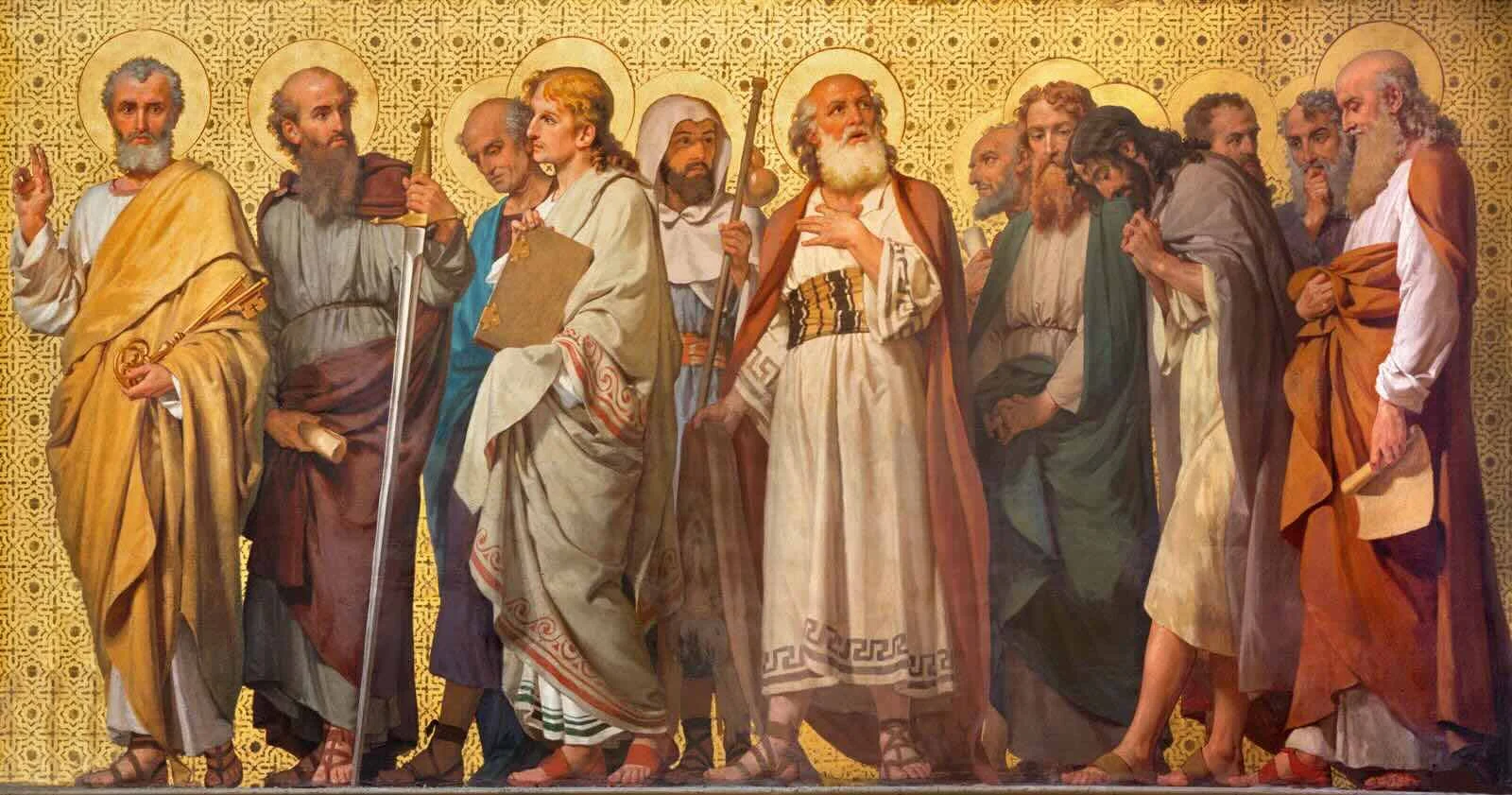
Translated from Philip Schaff's History of The Christian Church
第二章 基督教所受的逼迫与基督徒的殉道
目录
§ 12. 文献
§ 13. 概览
§ 14. 犹太人的逼迫
§ 15. 罗马逼迫的原因
§ 16. 图拉真统治以前教会的状况
§ 17. 图拉真,公元98–117年——基督教被禁——耶路撒冷的西面与安提阿的伊格那丢殉道
§ 18. 哈德良:公元117—138年
§ 19 安敦宁·庇护:公元137—161年;坡旅甲的殉道
§ 20. 马可·奥勒留治下的逼迫:公元161—180年
§ 21. 从塞普蒂米乌斯·塞韦鲁到阿拉伯人腓力时期的教会状况,公元193—249年
§ 22. 德修与瓦勒良治下的逼迫,公元249—260年;居普良殉道
§ 23. 暂时的安息,公元260—303年
§ 24. 戴克里先的逼迫,公元303—311年
§ 25. 宽容敕令:公元311—313年
§ 26. 基督徒的殉道
§ 27. 殉道者与圣物崇拜的兴起
“Semen est sanguis Christianorum.(基督徒的血是种子。)”——德尔图良 (Tertullian)。
§ 12. 文献
I. 史料
优西比乌 (Eusebius):《教会史》(H. E.),尤其是第viii、ix卷。
拉克坦提乌 (Lactantius):《逼迫者之死》(De Mortibus persecutorum)。
殉道者游斯丁 (Justin Martyr)、米努基乌斯·费利克斯 (Minucius Felix)、德尔图良及俄利根 (Origen) 的护教著作,以及居普良 (Cyprian) 的书信。
泰奥德·吕纳尔 (Theod. Ruinart):《早期殉道者真实行传选集》(Acta primorum martyrum sincera et selecta)。巴黎 (Par.),1689年;第2版,阿姆斯特丹 (Amstel.),1713年(涵盖最初四个世纪)。
《圣徒行传》(Acta Sanctorum) 中的若干传记。安特卫普 (Antw.),1643年及以后。
《自基督教会肇始至今的殉道者行传,由法国会众的本笃会神父们翻译出版》(Les Acts des martyrs depuis l’origine de l’église Chrétienne jusqu’à nos temps. Traduits et publiés par les R. R. P. P bénédictins de la congreg. de France)。巴黎 (Par.),1857年及以后。
《哲罗姆殉道者名录》(Martyrol. Hieronymianum)(弗洛伦蒂尼〔Florentini〕编,卢卡〔Luc.〕,1668年;亦见米涅〔Migne〕《拉丁教父集·哲罗姆著作》〔Patrol. Lat. Opp. Hieron.〕第xi卷,第434页及下页);《罗马殉道者名录》(Martyrol. Romanum)(巴罗尼乌斯〔Baron.〕编,1586年);《希腊圣徒月录》(Menolog. Graec.)(乌尔比诺〔Urbini〕版,1727年);德·罗西 (De Rossi)、罗勒 (Roller) 及其他人论罗马地下墓窟的著作。
II. 研究著作
约翰·福克斯 (John Foxe,或作 Fox,卒于1587年):《教会事迹与纪念录》(Acts and Monuments of the Church,通称《殉道者之书》〔Book of Martyrs〕),初版于1554年在斯特拉斯堡 (Strasburg)、1559年在巴塞尔 (Basle) 出版;首部完整版为1563年伦敦版,对开本;第9版,1684年,3卷,对开本;最佳版本由G. 汤森 (G. Townsend) 编,伦敦 (Lond.),1843年,8卷,八开本;另有许多节本。福克斯展现了基督徒殉道的全部历史,包括中世纪及十六世纪的新教殉道者,并以论战的笔锋指出,罗马教会在血腥逼迫的事业上继承了异教罗马。第一卷叙述了“罗马的十次逼迫”。
科特霍尔特 (Kortholdt):《论早期教会所受的逼迫》(De persecutionibus eccl. primcevae.)。基尔 (Kiel),1629年。
吉本 (Gibbon):第xvi章。
明特尔 (Münter):《君士坦丁以前异教家庭中的基督徒》(Die Christen im heidnischen Hause vor Constantin)。哥本哈根 (Copenh.),1828年。
舒曼·冯·曼塞格 (Schumann Von Mansegg,罗马天主教徒):《早期基督教会所受的逼迫》(Die Verfolgungen der ersten christlichen Kirche.)。维也纳,1821年。
W. 阿德·施密特 (W. Ad. Schmidt):《帝制与基督教第一个世纪的思想及信仰自由史》(Geschichte der Denk u. Glaubensfreiheit im ersten Jahrhundert der Kaiserherrschaft und des Christenthums.)。柏林 (Berl.),1847年。
克里茨勒 (Kritzler):《基督教的英雄时代》(Die Heldenzeiten des Christenthums.)。第i卷:《与异教的斗争》(Der Kampf mit dem Heidthum.)。莱比锡 (Leipz.),1856年。
弗·W. 加斯 (Fr. W. Gass):《最初几个世纪的基督徒殉道》(Das christl. Märtyrerthum in den ersten Jahrhunderten.)。1859–60年(载于尼德纳〔Niedner〕主编的《历史神学杂志》〔Zeitschrift für Hist. Theol.〕,1859年,第323–392页;1860年,第315–381页)。
F. 奥弗贝克 (F. Overbeck):《罗马皇帝针对基督徒的法律》(Gesetze der röm. Kaiser gegen die Christen),载其《古代教会史研究》(Studien zur Gesch. der alten Kirche),I。开姆尼茨 (Chemn.),1875年。
B. 奥贝 (B. Aubé):《教会受逼迫史:迄于安敦尼诸帝末期》(Histoire des persécutions de l’église jusqu’ à la fin des Antonins)。第2版,巴黎,1875年(获法兰西学院〔Académie française〕嘉奖)。同一作者另著:《教会受逼迫史:第二世纪末的异教论战》(Histoire des persécutions de l’église, La polémique paÿenne à la fin du II. siècle),1878年;《罗马帝国中的基督徒:从安敦尼诸帝末期至第三世纪中叶(180–249年)》(Les Chréstiens dans l’empire romain, de la fin des Antonins au milieu du IIIe siécle〔180–249〕),1881年;《第三世纪下半叶的教会与国家》(L’église et L’état dans la seconde moitié du IIIe siécle),1886年。
K. 维泽勒 (K. Wieseler):《凯撒诸帝对基督徒的逼迫:历史与年代考察》(Die Christenverfolgungen der Cäsaren, Hist. und chronol. untersucht.)。居特斯洛 (Gütersloh),1878年。
格尔·乌尔霍恩 (Gerh. Uhlhorn):《基督教与异教的斗争》(Der Kampf des Christenthums mit dem Heidenthum)。第3版,斯图加特,1879年。斯迈思 (Smyth) 与罗普斯 (Ropes) 英译本,1879年。
泰奥德·凯姆 (Theod. Keim):《罗马与基督教》(Rom und das Christenthum.)。柏林,1881年。
E. 勒南 (E. Renan):《马可·奥勒留》(Marc-Aurèle)。巴黎,1882年,第53–69页。
§ 13. 概览
最初三个世纪基督教所受的逼迫,宛如一场漫长的悲剧:先有不祥的预兆;继而异教向十字架的宗教发起一连串血腥的攻击;在魔鬼般的仇恨与残酷所构成的黑暗景象中,受苦者的美德发出光辉;其间偶有短暂的停歇;最后,古老的异教帝国为求生存,展开一场可怕而绝望的生死搏斗,终以基督教信仰的持久胜利告终。这样,教会所经历的血的洗礼,带来了一个基督教世界的诞生。这是十字架受难的重演与延续,但随后便有复活。
我们的主曾预言这场冲突,并使门徒为此有所准备。“看哪,我差你们去,如同羊进入狼群。人要把你们交给公会,也要在会堂里鞭打你们;并且你们要为我的缘故,被送到诸侯君王面前,对他们和外邦人作见证。弟兄要把弟兄,父亲要把儿女,送到死地;儿女要起来与父母为敌,害死他们。并且你们要为我的名,被众人恨恶;惟有忍耐到底的,必然得救。”这些话和其他类似的话,以及对十字架受难与复活的追忆,使许多身陷牢狱、面对火刑柱的认信者和殉道者得着坚固与鼓舞。
逼迫起初来自犹太人,后来来自外邦人,断断续续地延续了将近三百年。异教罗马对毫无防卫之力的基督教发动的这场灭绝战争,其规模之大、历时之久、杀戮之惨,历史上无出其右。这是一场极不对等的斗争,是刀剑与十字架的斗争;属血气的力量全在一方,道德的力量全在另一方。这是一场生死之争,交战双方必有一方屈服,妥协绝无可能。世界历史的未来,有赖于异教的覆灭与基督教的胜利。帷幕背后,是不可见世界的权势,是上帝与黑暗之君。游斯丁、德尔图良及其他认信者将逼迫的根源归于撒但和群魔,尽管他们并未忽视其中属人的及道德的层面;他们也视逼迫为对过去罪恶的惩罚,以及培育基督徒美德的学校。有些人否认殉道是一种祸患,因为它不过使基督徒更早来到上帝面前,进入天上的荣耀。战争使人的英雄品质显露出来,逼迫也同样培养了基督徒的忍耐、温柔与坚韧,并证明了信仰征服世界的能力。
逼迫的次数
自第五世纪以来,人们习惯列举十次大逼迫,分别发生于尼禄、图密善、图拉真 (Trajan)、马可·奥勒留 (Marcus Aurelius)、塞普蒂米乌斯·塞韦鲁 (Septimius Severus)、马克西米努斯 (Maximinus)、德修 (Decius)、瓦勒良 (Valerian)、奥勒良 (Aurelian) 和戴克里先 (Diocletian) 统治之下。1 这一数目,一方面源于把埃及的十灾视为预表(然而十灾降在以色列的仇敌身上,与其说是平行,不如说是对照),另一方面源于把那与羔羊争战的罗马兽的十角解释为十位皇帝.1。2 然而,若指普遍的逼迫,这数目过多;若指各省及各地的逼迫,则又太少。帝国发动的逼迫中,只有两次——德修和戴克里先时期的逼迫——遍及全帝国;但从图拉真至君士坦丁 (Constantine),基督教始终是非法宗教,在各地都受到骚扰与暴力侵害.1。3 有些施行逼迫的皇帝——尼禄、图密善、伽列里乌斯 (Galerius)——是穷凶极恶的暴君;但另一些——图拉真、马可·奥勒留、德修、戴克里先——却属于最优秀、最有作为的皇帝之列。他们的动机,与其说是仇恨基督教,不如说是热心维护法律和政府的权力。反过来,有些最无能无德的皇帝——康茂德 (Commodus)、卡拉卡拉 (Caracalla) 和赫利奥加巴卢斯 (Heliogabalus)——却纯凭一时好恶,对基督徒颇为优待。他们对这一新宗教的真实性质,同样一无所知。
结果
异教罗马对那建立在磐石上的教会所发动的漫长而血腥的战争,彻底失败了。这场战争在尼禄统治下始于罗马,在君士坦丁统治下终于罗马附近的米尔维安桥 (Milvian bridge)。它本欲灭绝教会,反而使教会得着洁净。它激发了基督徒英勇的美德,促成了这一新宗教的巩固与胜利。德尔图良身处逼迫之中,却未见其终结;他的一句精练之言最能表达逼迫的哲理:“基督徒的血是教会的种子。”
宗教自由
逼迫中流的血,也是公民自由与宗教自由的种子。一切宗派、学派和党派,无论是宗教的还是政治的,在遭受逼迫时,都抱怨不公,恳求宽容;但在掌权之时,却很少实行宽容。这种前后不一的原因,在于人性的自私,以及对自己所认定的真理和正义怀有错误的热忱。自由的成长极其缓慢,却是确然不移的。
希腊和罗马的古代世界,大体建立在国家专制之上,个人的权利被无情地践踏在脚下。正是基督教教导并承认了这些权利。
基督教护教者最先宣告了宗教自由的原则和良心的神圣权利,尽管其表达尚不完善。德尔图良仿佛以先知的眼光预见了现代新教的理论,大胆地告诉异教徒:人人都有按照自己确信敬拜上帝的自然且不可剥夺的权利;良心之事上的一切强迫,皆与宗教本性相违;任何形式的敬拜,唯有出自内心自由自愿的敬意,才有价值。4
殉道者游斯丁也表达了类似的观点,支持宗教自由;5 在本时期末,拉克坦提乌也持同样看法,他说:“宗教不能凭武力强加于人;此事必须诉诸言语而非殴打,才能感动人的意志。酷刑与敬虔截然不同;真理不可能与暴力相结合,公义也不可能与残酷相结合。没有什么比宗教更是自由意志之事。”6
教会在战胜异教以后,忘记了这一教训;许多世纪以来,它对待一切基督教异端,以及犹太人和外邦人,正如古罗马人对待基督徒一样,不分信条或宗派。从君士坦丁堡的基督教皇帝时代,到俄国沙皇和南美洲诸共和国的时代,每一个国家教会都或多或少地逼迫过持异议者,直接违背了基督和使徒的原则与实践,并以属血气的眼光误解了天国属灵的本质。
§ 14. 犹太人的逼迫
史料
I. 狄奥·卡西乌斯 (Dio Cassius):《罗马史》(Hist. Rom.),LXVIII. 32;LXIX. 12–14;殉道者游斯丁 (Justin M.):《第一护教辞》(Apol. I.),31、47;优西比乌:《教会史》(H. Eccl.),IV. 2、6。拉比传统见德朗堡 (Derenbourg):《从居鲁士至哈德良的巴勒斯坦史》(Histoire de la Palestine depuis Cyrus jusqu’à Adrien)(巴黎,1867年),第402–438页。
- 弗·明特尔 (Fr. Münter):《图拉真与哈德良统治下的犹太战争》(Der Judische Krieg unter Trajan u. Hadrian)。阿尔托纳 (Altona) 与莱比锡 (Leipz.),1821年。
戴林 (Deyling):《埃利亚·卡皮托利纳的起源与历史》(Aeliae Capitol. origines et historiae.)。莱比锡 (Lips.),1743年。
埃瓦尔德 (Ewald):《以色列民族史》(Gesch. des Volkes Israel),VII,第373–432页。
米尔曼 (Milman):《犹太人史》(History of the Jews),第18、20卷。
格雷茨 (Grätz):《犹太人史》(Gesch. der Juden.),第IV卷(莱比锡〔Leipz.〕,1866年)。
许勒 (Schürer):《新约时代史》(Neutestam. Zeitgeschichte)(1874年),第350–367页。
犹太人将基督钉十字架,用石头打死司提反,处死大雅各,屡次囚禁彼得和约翰,疯狂地向保罗发怒,又杀害义人雅各;这一切表明了他们顽梗的不信,以及对福音的深切仇恨。无怪乎上帝可怕的审判终于因他们的忘恩负义临到他们,使圣城和圣殿遭受毁灭;基督徒则逃往佩拉 (Pella),得以避难。
但这一悲惨的命运只能摧毁犹太人的民族力量,却不能消除他们对基督教的仇恨。他们促成了耶路撒冷主教西面 (Symeon) 的死亡(107年);在士每拿的坡旅甲 (Polycarp of Smyrna) 被焚一事上,他们尤为活跃;他们又排斥拿撒勒人的教派,煽动外邦人的暴行。
巴尔·科赫巴的叛乱:耶路撒冷再遭毁灭
图拉真 (Trajan) 和哈德良 (Hadrian) 治下的严酷压迫、对割礼的禁止,以及异教徒以偶像崇拜亵渎耶路撒冷,激起了犹太人又一次声势浩大的叛乱(公元132–135年)。一个假弥赛亚巴尔·科赫巴 (Bar-Cochba,意为星辰之子,参《民数记》24:17),后来被称为巴尔·科西巴 (Bar-Cosiba,意为虚假之子),自立为叛军领袖,使所有不肯加入他的基督徒遭到极其残酷的杀害。但这假先知于135年被哈德良的将军击败;五十多万犹太人在拼死抵抗之后被杀,无数人被卖为奴,985个村庄和50座堡垒被夷为平地,几乎整个巴勒斯坦 (Palestine) 沦为废墟,耶路撒冷再次被毁。罗马人在其废墟上建立了殖民城爱利亚·卡皮托利纳 (Aelia Capitolina),其中立有朱庇特 (Jupiter) 的像和维纳斯 (Venus) 的庙。爱利亚·卡皮托利纳的硬币上铸有卡皮托利努斯山的朱庇特 (Jupiter Capitolinus)、巴克斯 (Bacchus)、塞拉皮斯 (Serapis) 和阿斯塔特 (Astarte) 的像。
这样,古老而可敬的旧约宗教所发源的土地被翻耕了,偶像崇拜则栽种其上。犹太人被禁止前往他们昔日都城的圣地,违者处死。7只有在圣城被毁的周年纪念日,他们才获准从远处瞻望哀哭。这项禁令在基督徒皇帝治下仍被沿用,实为这些皇帝的耻辱。背道者尤利安 (Julian the Apostate) 出于对基督徒的仇恨,准许并鼓励他们重建圣殿,但终归徒劳。哲罗姆 (Jerome) 在伯利恒 (Bethlehem) 隐居修道,度过余生(卒于419年);他以凄恻的言辞告诉我们,在他那个时代,犹太老翁老妇“in corporibus et in habitu suo iram a Domini demonstrantes,”(在身体和衣着上显出主的忿怒),必须向罗马守卫付钱,才能获准在橄榄山上、望得见十字架的地方,为废墟哭泣哀号;“ut qui quondam emerant sanguinem Christi, emant lacrymas suas, et ne fletus quidem i eis gratuitus sit.”(使那些从前买过基督之血的人,如今购买自己的眼泪,连哭泣也不能免费。)8如今,在土耳其统治下,犹太人仍享有这同样悲哀的特权,不仅每年一次,而是每逢星期五,就在圣殿的墙下哀哭;圣殿如今已被奥马尔清真寺 (Mosque of Omar) 所取代。9
《塔木德》
此后,犹太人再也没有机会独自对基督徒施行进一步的逼迫。然而,他们仍不断散布针对耶稣及其追随者的可怕诽谤。他们在提比哩亚 (Tiberias) 和巴比伦 (Babylon) 的学府滋养着这种刻骨的敌意。《塔木德》(Talmud,即“教训”) 的第一部分《密西拿》(Mishna,即“复述”) 编成于第二世纪末,第二部分《革马拉》(Gemara,即“完成”) 编成于第四世纪;它充分体现了当时的犹太教:僵硬、墨守传统、停滞不前,并且反对基督教。后来,《耶路撒冷塔木德》被篇幅大四倍的《巴比伦塔木德》(430–521年)所掩盖;后者更加鲜明地表现了拉比主义 (Rabbinism)。那针对背道者的可怕咒诅(pratio haereticorum),旨在阻止犹太人转信基督教,起源于第二世纪;据《塔木德》说,是年轻的拉比迦玛列 (Gamaliel) 在雅弗纳 (Jafna) 编成的,当时公会 (Sanhedrin) 就设在那里。
《塔木德》是数世纪缓慢累积的产物。它是一片犹太学问、智慧与愚昧混杂的混沌,是一整片垃圾大陆,其中却隐藏着真知格言与诗意比喻的珍珠。德利奇 (Delitzsch) 称它为“一个庞大的辩论会,至少五个世纪的无数声音在其中混杂嗡鸣;它是一部独一无二的法典,与它相比,其他一切民族的法书都不过是侏儒之作”。它是遭到曲解、又被用来反对新约的旧约,形式上虽非如此,实质上却正是如此。它是一部拉比的圣经,没有默示,没有弥赛亚,没有盼望。它与犹太民族同样坚韧,并且像这个民族一样,不由自主地继续为基督教的真理作见证。有人问一位杰出的历史学家,什么是基督教最有力的论据,他立即回答:犹太人。10
不幸的是,这个民族即使在其悲惨的结局中仍令人瞩目,却在君士坦丁 (Constantine) 以后受到基督徒多方面的残酷压迫和逼迫,结果只是使他们对基督徒的狂热仇恨更加牢固。敌视犹太人的立法,始于禁止给基督徒奴隶行割礼,以及禁止犹太人与基督徒通婚;到了第五世纪,便已发展到剥夺基督教国家中犹太人的一切民事与政治权利。甚至我们这个开明的时代,也曾目睹德国、尤其是俄国(1881年)残酷排犹(Judenhetze)的可耻景象。然而,历经命运的一切变迁,上帝仍保存着这个古老的民族,使之成为他公义与怜悯的活见证;在基督第二次降临、他的国度臻于完成之时,他无疑将赋予这个民族一个重要的角色。
§ 15. 罗马逼迫的原因
罗马政府的政策、迷信民众的狂热,以及异教祭司的私利,共同促成了对这一宗教的逼迫,因为它威胁着要拆毁偶像崇拜那摇摇欲坠的大厦;为了将它从地上抹去,他们无论立法、暴力、诡计还是恶行,凡可用的手段,无不尝试。
我们先来略看罗马国家与基督教的关系。
罗马的宽容
罗马帝国的政策在一定程度上是宽容的。它采取的是事后压制,而非事先防范。思想自由不受审查制度的限制,教育也不受束缚,任由师生自行安排。军队驻守边疆,以保卫帝国,并不在国内充当压迫的工具;公共娱乐则转移了民众对公共事务的注意,也消解了政治上的不满。被征服民族的古老宗教,只要不妨碍国家利益,便受到容忍。犹太人自尤利乌斯·凯撒 (Julius Caesar) 时代起,就享有特别的保护。
因此,只要罗马人仍把基督教仅仅看作犹太教的一个派别,它固然分受了人们对那古老民族宗教的仇恨与轻蔑,却也同享了法律所给予的保护。上帝的护理如此安排,使基督教在其真实性质尚未被人认识之前,就已在帝国的主要城市扎下了根。保罗在罗马公民身份的保护下,将它传到了帝国的边陲;罗马驻哥林多的总督拒绝干涉他的活动,理由是这属于犹太人的内部问题,不在他的法庭管辖之内。直到图拉真时代,异教的政治家和作家,包括历史学家塔西佗 (Tacitus) 和小普林尼 (Pliny),仍把基督教视为一种庸俗的迷信,几乎不值得他们注意。
然而,这一现象太过重要,发展又太过迅速,不可能长久如此遭到忽视或鄙弃。一旦它被认作一种新的宗教,而且实际上宣称具有普世的效力、要求人人接受,它就被判定为非法而叛逆的宗教,即 religio illicita;基督徒也不断受到这样的斥责:“你们无权存在。”11
罗马的不宽容
我们无须对这一立场感到惊讶。因为罗马国家尽管在口头上和实际上都表现出宽容,却始终与异教的偶像崇拜紧密交织,并把宗教作为其政策的工具。古代历史中,没有一个国家是全无某种宗教及敬拜形式的。罗马也不例外。蒙森 (Mommsen) 说:“罗马—希腊的国教,以及与之不可分割地结合在一起的斯多葛派国家哲学,对于任何政府——无论寡头政治、民主政治还是君主政治——都不只是便利的工具,而且是绝对不可或缺的;因为建立一个完全不含宗教因素的国家,正如找到一种适于取代旧国教的新国教一样,是不可能的。”12
人们相信,罗慕路斯 (Romulus) 和努马 (Numa) 的虔诚奠定了罗马强盛的基础。罗马军队的辉煌胜利,被归功于共和国诸神的眷顾。祭司和维斯塔贞女 (Vestal virgins) 由国库供养。皇帝依其职位兼任 pontifex maximus(最高祭司),甚至自己也成了神圣崇拜的对象。诸神属于国家;卡皮托利努斯山的朱庇特之鹰,作为护佑的精灵,行进在征服世界的军团前面。西塞罗 (Cicero) 将此列为立法原则:任何人都不得敬拜外邦神明,除非这些神明已获国家法令认可。13梅塞纳斯 (Maecenas) 劝告奥古斯都 (Augustus) 说:“要照我们祖先的习俗尊崇诸神,并强迫14别人敬拜他们。要憎恨并惩罚那些引进异邦神明的人。”
诚然,在希腊和罗马,个人在谈话、书籍和舞台上表达怀疑、甚至亵渎的见解,享有几乎不受限制的自由。我们只须举出阿里斯托芬 (Aristophanes)、琉善 (Lucian)、卢克莱修 (Lucretius)、普劳图斯 (Plautus) 和泰伦提乌斯 (Terence) 的作品即可。不过,当时的人严格区分私人思想与良心的自由,以及公开敬拜的自由;后世的基督教政府也常作如此区分。前者是不可剥夺、立法无法触及的,后者虽不过是前者的正当结果,却仍被区别对待。此外,凡宗教成为国家立法和强制的事务,受过教育的阶层几乎总会充满虚伪和不信,尽管他们往往出于权宜、利益或习惯,在外表上遵从国教的形式与法律要求。
元老院和皇帝通常以特别诏令,准许被征服的民族自由举行其敬拜,即使在罗马也是如此;但这不是出于对良心神圣权利的尊重,只是出于政策上的考虑,而且明令禁止他们使信奉国教的人改宗。因此,禁止改信犹太教的严厉法律不时颁布。
宽容基督教的障碍
基督教并非以民族宗教的面貌出现,而是自称为唯一真实的普世宗教,在各民族、各派别中吸收归信者;它吸引的希腊人和罗马人远多于犹太人,拒绝与任何形式的偶像崇拜妥协,事实上威胁着罗马国教本身的存续。因此,即使这种有限的宽容,也不能给予基督教。同样是罗马那压倒一切的政治利益,在这里却要求采取相反的方针。德尔图良 (Tertullian) 指责罗马人自相矛盾,说他们容忍敬拜一切无须畏惧的假神,却禁止敬拜那统管万有的唯一真神;这种指责并不十分公允。15基督生于奥古斯都治下,在提比略 (Tiberius) 治下经罗马官长判决而被钉十字架;作为一个普世属灵帝国的创立者,他站在罗马权势最重要时代的开端,成了罗马不能容忍的对手。后来君士坦丁的统治表明,自由宽容基督教,便是对罗马国教的致命一击。
此外,基督徒出于良心,拒绝向皇帝及其雕像献上神明所受的尊荣,也拒绝参与公共庆典中任何偶像崇拜的仪式;他们不愿在帝国军队中服役,不关心政治,与人的属灵和永恒利益相比,轻看一切公民事务和今世事务;他们又有紧密的弟兄团契,且经常聚会。这一切都使他们被疑为仇视诸凯撒和罗马人民,并犯有阴谋反叛国家这一不可饶恕的罪行。16
普通民众也因其多神观念,憎恶信奉独一上帝的人,视他们为无神论者和诸神的仇敌。他们轻易相信种种诽谤的传言,说基督徒在宗教聚会和爱筵中行各样可憎之事,甚至乱伦、吃人;又把那个时代频繁发生的公共灾难,看作诸神因人忽视对他们的敬拜而发怒,所施行的公正惩罚。北非流传着一句谚语:“若上帝不降雨,就归咎于基督徒。”每逢洪水、旱灾、饥荒或瘟疫,狂热的民众便喊道:“除掉无神论者!把基督徒扔给狮子!”
最后,逼迫有时由祭司、术士、工匠、商人以及其他靠偶像崇拜谋生的人发动。这些人如同以弗所的底米丢,以及腓立比那使女巫师的主人,因为这新宗教妨碍了他们获利,便煽起暴民对它的狂热与愤怒。17
§ 16. 图拉真统治以前教会的状况
图拉真 (Trajan) 以前诸皇帝的逼迫属于使徒时期,已在第一卷叙述。这里提及,只为使叙事连贯。基督生于罗马第一位皇帝治下,在第二位皇帝治下被钉十字架。据传,提比略 (Tiberius,公元14–37年) 被彼拉多关于耶稣受钉十字架和复活的报告所震慑,曾向元老院提议,将基督列入罗马诸神之中,却未成功;但此说仅以德尔图良的记载为依据,其可信性颇有疑问。克劳狄 (Claudius,42–54年) 于53年颁布诏令,将犹太人逐出罗马;这诏令也波及基督徒,但他们是作为犹太人受牵连的,因为人们将两者混为一谈。尼禄 (Nero,54–68年) 在64年发动的恶魔般的逼迫,本意并非惩罚基督教,而是惩罚所谓的纵火罪。然而,这场逼迫显露了民众的情绪,也是向这新宗教宣战。尼禄将作为敌基督重新出现,遂成为基督徒中流行的说法。
在加尔巴 (Galba)、奥托 (Otho)、维特利乌斯 (Vitellius)、韦斯帕芗 (Vespacian) 和提图斯 (Titus) 迅速相继的统治期间,据我们所知,教会没有遭受十分严重的逼迫。
但图密善 (Domitian,81–96年) 是一个多疑而亵渎神的暴君,惯于自称并让人称他为“主和神”;他把归信基督教视为危害国家的罪行,以无神论的罪名判处许多基督徒死刑,甚至包括他自己的堂兄弟、执政官弗拉维乌斯·克莱孟 (Flavius Clemens);或没收他们的财产,将他们放逐,上述克莱孟的妻子多米提拉 (Domitilia) 便是如此。他的猜忌又使他企图消灭大卫尚存的后裔;他把耶稣的两位亲属,即“主的兄弟”犹大的孙子,从巴勒斯坦带到罗马;但见他们贫穷,质朴如乡民,又听他们解释说,基督的国不属地,而属天,要到世界末了,主来审判活人死人的时候才建立,便释放了他们。传统记载(见爱任纽、优西比乌、哲罗姆)把约翰被放逐到拔摩岛一事归于图密善统治时期(然而,此事必须归于尼禄统治时期),也把他在罗马神奇地免于一死(德尔图良为此作证),以及安得烈、马可、阿尼西母和亚略巴古的狄奥尼修 (Dionysius the Areopagite) 的殉道,归于这一时期。《伊格那丢殉道记》(Martyrium of Ignatius) 提到“图密善治下的多次逼迫”。
他的继任者涅尔瓦 (Nerva,96–98年) 仁慈而爱好公义,召回了被放逐者,拒绝把承认基督信仰视为政治罪行,尽管他并未承认这新宗教为合法宗教(religio licita)。
§ 17. 图拉真,公元98–117年——基督教被禁——耶路撒冷的西面与安提阿的伊格那丢殉道
I. 史料
小普林尼 (Plinius, jun.):《书信集》(Epist.),x. 96、97(另一编号为97及下篇)。德尔图良:《护教篇》(Apol.),第2章;优西比乌 (Eusebius):《教会史》(H. E.),III. 11、32、33、36。《逾越节编年史》(Chron. pasch.),第470页(波恩版,ed. Bonn.)。
《伊格那丢殉道行传》(Acta Martyrii Ignatii),见吕伊纳尔 (Ruinart),第8页及后;近出的版本有特奥德·察恩 (Theod. Zahn) 编《使徒教父著作集》(Patrum Apost. Opera)(莱比锡,Lips.,1876年),第II卷,第301页及后;丰克 (FUNK) 编《使徒教父著作集》(Opera Patr. Apost.),第I卷,第254–265页;第II卷,第218–275页;以及莱特福特 (Lightfoot):《圣伊格那丢》(S. Ignatius) 与《圣坡旅甲》(S. Polyc.),II. 1,第473–570页。
II. 著作
关于图拉真统治的一般情况,见蒂耶蒙 (Tillemont):《皇帝史》(Histoire des Empereurs);梅里韦尔 (Merivale):《帝国统治下的罗马人史》(History of the Romans under the Empire)。
关于伊格那丢:特奥德·察恩 (Theod. Zahn):《安提阿的伊格那丢》(Ignatius von Antiochien)。哥达 (Gotha),1873年(631页)。莱特福特 (Lightfoot):《圣伊格那丢与圣坡旅甲》(S. Ignatius and S. Polyc.),伦敦,1885年,2卷。
关于年代问题:阿道夫·哈纳克 (Adolph Harnack):《伊格那丢的时代》(Die Zeit des Ignatius)。莱比锡 (Leipzig),1878年(90页);参较凯姆 (Keim),前引书(l.c.),第510–562页;尤其参见莱特福特 (Lighfoot),前引书(l.c.),II. 1,第390页及后。
伊格那丢的书信将在论教会文献的第XIII章,§ 164和165中讨论。
图拉真是最优秀、最值得称颂的皇帝之一,被尊为“国父”;但他与朋友塔西佗 (Tacitus) 和普林尼 (Pliny) 一样,对基督教的性质全然无知。他首先正式宣布基督教为受禁的宗教,尽管它事实上一直处于这种地位。他恢复了禁止一切秘密社团的严厉法律,18各行省官员便因基督徒经常聚集敬拜,而将这些法律施用于他们。他的决定在一个多世纪中成为政府对待基督徒的准则。这一决定体现在他与小普林尼的往来书信中;后者于109至111年任小亚细亚庇推尼 (Bithynia) 总督。
普林尼因公务与基督徒发生接触。他自己只把这一宗教看作“败坏而无节制的迷信”,几乎无法解释它何以如此流行。他向皇帝报告,这种迷信不但在小亚细亚的城市,也在乡村不断蔓延,吸引了各种年龄、阶层和男女两性的人,以致庙宇几乎无人问津,祭牲也销不出去。为制止这种发展,他判处许多基督徒死刑,并将另一些具有罗马公民身份的人送交皇帝的法庭。但他请求皇帝进一步指示:采取这些措施时,是否应顾及年龄;若没有其他罪行,是否仅仅具有基督徒的名号便应视为犯罪。
图拉真对这些询问答复说:“我的朋友,关于基督徒,你采取的方针是正确的;因为在这件事上,无法订出一条适用于一切案件的通则。不应搜捕他们;但若有人控告,并经定罪,就应处罚;然而,若有人否认自己曾是基督徒,并以行动证明,就是敬拜我们的诸神,那么,即使他的过去仍使他受到怀疑,也应因他的悔改而赦免他。但在任何刑事诉讼中,都不得受理匿名控告;这会树立恶劣的先例,也与我们的时代不相称”(即与图拉真施政的精神不符)。
这一决定远比人们可能期待于一位古老罗马作风的异教皇帝的温和。德尔图良指责它自相矛盾,既残酷又宽容,禁止搜捕基督徒,却又命令惩罚他们,因而同时宣布他们无罪又有罪。但皇帝显然是依据政治原则行事;在他看来,基督教不过是一种短暂而易于传染的狂热,他认为置之不理,比公开攻击更能迅速将它压制下去。他希望尽可能不去理会它。然而,基督教以真理不可抗拒的力量传播,日复一日,越来越使公众无法不予注意。
这道敕答可能因总督们的态度不同,使他们把基督教作为秘密团体和非法宗教(religio illicita),施以极端严酷的对待。即使仁慈的普林尼也告诉我们,他曾对柔弱的妇女施用刑架酷刑。在这一朝,叙利亚和巴勒斯坦遭受了严重的逼迫。
耶路撒冷主教西面 (Symeon) 与他的前任雅各一样,也是耶稣的亲属;他被狂热的犹太人控告,于公元107年被钉十字架,年一百二十岁。
同年(或很可能在110至116年间),杰出的安提阿主教伊格那丢 (Ignatius) 被判死刑,押往罗马,在斗兽场 (Colosseum) 中被扔到野兽面前。他殉道的故事无疑经过许多润饰,但必定有某种事实根据,而且体现了古代教会传说性殉道记的特色。
我们对伊格那丢的认识,来自那些真伪有争议的书信,19以及爱任纽 (Irenaeus) 和俄利根 (Origen) 的几则简短记载。人们承认他确有其人、他在早期教会中的地位,以及他的殉道,但关于他的其他一切都受到质疑。他写过多少封书信,何时写成;殉道记载有多少真实成分,殉道发生于何时,记载何时写成,由谁执笔——这一切均无定论,成为长期争论的题目。据传统说,他是使徒约翰的学生;他的敬虔使他深得安提阿基督徒的敬重,因而被选为主教,成为彼得之后的第二任,第一任是犹欧迪乌 (Euodius)。然而,尽管他具有使徒般的品格,极其用心地治理教会,他本人却仍不满足,直到被算为配用自己的血印证所作的见证,借此登上最高的尊荣之位。他所渴求的冠冕终于临到,他那热切而病态的殉道欲望得到了满足。107年,图拉真皇帝来到安提阿,在那里威胁要逼迫所有拒绝向诸神献祭的人。伊格那丢因这一罪名受审,并自豪地承认自己是一个“Theophorus”(“负载上帝者”),因为他说自己胸中有基督。图拉真判他到罗马被扔给狮子。判决迅即执行。伊格那丢立即被锁链捆绑,在十名士兵押送下辗转海陆;他称这些士兵为他的“豹子”。他从安提阿到塞琉西亚 (Seleucia),再到士每拿 (Smyrna),在那里与坡旅甲 (Polycarp) 相会,并从那里写信给众教会,尤其是罗马教会;随后到特罗亚 (Troas)、尼亚波利 (Neapolis),经马其顿到伊庇鲁斯 (Epirus),再横渡亚得里亚海到罗马。当地基督徒以种种敬意接待他,但他不容他们阻止,甚至不容他们延缓他的殉道。107年12月20日,他被扔进圆形竞技场;野兽立即扑向他,很快他的身体便只剩几根骨头。这些骨头被当作无价之宝,小心地运回安提阿。那些从家乡陪伴他前来的忠实朋友,当夜梦见了他;有些人梦见他站在基督身旁,汗水淋漓,仿佛刚从那场艰苦的劳作中归来。他们从这些梦中得到安慰,便带着遗骨返回安提阿。
关于伊格那丢殉道日期的附注
公元107年这一日期,有伊格那丢殉道记中最好的一种(《科尔贝尔本》,Colbertium)的通行读法为依据:ἐννάτῳ ἔτει*,即“第九年”,也就是从图拉真于公元98年即位算起。没有充分理由舍弃这一读法,而采用另一读法τέταρτον ἔτος*,即“第十九年”,也就是公元116年。哲罗姆 (Jerome) 将日期定为公元109年。《科尔贝尔殉道记》(Martyrium Colbertinum) 正确列出了罗马执政官的姓名,这一事实证明了该日期的正确性;接受这一日期的考证学者有厄舍尔 (Ussher)、蒂耶蒙 (Tillemont)、默勒 (Möhler)、赫费勒 (Hefele) 和维泽勒 (Wieseler)。最后一位在其《诸凯撒对基督徒的逼迫》(Die Christenverfolgungen der Caesaren),1878年,第125页及下页中,认为以下几项支持这一日期:优西比乌 (Eusebius) 说,殉道发生在图拉真来到安提阿之前,而图拉真来到安提阿是在他在位第10年;伊格那丢与革罗罢 (Klopas) 之子西面殉道相隔不久(《教会史》,Hist. Ecc. III. 32);最后,还有提比里安 (Tiberian) 致图拉真的信,信中说许多人争相前来殉道——维泽勒认为,这是伊格那丢榜样所产生的影响。若接受107年这一日期,那么维泽勒的另一推论也颇有可能。众所周知,图拉真在那一年为庆祝征服达契亚 (Dacia) 的胜利,举行了非同寻常的凯旋庆典:伊格那丢的鲜血,岂不可能正是在那时染红了圆形竞技场的沙土吗?
但公元107年绝非普遍公认的日期。凯姆 (Keim)(《罗马与基督教》,Rom und das Christenthum,第540页)认为,《科尔贝尔殉道记》说伊格那丢死于苏拉 (Sura) 第一次、塞涅基奥 (Senecio) 第二次担任执政官之年,这是错误的,因为107年是苏拉第三次、塞涅基奥第四次担任执政官。他还提出异议说,图拉真107年不在安提阿,而是在115年前往攻打亚美尼亚人和帕提亚人途中才到那里。但如果伊格那丢并非由图拉真本人在安提阿审判,那么后一项异议便不能成立。哈纳克 (Harnack) 的结论是,伊格那丢在图拉真治下殉道,仅勉强有可能。莱特福特 (Lightfoot) 则将其殉道日期定在110至118年之间。
§ 18. 哈德良:公元117—138年
参见格雷戈罗维乌斯 (Gregorovius):《哈德良及其时代史》(Gesch. Hadrians und seiner Zeit)(1851年);勒南 (Renan):《基督教会》(L’E’glise, chrétienne)(1879年),第1—44页;以及瓦根曼 (Wagenmann) 载于赫尔佐格 (Herzog) 辞典的文章,第V卷,第501—506页。
哈德良 (Hadrian) 出身西班牙,是图拉真的亲属,并在图拉真临终时被收为养子。他才华卓越,受过精良的教育,既是学者、艺术家,也是立法者和行政家;总而言之,是罗马皇帝中最有才干者之一。然而,他的道德大有可疑,受反复无常的情绪支配,被相反的方向所吸引,最后陷入自相矛盾和对人生的彻底厌倦之中。他的陵墓 (Moles Hadriani),如今称为圣天使堡 (castle of Sant’ Angelo),至今仍点缀着罗马台伯河上的桥头。他既被描绘为教会的朋友,也被描绘为教会的敌人。他忠于国教,激烈反对犹太教,又因不了解基督教而对它漠不关心。他在圣殿遗址及据认为基督被钉十字架之处,分别建造朱庇特 (Jupiter) 和维纳斯 (Venus) 的神庙,同时侮辱了犹太人和基督徒。据说,他曾命令亚细亚行省总督制止民众对基督徒的狂暴行为,只惩罚那些经正规司法程序判定为违法的人。20但无疑,他与图拉真一样,认为仅仅承认自己是基督徒,本身便是这种违法行为。
基督教护教文献兴起于这位皇帝治下,表明当时公众对基督徒怀有极其强烈的敌意,教会处境危急。哈德良只要稍加纵容,便会引发流血的逼迫。夸德拉图 (Quadratus) 和阿里斯提德 (Aristides) 曾向他呈上为基督徒同胞申辩的文字,但产生了什么效果,我们并不知道。
后来的传统把圣尤斯塔基乌 (St. Eustachius)、圣辛福罗莎 (St. Symphorosa) 及其七个儿子、罗马主教亚历山大 (Alexander) 和特勒斯福鲁 (Telesphorus),以及其他一些人的殉道,归于他的统治时期;这些人的名字几乎不为人知,其年代更是极其可疑。
§ 19 安敦宁·庇护:公元137—161年;坡旅甲的殉道
尚帕尼伯爵 (Comte de Champagny,罗马天主教徒):《安敦宁诸帝》(Les Antonins)(公元69—180年),巴黎,1863年;第3版,1874年。3卷,八开本。梅里韦尔 (Merivale) 的《历史》(History)。
《坡旅甲殉道记》(Martyrium Polycarp)(殉道行传中最古老、最朴实、最少可议之处的一部),见于士每拿教会致本都 (Pontus) 或弗里吉亚 (Phrygia) 基督徒的一封信,由优西比乌保存于《教会史》(H. Eccl.) IV. 15;厄舍尔于1647年根据各种抄本将其单独刊行,几乎所有《使徒教父》版本也都收入此文,尤见 O. v. 格布哈特 (O. v. Gebhardt)、哈纳克和察恩 (Zahn) 的版本,II. 132—168,以及序论 (Prolog.) L—LVI。文本由察恩校订,与博兰德学派 (Bollandists) 的文本有98处不同。最佳版本为莱特福特的《圣伊格那丢与圣坡旅甲》(S. Ign. and S. Polycarp),I. 第417页及下页,及 II. 1005—1047。另参丰克 (Funk),II. 第315页及下页所载希腊文《坡旅甲传》(Vita Polycarpi)。
伊格那丢:《致坡旅甲书》(Ad. Polycarpum)。最佳版本为莱特福特所编,见前引书(l.c.)。
爱任纽 (Irenaeus):《驳异端》(Adv. Haer.) III. 3. 4。他致弗洛里努 (Florinus) 的信,见优西比乌,V. 20。
以弗所的坡利克拉底 (Polycrates of Ephesus)(约190年),见优西比乌,V. 24。
关于坡旅甲逝世的日期:
瓦丁顿 (Waddington):《论修辞家埃利乌斯·阿里斯提德生平的年代》(Mémoire sur la chronologie de la vie du rhéteur Aelius Aristide)(载于《铭文与美文学院纪要》,Mém. de l’ Acad: des inscript. et belles letters,第XXVI卷,第II部分,1867年,第232页及下页),以及《亚细亚诸行省纪年》(Fastes des provinces Asiatiques),1872年,第219页及下页。
维泽勒:《坡旅甲的殉道及其年代》(Das Martyrium Polykarp’s und dessen Chronologie),载于其《基督徒所受的逼迫》(Christenverfolgungen) 等(1878年),3 87。
凯姆:《士每拿的十二位殉道者与坡旅甲主教之死》(Die Zwölf Märtyrer von Smyrna und der Tod des Bishops Polykarp,),载于其《原始基督教论集》(Aus dem Urchristenthum)(1878年),第92—133页。
E. 埃格利 (E. Egli):《坡旅甲殉道记》(Das Martyrium des Polyk.),载于希尔根费尔德 (Hilgenfeld) 主编的《科学神学杂志》(Zeitschrift für wissensch. Theol.),1882年,第227页及下页。
安敦宁·庇护 (Antoninus Pius) 保护基督徒,免受因公共灾难频繁发生而向他们爆发的暴民袭击。但那道归于他名下、颁给亚细亚诸城代表的敕令,为基督徒的清白作证,并将他们树立为敬拜上帝时忠诚热忱的榜样,要异教徒效法;这样的敕令,几乎不可能出自一位因恪守祖先宗教而获得“庇护”(Pius,意为“虔敬者”)这一尊号的皇帝。21况且,无论如何,他也无法控制各行省总督的行为,以及民众对一种非法宗教的狂怒。
士每拿教会所受的逼迫及其可敬主教的殉道,从前被定在马可·奥勒留 (Marcus Aurelius) 治下的167年;但据较近的研究,此事发生于安敦宁治下的155年,当时斯塔提乌斯·夸德拉图 (Statius Quadratus) 任小亚细亚总督。22坡旅甲是使徒约翰的亲密朋友和学生,也是士每拿教会的首席长老;那里至今仍有一座朴素的石碑标示着他的墓地。他是里昂的爱任纽 (Irenaeus of Lyons) 的老师,因而成为使徒时期与后使徒时期之间的纽带。他于155年去世,享年八十六岁或更高,因此必定生于公元69年,即耶路撒冷被毁的前一年,而且可能曾与圣约翰交往二十年或更久。这使他关于使徒传统与著作的见证更具分量。我们存有他的一封优美书信,其中回响着使徒的教训,将在另一章论及。
坡旅甲在总督面前坚定不移,拒绝否认他的君王和救主;他已服事主八十六年,从主所领受的只有慈爱和怜悯。他欢然走上火刑柱,在烈焰中赞美上帝,因上帝看他配“列在他的殉道者中,喝基督受苦的杯,在圣灵的不朽坏中,达到灵魂与身体永远的复活”。士每拿教会的信中带有少许传说色彩的记述说,火焰避开了这位圣徒的身体,使之毫发无损,如同在火中炼净的金子;旁观的基督徒也坚称,他们闻到一种馨香,仿佛乳香一般。随后,刽子手将剑刺入他的身体,涌出的鲜血立刻扑灭了火焰。遗体依罗马习俗焚化,但教会保存了他的遗骨,视其比黄金和钻石更为宝贵。这位使徒时期最后见证人的死,遏止了民众的狂怒,总督也中止了逼迫。
§ 20. 马可·奥勒留治下的逼迫:公元161—180年
马可·奥勒留·安敦宁 (Marcus Aurelius Antoninus)(生于121年,卒于180年):Τῶν εἰς ἑαυτὸν Βιβλία ιβʹ*,或称《沉思录》(Meditations)。这是某种日记或札记集,皇帝在晚年为了自我修养,记下自己的道德省思,以及智慧贤德之人的精辟格言,其中一部分写于“夸迪人之地”(在匈牙利多瑙河畔)的战乱之中。初版由克叙兰德 (Xylander) 刊行,苏黎世,1558年,巴塞尔,1568年;最佳版本由加塔克 (Gataker) 编订,附有新的拉丁文译本和极为详尽的注释,伦敦,1643年,剑桥,1652年;另有增入达西耶 (Dacier) 法文注释译文的版本,伦敦,1697年及1704年。希腊文新版本由 J. M. 舒尔茨 (J. M. Schultz) 编订,1802年(及1821年);另一版由阿达曼提乌斯·科拉伊斯 (Adamantius Coraïs) 编订,巴黎,1816年。乔治·朗 (George Long) 的英译本,伦敦,1863年,在波士顿重印,修订版于1880年在伦敦出版。本书已有大多数欧洲语言的译本;其中一部意大利文译本出自枢机主教弗朗西斯·巴贝里尼 (Francis Barberini)(教皇乌尔班八世的侄子),他将译作献给自己的灵魂,“使它看见这位外邦人的美德时,比自己的紫袍更加羞红”。另参著名修辞家、马可·奥勒留的老师 M. 科尔恩·弗龙托 (M. Corn. Fronto) 的书信,由安杰洛·迈 (Angelo Mai) 发现并刊行,米兰,1815年,罗马,1823年(《致马可·凯撒书信五卷》,Epistolarum ad Marcum Caesarem Lib. V.,等)。不过,这些书信除了表明这位和蔼可亲的老师与其皇室学生之间终身志趣相投的友谊之外,并无多大重要性。
阿诺德·博德克 (Arnold Bodek):《作为拉比犹大·哈纳西之友人及同时代人的马可·奥勒留·安敦宁》(Marcus Aurelius Antoninus als Freund und Zeitgenosse les Rabbi Jehuda ha-Nasi)。莱比锡,1868年。(探究这位皇帝与犹太教一神论及伦理学的关系。)
E. 勒南 (E. Renan):《马可·奥勒留与古代世界的终结》(Marc-Aurèle et la fin du monde antique)。巴黎,1882年。这是他耗费二十年心血写成的《基督教起源史》(Histoire des Origines du Christianisme) 的第七卷,也是最后一卷。它与前几卷一样,充满才智、学识和雄辩,却同样缺乏积极的信仰。他将基督教最终形成的时期定在第二世纪中叶,但打算在将来的著作中,把基督教追溯至以赛亚(或那位“伟大的无名者”),视其为真正的创始人。
优西比乌:《教会史》(H. E.) V. 1—3。《里昂与维埃纳教会致小亚细亚基督徒书》。AD. 哈纳克 (AD. Harnack):《卡尔普、帕皮卢与阿伽托尼刻行传考》(Die Akten, des Karpus, des Papylus und der Agathonike, untersucht von)。莱比锡,1888年。
关于“雷霆军团”(Legio fulminatrix) 的传说,参见德尔图良 (Tertullian):《护教篇》(Apol.) 5;优西比乌:《教会史》(H. E) V. 5;以及狄奥·卡西乌斯 (Dion Cass.):《历史》(Hist.) LXXI. 8、9。
马可·奥勒留,这位身居帝位的哲学家,是一位学养优良、公正、仁慈、和蔼可亲的皇帝,达到了古罗马自立自恃的斯多葛派 (Stoic) 德性理想;但也正因如此,他对基督教毫无同情,很可能视之为荒谬而狂热的迷信。他那以全人类为怀的仁爱之心,竟容不下臣民中最纯洁、最无辜的一群人,而其中许多人还在他自己的军队中服役。梅利托 (Melito)、米尔提亚德 (Miltiades)、雅典那哥拉 (Athenagoras) 为受逼迫基督徒所写的护教文纷至沓来,他却充耳不闻。他在《沉思录》中只有一次提及基督徒,而且带着轻蔑,将他们崇高的殉道热忱归因于“纯粹的顽固”和对戏剧性炫示的喜爱。23他的托辞是无知。他很可能从未读过一行《新约》,也未读过一行呈给他的护教文。24
他属于后期斯多葛学派 (Stoical school),相信人死后立即被吸收于神的本体之中,因此认为基督教关于灵魂不朽的教义及其道德后果是有害的,危及国家的福祉。他在位时曾颁布一项法律,凡企图借人对神明的恐惧来影响人心者,一律处以流放;这项法律无疑是针对基督徒的。25无论如何,他统治的时期对教会而言是风暴频仍的岁月,尽管这些逼迫不能直接归于他的授意。图拉真 (Trajan) 的法律已足以为针对这一“被禁”宗教信徒的最严厉措施提供依据。
约在170年,护教家梅利托 (Melito) 写道:“亚细亚敬拜上帝的族类,如今因新的敕令遭受前所未有的逼迫;无耻贪婪的谄媚之徒,借着敕令提供的机会,日夜劫掠无辜的人。”当时帝国接连遭受火灾、台伯河 (Tiber) 的严重洪灾、地震、叛乱,尤其是从埃塞俄比亚 (Ethiopia) 蔓延到高卢 (Gaul) 的瘟疫。这些灾难引起了血腥的逼迫,政府和民众联合起来,对付众神的仇敌,也就是他们所认定的这些灾祸的肇事者。凯尔苏斯 (Celsus) 欣喜地说:“那魔鬼”〔指基督徒的魔鬼〕“不仅受人辱骂,而且被逐出一切陆地和海洋”;他认为这一惩罚应验了神谕:“众神的磨转得虽迟。”但与此同时,这些逼迫,以及凯尔苏斯和琉善 (Lucian) 同时在著述中对基督教的攻击,也表明这一新宗教在帝国中的重要性正在不断增长。
177年,法国南部的里昂 (Lyons) 和维埃纳 (Vienne) 两地教会遭受了严峻的试炼。异教奴隶在拷刑架上被迫宣称,他们的基督徒主人犯有传闻加诸他们的一切违反天性的恶行;这便成了对基督徒施以极其残酷的酷刑的理由。然而,这些受难者“从基督心中涌出的活水泉源得着力量”,表现出非凡的信心和坚忍,并且深感“有父的爱同在,就没有什么可怕;有基督的荣耀照耀,就没有什么痛苦”。
这次高卢逼迫中最卓著的殉难者,有主教波提努斯 (Pothinus),他年届九十,病体初愈,却遭受种种凌辱,随后被投入阴暗的地牢,两天后便死在那里;有童贞女布兰狄娜 (Blandina),她身为奴隶,在最残酷的刑罚下表现出几乎超人的力量和坚忍,最后被网住,抛给野兽;还有十五岁的少年庞提库斯 (Ponticus),任何残酷手段都不能使他放弃承认自己的救主。殉道者的尸体遍布街头,遭到可耻的毁伤,然后被焚烧,骨灰投入罗讷河 (Rhone),免得这些众神仇敌的任何遗骸玷污土地。最后,民众厌倦了屠杀,仍有相当多的基督徒得以幸存。里昂的殉道者以真正的谦卑著称,他们在狱中不肯接受这一尊荣的称号,说这称号只配归于那位诚信真实的见证者、从死里首先复生的、生命的主(启1:5),以及那些已经用鲜血印证自己对基督忠贞的跟随者。
大约同一时期,里昂附近的欧坦 (Autun,Augustodunum) 似乎也遭受了一次规模较小的逼迫。出身良家的青年辛福里努斯 (Symphorinus),因拒绝向库柏勒 (Cybele) 的神像下拜,被判斩首。在他前往刑场的途中,他的母亲向他呼喊:“我的儿啊,要坚定,不要惧怕那必定引向生命的死亡。仰望那位在天上掌权的主。今日并非夺去你属世的生命,而是借着蒙福的交换,将它转入天上的生命。”
“雷霆军团”的故事26,所依据的是公元174年罗马军队在匈牙利 (Hungary) 因一场骤雨而奇妙获救的事实:这场雨解除了他们如焚的干渴,又使他们的蛮族敌人惊惶。然而,异教徒并不将此归于基督徒士兵的祈祷,而是归于他们自己的众神。皇帝亲自向朱庇特 (Jupiter) 祈祷:“我向你举起这只从未流过人血的手。”三年后在高卢南部爆发的逼迫,证明这件事并没有改变他对基督徒的看法。
在这位皇帝统治期间零星发生的殉道事件中,我们要提到殉道者游斯丁 (Justin Martyr) 于166年在罗马殉道一事。他的死被追溯为犬儒派哲学家克雷斯肯斯 (Crescens) 阴谋构陷的结果。
继马可·奥勒留之后即位的,是他残忍而卑劣的儿子康茂德 (Commodus,180—192年)。他沉溺于各样肉欲放荡的污泥之中,同时又像尼禄一样,以舞者、歌者和丑角的身份,表现出最可笑的虚荣;但由于宠妾玛尔西娅 (Marcia) 的影响,他偶然转而优待基督徒,27因而没有侵扰他们。然而,在他统治期间,罗马元老阿波罗尼乌斯 (Apollonius) 仍因信仰被处死。
§ 21. 从塞普蒂米乌斯·塞韦鲁到阿拉伯人腓力时期的教会状况,公元193—249年
亚历山大的革利免 (Clemens Alex.):《杂学》(Strom.) II. 414。德尔图良 (Tertull.):《致斯卡普拉》(Ad Scapulam),第4、5章;《护教篇》(Apol.)(公元198年),第7、12、30、37、49章。
关于亚历山大的殉道者,参见优西比乌 (Euseb.):VI. 1、5。
《迦太基殉道者行传》收录了殉道者狱中日记里的亲笔原话(ipsissima verba),但略带孟他努派 (Montanistic) 色彩,见吕纳尔 (Ruinart),第90页及下页。
兰普里狄乌斯 (Lampridius):《亚历山大·塞韦鲁传》(Vita Alex. Severi),第22、29、49章。
关于阿拉伯人腓力 (Philip the Arabian),见优西比乌 (Euseb.):VI. 34、36。哲罗姆 (Hieron.):《编年史》(Chron.),246年条。
J. J. 米勒 (J. J. Müller):《亚历山大·塞韦鲁治下的国家与教会》(Staat und Kirche unter Alex. Severus)。苏黎世,1874年。
F. 格雷斯 (F. Görres):《皇帝亚历山大·塞韦鲁与基督教》(Kaiser Alex. Severus und das Christenthum)。莱比锡,1877年。
让·雷维尔 (Jean Réville):《塞韦鲁诸帝治下罗马的宗教》(La religion à Rome sous les Sévères)。巴黎,1886年(vii及302页);克吕格尔 (Krüger) 德译本,1888年。
随着具有布匿 (Punic) 血统、娶叙利亚女子为妻的塞普蒂米乌斯·塞韦鲁 (Septimius Severus,193—211年) 即位,一系列皇帝——卡拉卡拉 (Caracalla)、赫利奥伽巴路斯 (Heliogabalus)、亚历山大·塞韦鲁 (Alexander Severus)——登上了帝位。他们在精神上与其说是罗马人,不如说是东方人,因此远不如安敦尼诸帝 (Antonines) 那样关心维护古老的国家宗教。然而,第二世纪末,地方性的逼迫仍然不乏其例;亚历山大的革利免论及那时的情形说:“每日都有许多殉道者在我们眼前被焚烧、囚禁或斩首。”
第三世纪初(202年),塞普蒂米乌斯·塞韦鲁或许因孟他努派的过激行为而改变了态度,颁布严法,禁止基督教和犹太教进一步传播。这在埃及和北非引起了猛烈的逼迫,也催开了殉道史上若干最美的花朵。
在亚历山大,著名的俄利根 (Origen) 之父利奥尼德 (Leonides) 因这项法律被斩首。童贞女波塔米埃娜 (Potamiaena) 身心皆有罕见之美,却因人兽性的欲望而面临比死亡更可怕的凌辱;她遭受残酷的刑罚后,与母亲一同在沸腾的沥青中被缓缓烧死。一名行刑者巴西利德 (Basilides) 深生同情,曾稍加保护她们,使她们免受一些凌辱;她们死后不久,他便接受了基督教,并被斩首。他宣称,波塔米埃娜曾在夜间向他显现,为他向基督代求,并将殉道者的冠冕戴在他的头上。
在迦太基 (Carthage),几位慕道者——三名青年男子和两名青年女子,很可能属于孟他努派——在地牢和刑场上表现出非凡的坚忍与忠贞。出身高贵的年轻女子佩尔佩图阿 (Perpetua),经过极其激烈的内心争战,才抵住年迈的异教徒父亲的哀求,以及怀中无助婴儿的牵动,将自己身为女儿和母亲的深切温柔之情,献给了那位为她舍命的主。女奴费利西塔斯 (Felicitas) 在同一地牢中分娩时,狱卒提醒她,殉道的痛苦还要更为剧烈;她回答说:“如今我所受的苦,是我自己承受;但到那时,将有另一位为我受苦,因为我要为他受苦。”他们始终坚定不移,于是在下一次公共节庆时被抛给野兽;临刑前,他们彼此以亲嘴道别,盼望不久便在天上重聚。
同样的情形延续到卡拉卡拉 (Caracalla,211—217年) 统治的最初几年,尽管这个阴郁而厌恶人类的人并未颁布反对基督徒的法律。
放荡的少年埃尔-伽巴尔 (El-Gabal),又称赫利奥伽巴路斯 (Heliogabalus,218—222年),以最深重的恶行和愚妄玷污了皇位,却容忍一切宗教,盼望最终将它们融入他所偏爱的叙利亚太阳崇拜及其可憎的放纵之中。他本人就是太阳神的祭司,他的名字也由此而来。28
他的堂弟兼继承人亚历山大·塞韦鲁 (Alexander Severus,222—235年) 比他贤明得多,热衷于一种较高等的宗教折衷与混合主义,即泛神论式的英雄崇拜。他在私人礼拜堂中,将亚伯拉罕和基督的半身像,与俄耳甫斯 (Orpheus)、提亚纳的阿波罗尼乌斯 (Apollonius of Tyana) 及较为贤明的罗马皇帝的半身像并列,又将福音的准则“你们愿意人怎样待你们,你们也要怎样待人”刻在宫墙和公共纪念碑上29。他的母亲尤利娅·玛梅娅 (Julia Mammaea) 是俄利根的庇护者。
刺杀他的色雷斯人马克西米努斯 (Maximinus the Thracian,235—238年),起初是牧人,后来成为士兵;他纯粹出于反对前任皇帝的心理,重新施行逼迫,任凭民众向众神仇敌发泄怒火,而当时一场地震又重新激起了这种怒火。他究竟下令杀死全体教牧人员,还是仅仅杀死主教,并不确定。他是个粗野的蛮人,连异教庙宇也加以掠夺。
第十世纪的传说诗篇,将不列颠公主圣乌尔苏拉 (St. Ursula) 及其一万一千名(另有人说是一万名)童贞女同伴那虚构的殉道事迹,安排在他统治期间。据说她们从罗马朝圣归来时,在科隆 (Cologne) 附近被异教徒杀害。这个令人难以置信的数字,很可能源于对某种铭文的误读,例如“Ursula et Undecimilla”(意为“乌尔苏拉与温德基米拉”,见于索邦的一部古老弥撒书),或“Ursula et XI M. V.”,即 Martyres Virgines(童贞殉道者);若将其中的 martyres(殉道者)换成 milia(千),便从十一名殉道者增为一万一千名童贞女。有些历史学家认为,这一传说似乎据以形成的事实,与451年沙隆 (Chalons) 战役后匈人 (Huns) 的撤退有关。缩写 Mil. 既可表示士兵(milites),也可表示千(milia),在一个轻信而迷信的时代,这又成了滋生错误的另一源头。
戈尔狄安 (Gordianus,208—244年) 没有侵扰教会。阿拉伯人腓力 (Philip the Arabian,244—249年) 甚至被一些人认为是基督徒,哲罗姆称他为“primus omnium ex Romanis imperatoribus Christianus”,即“所有罗马皇帝中第一位基督徒”。可以确定的是,俄利根曾写信给他和他的妻子塞韦拉 (Severa)。
然而,这段安宁时期使基督徒的道德热忱和弟兄之爱冷淡了;下一朝统治期间的猛烈风暴,却大有助于恢复教会的纯洁。
§ 22. 德修与瓦勒良治下的逼迫,公元249—260年;居普良殉道
亚历山大的狄奥尼修 (Dionysius Alex.),载于优西比乌 (Euseb.) VI. 40—42;VII. 10、11。
居普良 (Cyprian):《论跌倒者》(De Lapsis),尤其是他在这一时期的《书信》(Epistles)。关于居普良的殉道,见《总督审讯录》(Proconsular Acts),以及庞提乌斯 (Pontius):《居普良传》(Vita Cypriani)。
弗朗茨·格雷斯 (Franz Görres):《皇帝加里恩努斯的宽容敕令》(Die Toleranzedicte des Kaisers Gallienus),载《新教神学年鉴》(Jahrbücher für protest. Theol.),1877年,第606—630页。同一作者:《努梅里安与卡里努斯两位皇帝时期所谓的基督徒逼迫》(Die angebliche Christenverfolgung zur Zeit der Kaiser Numerianus und Carinus),载希尔根费尔德 (Hilgenfeld) 主编的《学术神学杂志》(Zeitschrift für wissenschaftl. Theologie),1880年,第31—64页。
德修·图拉真 (Decius Trajan,249—251年) 是一位严肃而有魄力的皇帝,古老的罗马精神在他身上重新苏醒。他决意将教会当作无神而叛乱的宗派予以根除,并于250年向各省总督颁布敕令,命令民众回归异教国教,违者处以最严厉的刑罚。这成为一场逼迫的信号;其范围之广、贯彻之彻底、手段之残酷,都超过以往。事实上,这才是第一次真正遍及整个帝国的逼迫,因而所产生的殉道者也远多于以往任何一次。在执行皇帝敕令时,没收财产、放逐、酷刑,以及各种许诺与恐吓,都被用来迫使基督徒背道。大批挂名的基督徒30,尤其在最初,向诸神献祭(sacrificati, thurificati),或从官长那里取得一纸谎称自己已经献祭的证明(libellatici),随后便以背道者(lapsi)的身份被逐出教会;与此同时,数百人却以奔放的热忱涌向监狱与法庭,要赢得认信者或殉道者的冠冕。罗马的认信者从狱中写信给非洲的弟兄说:“人蒙上帝恩典所得的福分,还有什么比这更荣耀、更有福呢:在酷刑之下、面对死亡本身,承认主上帝;身体虽被撕裂,心灵虽将离开肉身,却仍然自由,以此承认上帝的儿子基督;并为基督的名与基督一同受苦?我们虽然尚未流血,却已预备如此行。因此,亲爱的居普良,请为我们祷告,求主这位至善的统帅,日日使我们各人越发刚强,最后领我们如忠勇的士兵奔赴战场,披戴那永不能被胜过的神圣兵器(《以弗所书》6:2)。”
当局对各教会的主教和职员尤其严酷。罗马的法比安 (Fabianus)、安提阿的巴比拉 (Babylas) 和耶路撒冷的亚历山大 (Alexander),都在这次逼迫中丧生。另一些人退往隐蔽之处;有些出于怯懦,有些则出于基督徒的审慎,希望借自己的离去平息异教徒对羊群的狂怒,并保存自己的性命,以便在较好的时日为教会效力。
迦太基主教居普良 (Cyprian) 就属于后一类。他的做法招致许多责难,但他在离去期间勤勉牧养,后来又为主殉道,充分证明了自己的清白。他论到此事说:“我们的主吩咐我们,在遭受逼迫时退让、逃避。他这样教导,也亲自这样实行。因为殉道者的冠冕出于上帝的恩典,在所定的时刻以前不能获得,所以暂时退避而仍忠于基督的人,并非否认自己的信仰,不过是在等候自己的时候。”
有一个富于诗意的传说,说以弗所 (Ephesus) 的七兄弟逃入山洞,在那里沉睡,二百年后于狄奥多西二世 (Theodosius II.) 在位期间(447年)醒来,惊讶地看见昔日受鄙视、遭憎恨的十字架,如今已统辖城乡。按故事本身的叙述,这件事始于德修时代,但直到六世纪图尔的格列高利 (Gregory of Tours) 才首次提及。
加卢斯 (Gallus,251—253年) 在位时,哥特人 (Goths) 的入侵,以及瘟疫、旱灾和饥荒的流行,使逼迫再次加剧。在他统治期间,罗马主教哥尼流 (Cornelius) 和路基乌斯 (Lucius) 被放逐,随后又被判处死刑。
瓦勒良 (Valerian,253—260年) 起初温和地对待基督徒;但在257年,他改变方针,企图不流血而遏制他们宗教的发展:放逐教牧人员和显要的平信徒,没收他们的财产,并禁止宗教聚会。然而,这些措施未见成效,他便再次动用死刑。
瓦勒良治下这次逼迫中最著名的殉道者,是罗马主教西克斯图二世 (Sixtus II.) 和迦太基主教居普良。
居普良接到死刑判决,判词指他为罗马诸神与法律的敌人,他平静地回答:“Deo gratias!”(感谢上帝!)随后,大群民众陪伴他来到刑场。他再次显出自己的坚定,脱下衣服,蒙住双眼,请一位长老捆住他的双手,并付给那颤抖着拔剑的刽子手二十五枚金币,就这样赢得了不能朽坏的冠冕(258年9月14日)。他忠实的友人用手巾接住他的鲜血,并极其庄严地安葬了他们这位圣洁牧者的遗体。
吉本 (Gibbon) 对居普良的殉道作了详尽入微的描述,并以显然满意的笔调,着重叙述行刑时尚存的那一点体面。然而,这并不能公允地代表整个帝国处决基督徒的通常情形。因为居普良从前作为修辞学家和政治家的显赫地位,使他拥有极高的社会身份与广泛的人脉。他的执事庞提乌斯 (Pontius) 记述说:“许多显贵名流,出身望族、在世俗社会中地位卓著的人,常常念及与他的旧交,劝他退避。”在教会治理史中,我们还要回头论及居普良;在那里,他是一位典型的尼西亚会议以前的高教会派人物,既倡导教会有形的合一,又主张主教不受罗马辖制的独立地位。
罗马执事圣劳伦提乌斯 (St. Laurentius) 的殉道事迹备受赞颂:他向贪婪的官长指出,会众中的穷人和病人就是教会最丰厚的宝藏;据说他被慢火烤死(258年8月10日)。但这些细节几乎不可靠,因为此事直到一个世纪以后才由安布罗斯 (Ambrose) 首次提及,随后又经诗人普鲁登修斯 (Prudentius) 加以颂扬。提布尔提纳大道 (Via Tiburtina) 上有一座巴西利卡式教堂,纪念这位圣徒;他在罗马教会殉道者中所占的地位,与司提反在耶路撒冷殉道者中的地位相同。
§ 23. 暂时的安息,公元260—303年
加里恩努斯 (Gallienus,260—268年) 再次使教会享有和平,甚至承认基督教为 religio licita(合法宗教)。这份安宁延续了四十年;因为精力充沛而好战的奥勒良 (Aurelian,270—275年) 虽曾颁布逼迫敕令,却因遇刺身亡而使其归于无效;275至284年间迅速相继即位的六位皇帝,也都任凭基督徒安然生活。
所谓284至285年间卡鲁斯 (Carus)、努梅里安 (Numerianus) 和卡里努斯 (Carinus) 治下的逼迫,并非历史事实,而是传说。31
在这段漫长的和平时期,教会人数迅速增加,外在境况也日益兴盛。各主要城市建起了宏大乃至华丽的礼拜堂,其中收藏圣书,并备有施行圣礼所用的金银器皿。然而,与此相应,纪律也松弛了,争吵、阴谋和党争日益增多,世俗之风如洪水般涌入。
因此,一场新的试炼,便成为必要而有益的炼净过程。32
§ 24. 戴克里先的逼迫,公元303—311年
I. 史料
优西比乌 (Eusebius):《教会史》(H. E.),第VIII—X卷;《巴勒斯坦殉道者记》(De Martyr. Palaest.),Cureton 编,伦敦 (Lond),1861年;《君士坦丁传》(Vita Const.),Heinichen 编,莱比锡 (Lips.),1870年。
拉克坦提乌斯 (Lactantius):《逼迫者之死》(De Mortibus Persec.),第7章及后。作者归属不确定。
大巴西流 (Basilius M.):《颂殉道者戈尔狄乌斯》(Oratio in Gordium mart.);《颂殉道者巴尔拉罕》(Oratio in Barlaham mart.)。
II. 研究著作
巴罗尼乌斯 (Baronius):《编年史》(Annal. ad ann.),302—305年条。
吉本 (Gibbon):第XIII、XIV及XVI章。
雅克·布克哈特 (Jak. Burckhardt):《君士坦丁大帝时代》(Die Zeit Constantins des Gr.)。巴塞尔 (Basel),1853年,第325页。
Th. 凯姆 (Th. Keim):《君士坦丁大帝归信基督教》(Der Uebertritt Constantins des Gr. zum Christenthum.)。苏黎世 (Zürich),1852年。同一作者:《罗马对基督教的宽容敕令》(Die römischen Toleranzedicte für das Christenthum)(311—313年),载《图宾根神学年鉴》(Tüb. Theol. Jahrb.),1852年。(他的《罗马与基督教》(Rom und das Christenthum) 仅叙述至公元192年。)
阿尔布·福格尔 (Alb. Vogel):《戴克里先皇帝》(Der Kaiser Diocletian.)。哥达 (Gotha),1857年。
伯恩哈特 (Bernhardt):《戴克里先与基督徒的关系》(Diokletian in s. Verhältnisse zu den Christen.)。波恩 (Bonn),1862年。
洪齐克 (Hunziker):《戴克里先皇帝及其继承者的统治与对基督徒的逼迫》(Regierung und Christenverfolgung des Kaisers Diocletianus und seiner Nachfolger.)。莱比锡 (Leipz.),1868年。
特奥德·普罗伊斯 (Theod. Preuss):《戴克里先皇帝及其时代》(Kaiser Diocletian und seine Zeit.)。莱比锡 (Leipz.),1869年。
A. J. 梅森 (A. J. Mason):《戴克里先的逼迫》(The Persecution of Diocletian.)。剑桥 (Cambridge),1876年,共370页。(参阿德·哈纳克 (Ad. Harnack) 发表于1877年《神学文献报》(Theol. Literaturzeitung) 第7期、第169页的书评。)
特奥德·察恩 (Theod. Zahn):《君士坦丁大帝与教会》(Constantin der Grosse und die Kirche.)。汉诺威 (Hannover),1876年。
布里格尔 (Brieger.):《作为宗教政治家的君士坦丁大帝》(Constantin der Gr. als Religionspolitiker.)。哥达 (Gotha),1880年。另参第III卷第10、11节关于君士坦丁的文献。
四十年的安息之后,接踵而来的是最后一次、也是最猛烈的一次逼迫,一场生死搏斗。
“埃及和阿比西尼亚 (Abyssinia) 的科普特教会 (Coptic Churches),至今仍以戴克里先皇帝即位为纪元之始,称为‘殉道者纪元’。人们怀着恐惧回顾这最后而最惨烈的一次逼迫时,从前信仰所遭受的一切逼迫便都被遗忘了:这场大风暴的第十道巨浪(人们喜欢这样计算),抹去了其他巨浪留下的一切痕迹。尼禄恶魔般的残酷、图密善猜忌的恐惧、马可 (Marcus) 冷然的厌恶、德修意图扫除一切的决心,以及瓦勒良的巧妙计策,与这最后搏斗中集中爆发的恐怖相比,全都黯然失色了。这场搏斗的结果,是旧罗马帝国的毁灭,以及十字架被确立为世界希望的象征。”33
戴克里先 (Diocletian,284—305年) 是最有识见、最有才干的皇帝之一;他在艰难的时期,使日趋衰败的国家免于瓦解。他是奴隶之子,或出身寒微,凭自己的努力登上最高权位。他把罗马的共和式帝国变为东方专制国家,为君士坦丁 (Constantine) 和君士坦丁堡 (Constantinople) 预备了道路。他任命三位地位在他之下的共治者,与自己共同执政:马克西米安 (Maximian,310年自杀)、伽勒里乌斯 (Galerius,卒于311年),以及君士坦提乌斯·克洛鲁斯 (Constantius Chlorus,卒于306年,君士坦丁大帝之父),并与他们分掌这个庞大帝国的治理;这样,君权便由四个人来体现,为行省行政注入了活力,却也播下了纷争和内战的种子34。吉本称他为第二位奥古斯都 (Augustus),与其说是旧帝国的复兴者,不如说是新帝国的奠基者。他又把戴克里先比作查理五世 (Charles V.);在才干、暂时的成功、最终的失败,以及自愿摆脱政务烦劳而退隐等方面,两人颇为相似。
戴克里先在位的头二十年,尊重加里恩努斯的宽容敕令。他自己的妻子普里斯卡 (Prisca)、女儿瓦勒里娅 (Valeria),以及大多数宦官和宫廷官员,连同许多最显要的公职人员,都是基督徒,或至少对基督教怀有好感。他本人则是一个迷信的异教徒和东方专制君主。他像从前的奥勒良和图密善一样,自称是卡庇托利山朱庇特 (Jupiter Capitolinus) 的代理者,要求人们以神的尊荣待他。他作为世界的主宰,被称为 Sacratissimus Dominus Noster(我们至圣的主);他用层层士兵和宦官护卫自己的神圣威严,身穿来自遥远东方的华服,坐在宝座上;凡要接近他的人,都必须屈膝俯伏,额头触地。吉本说:“炫耀,是戴克里先所建立的新制度的首要原则。”作为一个务实的政治家,他必定看出,若不恢复古老的国教,他在政治上复兴并巩固帝国的事业,就缺乏牢固而持久的基础。他虽长期搁置宗教问题,最终却不得不面对它。按事理而论,不能指望异教不为自救作最后一次拼死努力,就向这个危险的对手投降。
但据拉克坦提乌斯记载,重新挑起敌意的主要煽动者,是戴克里先的共治者兼女婿伽勒里乌斯,一个残酷而狂热的异教徒。35他终于说服年迈的戴克里先批准发动逼迫,使其辉煌的统治以耻辱告终。
303年,戴克里先接连颁布三道敕令,一道比一道严厉。304年4月30日,马克西米安颁布了第四道,也是最严酷的一道。基督教的教堂必须拆毁;所有《圣经》抄本必须焚烧;所有基督徒必须被剥夺公职和公民权;最后,所有人无一例外,都必须向诸神献祭,否则处死。戴克里先居住的比提尼亚 (Bithynia) 尼科米底亚 (Nicomedia) 宫中先后两次失火,为这种严酷措施提供了借口36。一个行事鲁莽的基督徒(希腊教会以约翰之名称颂他)撕下了第一道敕令,借此发泄他对这些“不敬神而暴虐的统治者”的憎恶,更加助长了这种严厉态度;他遭受种种残酷折磨,被慢慢烤死。但有人猜想,这些敕令是由基督徒的阴谋引起的,说他们意识到自己的势力日增,便打算发动政变,立即把政权转入基督徒手中;这种猜想毫无历史根据。它与教会在最初三个世纪中政治上消极自守的态度不符;这一时期没有提供任何叛乱或革命的实例。即使真有这样的阴谋,也只能是少数狂热者所为;而他们必会像那个撕下第一道敕令的人一样,以此举为荣,并寻求殉道的冠冕。37
这场逼迫始于303年2月23日,即界神节 (Terminalia)(仿佛要借此终结基督教这个教派),以拆毁尼科米底亚宏伟的教堂为开端,很快便蔓延至整个罗马帝国,只有高卢 (Gaul)、不列颠 (Britain) 和西班牙例外;在这些地方,共治者君士坦提乌斯·克洛鲁斯,尤其是他的儿子君士坦丁大帝(自306年起),都愿意尽可能宽待基督徒。但即使在这些地方,教堂也被拆毁了;后来的传统还把西班牙的许多殉道者(圣文森提乌斯〔St. Vincentius〕、欧拉利娅〔Eulalia〕,以及普鲁登提乌斯〔Prudentins〕所颂扬的其他人)和不列颠的殉道者(圣阿尔班〔St. Alban〕)归于这个时期。
逼迫在东方持续最久,也最为猛烈;那里由伽勒里乌斯及其野蛮的外甥马克西明·达扎 (Maximin Daza) 统治,后者在戴克里先退位前受封为凯撒,并获授埃及和叙利亚的最高统辖权38。308年秋,他颁布第五道逼迫敕令,命令所有男子,连同妻子、仆人,甚至儿女,都必须献祭,并且实际尝吃那些可咒诅的祭物;市场上的一切食物,也都必须洒上祭酒。这道骇人听闻的法令造成了长达两年的恐怖统治,使基督徒除了背道或饿死以外别无选择39。凡铁器钢刃、烈火刀剑、刑架十字架、野兽和兽性之人所能施加的一切痛苦,都被用来追求这个徒劳的目的。
优西比乌斯 (Eusebius) 在凯撒利亚、推罗 (Tyre) 和埃及亲历了这场逼迫。据他自己说,他亲眼看见祷告的殿宇被夷为平地,圣经在市场上被投入烈火,牧者遭到追捕、拷打,并在圆形竞技场中被撕碎。他说,最后连野兽也不肯再攻击基督徒,仿佛它们代替异教罗马人担当起人的角色——这话不无修辞上的夸张;染血的刀剑变钝折断;刽子手疲惫不堪,必须轮番替换;基督徒却仍歌唱赞美感恩的诗歌,尊崇全能的上帝,直至咽下最后一口气。他描述了几位殉道者英勇的受苦与死亡,其中包括他的朋友“圣洁而蒙福的潘菲卢斯 (Pamphilus)”;他被监禁两年之后,与另外十一人一同赢得了生命的冠冕(309年)。在优西比乌斯看来,这一群人具有典型意义,似乎是“教会的完美写照”。
优西比乌斯本人也曾被监禁,后来获释。指控他借献祭逃避殉道,是毫无根据的。40
在这次逼迫中,与先前各次一样,宁取地上生命而舍弃天上生命的背道者,为数甚多。如今又增添了一类新的人,即交经者 (traditores),他们把圣经交给异教官府焚烧。但逼迫越猛烈,基督徒的热忱和忠贞便越增长,殉道之风如同传染一般蔓延开来。甚至男孩女孩也表现出惊人的坚毅。在许多人身上,信仰的英勇退化为狂热的求死;认信者还活着时,便几乎受到人的崇拜;对背道者的仇恨则使许多会众分裂,并造成了美利提乌派 (Meletian) 和多纳徒派 (Donatist) 的分裂。
殉道者的数目无法作出任何确切的估计。优西比乌斯所记的七位主教殉道者和九十二位巴勒斯坦殉道者,只是一份选录的名单;它与受难者总数的关系,就像军中著名阵亡军官的名册与广大普通士兵的关系一样,因此不能作为吉本 (Gibbon) 计算的合理依据;他竟把总数压低到不足两千。在这场长达八年41的逼迫中,受难者的数目必定大得多,这还没有算上许多惨遭残害肢体、被判在监狱和矿场中慢慢死去的认信者。但有一种传说(见于较早的教会史),说暴君们曾在西班牙等地树立纪功碑,碑文宣告基督教教派已被消灭;这种传说并不真实。42
殉道录把若干传说归于这一时期,不过,这些传说的原始核心,如今已无法与后来诗意的增饰清楚区分。底比斯军团 (legio Thebaica) 覆灭的故事,很可能是对圣毛里提乌斯 (St. Mauritius) 殉道事迹的夸大;他身为军团指挥官 (tribunus militum),奉马克西明之命,与七十名士兵一同在叙利亚被处死。巴尔拉姆 (Barlaam) 是一位朴实的乡村基督徒,具有非凡的坚贞;他与百夫长戈尔狄乌斯 (Gordius) 的殉道,都曾受到圣巴西尔 (St. Basil) 的颂扬(不过,后者是在几年以后,即314年,利基尼乌斯〔Licinius〕统治之下受刑被处死的)。十三岁的少女圣阿格涅丝 (St. Agnes),自第四世纪以来一直受到拉丁教会的纪念;据传,她曾被锁链押到罗马的审判台前,公然受辱,因坚定地认信而被刀剑杀死;但后来,她却带着一只白色羔羊,与一群来自天上、光彩照人的童女,一同在自己的坟墓旁向悲伤的父母显现,说:“不要再把我当作死人哀哭,因为你们看见我仍活着。要与我一同欢喜,因为我在天上永远与救主联合了;他就是我在地上全心所爱的。”因此,这位圣徒的画像中有了羔羊;也因此,在她的节日(1月21日),人们在罗马她的教堂中为羔羊祝圣,大主教的肩带 (pallium) 就是用这些羊的羊毛制成的。据说,在戴克里先治下殉道的,还有博洛尼亚 (Bologna) 的阿格里科拉 (Agricola) 和维塔利斯 (Vitalis);米兰的革尔瓦修斯 (Gervasius) 和普罗塔修斯 (Protasius),他们的遗骨在安布罗斯 (Ambrose) 时代被发现;贝内文特 (Benevent) 主教雅努里乌斯 (Janurius),他后来成为那不勒斯 (Naples) 的主保圣徒,每年以血液化为液体的神迹使信众惊叹;以及不列颠的圣阿尔班,他代替藏在自己家中的祭司向官府自首,并使行刑者归信。43
§ 25. 宽容敕令:公元311—313年
参见§ 24的参考文献,尤其是凯姆 (Keim) 和梅森 (Mason)(《戴克里先的逼迫》〔Persecution of Diocletian〕,第299页及第326页及后)。
这场逼迫是罗马异教为求生存所作的最后一次殊死搏斗。对于这两种宗教中的每一种来说,这都是决定其彻底灭绝还是取得绝对优势的危急关头。争斗结束时,古老的罗马国教已筋疲力尽。戴克里先于305年在基督徒的咒诅声中退居私人生活;比起治理一个庞大的帝国,他更乐于在故乡达尔马提亚 (Dalmatia) 的萨洛纳 (Salona) 种植卷心菜,但妻子和女儿的悲惨遭遇扰乱了他的安宁;313年,当他在位时的一切建树都遭到毁灭之际,他也毁灭了自己。
伽勒里乌斯是这场逼迫的真正发起者,一场可怕的疾病使他有所省悟;临死前不久,他于311年在尼科米底亚与君士坦丁、利基尼乌斯联名颁布了一道引人注目的宽容敕令,终止了屠杀。他在这份文件中声明,原先想使基督徒放弃任意妄为的革新及其众多教派,重新服从罗马国家的法律和纪律,但这一目的并未达到;如今,只要他们不扰乱国家秩序,他便准许他们举行宗教聚会。末了,他又加上一项意味深长的训令:基督徒“既蒙此恩,就应当向他们的上帝祈求皇帝、国家及他们自身的福祉,使国家在各方面兴盛,使他们可以在家中安静度日。”44
这道敕令实际上结束了罗马帝国的逼迫时期。
在短暂的一段时间里,被优西比乌斯称为“暴君之首”的马克西明,仍在东方百般压迫、侵扰教会;残暴的异教徒马克森提乌斯 (Maxentius,马克西米安之子、伽勒里乌斯的女婿) 在意大利也是如此。
但来自遥远西方的年轻君士坦丁,早在306年就已成为高卢、西班牙和不列颠的皇帝。他在尼科米底亚的戴克里先宫廷中长大(如同摩西在法老的宫廷中一样),原被指定为他的继承者;但为躲避伽勒里乌斯的阴谋,他逃往不列颠,受到父亲的任命,并被军队拥立为父亲的继承者。他越过阿尔卑斯山,在十字架的旗帜下,于罗马附近的米尔维安桥 (Milvian bridge) 击败马克森提乌斯;312年10月27日,这个异教暴君与他的老兵大军一同葬身于台伯河 (Tiber)。几个月后,君士坦丁在米兰与共治者、也是他妹夫的利基尼乌斯会面,颁布了一道新的宽容敕令(313年);马克西明在自杀前不久(313年),也被迫在尼科米底亚表示同意。45第二道敕令超越了311年的第一道敕令,是从敌意的中立迈向友善的中立和保护的决定性一步,并为基督教在法律上被承认为帝国的宗教预备了道路。它命令将一切被没收的教会财产悉数归还基督徒团体 (Corpus Christianorum),费用由帝国国库承担;又指示各行省官员立即全力执行这项命令,使和平得以充分确立,并确保上帝继续施恩于皇帝及其臣民。
这首次宣告了一项伟大的原则:每个人都有权依照自己良心的指引和真诚的确信来选择宗教,不受政府的强迫和干涉。46宗教若不是自由的行动,就毫无价值。强迫的宗教根本不成其为宗教。不幸的是,自狄奥多西大帝 (Theodosius the Great,383—395年) 时代起,君士坦丁的继承者强制推行基督教,排斥其他一切宗教;不仅如此,他们还强制推行正统信仰,排斥一切形式的异议,将其视为危害国家的罪行而加以惩罚。
异教又作了一次痉挛般的挣扎。利基尼乌斯与君士坦丁失和,曾在东方短暂恢复逼迫,但他于323年战败,君士坦丁遂成为帝国唯一的统治者。他公开保护并优待教会,却不禁止偶像崇拜;总的说来,他直至去世(337年)都忠于其保护性的宽容政策。对于教会的成功,这已经足够了,因为教会具有胜利力量的一切生机与活力,而异教却正迅速从根部腐朽。
因此,随着君士坦丁——最后一位异教皇帝、第一位基督教皇帝——的出现,一个新的时期开始了。教会在那一度受人鄙视、如今却备受尊崇并已得胜的十字架旗帜下,登上了凯撒诸帝的宝座,为古老的罗马帝国增添了新的活力与光彩。这场突如其来的政治和社会革命看似不可思议;然而,它不过是基督教自第二世纪以来,在公众思想中默默地、不知不觉地促成的思想与道德革命的自然结果。戴克里先逼迫的猛烈本身,就暴露了异教内在的衰弱。人数虽少的基督徒,凭着他们的思想,已经支配了历史的深层潮流。君士坦丁作为一位精明的政治家,看出了时代的征兆,并顺势而行。他军旗上所题的“Hoc signo vinces.”(靠此记号,你必得胜),恰好象征了他的政策格言。47
尼禄,这位最早逼迫教会的皇帝,乘着战车,穿行于自己花园中被当作火炬焚烧的基督徒殉道者之间;而君士坦丁却坐在尼西亚会议 (Council of Nicaea) 的三百一十八位主教中间,以世俗权力的最高认可,批准那位曾被钉十字架的拿撒勒人耶稣具有永恒神性的决议——这两幅景象形成何等鲜明的对照!这些主教中,有些人残缺伤损的身体上还带着受刑的印记,如被弄瞎双眼的认信者帕弗努提乌斯 (Paphnutius)、新凯撒利亚的保罗 (Paul of Neocaesarea),以及来自上埃及、衣着粗陋的苦修者。这样的革命,世界无论此前还是此后,都未曾见过;唯一可与之相比的,就是基督教本身在第一世纪初传、以及在第十六世纪复兴之时,所促成的那种无声的、属灵的、道德的改革。
§ 26. 基督徒的殉道
I. 史料
伊格那丢 (Ignatius):《书信集》(Epistolae)。《坡旅甲殉道记》(Martyrum Polycarpi)。德尔图良 (Tertullian):《致殉道者》(Ad Martyres)。俄利根 (Origenes):《劝勉殉道》(Exhortatio ad martyrium,προτρεπτικὸς Λόγος εἰς μαρτύριον.*)。居普良 (Cyprian):《致殉道者书信》第11封 (Ep. 11 ad mart.)。普鲁登修斯 (Prudentius):《论冠冕》十四首赞歌(Περὶ στεφάνων* hymni XIV)。参阅§ 12的文献。
II. 论著
萨吉塔里乌斯 (Sagittarius):《论殉道者所受的酷刑》(De mart. cruciatibus),1696年。
H. 多德韦尔 (H. Dodwell):《论殉道者人数之少》(De paucitate martyrum),载其《居普良研究论文集》(Dissertationes Cyprianiae)。伦敦,1684年。
吕纳尔 (Ruinart,罗马天主教徒):《〈殉道者行传〉总序》(Praefatio generalis in Acta Martyrum)。
P. W. 加斯 (P. W. Gass):《最初几个世纪中的基督徒殉道》(Das christl. Märtyrerthum in den ersten Jahrhunderten),载尼德纳 (Niedner) 的《历史神学杂志》(Zeitschrift f. Hist. Theol.),1859及1860年。
E. 德·普雷桑塞 (E. de Pressensé):《殉道者与护教士》(The Martyrs and Apologists)。译自法文。伦敦及纽约,1871年。(第II章,第67页及后。)
夏多布里昂 (Chateaubriand):《殉道者,或基督教的胜利》(Les martyrs ou le triomphe de la rel. chrét.)。2卷。巴黎,1809年,此后屡次再版(最佳英译本由 O W. 怀特 (O W. Wight) 翻译,纽约,1859年)。此书没有批判研究或历史方面的价值,只有诗意方面的价值。
另可部分参阅詹姆森夫人 (Mrs. Jameson):《宗教与传说艺术》(Sacred and Legendary Art)。伦敦,1848年。2卷。
面对这些旷日持久而残酷的逼迫,教会既不用革命暴力,也不用属血气的抵抗来回应,而是以为真理受苦赴死的道德英雄气概相抗衡。而这英雄气概,恰是她最美的装饰、最坚强的武器。正是在这英雄气概中,她证明自己无愧于她神圣的创立者;他为拯救世人,顺服以至于死在十字架上,甚至祈求赦免杀害他的人。古希腊与罗马的爱国美德,在这里以更崇高的形式重现,表现为为了天上的家乡、为了永不衰残的冠冕而舍己。甚至少男少女也成了英雄,怀着圣洁的热忱奔赴死亡。在那些艰难的岁月里,人们必须认真践行主的话:“凡不背着自己十字架跟从我的,也不能作我的门徒。”“爱父母过于爱我的,不配作我的门徒。”然而,那应许也天天显明为真实:“为义受逼迫的人有福了,因为天国是他们的。”“为我失丧生命的,将要得着生命。”这不仅应验在殉道者自身——他们以地上多难的生命换取了天上的福乐——也应验在整个教会身上;她从每一次逼迫中出来,都变得更纯洁、更坚强,从而见证了她不可摧毁的生命力。
这些在受苦中显出的美德,是基督教最甘美、最高贵的果实之一。令我们赞叹的,与其说是他们所受痛苦的程度——尽管那已经十分可怕——不如说是早期基督徒承受痛苦时所怀的精神。各个阶层的男女,高贵的元老与博学的主教,不识字的工匠与贫苦的奴隶,慈爱的母亲与柔弱的童贞女,白发苍苍的牧者与天真无邪的孩童,走向酷刑时,都不是抱着麻木不仁的冷漠或顽梗抗拒的态度;他们像自己神圣的夫子一样,镇定自持,谦卑顺服,温柔忍让,怀着喜乐的信心、得胜的盼望,以及宽恕人的爱心。这样的景象,想必时常连残无人道的刽子手也为之折服。德尔图良带着讥讽对异教官长说:“继续吧,拷打我们,折磨我们,把我们碾成粉末;你们越是割倒我们,我们的人数就越是增长。基督徒的血就是他们丰收的种子。你们的顽固本身就是一位教师。因为,谁看见这种情形,不会受激励去探究事情的内情呢?而谁加入我们之后,不渴望受苦呢?”48
毫无疑问,在这一时期,尤其在相当长久的安宁之后,也有许多肤浅或假冒为善的基督徒;逼迫的风暴一旦爆发,他们就像糠秕从麦子中飞散一样逃走,或向诸神献香(thurificati, sacrificati),或取得证明自己已重归异教的虚假凭证(libellatici,来自 libellum),或交出圣书(traditores)。德尔图良义愤填膺地记述,有时整个会众竟由教士带头,采用可耻的贿赂手段,以避免异教官长的逼迫。49但这些无疑只是罕见的例外。一般说来,这三类背教者(lapsi)都立即被逐出教会;许多教会因过分严厉,甚至拒绝恢复他们的教籍。
那些冒着生命危险,在异教官长面前欣然承认基督,却没有被处死的人,被尊称为认信者 (confessors)。50那些因信仰遭受各种凌辱,以至于死亡的人,则被称为殉道者 (martyrs),或以血作见证者 (bloodwitnesses)。51
这些认信者与殉道者中,也不乏这样的人:他们心中纯洁而安静的热忱之火,变成了狂热的烈焰;他们的热心,掺杂了急躁冒进、试探上天的妄自尊大,以及以虔诚为名的野心。这句话可以用在他们身上:“我若将身体舍去,叫人焚烧,却没有爱,仍然与我无益。”他们主动向异教官员投案,千方百计地寻求殉道者的冠冕,好凭此配得天堂,并在地上被尊为圣徒。德尔图良就曾讲到,以弗所 (Ephesus) 有一群基督徒,恳求异教总督让他们殉道;但在几个人被处死以后,总督便把其余的人遣散,对他们说:“可怜的人啊,你们若真想死,悬崖和绳索有的是。”这种错误虽远不像怯懦惧人的另一个极端那样可耻,却仍然违背基督与使徒的教训和榜样,52也违背真正殉道的精神;这精神在于真诚谦卑与能力的结合,恰恰在意识到人的软弱时,具有神圣的力量。因此,明达的教会教师都谴责这种狂暴而病态的热心。士每拿教会 (church of Smyrna) 这样说:“我们不赞许那些主动使自己陷于危险的人;因为福音不是这样教导的。”亚历山大的革利免 (Clement of Alexandria) 说:“主自己吩咐我们,受逼迫时要逃到另一座城去;这并不是说逼迫是恶事,也不是说我们怕死,而是为了不引诱或帮助任何人作恶。”在德尔图良看来,殉道在神圣的忍耐中臻于完全;而在居普良看来,殉道是上帝恩典的恩赐,人不能急切攫取,只能耐心等候。
然而,即使充分考虑到这些掺杂和败坏,最初三个世纪的殉道,仍是历史上最伟大的现象之一,也是基督教所具有的不可摧毁之神圣本质的明证。
没有任何其他宗教,能如此长久地承受犹太人的偏狭、希腊哲学与罗马的政策和权势的联合反对;也没有任何其他宗教,能够不借助任何属血气的武器,单凭道德与属灵的力量,最终战胜如此众多的仇敌。这种遍及全教会而又持续长久的殉道,是早期教会独有的冠冕与荣耀;它贯穿教会的全部文献,使这些文献主要具有护教性质;它深入教会的组织、纪律以及基督教教义的发展之中;它影响了公共崇拜与个人敬虔生活;它产生了传说诗歌;但它也在无意间引发了大量迷信,以及对人之功德的不当推崇;天主教对圣徒与圣物的崇拜,也以此为基础。
怀疑派作家试图削弱殉道的道德影响,因而指出教皇讨伐阿尔比派 (Albigenses) 和瓦勒度派 (Waldenses) 的十字军战争、巴黎对胡格诺派 (Huguenots) 的大屠杀、西班牙宗教裁判所,以及较近时期的其他逼迫中,那些恶魔般、地狱般的景象。多德韦尔曾提出一种看法,近来又得到博学而公正的尼布尔 (Niebuhr) 的崇高权威的确认:戴克里先的逼迫,与阿尔瓦公爵 (Duke of Alva) 为西班牙的偏狭与专制效力、在尼德兰对新教徒施行的逼迫相比,不过是一个影子。吉本 (Gibbon) 更进一步,大胆断言:“西班牙人在一个行省、一个君主在位期间所处死的新教徒人数,远远超过三个世纪中整个罗马帝国境内早期殉道者的人数。”据说,西班牙宗教裁判所的受害者人数,也超过了罗马诸帝的受害者人数。53
即使承认这些可悲的事实,也不能由此得出任何怀疑主义的结论。因为,不配称为基督徒的信徒,在政教不圣洁的联盟认可之下,假基督教之名犯下罪行、施行残暴,基督教不应为此负责;正如人把种种谬妄塞进圣经,圣经不应为此负责,人日日时时滥用上帝最美好的恩赐,上帝也不应为此负责。但衡量殉道者的人数,必须以当时占人口少数的基督徒总数为准。同时代作家缺少具体记载,使我们无法确定殉道者的人数,甚至连大致的数目也无法确定。多德韦尔 (Dodwell) 和吉本 (Gibbon) 无疑低估了这个数目,正如优西比乌 (Eusebius)、君士坦丁 (Constantine) 以来的民间传统,以及中世纪的传说诗歌,在相反方向上犯了错误一样。这是近来发现和研究所得的结果,连勒南 (Renan) 这样的作家也完全承认。诚然,俄利根 (Origen) 在第三世纪中叶曾写道,基督徒殉道者人数很少,容易数算;上帝不容许这整个群体被灭绝。54但这句话必须理解为主要是指卡拉卡拉 (Caracalla)、埃拉伽巴路 (Heliogabalus)、亚历山大·塞韦鲁 (Alexander Severus) 和阿拉伯人腓力 (Philippus Arabs) 的统治时期,这几位皇帝并未逼迫基督徒。此后不久,德修 (Decius) 可怕的逼迫便爆发了,俄利根本人也被下在监里,受到残酷虐待。至于更早的时代,他的说法必须由德尔图良 (Tertullian)、亚历山大的革利免 (Clement of Alexandria,俄利根的老师),以及年代更早的爱任纽 (Irenaeus) 同样可信的见证加以限定;爱任纽明确说,教会因爱上帝,“在各处、在各时,将众多殉道者送到父那里”。55连异教徒塔西佗 (Tacitus) 也提到,在64年尼禄的逼迫期间,仅罗马城内便有“极多”(ingens multitudo) 基督徒遭到杀害。此外,还须加上罗马地下墓窟无声却极为雄辩的见证;据马尔基 (Marchi) 和诺思科特 (Northcote) 计算,这些墓窟延绵九百多英里,据说容纳了近七百万座坟墓,其中很大一部分存放着殉道者的遗骸,无数铭文和刑具为此作证。而且,教会在这一时期所受的苦难,自然不能仅以实际被处死的人数来衡量,还必须计入数量远为众多的侮辱、诽谤、骚扰和酷刑;这些都是冷酷无情的异教徒与野蛮人所能想出的残暴手段,或各式器械所能加于人体的折磨,在无数情形下,比死亡更为可怕。
最后,虽然基督教历来或多或少都受着不敬虔世界的逼迫,无论是流血的还是不流血的,也始终有自己的见证人,准备作出任何牺牲;然而,自最初三个世纪以后,再没有一个时期,整个教会都被剥夺和平、合法生存的权利,而承认基督教本身也普遍被宣布为政治罪行并受到惩罚。在君士坦丁以前,基督徒身处一个本质上属于异教的世界,受异教政府统治,是无助而被置于法律保护之外的少数人。那时,他们不单是为个别教义而死,更是为基督教的事实而死。那时的争战,不是为某个宗派或教派,而是为基督教本身。古代殉道的重要性,与其说在于受害者的人数和他们所受苦难的残酷,不如说在于那巨大的对立,以及最终为后世永远保存了基督教这一结果。因此,最初三个世纪是异教逼迫与基督徒殉道的典型时期。尼西亚会议以前的殉道者和认信者,是为所有基督教宗派与教派的共同事业受苦,因而理当受到所有人的敬重与感激。
附注
托马斯·阿诺德博士 (Dr. Thomas Arnold) 丝毫不倾向于迷信和偶像崇拜式的圣徒崇拜;他谈到参观罗马圣斯特凡诺教堂 (San Stefano) 时说:“无疑,这样绘出的许多个别故事,都经不起批判性的考察;吉本指责那些总体记载有所夸张,也很可能是说得对的。但这是一项徒劳而不讨好的工作。将记载中的殉道者总数除以二十——若你愿意,除以五十;毕竟,你仍会看到一群不同年龄、不同性别的人,为良心、为基督而忍受残酷的折磨与死亡;他们的受苦显然蒙上帝赐福,确保了基督福音的胜利。我也认为,我们对这种殉道精神的卓越之处,重视得远远不够。我不认为享乐是罪;但享乐虽不是罪,对于我们这些在日常生活中似乎远离苦难的当代人而言,默想为基督受苦,实在是极为必要的。过去,上帝的恩典曾使富裕而娇弱的人、妇女,甚至儿童,忍受极度的痛苦与凌辱;如今,同样的恩典仍有同样的大能;我们若不将它拒之门外,在试炼之时,它在我们身上也能彰显同样的荣耀。”
勒基 (Lecky) 是一位极有才干而公正的历史学家,他对吉本论逼迫那一章的冷酷无情,作了恰当的谴责。他说(《欧洲道德史》〔History of European Morals〕,I. 494及下页):“这位历史学家对于殉道者所表现的英勇胆量,全无同情;他以冷漠、而且实在极不合哲理的严苛态度,衡量那些在生死搏斗的痛苦中挣扎之人的言行,必使每一个胸襟宽厚的人感到厌恶;他又始终以死亡的人数,而不是所受苦难的程度来衡量逼迫,使人的心思偏离异教逼迫中那些真正独特的暴行……诚然,在一个天主教国家,人们曾引入一种残暴的习俗,把因宗教见解而遭活活烧死之人的惨状,作为公共庆典的一项节目。诚然,绝大多数殉道者行传,都是说谎的修士所作的一眼可识破的伪造;然而同样真实的是,在异教逼迫的可靠记录中,有些故事也许比任何其他记载都更鲜明地表现出,人性所能沉沦到的残酷深渊,以及人在抵抗中所能达到的英雄气概。曾有一个时期,罗马人理直气壮地夸耀,他们严厉而简明的刑法,不容许任何花样翻新的残酷手段,也不容许延长酷刑。但这一切后来都改变了。那些可憎的竞技,使各阶层都以观看人的痛苦与死亡为乐;罗马之名所到之处,无不受到它们使人野蛮的影响;千百万人对眼前人的苦难变得完全无动于衷;在高度文明的中心,许多人竟然嗜好酷刑,热衷于此,观看人在极端痛苦中痉挛,便欢喜若狂、得意洋洋,只有非洲或美洲的野蛮人才能与之相比。记载中最骇人听闻的酷刑,通常是由民众施行,或是在竞技场中当着民众的面施行的。我们读到,有基督徒被烧红的铁链捆绑,半焦皮肉的恶臭化作令人窒息的烟云,升向天空;有人被贝壳或铁钩撕裂,深及骨头;有圣洁的童女被交给角斗士的淫欲,或任凭鸨贩摆布;有一次,二百二十七名归信者被送往矿场,每个人都被烧红的铁器割断一条腿的筋,又被挖去一只眼睛;有慢火使受害者在痛苦中辗转数小时;有身体被一肢一肢地撕开,或被浇上熔铅;有盐和醋混合着,浇在受刑架折磨而流血的皮肉上;有酷刑花样百出,延续整日。为了爱他们神圣的主,为了他们所信为真的事业,男人,甚至柔弱的少女,毫不退缩地忍受了这一切,尽管只须说一句话,便能免去这些苦难。无论我们怎样看待后世祭司们的行径,都不应减损我们在殉道者墓前俯身时所怀的崇敬。
§ 27. 殉道者与圣物崇拜的兴起
一、史料
除§§ 12和26所引著作外,参较优西比乌 (Euseb.):《教会史》(H. E.),IV. 15;《巴勒斯坦殉道者记》(De Mart. Palaest.),第7章。亚历山大的革利免 (Clem. Alex.):《杂学》(Strom.),IV,第596页。俄利根 (Orig.):《劝勉殉道》(Exhort. ad mart.),第30、50章;《民数记讲道》(In Num. Kom.),X. 2。德尔图良 (Tertull.):《论军冠》(De cor. mil.),第3章;《论肉身复活》(De Resurr. carn.),第43章。居普良 (Cypr.):《论跌倒者》(De lapsis),第17章;《书信》(Epist.),第34、57封。《使徒宪章》(Const. Apost.),第8卷。
二、论著
C. 萨吉塔里乌斯 (C. Sagittarius):《论殉道者的诞辰》(De natalitiis mart.)。耶拿 (Jen.),1696年。
施瓦贝 (Schwabe):《论早期教会对殉道者的卓著尊崇》(De insigni veneratione, quae obtinuit erga martyres in primit. eccl.)。阿尔特多夫 (Altd.),1748年。
教会怀着感恩,纪念这支“高贵的殉道者大军”的忠贞,承认圣徒之间不曾中断的相通,并盼望身体的复活,因此向殉道者,甚至向他们必朽的遗骸,表示尊崇。这种尊崇本身是他们理所应得的,也是完全自然的,但很早便越出了圣经的界限,后来更蜕变为对圣徒与圣物的崇拜。异教的英雄崇拜悄然延续于教会之中,不过受了洗,冠上了基督教的名称。
根据士每拿教会 (church of Smyrna) 155年的书信,我们发现,这种尊崇在那里仍保持着纯真、孩童般的形式:“他们〔犹太人〕不知道,我们既永不能离弃基督——他曾为整个蒙救赎世界的救恩受苦——也不能敬拜别的。我们确实敬拜他(προσκυνοῦμεν*),因为他是上帝的儿子;至于殉道者,我们则给予他们应得的爱(ἀγαπῶμεν ἀξίως*),因为他们对自己的君王和主有超群的爱;我们也愿作他们的同伴和同门。”56殉道者死亡之日被称为他在天上的诞辰,57每年都在他的墓旁(大多在洞穴或地下墓窟里),以祷告、诵读他受苦与得胜的记载、奉献以及举行圣餐来纪念。
但早期教会并未止步于此。第二世纪末以后,殉道不但被视为更高层次的基督徒德行,同时也被视为火与血的洗礼,58足以替代水的洗礼,能洁净罪恶,并保证进入天堂。俄利根甚至依据《哥林多后书》12:15、《歌罗西书》1:24和《提摩太后书》4:6等经文,将殉道者的受苦看作具有为别人赎罪的功效,与基督受苦的功效相仿。按照德尔图良的看法,殉道者直接进入天上的福乐,不必像普通基督徒那样经过中间状态。这样,《马太福音》5:10–12赐给为义受逼迫之人的祝福,便被应用于此。因此,按照俄利根和居普良的说法,殉道者在上帝宝座前的祷告,逐渐被认为对地上争战的教会特别有效;而根据优西比乌所述的一个事例,人们在他们临死以前,便已请求他们日后代祷。
在罗马地下墓窟中,我们发现一些铭文,请求逝者为他们在世的亲友祷告。
这样向殉道者本人所表示的尊崇,也在较小程度上转移到了他们的遗骸上。士每拿教会视坡旅甲 (Polycarp) 的骸骨为比黄金或钻石更宝贵。59安提阿 (Antioch) 的基督徒也同样尊崇伊格那提乌 (Ignatius) 的遗骸。居普良的朋友们用手帕收集他的血,并在他的坟墓上建了一座小礼拜堂。
人们不仅尊崇已故的殉道者,也尊崇仍然在世的认信者,而且往往过分。探望狱中的认信者并服侍他们,被定为执事的特殊职责。异教作家琉善 (Lucian) 在讽刺作品《佩雷格里努斯之死》(De morte Peregrini) 中,描写基督徒如何不倦地照顾被囚的弟兄,如何把成堆的礼物送给他们,甚至从远方派遣使者前来表示同情;不过,在琉善看来,这一切当然都不过是出于善良天性的热忱。身为孟他努派 (Montanist) 的德尔图良 (Tertullian),责备大公教会信徒对他们的认信者照顾过度。所谓的 libelli pacis(和好书)——即认信者为跌倒者所作的代求——通常能使这些人恢复教会的团契。他们的意见在选立主教时具有特殊分量,他们的认可也往往压过教士的权威。居普良 (Cyprian) 的雄辩,在赞美他们的英勇时表现得最为淋漓尽致。他写给迦太基 (Carthage) 狱中认信者的信,充满颂扬之辞,其文风与我们福音派的观念颇有抵触。然而,他终究反对滥用他们的特权——他自己也曾因此受苦——并恳切劝勉他们行事圣洁,免得已经获得的尊荣成为他们的网罗,又因骄傲和疏忽而丧失。他始终把认信者与殉道者的冠冕说成是上帝恩典白白的赏赐,并认为其真正的本质,与其说在于外在的行为,不如说在于内在的心志。康莫狄安 (Commodian) 将殉道的观念扩及所有虽未流血,却在爱、谦卑、忍耐以及一切基督徒德行上坚持到底的人,由此把握了这一观念真正广阔的含义。
Original Text
CHAPTER II. PERSECUTION OF CHRISTIANITY AND CHRISTIAN MARTYRDOM.
"Semen est sanguis Christianorum."—Tertullian.
§ 12. Literature.
I. Sources:
Eusebius: H. E., particularly Lib. viii. and ix.
Lactantius: De Mortibus persecutorum.
The Apologies of Justin Martyr, Minucius Felix, Tertullian, and Origen, and the Epistles of Cyprian.
Theod. Ruinart: Acta primorum martyrum sincera et selecta. Par. 1689; 2nd ed. Amstel. 1713 (covering the first four cent.).
Several biographies in the Acta Sanctorum. Antw. 1643 sqq.
Les Acts des martyrs depuis l’origine de l’église Chrétienne jusqu’à nos temps. Traduits et publiés par les R. R. P. P bénédictins de la congreg. de France. Par. 1857 sqq.
The Martyrol. Hieronymianum (ed. Florentini, Luc. 1668, and in Migne’s Patrol. Lat. Opp. Hieron. xi. 434 sqq.); the Martyrol. Romanum (ed. Baron. 1586), the Menolog. Graec. (ed. Urbini, 1727); De Rossi, Roller, and other works on the Roman Catacombs.
II. Works.
John Foxe (or Fox, d. 1587): Acts and Monuments of the Church (commonly called Book of Martyrs), first pub. at Strasburg 1554, and Basle 1559; first complete ed. fol. London 1563; 9th ed. fol. 1684, 3 vols. fol.; best ed. by G. Townsend, Lond. 1843, 8 vols. 8o.; also many abridged editions. Foxe exhibits the entire history of Christian martyrdom, including the Protestant martyrs of the middle age and the sixteenth century, with polemical reference to the church of Rome as the successor of heathen Rome in the work of blood persecution. "The Ten Roman persecutions" are related in the first volume.
Kortholdt: De persecutionibus eccl. primcevae. Kiel, 1629.
Gibbon: chap. xvi.
Münter: Die Christen im heidnischen Hause vor Constantin. Copenh. 1828.
Schumann Von Mansegg (R.C.): Die Verfolgungen der ersten christlichen Kirche. Vienna, 1821.
W. Ad. Schmidt: Geschichte der Denk u. Glaubensfreiheit im ersten Jahrhundert der Kaiserherrschaft und des Christenthums. Berl. 1847.
Kritzler: Die Heldenzeiten des Christenthums. Vol. i. Der Kampf mit dem Heidthum. Leipz. 1856.
Fr. W. Gass: Das christl. Märtyrerthum in den ersten Jahrhunderten. 1859–60 (in Niedner’s "Zeitschrift für Hist. Theol." for 1859, pp. 323–392, and 1860, pp. 315–381).
F. Overbeck: Gesetze der röm. Kaiser gegen die Christen, in his Studien zur Gesch. der alten Kirche, I. Chemn. 1875.
B. Aubé: Histoire des persécutions de l’église jusqu’ à la fin des Antonins. 2nd ed. Paris 1875 (Crowned by the Académie française). By the same: Histoire des persécutions de l’église, La polémique paÿenne à la fin du II. siècle, 1878. Les Chréstiens dans l’empire romain, de la fin des Antonins au milieu du IIIe siécle (180–249), 1881. L’église et L’état dans la seconde moitié du IIIe siécle, 1886.
K. Wieseler: Die Christenverfolgungen der Cäsaren, Hist. und chronol. untersucht. Gütersloh, 1878.
Gerh. Uhlhorn: Der Kampf des Christenthums mit dem Heidenthum. 3d ed. Stuttgart, 1879. Engl. transl. by Smyth & Ropes, 1879.
Theod. Keim: Rom und das Christenthum. Berlin, 1881.
E. Renan: Marc-Aurèle. Paris, 1882, pp. 53–69.
§ 13. General Survey.
The persecutions of Christianity during the first three centuries appear like a long tragedy: first, foreboding signs; then a succession of bloody assaults of heathenism upon the religion of the cross; amidst the dark scenes of fiendish hatred and cruelty the bright exhibitions of suffering virtue; now and then a short pause; at last a fearful and desperate struggle of the old pagan empire for life and death, ending in the abiding victory of the Christian religion. Thus this bloody baptism of the church resulted in the birth of a Christian world. It was a repetition and prolongation of the crucifixion, but followed by a resurrection.
Our Lord had predicted this conflict, and prepared His disciples for it. "Behold, I send you forth as sheep in the midst of wolves. They will deliver you up to councils, and in their synagogues they will scourge you; yea and before governors and kings shall ye be brought for My sake, for a testimony to them and to the Gentiles. And brother shall deliver up brother to death, and the father his child: and children shall rise up against parents, and cause them to be put to death. And ye shall be hated of all men for My name’s sake: but he that endureth to the end, the same shall be saved." These, and similar words, as well as the recollection of the crucifixion and resurrection, fortified and cheered many a confessor and martyr in the dungeon and at the stake.
The persecutions proceeded first from the Jews, afterwards from the Gentiles, and continued, with interruptions, for nearly three hundred years. History reports no mightier, longer and deadlier conflict than this war of extermination waged by heathen Rome against defenseless Christianity. It was a most unequal struggle, a struggle of the sword and of the cross; carnal power all on one side, moral power all on the other. It was a struggle for life and death. One or the other of the combatants must succumb. A compromise was impossible. The future of the world’s history depended on the downfall of heathenism and the triumph of Christianity. Behind the scene were the powers of the invisible world, God and the prince of darkness. Justin, Tertullian, and other confessors traced the persecutions to Satan and the demons, though they did not ignore the human and moral aspects; they viewed them also as a punishment for past sins, and a school of Christian virtue. Some denied that martyrdom was an evil, since it only brought Christians the sooner to God and the glory of heaven. As war brings out the heroic qualities of men, so did the persecutions develop the patience, the gentleness, the endurance of the Christians, and prove the world-conquering power of faith.
Number of Persecutions.
From the fifth century it has been customary to reckon ten great persecutions: under Nero, Domitian, Trajan, Marcus Aurelius, Septimius Severus, Maximinus, Decius, Valerian, Aurelian, and Diocletian.(1) This number was suggested by the ten plagues of Egypt taken as types (which, however, befell the enemies of Israel, and present a contrast rather than a parallel), and by the ten horns of the Roman beast making war with the Lamb, taken for so many emperors.1(2) But the number is too great for the general persecutions, and too small for the provincial and local. Only two imperial persecutions—those, of Decius and Diocletian—extended over the empire; but Christianity was always an illegal religion from Trajan to Constantine, and subject to annoyance and violence everywhere.1(3) Some persecuting emperors—Nero, Domitian, Galerius, were monstrous tyrants, but others—Trajan, Marcus Aurelius, Decius, Diocletian—were among the best and most energetic emperors, and were prompted not so much by hatred of Christianity as by zeal for the maintenance of the laws and the power of the government. On the other hand, some of the most worthless emperors—Commodus, Caracalla, and Heliogabalus—were rather favorable to the Christians from sheer caprice. All were equally ignorant of the true character of the new religion.
The Result.
The long and bloody war of heathen Rome against the church, which is built upon a rock, utterly failed. It began in Rome under Nero, it ended near Rome at the Milvian bridge, under Constantine. Aiming to exterminate, it purified. It called forth the virtues of Christian heroism, and resulted in the consolidation and triumph of the new religion. The philosophy of persecution is best expressed by the terse word of Tertullian, who lived in the midst of them, but did not see the end: "The blood of the Christians is the seed of the Church."
Religious Freedom.
The blood of persecution is also the seed of civil and religious liberty. All sects, schools, and parties, whether religious or political, when persecuted, complain of injustice and plead for toleration; but few practise it when in power. The reason of this inconsistency lies in the selfishness of human nature, and in mistaken zeal for what it believes to be true and right. Liberty is of very slow, but sure growth.
The ancient world of Greece and Rome generally was based upon the absolutism of the state, which mercilessly trampled under foot the individual rights of men. It is Christianity which taught and acknowledged them.
The Christian apologists first proclaimed, however imperfectly, the principle of freedom of religion, and the sacred rights of conscience. Tertullian, in prophetic anticipation as it were of the modern Protestant theory, boldly tells the heathen that everybody has a natural and inalienable right to worship God according to his conviction, that all compulsion in matters of conscience is contrary to the very nature of religion, and that no form of worship has any value whatever except as far as it is a free voluntary homage of the heart.(4)
Similar views in favor of religious liberty were expressed by Justin Martyr,(5) and at the close of our period by Lactantius, who says: "Religion cannot be imposed by force; the matter must be carried on by words rather than by blows, that the will may be affected. Torture and piety are widely different; nor is it possible for truth to be united with violence, or justice with cruelty. Nothing is so much a matter of free will as religion."(6)
The Church, after its triumph over paganism, forgot this lesson, and for many centuries treated all Christian heretics, as well as Jews and Gentiles, just as the old Romans had treated the Christians, without distinction of creed or sect. Every state-church from the times of the Christian emperors of Constantinople to the times of the Russian Czars and the South American Republics, has more or less persecuted the dissenters, in direct violation of the principles and practice of Christ and the apostles, and in carnal misunderstanding of the spiritual nature of the kingdom of heaven.
§ 14. Jewish Persecution.
Sources.
I. Dio Cassius: Hist. Rom. LXVIII. 32; LXIX. 12–14; Justin M.: Apol. I. 31, 47; Eusebius: H. Eccl. IV. 2. and 6. Rabbinical traditions in Derenbourg: Histoire de la Palestine depuis Cyrus jusqu’à Adrien (Paris 1867), pp. 402–438.
- Fr. Münter.: Der Judische Krieg unter Trajan u. Hadrian. Altona and Leipz. 1821.
Deyling: Aeliae Capitol. origines et historiae. Lips. 1743.
Ewald: Gesch. des Volkes Israel, VII. 373–432.
Milman: History of the Jews, Books 18 and 20.
Grätz: Gesch. der Juden. Vol. IV. (Leipz. 1866).
Schürer: Neutestam. Zeitgeschichte (1874), pp. 350–367.
The Jews had displayed their obstinate unbelief and bitter hatred of the gospel in the crucifixion of Christ, the stoning of Stephen, the execution of James the Elder, the repeated incarceration as of Peter and John, the wild rage against Paul, and the murder of James the Just. No wonder that the fearful judgment of God at last visited this ingratitude upon them in the destruction of the holy city and the temple, from which the Christians found refuge in Pella.
But this tragical fate could break only the national power of the Jews, not their hatred of Christianity. They caused the death of Symeon, bishop of Jerusalem (107); they were particularly active in the burning of Polycarp of Smyrna; and they inflamed the violence of the Gentiles by eliminating the sect of the Nazarenes.
The Rebellion under Bar-Cochba. Jerusalem again Destroyed.
By severe oppression under Trajan and Hadrian, the prohibition of circumcision, and the desecration of Jerusalem by the idolatry of the pagans, the Jews were provoked to a new and powerful insurrection (a.d. 132–135). A pseudo-Messiah, Bar-Cochba (son of the stars, Num. 24:17), afterwards called Bar-Cosiba (son of falsehood), put himself at the head of the rebels, and caused all the Christians who would not join him to be most cruelly murdered. But the false prophet was defeated by Hadrian’s general in 135, more than half a million of Jews were slaughtered after a desperate resistance, immense numbers sold into slavery, 985 villages and 50 fortresses levelled to the ground, nearly all Palestine laid waste, Jerusalem again destroyed, and a Roman colony, Aelia Capitolina, erected on its ruins, with an image of Jupiter and a temple of Venus. The coins of Aelia Capitolina bear the images of Jupiter Capitolinus, Bacchus, Serapis, Astarte.
Thus the native soil of the venerable religion of the Old Testament was ploughed up, and idolatry planted on it. The Jews were forbidden to visit the holy spot of their former metropolis upon pain of death.(7) Only on the anniversary of the destruction were they allowed to behold and bewail it from a distance. The prohibition was continued under Christian emperors to their disgrace. Julian the Apostate, from hatred of the Christians, allowed and encouraged them to rebuild the temple, but in vain. Jerome, who spent the rest of his life in monastic retirement at Bethlehem (d. 419), informs us in pathetic words that in his day old Jewish men and women, "in corporibus et in habitu suo iram a Domini demonstrantes," had to buy from the Roman watch the privilege of weeping and lamenting over the ruins from mount Olivet in sight of the cross, "ut qui quondam emerant sanguinem Christi, emant lacrymas suas, et ne fletus quidem i eis gratuitus sit."(8) The same sad privilege the Jews now enjoy under Turkish rule, not only once a year, but every Friday beneath the very walls of the Temple, now replaced by the Mosque of Omar.(9)
The Talmud.
After this the Jews had no opportunity for any further independent persecution of the Christians. Yet they continued to circulate horrible calumnies on Jesus and his followers. Their learned schools at Tiberias and Babylon nourished this bitter hostility. The Talmud, i.e. Doctrine, of which the first part (the Mishna, i.e. Repetition) was composed towards the end of the second century, and the second part (the Gemara, i.e. Completion) in the fourth century, well represents the Judaism of its day, stiff, traditional, stagnant, and anti-Christian. Subsequently the Jerusalem Talmud was eclipsed by the Babylonian (430–521), which is four times larger, and a still more distinct expression of Rabbinism. The terrible imprecation on apostates (pratio haereticorum), designed to deter Jews from going over to the Christian faith, comes from the second century, and is stated by the Talmud to have been composed at Jafna, where the Sanhedrin at that time had its seat, by the younger Rabbi Gamaliel.
The Talmud is the slow growth of several centuries. It is a chaos of Jewish learning, wisdom, and folly, a continent of rubbish, with hidden pearls of true maxims and poetic parables. Delitzsch calls it "a vast debating club, in which there hum confusedly the myriad voices of at least five centuries, a unique code of laws, in comparison with which the law-books of all other nations are but lilliputian." It is the Old Testament misinterpreted and turned against the New, in fact, though not in form. It is a rabbinical Bible without inspiration, without the Messiah, without hope. It shares the tenacity of the Jewish race, and, like it, continues involuntarily to bear testimony to the truth of Christianity. A distinguished historian, on being asked what is the best argument for Christianity, promptly replied: the Jews.(10)
Unfortunately this people, still remarkable even in its tragical end, was in many ways cruelly oppressed and persecuted by the Christians after Constantine, and thereby only confirmed in its fanatical hatred of them. The hostile legislation began with the prohibition of the circumcision of Christian slaves, and the intermarriage between Jews and Christians, and proceeded already in the fifth century to the exclusion of the Jews from all civil and political rights in Christian states. Even our enlightened age has witnessed the humiliating spectacle of a cruel Judenhetze in Germany and still more in Russia (1881). But through all changes of fortune God has preserved this ancient race as a living monument of his justice and his mercy; and he will undoubtedly assign it an important part in the consummation of his kingdom at the second coming of Christ.
§ 15. Causes of Roman Persecution.
The policy of the Roman government, the fanaticism of the superstitious people, and the self-interest of the pagan priests conspired for the persecution of a religion which threatened to demolish the tottering fabric of idolatry; and they left no expedients of legislation, of violence, of craft, and of wickedness untried, to blot it from the earth.
To glance first at the relation of the Roman state to the Christian religion.
Roman Toleration.
The policy of imperial Rome was in a measure tolerant. It was repressive, but not preventive. Freedom of thought was not checked by a censorship, education was left untrammelled to be arranged between the teacher and the learner. The armies were quartered on the frontiers as a protection of the empire, not employed at home as instruments of oppression, and the people were diverted from public affairs and political discontent by public amusements. The ancient religions of the conquered races were tolerated as far as they did not interfere with the interests of the state. The Jews enjoyed special protection since the time of Julius Caesar.
Now so long as Christianity was regarded by the Romans as a mere sect of Judaism, it shared the hatred and contempt, indeed, but also the legal protection bestowed on that ancient national religion. Providence had so ordered it that Christianity had already taken root in the leading cities of the empire before, its true character was understood. Paul had carried it, under the protection of his Roman citizenship, to the ends of the empire, and the Roman proconsul at Corinth refused to interfere with his activity on the ground that it was an internal question of the Jews, which did not belong to his tribunal. The heathen statesmen and authors, even down to the age of Trajan, including the historian Tacitus and the younger Pliny, considered the Christian religion as a vulgar superstition, hardly worthy of their notice.
But it was far too important a phenomenon, and made far too rapid progress to be long thus ignored or despised. So soon as it was understood as a new religion, and as, in fact, claiming universal validity and acceptance, it was set down as unlawful and treasonable, a religio illicita; and it was the constant reproach of the Christians: "You have no right to exist."(11)
Roman Intolerance.
We need not be surprised at this position. For with all its professed and actual tolerance the Roman state was thoroughly interwoven with heathen idolatry, and made religion a tool of itspolicy. Ancient history furnishes no example of a state without some religion and form of worship. Rome makes no exception to the general rule. "The Romano-Hellenic state religion" (says Mommsen), "and the Stoic state-philosophy inseparably combined with it were not merely a convenient instrument for every government—oligarchy, democracy, or monarchy—but altogether indispensable, because it was just as impossible to construct the state wholly without religious elements as to discover any new state religion adapted to form a substitute for the old."(12)
The piety of Romulus and Numa was believed to have laid the foundation of the power of Rome. To the favor of the deities of the republic, the brilliant success of the Roman arms was attributed. The priests and Vestal virgins were supported out of the public treasury. The emperor was ex-officio the pontifex maximus, and even an object of divine worship. The gods were national; and the eagle of Jupiter Capitolinus moved as a good genius before the world-conquering legions. Cicero lays down as a principle of legislation, that no one should be allowed to worship foreign gods, unless they were recognized by public statute.(13) Maecenas counselled Augustus: "Honor the gods according to the custom of our ancestors, and compel(14) others to worship them. Hate and punish those who bring in strange gods."
It is true, indeed, that individuals in Greece and Rome enjoyed an almost unlimited liberty for expressing sceptical and even impious sentiments in conversation, in books and on the stage. We need only refer to the works of Aristophanes, Lucian, Lucretius, Plautus, Terence. But a sharp distinction was made then, as often since by Christian governments, between liberty of private thought and conscience, which is inalienable and beyond the reach of legislation, and between the liberty of public worship, although the latter is only the legitimate consequence of the former. Besides, wherever religion is a matter of state-legislation and compulsion, there is almost invariably a great deal of hypocrisy and infidelity among the educated classes, however often it may conform outwardly, from policy, interest or habit, to the forms and legal acquirements of the established creed.
The senate and emperor, by special edicts, usually allowed conquered nations the free practice of their worship even in Rome; not, however, from regard for the sacred rights of conscience, but merely from policy, and with the express prohibition of making proselytes from the state religion; hence severe laws were published from time to time against transition to Judaism.
Obstacles to the Toleration of Christianity.
To Christianity, appearing not as a national religion, but claiming to be the only true universal one making its converts among every people and every sect, attracting Greeks and Romans in much larger numbers than Jews, refusing to compromise with any form of idolatry, and threatening in fact the very existence of the Roman state religion, even this limited toleration could not be granted. The same all-absorbing political interest of Rome dictated here the opposite course, and Tertullian is hardly just in changing the Romans with inconsistency for tolerating the worship of all false gods, from whom they had nothing to fear, and yet prohibiting the worship of the only true God who is Lord over all.(15) Born under Augustus, and crucified under Tiberius at the sentence of the Roman magistrate, Christ stood as the founder of a spiritual universal empire at the head of the most important epoch of the Roman power, a rival not to be endured. The reign of Constantine subsequently showed that the free toleration of Christianity was the death-blow to the Roman state religion.
Then, too, the conscientious refusal of the Christians to pay divine honors to the emperor and his statue, and to take part in any idolatrous ceremonies at public festivities, their aversion to the imperial military service, their disregard for politics and depreciation of all civil and temporal affairs as compared with the spiritual and eternal interests of man, their close brotherly union and frequent meetings, drew upon them the suspicion of hostility to the Caesars and the Roman people, and the unpardonable crime of conspiracy against the state.(16)
The common people also, with their polytheistic ideas, abhorred the believers in the one God as atheists and enemies of the gods. They readily gave credit to the slanderous rumors of all sorts of abominations, even incest and cannibalism, practised by the Christians at their religious assemblies and love-feasts, and regarded the frequent public calamities of that age as punishments justly inflicted by the angry gods for the disregard of their worship. In North Africa arose the proverb: "If God does not send rain, lay it to the Christians." At every inundation, or drought, or famine, or pestilence, the fanatical populace cried: "Away with the atheists! To the lions with the Christians!"
Finally, persecutions were sometimes started by priests, jugglers, artificers, merchants, and others, who derived their support from the idolatrous worship. These, like Demetrius at Ephesus, and the masters of the sorceress at Philippi, kindled the fanaticism and indignation of the mob against the new religion for its interference with their gains.(17)
§ 16. Condition of the Church before the Reign of Trajan.
The imperial persecutions before Trajan belong to the Apostolic age, and have been already described in the first volume. We allude to them here only for the sake of the connection. Christ was born under the first, and crucified under the second Roman emperor. Tiberius (a.d. 14–37) is reported to have been frightened by Pilate’s account of the crucifixion and resurrection, and to have proposed to the senate, without success, the enrollment of Christ among the Roman deities; but this rests only on the questionable authority of Tertullian. The edict of Claudius (42–54) in the year 53, which banished the Jews from Rome, fell also upon the Christians, but as Jews with whom they were confounded. The fiendish persecution of Nero (54–68) was intended as a punishment, not for Christianity, but for alleged incendiarism (64). It showed, however, the popular temper, and was a declaration of war against the new religion. It became a common saying among Christians that Nero would reappear as Antichrist.
During the rapidly succeeding reigns of Galba, Otho, Vitellius, Vespacian, and Titus, the church, so far as we know, suffered no very serious persecution.
But Domitian (81–96), a suspicious and blasphemous tyrant, accustomed to call himself and to be called "Lord and God," treated the embracing of Christianity a crime against the state, and condemned to death many Christians, even his own cousin, the consul Flavius Clemens, on the charge of atheism; or confiscated their property, and sent them, as in the case of Domitilia, the wife of the Clemens just mentioned, into exile. His jealousy also led him to destroy the surviving descendants of David; and he brought from Palestine to Rome two kinsmen of Jesus, grandsons of Judas, the "brother of the Lord," but seeing their poverty and rustic simplicity, and hearing their explanation of the kingdom of Christ as not earthly, but heavenly, to be established by the Lord at the end of the world, when He should come to judge the quick and the dead, he let them go. Tradition (in Irenaeus, Eusebius, Jerome) assigns to the reign of Domitian the banishment of John to Patmos (which, however, must be assigned to the reign of Nero), together with his miraculous preservation from death in Rome (attested by Tertullian), and the martyrdom of Andrew, Mark, Onesimus, and Dionysius the Areopagite. The Martyrium of Ignatius speaks of "many persecutions under Domitian."
His humane and justice-loving successor, Nerva (96–98), recalled the banished, and refused to treat the confession of Christianity as a political crime, though he did not recognise the new religion as a religio licita.
§ 17. Trajan. a.d. 98–117—Christianity Forbidden—Martyrdom of Symeon of Jerusalem, and Ignatius of Antioch.
I. Sources.
Plinius, jun.: Epist. x. 96 and 97 (al. 97 sq.). Tertullian: Apol. c. 2; Eusebius: H. E. III. 11, 32, 33, 36. Chron. pasch. p. 470 (ed. Bonn.).
Acta Martyrii Ignatii, in Ruinart, p. 8 sqq.; recent edd. by Theod. Zahn, in Patrum Apost. Opera (Lips. 1876), vol. II. pp. 301 sqq.; FUNK, Opera Patr. Apost., vol. I. 254–265; II. 218–275; and Lightfoot: S. Ignatius and S. Polyc., II. 1, 473–570.
II. Works.
On Trajan’s reign in general see Tillemont, Histoire des Empereurs; Merivale, History of the Romans under the Empire.
On Ignatius: Theod. Zahn: Ignatius von Antiochien. Gotha 1873 (631 pages). Lightfoot: S. Ignatius and S. Polyc., London 1885, 2 vols.
On the chronology: Adolph Harnack: Die Zeit des Ignatius. Leipzig, 1878 (90 pages); Comp. Keim, l.c. 510–562; but especially Lighfoot, l.c. II. 1, 390 sqq.
The Epistles of Ignatius will be discussed in chapter XIII. on ecclesiastical literature, § 164 and 165.
Trajan, one of the best and most praiseworthy emperors, honored as the "father of his country," but, like his friends, Tacitus and Pliny, wholly ignorant of the nature of Christianity, was the first to pronounce it in form a proscribed religion, as it had been all along in fact. He revived the rigid laws against all secret societies,(18) and the provincial officers applied them to the Christians, on account of their frequent meetings for worship. His decision regulated the governmental treatment of the Christians for more than a century . It is embodied in his correspondence with the younger Pliny, who was governor of Bithynia in Asia Minor from 109 to 111.
Pliny came in official contact with the Christians. He himself saw in that religion only a "depraved and immoderate superstition," and could hardly account for its popularity. He reported to the emperor that this superstition was constantly spreading, not only in the cities, but also in the villages of Asia Minor, and captivated people of every age, rank, and sex, so that the temples were almost forsaken, and the sacrificial victims found no sale. To stop this progress, he condemned many Christians to death, and sent others, who were Roman citizens, to the imperial tribunal. But he requested of the emperor further instructions, whether, in these efforts, he should have respect to age; whether he should treat the mere bearing of the Christian name as a crime, if there were no other offence.
To these inquiries Trajan replied: "You have adopted the right course, my friend, with regard to the Christians; for no universal rule, to be applied to all cases, can be laid down in this matter. They should not be searched for; but when accused and convicted, they should be punished; yet if any one denies that be has been a Christian, and proves it by action, namely, by worshipping our gods, he is to be pardoned upon his repentance, even though suspicion may still cleave to him from his antecedents. But anonymous accusations must not be admitted in any criminal process; it sets a bad example, and is contrary to our age" (i.e. to the spirit of Trajan’s government).
This decision was much milder than might have been expected from a heathen emperor of the old Roman stamp. Tertullian charges it with self-contradiction, as both cruel and lenient, forbidding the search for Christians and yet commanding their punishment, thus declaring them innocent and guilty at the same time. But the emperor evidently proceeded on political principles, and thought that a transient and contagious enthusiasm, as Christianity in his judgment was, could be suppressed sooner by leaving it unnoticed, than by openly assailing it. He wished to ignore it as much as possible. But every day it forced itself more and more upon public attention, as it spread with the irresistible power of truth.
This rescript might give occasion, according to the sentiment of governors, for extreme severity towards Christianity as a secret union and a religio illicita. Even the humane Pliny tells us that he applied the rack to tender women. Syria and Palestine suffered heavy persecutions in this reign.
Symeon, bishop of Jerusalem, and, like his predecessor James, a kinsman of Jesus, was accused by fanatical Jews, and crucified a.d. 107, at the age of a hundred and twenty years.
In the same year (or probably between 110 and 116) the distinguished bishop Ignatius of Antioch was condemned to death, transported to Rome, and thrown before wild beasts in the Colosseum. The story of his martyrdom has no doubt been much embellished, but it must have some foundation in fact, and is characteristic of the legendary martyrology of the ancient church.
Our knowledge of Ignatius is derived from his disputed epistles,(19) and a few short notices by Irenaeus and Origen. While his existence, his position in the early Church, and his martyrdom are admitted, everything else about him is called in question. How many epistles he wrote, and when he wrote them, how much truth there is in the account of his martyrdom, and when it took place, when it was written up, and by whom—all are undecided, and the subject of protracted controversy. He was, according to tradition, a pupil of the Apostle John, and by his piety so commended himself to the Christians in Antioch that he was chosen bishop, the second after Peter, Euodius being, the first. But although he was a man of apostolic character and governed the church with great care, he was personally not satisfied, until he should be counted worthy of sealing his testimony with his blood, and thereby attaining to the highest seat of honor. The coveted crown came to him at last and his eager and morbid desire for martyrdom was gratified. The emperor Trajan, in 107, came to Antioch, and there threatened with persecution all who refused to sacrifice to the gods. Ignatius was tried for this offence, and proudly confessed himself a "Theophorus" ("bearer of God") because, as he said, he had Christ within his breast. Trajan condemned him to be thrown to the lions at Rome. The sentence was executed with all haste. Ignatius was immediately bound in chains, and taken over land and sea, accompanied by ten soldiers, whom he denominated his "leopards," from Antioch to Seleucia, to Smyrna, where he met Polycarp, and whence be wrote to the churches, particularly to that in Rome; to Troas, to Neapolis, through Macedonia to Epirus, and so over the Adriatic to Rome. He was received by the Christians there with every manifestation of respect, but would not allow them to avert or even to delay his martyrdom. It was on the 20th day of December, 107, that he was thrown into the amphitheater: immediately the wild beasts fell upon him, and soon naught remained of his body but a few bones, which were carefully conveyed to Antioch as an inestimable treasure. The faithful friends who had accompanied him from home dreamed that night that they saw him; some that he was standing by Christ, dropping with sweat as if he had just come from his great labor. Comforted by these dreams they returned with the relics to Antioch.
Note on the Date of the Martyrdom of Ignatius.
The date a.d.107 has in its favor the common reading of the best of the martyrologies of Ignatius (Colbertium) ejnnavtw/ e[tei, in the ninth year, i.e. from Trajan’s accession, a.d. 98. From this there is no good reason to depart in favor of another reading tevtarton e[to", the nineteenth year, i.e. a.d. 116. Jerome makes the date a.d. 109. The fact that the names of the Roman consuls are correctly given in the Martyrium Colbertinum, is proof of the correctness of the date, which is accepted by such critics as Ussher, Tillemont, Möhler, Hefele, and Wieseler. The latter, in his work Die Christenverfolgungen der Caesaren, 1878, pp. 125 sqq., finds confirmation of this date in Eusebius’s statement that the martyrdom took place before Trajan came to Antioch, which was in his 10th year; in the short interval between the martyrdom of Ignatius and Symeon, son of Klopas (Hist. Ecc. III. 32); and finally, in the letter of Tiberian to Trajan, relating how many pressed forward to martyrdom—an effect, as Wieseler thinks, of the example of Ignatius. If 107 be accepted, then another supposition of Wieseler is probable. It is well known that in that year Trajan held an extraordinary triumph on account of his Dacian victories: may it not have been that the blood of Ignatius reddened the sand of the amphitheatre at that time?
But 107 a.d. is by no means universally accepted. Keim (Rom und das Christenthum, p. 540) finds the Martyrium Colbertinum wrong in stating that the death took place under the first consulate of Sura and the second of Senecio, because in 107 Sura was consul for the third and Senecio for the fourth time. He also objects that Trajan was not in Antioch in 107, but in 115, on his way to attack the Armenians and Parthians. But this latter objection falls to the ground if Ignatius was not tried by Trajan personally in Antioch. Harnack concludes that it is only barely possible that Ignatius was martyred under Trajan. Lightfoot assigns the martyrdom to between 110 and 118.
§ 18. Hadrian. a.d. 117–138.
See Gregorovius: Gesch. Hadrians und seiner Zeit (1851); Renan: L’E’glise, chrétienne (1879), 1–44, and Wagenmann in Herzog, vol. v. 501–506.
Hadrian, of Spanish descent, a relative of Trajan, and adopted by him on his death-bed, was a man of brilliant talents and careful education, a scholar an artist, a legislator and administrator, and altogether one of the ablest among the Roman emperors, but of very doubtful morality, governed by changing moods, attracted in opposite directions, and at last lost in self-contradictions and utter disgust of life. His mausoleum (Moles Hadriani) still adorns, as the castle of Sant’ Angelo, the bridge of the Tiber in Rome. He is represented both as a friend and foe of the church. He was devoted to the religion of the state, bitterly opposed to Judaism, indifferent to Christianity, from ignorance of it. He insulted the Jews and the Christians alike by erecting temples of Jupiter and Venus over the site of the temple and the supposed spot of the crucifixion. He is said to have directed the Asiatic proconsul to check the popular fury against the Christians, and to punish only those who should be, by an orderly judicial process, convicted of transgression of the laws.(20) But no doubt he regarded, like Trajan, the mere profession of Christianity itself such a transgression.
The Christian apologies, which took their rise under this emperor, indicate a very bitter public sentiment against the Christians, and a critical condition of the church. The least encouragement from Hadrian would have brought on a bloody persecution. Quadratus and Aristides addressed their pleas for their fellow-Christians to him, we do not know with what effect.
Later tradition assigns to his reign the martyrdom of St. Eustachius, St. Symphorosa and her seven sons, of the Roman bishops Alexander and Telesphorus, and others whose names are scarcely known, and whose chronology is more than doubtful.
§ 19 Antoninus Pius. a.d. 137–161. The Martyrdom of Polycarp.
Comte de Champagny (R.C.): Les Antonins. (a.d. 69–180), Paris, 1863; 3d ed. 1874. 3 vols., 8 vo. Merivale’s History.
Martyrium Polycarp (the oldest, simplest, and least objectionable of the martyr-acts), in a letter of the church of Smyrna to the Christians in Pontus or Phrygia, preserved by Eusebius, H. Eccl. IV. 15, and separately edited from various MSS. by Ussher (1647) and in nearly all the editions of the Apostolic Fathers, especially by O. v. Gebhardt, Harnack, and Zahn, II. 132–168, and Prolog. L-LVI. The recension of the text is by Zahn, and departs from the text of the Bollandists in 98 places. Best edition by Lightfoot, S. Ign. and S. Polycarp, I. 417 sqq., and II. 1005–1047. Comp. the Greek Vita Polycarpi, in Funk, II. 315 sqq.
Ignatius: Ad. Polycarpum. Best ed., by Lightfoot, l.c.
Irenaeus: Adv. Haer. III. 3. 4. His letter to Florinus in Euseb. v. 20.
Polycrates of Ephesus (c. 190), in Euseb. v. 24.
On the date of Polycarp’s death:
Waddington: Mémoire sur la chronologie de la vie du rhéteur Aelius Aristide (in "Mém. de l’ Acad: des inscript. et belles letters," Tom. XXVI. Part II. 1867, pp. 232 sqq.), and in Fastes des provinces Asiatiques, 1872, 219 sqq.
Wieseler: Das Martyrium Polykarp’s und dessen Chronologie, in his Christenverfolgungen, etc. (1878), 3 87.
Keim: Die Zwölf Märtyrer von Smyrna und der Tod des Bishops Polykarp, in his Aus dem Urchristenthum (1878), 92–133.
E. Egli: Das Martyrium des Polyk., in Hilgenfeld’s "Zeitschrift für wissensch. Theol." for 1882, pp. 227 sqq.
Antoninus Pius protected the Christians from the tumultuous violence which broke out against them on account of the frequent public calamities. But the edict ascribed to him, addressed to the deputies of the Asiatic cities, testifying to the innocence of the Christians, and holding them up to the heathen as models of fidelity and zeal in the worship of God, could hardly have come from an emperor, who bore the honorable title of Pius for his conscientious adherence to the religion of his fathers;(21) and in any case he could not have controlled the conduct of the provincial governors and the fury of the people against an illegal religion.
The persecution of the church at Smyrna and the martyrdom of its venerable bishop, which was formerly assigned to the year 167, under the reign of Marcus Aurelius, took place, according to more recent research, under Antoninus in 155, when Statius Quadratus was proconsul in Asia Minor.(22) Polycarp was a personal friend and pupil of the Apostle John, and chief presbyter of the church at Smyrna, where a plain stone monument still marks his grave. He was the teacher of Irenaeus of Lyons, and thus the connecting link between the apostolic and post-apostolic ages. As he died 155 at an age of eighty-six years or more, he must have been born a.d. 69, a year before the destruction of Jerusalem, and may have enjoyed the friendship of St. John for twenty years or more. This gives additional weight to his testimony concerning apostolic traditions and writings. We have from him a beautiful epistle which echoes the apostolic teaching, and will be noticed in another chapter.
Polycarp steadfastly refused before the proconsul to deny his King and Saviour, whom he had served six and eighty years, and from whom he had experienced nothing but love and mercy. He joyfully went up to the stake, and amidst the flames praised God for having deemed him worthy "to be numbered among his martyrs, to drink the cup of Christ’s sufferings, unto the eternal resurrection of the soul and the body in the incorruption of the Holy Spirit." The slightly legendary account in the letter of the church of Smyrna states, that the flames avoided the body of the saint, leaving it unharmed, like gold tried in the fire; also the Christian bystanders insisted, that they perceived a sweet odor, as of incense. Then the executioner thrust his sword into the body, and the stream of blood at once extinguished the flame. The corpse was burned after the Roman custom, but the bones were preserved by the church, and held more precious than gold and diamonds. The death of this last witness of the apostolic age checked the fury of the populace, and the proconsul suspended the persecution.
§ 20. Persecutions under Marcus Aurelius. a.d. 161–180.
Marcus Aurelius Antoninus: (b. 121, d. 180)::Tw'n eij" eJauto;n Bibliva ib J|'’, or Meditations. It is a sort of diary or common place book, in which the emperor wrote down, towards the close of his life, partly amid the turmoil of war "in the land of the Quadi" (on the Danube in Hungary), for his self-improvement, his own moral reflections) together with striking maxims of wise and virtuous men. Ed. princeps by Xylander Zurich 1558, and Basle 1568; best ed with a new Latin trans. and very full notes by Gataker, Lond. 1643, Cambr. 1652, and with additional notes from the French by Dacier, Lond. 1697 and 1704. New ed. of the Greek text by J. M. Schultz, 1802 (and 1821); another by Adamantius Coraïs, Par. 1816. English translation by George Long, Lond. 1863, republ. Boston, revised edition, London, 1880. There are translations into most European languages, one in Italian by the Cardinal Francis Barberini (nephew of Pope Urban VIII), who dedicated his translation to his own soul, "to make it redder than his purple at the sight of the virtues of this Gentile." Comp. also the letters of the famous rhetorician M. Corn. Fronto, the teacher of M. Aurelius, discovered and published by Angelo Mai, Milan 1815 and Rome 1823 (Epistolarum ad Marcum Caesarem Lib. V., etc.) They are, however, very unimportant, except so far as they show the life-long congenial friendship between the amiable teacher and his imperial pupil.
Arnold Bodek: Marcus Aurelius Antoninus als Freund und Zeitgenosse les Rabbi Jehuda ha-Nasi. Leipz. 1868. (Traces the connection of this emperor with the Jewish monotheism and ethics.)
E. Renan: Marc-Aurèle et la fin du monde antique. Paris 1882. This is the seventh and the last vol. of his work of twenty years’ labor on the "Histoire des Origines du Christianisme." It is as full of genius, learning and eloquence, and as empty of positive faith as the former volumes. He closes the period of the definite formation of Christianity in the middle of the second century, but proposes in a future work to trace it back to Isaiah (or the "Great Unknown") as its proper founder.
Eusebius: H. E. V. 1–3. The Letter of the Churches of Lyons and Vienne to the Christians of Asia Minor. Die Akten, des Karpus, des Papylus und der Agathonike, untersucht von AD. Harnack. Leipz., 1888.
On the legend of the Legio fulminatrix see Tertullian: Apol. 5; Euseb.: H. E V. 5.; and Dion Cass.: Hist. LXXI. 8, 9.
Marcus Aurelius, the philosopher on the throne, was a well-educated, just, kind, and amiable emperor, and reached the old Roman ideal of self-reliant Stoic virtue, but for this very reason he had no sympathy with Christianity, and probably regarded it as an absurd and fanatical superstition. He had no room in his cosmopolitan philanthropy for the purest and most innocent of his subjects, many of whom served in his own army. He was flooded with apologies of Melito, Miltiades, Athenagoras in behalf of the persecuted Christians, but turned a deaf ear to them. Only once, in his Meditations, does he allude to them, and then with scorn, tracing their noble enthusiasm for martyrdom to "sheer obstinacy" and love for theatrical display.(23) His excuse is ignorance. He probably never read a line of the New Testament, nor of the apologies addressed to him.(24)
Belonging to the later Stoical school, which believed in an immediate absorption after death into the Divine essence, he considered the Christian doctrine of the immortality of the soul, with its moral consequences, as vicious and dangerous to the welfare of the state. A law was passed under his reign, punishing every one with exile who should endeavor to influence people’s mind by fear of the Divinity, and this law was, no doubt, aimed at the Christians.(25) At all events his reign was a stormy time for the church, although the persecutions cannot be directly traced to him. The law of Trajan was sufficient to justify the severest measures against the followers of the "forbidden" religion.
About the year 170 the apologist Melito wrote: "The race of the worshippers of God in Asia is now persecuted by new edicts as it never has been heretofore; shameless, greedy sycophants, finding occasion in the edicts, now plunder the innocent day and night." The empire was visited at that time by a number of conflagrations, a destructive flood of the Tiber, an earthquake, insurrections, and particularly a pestilence, which spread from Ethiopia to Gaul. This gave rise to bloody persecutions, in which government and people united against the enemies of the gods and the supposed authors of these misfortunes. Celsus expressed his joy that "the demon" [of the Christians] was "not only reviled, but banished from every land and sea," and saw in this judgment the fulfilment of the oracle: "the mills of the gods grind late." But at the same time these persecutions, and the simultaneous literary assaults on Christianity by Celsus and Lucian, show that the new religion was constantly gaining importance in the empire.
In 177, the churches of Lyons and Vienne, in the South of France, underwent a severe trial. Heathen slaves were forced by the rack to declare, that their Christian masters practised all the unnatural vices which rumor charged them with; and this was made to justify the exquisite tortures to which the Christians were subjected. But the sufferers, "strengthened by the fountain of living water from the heart of Christ," displayed extraordinary faith and steadfastness, and felt, that "nothing can be fearful, where the love of the Father is, nothing painful, where shines the glory of Christ."
The most distinguished victims of this Gallic persecution were the bishop Pothinus, who, at the age of ninety years, and just recovered from a sickness, was subjected to all sorts of abuse, and then thrown into a dismal dungeon, where he died in two days; the virgin Blandina, a slave, who showed almost superhuman strength and constancy under the most cruel tortures, and was at last thrown to a wild beast in a net; Ponticus, a boy of fifteen years, who could be deterred by no sort of cruelty from confessing his Saviour. The corpses of the martyrs, which covered the streets, were shamefully mutilated, then burned, and the ashes cast into the Rhone, lest any remnants of the enemies of the gods might desecrate the soil. At last the people grew weary of slaughter, and a considerable number of Christians survived. The martyrs of Lyons distinguished themselves by true humility, disclaiming in their prison that title of honor, as due only, they said, to the faithful and true witness, the Firstborn from the dead, the Prince of life (Rev. 1:5), and to those of his followers who had already sealed their fidelity to Christ with their blood.
About the same time a persecution of less extent appears to have visited Autun (Augustodunum) near Lyons. Symphorinus, a young man of good family, having refused to fall down before the image of Cybele, was condemned to be beheaded. On his way to the place of execution his own mother called to him: "My son, be firm and fear not that death, which so surely leads to life. Look to Him who reigns in heaven. To-day is thy earthly life not taken from thee, but transferred by a blessed exchange into the life of heaven."
The story of the "thundering legion"(26) rests on the fact of a remarkable deliverance of the Roman army in Hungary by a sudden shower, which quenched their burning thirst and frightened their barbarian enemies, a.d. 174. The heathens, however, attributed this not to the prayers of the Christian soldiers, but to their own gods. The emperor himself prayed to Jupiter: "This hand, which has never yet shed human blood, I raise to thee." That this event did not alter his views respecting the Christians, is proved by the persecution in South Gaul, which broke out three years later.
Of isolated cases of martyrdom in this reign, we notice that of Justin Martyr, at Rome, in the year 166. His death is traced to the machinations of Crescens, a Cynic philosopher.
Marcus Aurelius was succeeded by his cruel and contemptible son, Commodus (180–192), who wallowed in the mire of every sensual debauchery, and displayed at the same time like Nero the most ridiculous vanity as dancer and singer, and in the character of buffoon; but he was accidentally made to favor the Christians by the influence of a concubine,(27) Marcia, and accordingly did not disturb them. Yet under his reign a Roman senator, Apollonius, was put to death for his faith.
§ 21. Condition of the Church from Septimius Severus to Philip the Arabian. a.d. 193–249.
Clemens Alex.: Strom. II. 414. Tertull.: Ad Scapulam, c. 4, 5; Apol. (a.d. 198), c. 7, 12, 30, 37, 49.
Respecting the Alexandrian martyrs comp. Euseb.: VI. 1 and 5.
The Acts of the Carthaginian martyrs, which contain their ipsissima verba from their diaries in the prisons, but bear a somewhat Montanistic stamp, see in Ruinart, p 90 sqq.
Lampridius: Vita Alex. Severi, c. 22, 29, 49.
On Philip the Arabian see Euseb.:VI. 34, 36. Hieron.: Chron. ad ann. 246.
J. J. Müller: Staat und Kirche unter Alex. Severus. Zürich 1874.
F. Görres: Kaiser Alex. Severus und das Christenthum. Leipz., 1877.
Jean Réville: La religion à Rome sous les Sévères. Paris, 1886 (vii and 302 pp.); Germ. transl. by Krüger, 1888.
With Septimius Severus (193–211), who was of Punic descent and had a Syrian wife, a line of emperors (Caracalla, Heliogabalus, Alexander Severus) came to the throne, who were rather Oriental than Roman in their spirit, and were therefore far less concerned than the Antonines to maintain the old state religion. Yet towards the close of the second century there was no lack of local persecutions; and Clement of Alexandria wrote of those times: "Many martyrs are daily burned, confined, or beheaded, before our eyes."
In the beginning of the third century (202) Septimius Severus, turned perhaps by Montanistic excesses, enacted a rigid law against the further spread both of Christianity and of Judaism. This occasioned violent persecutions in Egypt and in North Africa, and produced some of the fairest flowers of martyrdom.
In Alexandria, in consequence of this law, Leonides, father of the renowned Origen, was beheaded. Potamiaena, a virgin of rare beauty of body and spirit, was threatened by beastly passion with treatment worse than death, and, after cruel tortures, slowly burned with her mother in boiling pitch. One of the executioners, Basilides, smitten with sympathy, shielded them somewhat from abuse, and soon after their death embraced Christianity, and was beheaded. He declared that Potamiaena had appeared to him in the night, interceded with Christ for him, and set upon his head the martyr’s crown.
In Carthage some catechumens, three young men and two young women, probably of the sect of the Montanists, showed remarkable steadfastness and fidelity in the dungeon and at the place of execution. Perpetua, a young woman of noble birth, resisting, not without a violent struggle, both the entreaties of her aged heathen father and the appeal of her helpless babe upon her breast, sacrificed the deep and tender feelings of a daughter and a mother to the Lord who died for her. Felicitas, a slave, when delivered of a child in the same dungeon, answered the jailor, who reminded her of the still keener pains of martyrdom: "Now I suffer, what I suffer; but then another will suffer for me, because I shall suffer for him." All remaining firm, they were cast to wild beasts at the next public festival, having first interchanged the parting kiss in hope of a speedy reunion in heaven.
The same state of things continued through the first years of Caracalla (211–217), though this gloomy misanthrope passed no laws against the Christians.
The abandoned youth, El-Gabal, or Heliogabalus (218–222), who polluted the throne by the blackest vices and follies, tolerated all the religions in the hope of at last merging them in his favorite Syrian worship of the sun with its abominable excesses. He himself was a priest of the god of the sun, and thence took his name.(28)
His far more worthy cousin and successor, Alexander Severus (222–235), was addicted to a higher kind of religious eclecticism and syncretism, a pantheistic hero-worship. He placed the busts of Abraham and Christ in his domestic chapel with those of Orpheus, Apollonius of Tyana, and the better Roman emperors, and had the gospel rule, "As ye would that men should do to you, do ye even so to them," engraven on the walls of his palace, and on public monuments(29). His mother, Julia Mammaea, was a patroness of Origen.
His assassin, Maximinus the Thracian (235–238), first a herdsman, afterwards a soldier, resorted again to persecution out of mere opposition to his predecessor, and gave free course to the popular fury against the enemies of the gods, which was at that time excited anew by an earthquake. It is uncertain whether he ordered the entire clergy or only the bishops to be killed. He was a rude barbarian who plundered also heathen temples.
The legendary poesy of the tenth century assigns to his reign the fabulous martyrdom of St. Ursula, a British princess, and her company of eleven thousand (according to others, ten thousand) virgins, who, on their return from a pilgrimage to Rome, were murdered by heathens in the neighborhood of Cologne. This incredible number has probably arisen from the misinterpretation of an inscription, like "Ursula et Undecimilla" (which occurs in an old missal of the Sorbonne), or "Ursula et XI M. V.," i.e. Martyres Virgines, which, by substituting milia for martyres, was increased from eleven martyrs to eleven thousand virgins. Some historians place the fact, which seems to form the basis of this legend, in connexion with the retreat of the Huns after the battle of Chalons, 451. The abridgment of Mil., which may mean soldiers (milites) as well as thousands (milia), was another fruitful source of mistakes in a credulous and superstitious age.
Gordianus (208–244) left the church undisturbed. Philip the Arabian (244–249) was even supposed by some to be a Christian, and was termed by Jerome "primus omnium ex Romanis imperatoribus Christianus." It is certain that Origen wrote letters to him and to his wife, Severa.
This season of repose, however, cooled the moral zeal and brotherly love of the Christians; and the mighty storm under the following reign served well to restore the purity of the church.
§ 22. Persecutions under Decius, and Valerian. a.d. 249–260. Martyrdom of Cyprian.
Dionysius Alex., in Euseb. VI. 40–42; VII. 10, 11.
Cyprian: De Lapsis, and particularly his Epistles of this period. On Cyprian’s martyrdom see the Proconsular Acts, and Pontius: Vita Cypriani.
Franz Görres: Die Toleranzedicte des Kaisers Gallienus, in the "Jahrbücher für protest. Theol.," 1877, pp. 606–630. By the same: Die angebliche Christenverfolgung zur Zeit der Kaiser Numerianus und Carinus, in Hilgenfeld’s "Zeitschrift für wissenschaftl. Theologie." 1880 pp. 31–64.
Decius Trajan (249–251), an earnest and energetic emperor, in whom the old Roman spirit once more awoke, resolved to root out the church as an atheistic and seditious sect, and in the year 250 published an edict to all the governors of the provinces, enjoining return to the pagan state religion under the heaviest penalties. This was the signal for a persecution which, in extent, consistency, and cruelty, exceeded all before it. In truth it was properly the first which covered the whole empire, and accordingly produced a far greater number of martyrs than any former persecution. In the execution of the imperial decree confiscation, exile, torture, promises and threats of all kinds, were employed to move the Christians to apostasy. Multitudes of nominal Christians,(30) especially at the beginning, sacrificed to the gods (sacrificati, thurificati), or procured from the, magistrate a false certificate that they had done so (libellatici), and were then excommunicated as apostates (lapsi); while hundreds rushed with impetuous zeal to the prisons and the tribunals, to obtain the confessor’s or martyr’s crown. The confessors of Rome wrote from prison to their brethren of Africa: "What more glorious and blessed lot can fall to man by the grace of God, than to confess God the Lord amidst tortures and in the face of death itself; to confess Christ the Son of God with lacerated body and with a spirit departing, yet free; and to become fellow-sufferers with Christ in the name of Christ? Though we have not yet shed our blood, we are ready to do so. Pray for us, then, dear Cyprian, that the Lord, the best captain, would daily strengthen each one of us more and more, and at last lead us to the field as faithful soldiers, armed with those divine weapons (Eph. 6:2) which can never be conquered."
The authorities were specially severe with the bishops and officers of the churches. Fabianus of Rome, Babylas of Antioch, and Alexander of Jerusalem, perished in this persecution. Others withdrew to places of concealment; some from cowardice; some from Christian prudence, in hope of allaying by their absence the fury of the pagans against their flocks, and of saving their own lives for the good of the church in better times.
Among the latter was Cyprian, bishop of Carthage, who incurred much censure by his course, but fully vindicated himself by his pastoral industry during his absence, and by his subsequent martyrdom. He says concerning the matter: "Our Lord commanded us in times of persecution to yield and to fly. He taught this, and he practised it himself. For since the martyr’s crown comes by the grace of God, and cannot be gained before the appointed hour, he who retires for a time, and remains true to Christ, does not deny his faith, but only abides his time."
The poetical legend of the seven brothers at Ephesus, who fell asleep in a cave, whither they had fled, and awoke two hundred years afterwards, under Theodosius II. (447), astonished to see the once despised and hated cross now ruling over city and country, dates itself internally from the time of Decius, but is not mentioned before Gregory of Tours in the sixth century.
Under Gallus (251–253) the persecution received a fresh impulse thorough the incursions of the Goths, and the prevalence of a pestilence, drought, and famine. Under this reign the Roman bishops Cornelius and Lucius were banished, and then condemned to death.
Valerian (253–260) was at first mild towards the Christians; but in 257 he changed his course, and made an effort to check the progress of their religion without bloodshed, by the banishment of ministers and prominent laymen, the confiscation of their property, and the prohibition of religious assemblies. These measures, however, proving fruitless, he brought the death penalty again into play.
The most distinguished martyrs of this persecution under Valerian are the bishops Sixtus II. of Rome, and Cyprian of Carthage.
When Cyprian received his sentence of death, representing him as an enemy of the Roman gods and laws, he calmly answered: "Deo gratias!" Then, attended by a vast multitude to the scaffold, he proved once more, undressed himself, covered his eyes, requested a presbyter to bind his hands, and to pay the executioner, who tremblingly drew the sword, twenty-five pieces of gold, and won the incorruptible crown (Sept. 14, 258). His faithful friends caught the blood in handkerchiefs, and buried the body of their sainted pastor with great solemnity.
Gibbon describes the martyrdom of Cyprian with circumstantial minuteness, and dwells with evident satisfaction on the small decorum which attended his execution. But this is no fair average specimen of the style in which Christians were executed throughout the empire. For Cyprian was a man of the highest social standing and connection from his former eminence, as a rhetorician and statesman. His deacon, Pontius relates that "numbers of eminent and illustrious persons, men of mark family and secular distinction, often urged him, for the sake of their old friendship with him, to retire." We shall return to Cyprian again in the history of church government, where he figures as a typical, ante-Nicene high-churchman, advocating both the visible unity of the church and episcopal independence of Rome.
The much lauded martyrdom of the deacon St. Laurentius of Rome, who pointed the avaricious magistrates to the poor and sick of the congregation as the richest treasure of the church, and is said to have been slowly roasted to death (Aug. 10, 258) is scarcely reliable in its details, being first mentioned by Ambrose a century later, and then glorified by the poet Prudentius. A Basilica on the Via Tiburtina celebrates the memory of this saint, who occupies the same position among the martyrs of the church of Rome as Stephen among those of Jerusalem.
§ 23. Temporary Repose. a.d. 260–303.
Gallienus (260–268) gave peace to the church once more, and even acknowledged Christianity as a religio licita. And this calm continued forty years; for the edict of persecution, issued by the energetic and warlike Aurelian (270–275), was rendered void by his assassination; and the six emperors who rapidly followed, from 275 to 284, let the Christians alone.
The persecutions under Carus, Numerianus and Carinus from 284 to 285 are not historical, but legendary.(31)
During this long season of peace the church rose rapidly in numbers and outward prosperity. Large and even splendid houses of worship were erected in the chief cities, and provided with collections of sacred books and vessels of gold and silver for the administration of the sacraments. But in the same proportion discipline relaxed, quarrels, intrigues, and factions increased, and worldliness poured in like a flood.
Hence a new trial was a necessary and wholesome process of purification.(32)
§ 24. The Diocletian Persecution, a.d. 303–311.
I. Sources.
Eusebius: H. E. Lib. VIII. – X; De Martyr. Palaest. (ed. Cureton, Lond, 1861); Vita Const. (ed. Heinichen, Lips. 1870).
Lactantius: De Mortibus Persec. c. 7 sqq. Of uncertain authorship.
Basilius M.: Oratio in Gordium mart.; Oratio in Barlaham mart.
II. Works.
Baronius: Annal. ad ann. 302–305.
Gibbon: Chrs. XIII., XIV. and XVI.
Jak. Burckhardt: Die Zeit Constantins des Gr. Basel, 1853, p. 325.
Th. Keim: Der Uebertritt Constantins des Gr. zum Christenthum. Zürich 1852. The same: Die römischen Toleranzedicte für das Christenthum (311–313), in the "Tüb. Theol. Jahrb." 1852. (His. Rom und das Christenthum only comes down to a.d. 192.)
Alb. Vogel: Der Kaiser Diocletian. Gotha 1857.
Bernhardt: Diokletian in s. Verhältnisse zu den Christen. Bonn, 1862.
Hunziker: Regierung und Christenverfolgung des Kaisers Diocletianus und seiner Nachfolger. Leipz. 1868.
Theod. Preuss: Kaiser Diocletian und seine Zeit. Leipz. 1869.
A. J. Mason: The Persecution of Diocletian. Cambridge, 1876. Pages 370. (Comp. a review by Ad. Harnack in the "Theol. Literaturzeitung" for 1877. No. 7. f. 169.)
Theod. Zahn: Constantin der Grosse und die Kirche. Hannover, 1876.
Brieger.: Constantin der Gr. als Religionspolitiker. Gotha, 1880. Comp. the Lit. on Constantine, in vol. III., 10, 11.
The forty years’ repose was followed by, the last and most violent persecution, a struggle for life and death.
"The accession of the Emperor Diocletian is the era from which the Coptic Churches of Egypt and Abyssinia still date, under the name of the ’Era of Martyrs.’ All former persecutions of the faith were forgotten in the horror with which men looked back upon the last and greatest: the tenth wave (as men delighted to count it) of that great storm obliterated all the traces that had been left by others. The fiendish cruelty of Nero, the jealous fears of Domitian, the unimpassioned dislike of Marcus, the sweeping purpose of Decius, the clever devices of Valerian, fell into obscurity when compared with the concentrated terrors of that final grapple, which resulted in the destruction of the old Roman Empire and the establishment of the Cross as the symbol of the world’s hope."(33)
Diocletian (284–305) was one of the most judicious and able emperors who, in a trying period, preserved the sinking state from dissolution. He was the son of a slave or of obscure parentage, and worked himself up to supreme power. He converted the Roman republican empire into an Oriental despotism, and prepared the way for Constantine and Constantinople. He associated with himself three subordinate co-regents, Maximian (who committed suicide, 310), Galerius (d. 311), and Constantius Chlorus (d. 306, the father of Constantine the Great), and divided with them the government of the immense empire; thereby quadrupling the personality of the sovereign, and imparting vigor to provincial administration, but also sowing the seed of discord and civil war(34). Gibbon calls him a second Augustus, the founder of a new empire, rather than the restorer of the old. He also compares him to Charles V., whom he somewhat resembled in his talents, temporary success and ultimate failure, and voluntary retirement from the cares of government.
In the first twenty years of his reign Diocletian respected the toleration edict of Gallienus. His own wife Prisca his daughter Valeria, and most of his eunuchs and court officers, besides many of the most prominent public functionaries, were Christians, or at least favorable to the Christian religion. He himself was a superstitious heathen and an oriental despot. Like Aurelian and Domitian before him, he claimed divine honors, as the vicar of Jupiter Capitolinus. He was called, as the Lord and Master of the world, Sacratissimus Dominus Noster; he guarded his Sacred Majesty with many circles of soldiers and eunuchs, and allowed no one to approach him except on bended knees, and with the forehead touching the ground, while he was seated on the throne in rich vestments from the far East. "Ostentation," says Gibbon, "was the first principle of the new system instituted by Diocletian." As a practical statesman, he must have seen that his work of the political restoration and consolidation of the empire would lack a firm and permanent basis without the restoration of the old religion of the state. Although he long postponed the religious question, he had to meet it at last. It could not be expected, in the nature of the case, that paganism should surrender to its dangerous rival without a last desperate effort to save itself.
But the chief instigator of the renewal of hostility, according to the account of Lactantius, was Diocletian’s co-regent and son-in-law, Galerius, a cruel and fanatical heathen.(35) He prevailed at last on Diocletian in his old age to authorize the persecution which gave to his glorious reign a disgraceful end.
In 303 Diocletian issued in rapid succession three edicts, each more severe than its predecessor. Maximian issued the fourth, the worst of all, April 30, 304. Christian churches were to be destroyed; all copies of the Bible were to be burned; all Christians were to be deprived of public office and civil rights; and at last all, without exception, were to sacrifice to the gods upon pain of death. Pretext for this severity was afforded by the occurrence of fire twice in the palace of Nicomedia in Bithynia, where Diocletian resided (36). It was strengthened by the tearing down of the first edict by an imprudent Christian (celebrated in the Greek church under the name of John), who vented in that way his abhorrence of such "godless and tyrannical rulers," and was gradually roasted to death with every species of cruelty. But the conjecture that the edicts were occasioned by a conspiracy of the Christians who, feeling their rising power, were for putting the government at once into Christian hands, by a stroke of state, is without any foundation in history. It is inconsistent with the political passivity of the church during the first three centuries, which furnish no example of rebellion and revolution. At best such a conspiracy could only have been the work of a few fanatics; and they, like the one who tore down the first edict, would have gloried in the deed and sought the crown of martyrdom.(37)
The persecution began on the twenty-third day of February, 303, the feast of the Terminalia (as if to make an end of the Christian sect), with the destruction of the magnificent church in Nicomedia, and soon spread over the whole Roman empire, except Gaul, Britain, and Spain, where the co-regent Constantius Chlorus, and especially his son, Constantine the Great (from 306), were disposed, as far as possible, to spare the Christians. But even here the churches were destroyed, and many martyrs of Spain (St. Vincentius, Eulalia, and others celebrated by Prudentins), and of Britain (St. Alban) are assigned by later tradition to this age.
The persecution raged longest and most fiercely in the East under the rule of Galerius and his barbarous nephew Maximin Daza, who was intrusted by Diocletian before his retirement with the dignity of Caesar and the extreme command of Egypt and Syria(38). He issued in autumn, 308, a fifth edict of persecution, which commanded that all males with their wives and servants, and even their children, should sacrifice and actually taste the accursed offerings, and that all provisions in the markets should be sprinkled with sacrificial wine. This monstrous law introduced a reign of terror for two years, and left(39) the Christians no alternative but apostasy or starvation. All the pains, which iron and steel, fire and sword, rack and cross, wild beasts and beastly men could inflict, were employed to gain the useless end.
Eusebius was a witness of this persecution in Caesura, Tyre, and Egypt, and saw, with his own eyes, as he tells us, the houses of prayer razed to the ground, the Holy Scriptures committed to the flames on the market places, the pastors hunted, tortured, and torn to pieces in the amphitheatre. Even the wild beasts, he says, not without rhetorical exaggeration, at last refused to attack the Christians, as if they had assumed the part of men in place of the heathen Romans; the bloody swords became dull and shattered; the executioners grew weary, and had to relieve each other; but the Christians sang hymns of praise and thanksgiving in honor of Almighty God, even to their latest breath. He describes the heroic sufferings and death of several martyrs, including his friend, "the holy and blessed Pamphilus," who after two years of imprisonment won the crown of life (309), with eleven others—a typical company that seemed to him to be "a perfect representation of the church."
Eusebius himself was imprisoned, but released. The charge of having escaped martyrdom by offering sacrifice is without foundation.(40)
In this, as in former persecutions, the number of apostates who preferred the earthly life to the heavenly, was very great. To these was now added also the new class of the traditores, who delivered the holy Scriptures to the heathen authorities, to be burned. But as the persecution raged, the zeal and fidelity of the Christians increased, and martyrdom spread as by contagion. Even boys and girls showed amazing firmness. In many the heroism of faith degenerated to a fanatical courting of death; confessors were almost worshipped, while yet alive; and the hatred towards apostates distracted many congregations, and produced the Meletian and Donatist schisms.
The number of martyrs cannot be estimated with any degree of certainty. The seven episcopal and the ninety-two Palestinian martyrs of Eusebius are only a select list bearing a similar relation to the whole number of victims as the military lists its of distinguished fallen officers to the large mass of common soldiers, and form therefore no fair basis for the calculation of Gibbon, who would reduce the whole number to less than two thousand. During the eight years(41) of this persecution the number of victims, without including the many confessors who were barbarously mutilated and condemned to a lingering death in the prisons and mines, must have been much larger. But there is no truth in the tradition (which figures in older church histories) that the tyrants erected trophies in Spain and elsewhere with such inscriptions as announce the suppression of the Christian sect.(42)
The martyrologies date from this period several legends, the germs of which, however, cannot now be clearly sifted from the additions of later poesy. The story of the destruction of the legio Thebaica is probably an exaggeration of the martyrdom of St. Mauritius, who was executed in Syria, as tribunus militum, with seventy soldiers, at the order of Maximin. The martyrdom of Barlaam, a plain, rustic Christian of remarkable constancy, and of Gordius, a centurion (who, however, was tortured and executed a few years later under Licinius, 314) has been eulogized by St. Basil. A maiden of thirteen years, St. Agnes, whose memory the Latin church has celebrated ever since the fourth century, was, according to tradition, brought in chains before the judgment-seat in Rome; was publicly exposed, and upon her steadfast confession put to the sword; but afterwards appeared to her grieving parents at her grave with a white lamb and a host of shining virgins from heaven, and said: "Mourn me no longer as dead, for ye see that I live. Rejoice with me, that I am forever united in heaven with the Saviour, whom on earth I loved with all my heart." Hence the lamb in the paintings of this saint; and hence the consecration of lambs in her church at Rome at her festival (Jan. 21), from whose wool the pallium of the archbishop is made. Agricola and Vitalis at Bologna, Gervasius and Protasius at Milan, whose bones were discovered in the time of Ambrose Janurius, bishop of Benevent, who became the patron saint of Naples, and astonishes the faithful by the annual miracle of the liquefaction of his blood, and the British St. Alban, who delivered himself to the authorities in the place of the priest he had concealed in his house, and converted his executioner, are said to have attained martyrdom under Diocletian.(43)
§ 25. The Edicts of Toleration. a.d. 311–313.
See Lit. in § 24, especially Keim, and Mason (Persecution of Diocletian, pp. 299 and 326 sqq.)
This persecution was the last desperate struggle of Roman heathenism for its life. It was the crisis of utter extinction or absolute supremacy for each of the two religions. At the close of the contest the old Roman state religion was exhausted. Diocletian retired into private life in 305, under the curse of the Christians; he found greater pleasure in planting cabbages at Salona in his native Dalmatia, than in governing a vast empire, but his peace was disturbed by the tragical misfortunes of his wife and daughter, and in 313, when all the achievements of his reign were destroyed, he destroyed himself.
Galerius, the real author of the persecution, brought to reflection by a terrible disease, put an end to the slaughter shortly before his death, by a remarkable edict of toleration, which he issued from Nicomedia in 311, in connexion with Constantine and Licinius. In that document he declared, that the purpose of reclaiming the Christians from their wilful innovation and the multitude of their sects to the laws and discipline of the, Roman state, was not accomplished; and that he would now grant them permission to hold their religious assemblies provided they disturbed not the order of the state. To this he added in conclusion the significant instruction that the Christians, "after this manifestation of grace, should pray to their God for the welfare of the emperors, of the state, and of themselves, that the state might prosper in every respect, and that they might live quietly in their homes."(44)
This edict virtually closes the period of persecution in the Roman empire.
For a short time Maximin, whom Eusebius calls "the chief of tyrants," continued in every way to oppress and vex the church in the East, and the cruel pagan Maxentius (a son of Maximian and son-in-law of Galerius) did the same in Italy.
But the young Constantine, who hailed from the far West, had already, in 306, become emperor of Gaul, Spain, and Britain. He had been brought up at the court of Diocletian at Nicomedia (like Moses at the court of Pharaoh) and destined for his successor, but fled from the intrigues of Galerius to Britain, and was appointed by his father and proclaimed by the army as his successor. He crossed the Alps, and under the banner of the cross, he conquered Maxentius at the Milvian bridge near Rome, and the heathen tyrant perished with his army of veterans in the waters of the Tiber, Oct. 27, 312. A few months afterwards Constantine met at Milan with his co-regent and brother-in-law, Licinius, and issued a new edict of toleration (313), to which Maximin also, shortly before his suicide (313), was compelled to give his consent at Nicomedia.(45) The second edict went beyond the first of 311; it was a decisive step from hostile neutrality to friendly neutrality and protection, and prepared the way for the legal recognition of Christianity, as the religion of the empire. It ordered the full restoration of all confiscated church property to the Corpus Christianorum, at the expense of the imperial treasury, and directed the provincial magistrates to execute this order at once with all energy, so that peace may be fully established and the continuance of the Divine favor secured to the emperors and their subjects.
This was the first proclamation of the great principle that every man had a right to choose his religion according to the dictates of his own conscience and honest conviction, without compulsion and interference from the government.(46) Religion is worth nothing except as an act of freedom. A forced religion is no religion at all. Unfortunately, the successors of Constantine from the time of Theodosius the Great (383–395) enforced the Christian religion to the exclusion of every other; and not only so, but they enforced orthodoxy to the exclusion of every form of dissent, which was punished as a crime against the state.
Paganism made another spasmodic effort. Licinius fell out with Constantine and renewed the persecution for a short time in the East, but he was defeated in 323, and Constantine became sole ruler of the empire. He openly protected and favored the church, without forbidding idolatry, and upon the whole remained true to his policy of protective toleration till his death (337). This was enough for the success of the church, which had all the vitality and energy of a victorious power; while heathenism was fast decaying at its root.
With Constantine, therefore, the last of the heathen, the first of the Christian, emperors, a new period begins. The church ascends the throne of the Caesars under the banner of the once despised, now honored and triumphant cross, and gives new vigor and lustre to the hoary empire of Rome. This sudden political and social revolution seems marvellous; and yet it was only the legitimate result of the intellectual and moral revolution which Christianity, since the second century, had silently and imperceptibly wrought in public opinion. The very violence of the Diocletian persecution betrayed the inner weakness of heathenism. The Christian minority with its ideas already controlled the deeper current of history. Constantine, as a sagacious statesman, saw the signs of the times and followed them. The motto of his policy is well symbolized in his military standard with the inscription: "Hoc signo vinces."(47)
What a contrast between Nero, the first imperial persecutor, riding in a chariot among Christian martyrs as burning torches in his gardens, and Constantine, seated in the Council of Nicaea among three hundred and eighteen bishops (some of whom—as the blinded Confessor Paphnutius, Paul of Neocaesarea, and the ascetics from Upper Egypt clothed in wild raiment—wore the insignia of torture on their maimed and crippled bodies), and giving the highest sanction of civil authority to the decree of the eternal deity of the once crucified Jesus of Nazareth! Such a revolution the world has never seen before or since, except the silent, spiritual, and moral reformation wrought by Christianity itself at its introduction in the first, and at its revival in the sixteenth century.
§ 26. Christian Martyrdom.
I. Sources.
Ignatius: Epistolae. Martyrum Polycarpi. Tertullian: Ad Martyres. Origenes: Exhortatio ad martyrium (protreptikoV" Lovgo" ei" martuvpion.) Cyprian: Ep.* 11 ad mart. Prudentius: PeriV stefavvwnV hymni XIV. Comp. Lit. § 12.
II. Works.
Sagittarius: De mart. cruciatibus, 1696.
H. Dodwell: De paucitate martyrum, in his Dissertationes Cyprianiae. Lond. 1684.
Ruinart (R.C.): Praefatio generalis in Acta Martyrum.
P. W. Gass: Das christl. Märtyrerthum in den ersten Jahrhunderten, in Niedner’s "Zeitschrift f. Hist. Theol." 1859 and ’60.
E. de Pressensé: The Martyrs and Apologists. Translated from the French. London and N. Y. 1871. (Ch. II. p. 67 sqq.).
Chateaubriand: Les martyrs ou le triomphe de la rel. chrét. 2 vols. Paris 1809 and often (best Engl. trsl. by O W. Wight, N. York, 1859.) Has no critical or historical value, but merely poetical.
Comp. in part Mrs. Jameson: Sacred and Legendary Art. Lond. 1848. 2 vols.
To these protracted and cruel persecutions the church opposed no revolutionary violence, no carnal resistance, but the moral heroism of suffering and dying for the truth. But this very heroism was her fairest ornament and staunchest weapon. In this very heroism she proved herself worthy of her divine founder, who submitted to the death of the cross for the salvation of the world, and even prayed that his murderers might be forgiven. The patriotic virtues of Greek and Roman antiquity reproduced themselves here in exalted form, in self-denial for the sake of a heavenly country, and for a crown that fadeth not away. Even boys and girls became heroes, and rushed with a holy enthusiasm to death. In those hard times men had to make earnest of the words of the Lord: "Whosoever doth not bear his cross and come after me, cannot be my disciple." "He, that loveth father and mother more than me, is not worthy of me." But then also the promise daily proved itself true: "Blessed are they, who are persecuted for righteousness’ sake; for theirs is the kingdom of heaven." "He, that loseth his life for my sake, shall find it." And it applied not only to the martyrs themselves, who exchanged the troubled life of earth for the blessedness of heaven, but also to the church as a whole, which came forth purer and stronger from every persecution, and thus attested her indestructible vitality.
These suffering virtues are among the sweetest and noblest fruits of the Christian religion. It is not so much the amount of suffering which challenges our admiration, although it was terrible enough, as the spirit with which the early Christians bore it. Men and women of all classes, noble senators and learned bishops, illiterate artisans and poor slaves, loving mothers and delicate virgins, hoary-headed pastors and innocent children approached their tortures in no temper of unfeeling indifference and obstinate defiance, but, like their divine Master, with calm self-possession, humble resignation, gentle meekness, cheerful faith, triumphant hope, and forgiving charity. Such spectacles must have often overcome even the inhuman murderer. "Go on," says Tertullian tauntingly to the heathen governors, "rack, torture, grind us to powder: our numbers increase in proportion as ye mow us down. The blood of Christians is their harvest seed. Your very obstinacy is a teacher. For who is not incited by the contemplation of it to inquire what there is in the core of the matter? And who, after having joined us, does not long to suffer?"(48)
Unquestionably there were also during this period, especially after considerable seasons of quiet, many superficial or hypocritical Christians, who, the moment the storm of persecution broke forth, flew like chaff from the wheat, and either offered incense to the gods (thurificati, sacrificati), or procured false witness of their return to paganism (libellatici, from libellum), or gave up the sacred books (traditores). Tertullian relates with righteous indignation that whole congregations, with the clergy at the head, would at times resort to dishonorable bribes in order to avert the persecution of heathen magistrates.(49) But these were certainly cases of rare exception. Generally speaking the three sorts of apostates (lapsi) were at once excommunicated, and in many churches, through excessive rigor, were even refused restoration.
Those who cheerfully confessed Christ before the heathen magistrate at the peril of life, but were not executed, were honored as confessors.(50) Those who suffered abuse of all kind and death itself, for their faith, were called martyrs or bloodwitnesses.(51)
Among these confessors and martyrs were not wanting those in whom the pure, quiet flame of enthusiasm rose into the wild fire of fanaticism, and whose zeal was corrupted with impatient haste, heaven-tempting presumption, and pious ambition; to whom that word could be applied: "Though I give my body to be burned, and have not love, it profiteth me nothing." They delivered themselves up to the heathen officers, and in every way sought the martyr’s crown, that they might merit heaven and be venerated on earth as saints. Thus Tertullian tells of a company of Christians in Ephesus, who begged martyrdom from the heathen governor, but after a few had been executed, the rest were sent away by him with the words: "Miserable creatures, if you really wish to die, you have precipices and halters enough." Though this error was far less discreditable than the opposite extreme of the cowardly fear of man, yet it was contrary to the instruction and the example of Christ and the apostles,(52) and to the spirit of true martyrdom, which consists in the union of sincere humility and power, and possesses divine strength in the very consciousness of human weakness. And accordingly intelligent church teachers censured this stormy, morbid zeal. The church of Smyrna speaks thus: "We do not commend those who expose themselves; for the gospel teaches not so." Clement of Alexandria says: "The Lord himself has commanded us to flee to another city when we are persecuted; not as if the persecution were an evil; not as if we feared death; but that we may not lead or help any to evil doing." In Tertullian’s view martyrdom perfects itself in divine patience; and with Cyprian it is a gift of divine grace, which one cannot hastily grasp, but must patiently wait for.
But after all due allowance for such adulteration and degeneracy, the martyrdom of the first three centuries still remains one of the grandest phenomena of history, and an evidence of the indestructible divine nature of Christianity.
No other religion could have stood for so long a period the combined opposition of Jewish bigotry, Greek philosophy, and Roman policy and power; no other could have triumphed at last over so many foes by purely moral and spiritual force, without calling any carnal weapons to its aid. This comprehensive and long-continued martyrdom is the peculiar crown and glory of the early church; it pervaded its entire literature and gave it a predominantly apologetic character; it entered deeply into its organization and discipline and the development of Christian doctrine; it affected the public worship and private devotions; it produced a legendary poetry; but it gave rise also, innocently, to a great deal of superstition, and undue exaltation of human merit; and it lies at the foundation of the Catholic worship of saints and relics.
Sceptical writers have endeavored to diminish its moral effect by pointing to the fiendish and hellish scenes of the papal crusades against the Albigenses and Waldenses, the Parisian massacre of the Huguenots, the Spanish Inquisition, and other persecutions of more recent date. Dodwell expressed the opinion, which has been recently confirmed by the high authority of the learned and impartial Niebuhr, that the Diocletian persecution was a mere shadow as compared with the persecution of the Protestants in the Netherlands by the Duke of Alva in the service of Spanish bigotry and despotism. Gibbon goes even further, and boldly asserts that "the number of Protestants who were executed by the Spaniards in a single province and a single reign, far exceeded that of the primitive martyrs in the space of three centuries and of the Roman empire." The victims of the Spanish Inquisition also are said to outnumber those of the Roman emperors.(53)
Admitting these sad facts, they do not justify any sceptical conclusion. For Christianity is no more responsible for the crimes and cruelties perpetrated in its name by unworthy professors and under the sanction of an unholy alliance of politics and religion, than the Bible for all the nonsense men have put into it, or God for the abuse daily and hourly practised with his best gifts. But the number of martyrs must be judged by the total number of Christians who were a minority of the population. The want of particular statements by contemporary writers leaves it impossible to ascertain, even approximately, the number of martyrs. Dodwell and Gibbon have certainly underrated it, as far as Eusebius, the popular tradition since Constantine, and the legendary poesy of the middle age, have erred the other way. This is the result of recent discovery and investigation, and fully admitted by such writers as Renan. Origen, it is true, wrote in the middle of the third century, that the number of Christian martyrs was small and easy to be counted; God not permitting that all this class of men should be exterminated.(54) But this language must be understood as referring chiefly to the reigns of Caracalla, Heliogabalus, Alexander Severus and Philippus Arabs, who did not persecute the Christians. Soon afterwards the fearful persecution of Decius broke out, in which Origen himself was thrown into prison and cruelly treated. Concerning the preceding ages, his statement must be qualified by the equally valid testimonies of Tertullian, Clement of Alexandria (Origen’s teacher), and the still older Irenaeus, who says expressly, that the church, for her love to God, "sends in all places and at all times a multitude of martyrs to the Father."(55) Even the heathen Tacitus speaks of an "immense multitude" (ingens multitudo) of Christians, who were murdered in the city of Rome alone during the Neronian persecution in 64. To this must be added the silent, yet most eloquent testimony of the Roman catacombs, which, according to the calculation of Marchi and Northcote, extended over nine hundred English miles, and are said to contain nearly seven millions of graves, a large proportion of these including the relics of martyrs, as the innumerable inscriptions and instruments of death testify. The sufferings, moreover, of the church during this period are of course not to be measured merely by the number of actual executions, but by the far more numerous insults, slanders, vexatious, and tortures, which the cruelty of heartless heathens and barbarians could devise, or any sort of instrument could inflict on the human body, and which were in a thousand cases worse than death.
Finally, while the Christian religion has at all times suffered more or less persecution, bloody or unbloody, from the ungodly world, and always had its witnesses ready for any sacrifice; yet at no period since the first three centuries was the whole church denied the right of a peaceful legal existence, and the profession of Christianity itself universally declared and punished as a political crime. Before Constantine the Christians were a helpless and proscribed minority in an essentially heathen world, and under a heathen government. Then they died not simply for particular doctrines, but for the facts of Christianity. Then it was a conflict, not for a denomination or sect, but for Christianity itself. The importance of ancient martyrdom does not rest so much on the number of victims and the cruelty of their sufferings as on the great antithesis and the ultimate result in saving the Christian religion for all time to come. Hence the first three centuries are the classical period of heathen persecution and of Christian martyrdom. The martyrs and confessors of the ante-Nicene age suffered for the common cause of all Christian denominations and sects, and hence are justly held in reverence and gratitude by all.
Notes.
Dr. Thomas Arnold, who had no leaning to superstitious and idolatrous saint-worship, in speaking of a visit to the church of San Stefano at Rome, remarks: "No doubt many of the particular stories thus painted will bear no critical examination; it is likely enough, too, that Gibbon has truly accused the general statements of exaggeration. But this is a thankless labor. Divide the sum total of the reported martyrs by twenty—by fifty, if you will; after all you have a number of persons of all ages and sexes suffering cruel torment and death for conscience’ sake, and for Christ’s; and by their sufferings manifestly with God’s blessing ensuring the triumph of Christ’s gospel. Neither do I think that we consider the excellence of this martyr spirit half enough. I do not think that pleasure is a sin; but though pleasure is not a sin, yet surely the contemplation of suffering for Christ’s sake is a thing most needful for us in our days, from whom in our daily life suffering seems so far removed. And as God’s grace enabled rich and delicate persons, women and even children, to endure all extremities of pain and reproach, in times past; so there is the same grace no less mighty now; and if we do not close ourselves against it, it might be in us no less glorious in a time of trial."
Lecky, a very able and impartial historian, justly censures the unfeeling chapter of Gibbon on persecution. "The complete absence," he says (History of European Morals, I. 494 sqq.), "of all sympathy with the heroic courage manifested by the martyrs, and the frigid, and in truth most unphilosophical severity with which the historian has weighed the words and actions of men engaged in the agonies of a deadly, struggle, must repel every generous nature, while the persistence with which he estimates persecutions by the number of deaths rather than the amount of suffering, diverts the mind from the really distinctive atrocities of the Pagan persecutions .... It is true that in one Catholic country they introduced the atrocious custom of making the spectacle of men burnt alive for their religious opinions an element in the public festivities. It is true, too, that the immense majority of the acts of the martyrs are the transparent forgeries of lying monks; but it is also true that among the authentic records of Pagan persecutions there are histories, which display, perhaps more vividly than any other, both the depth of cruelty to which human nature may sink, and the heroism of resistance it may attain. There was a time when it was the just boast of the Romans, that no refinement of cruelty, no prolongations of torture, were admitted in their stern but simple penal code. But all this was changed. Those hateful games, which made the spectacle of human suffering and death the delight of all classes, had spread their brutalising influence wherever the Roman name was known, had rendered millions absolutely indifferent to the sight of human suffering, had produced in many, in the very centre of an advanced civilisation, a relish and a passion for torture, a rapture and an exultation in watching the spasms of extreme agony, such as an African or an American savage alone can equal. The most horrible recorded instances of torture were usually inflicted, either by the populace, or in their presence, in the arena. We read of Christians bound in chains of red-hot iron, while the stench of their half-consumed flesh rose in a suffocating cloud to heaven; of others who were torn to the very bone by, shells or hooks of iron; of holy virgins given over to the lust of the gladiator or to the mercies of the pander; of two hundred and twenty-seven converts sent on one occasion to the mines, each with the sinews of one leg severed by a red-hot iron, and with an eye scooped from its socket; of fires so slow that the victims writhed for hours in their agonies; of bodies torn limb from limb, or sprinkled with burning lead; of mingled salt and vinegar poured over the flesh that was bleeding from the rack; of tortures prolonged and varied through entire days. For the love of their Divine Master, for the cause they believed to be true, men, and even weak girls, endured these things without flinching, when one word would have freed them from their sufferings, No opinion we may form of the proceedings of priests in a later age should impair the reverence with which we bend before the martyr’s tomb.
§ 27. Rise of the Worship of Martyrs and Relics.
I. Sources.
In addition to the works quoted in §§ 12 and 26, comp. Euseb. H. E. IV. 15; De Mart. Palaest. c. 7. Clem. Alex.: Strom. IV. p. 596. Orig.: Exhort. ad mart. c. 30 and 50. In Num. Kom. X. 2. Tertull.: De cor. mil. c. 3; De Resurr. carn. c. 43. Cypr.: De lapsis, c. 17; Epist. 34 and 57. Const. Apost.: l. 8.
II. Works.
C. Sagittarius: De natalitiis mart. Jen. 1696.
Schwabe: De insigni veneratione, quae obtinuit erga martyres in primit. eccl. Altd. 1748.
In thankful remembrance of the fidelity of this "noble army of martyrs," in recognition of the unbroken communion of saints, and in prospect of the resurrection of the body, the church paid to the martyrs, and even to their mortal remains, a veneration, which was in itself well-deserved and altogether natural, but which early exceeded the scriptural limit, and afterwards degenerated into the worship of saints and relics. The heathen hero-worship silently continued in the church and was baptized with Christian names.
In the church of Smyrna, according to its letter of the year 155, we find this veneration still in its innocent, childlike form: "They [the Jews] know not, that we can neither ever forsake Christ, who has suffered for the salvation of the whole world of the redeemed, nor worship another. Him indeed we adore (proskunou'men) as the Son of God; but the martyrs we love as they deserve (ajgapw'men ajxivw") for their surpassing love to their King and Master, as we wish also to be their companions and fellow-disciples."(56) The day of the death of a martyr was called his heavenly birth-day,(57) and was celebrated annually at his grave (mostly in a cave or catacomb), by prayer, reading of a history of his suffering and victory, oblations, and celebration of the holy supper.
But the early church did not stop with this. Martyrdom was taken, after the end of the second century, not only as a higher grade of Christian virtue, but at the same time as a baptism of fire and blood,(58) an ample substitution for the baptism of water, as purifying from sin, and as securing an entrance into heaven. Origen even went so far as to ascribe to the sufferings of the martyrs an atoning virtue for others, an efficacy like that of the sufferings of Christ, on the authority of such passages as 2 Cor. 12:15; Col. 1:24; 2 Tim. 4:6. According to Tertullian, the martyrs entered immediately into the blessedness of heaven, and were not required, like ordinary Christians, to pass through the intermediate state. Thus was applied the benediction on those who are persecuted for righteousness’ sake, Matt. 5:10–12. Hence, according to Origen and Cyprian, their prayers before the throne of God came to be thought peculiarly efficacious for the church militant on earth, and, according to an example related by Eusebius, their future intercessions were bespoken shortly before their death.
In the Roman Catacombs we find inscriptions where the departed are requested to pray for their living relatives and friends.
The veneration thus shown for the persons of the martyrs was transferred in smaller measure to their remains. The church of Smyrna counted the bones of Polycarp more precious than gold or diamonds.(59) The remains of Ignatius were held in equal veneration by the Christians at Antioch. The friends of Cyprian gathered his blood in handkerchiefs, and built a chapel over his tomb.
A veneration frequently excessive was paid, not only to the deceased martyrs, but also the surviving confessors. It was made the special duty of the deacons to visit and minister to them in prison. The heathen Lucian in his satire, "De morte Peregrini," describes the unwearied care of the Christians for their imprisoned brethren; the heaps of presents brought to them; and the testimonies of sympathy even by messengers from great distances; but all, of course, in Lucian’s view, out of mere good-natured enthusiasm. Tertullian the Montanist censures the excessive attention of the Catholics to their confessors. The libelli pacis, as they were called—intercessions of the confessors for the fallen—commonly procured restoration to the fellowship of the church. Their voice had peculiar weight in the choice of bishops, and their sanction not rarely overbalanced the authority of the clergy. Cyprian is nowhere more eloquent than in the praise of their heroism. His letters to the imprisoned confessors in Carthage are full of glorification, in a style somewhat offensive to our evangelical ideas. Yet after all, he protests against the abuse of their privileges, from which he had himself to suffer, and earnestly exhorts them to a holy walk; that the honor they have gained may not prove a snare to them, and through pride and carelessness be lost. He always represents the crown of the confessor and the martyr as a free gift of the grace of God, and sees the real essence of it rather in the inward disposition than in the outward act. Commodian conceived the whole idea of martyrdom in its true breadth, when he extended it to all those who, without shedding their blood, endured to the end in love, humility, and patience, and in all Christian virtue.
Original Footnotes
(1; original 12): So Augustin, De Civit. Dei, xviii. 52, but he mentions Antoninus for Marcus Aurelius. Lactantius counts six, Sulpitius Severus nine persecutions.
(2; original 13): Ex. chs. 5-10; Rev. 17:12 sqq. Augustin felt the impropriety of referring to the Egyptian plagues, and calls this a mere conjecture of the human mind which "sometimes hits the truth and sometimes is deceived." He also rectifies the number by referring to the persecutions before Nero, mentioned in the N. T., and to the persecutions after Diocletian, as that of Julian, and the Arian emperors. "When I think of these and the like things," he says, "it does not seem to me that the number of persecutions with which the church is to be tried can be definitely stated."
(3; original 14): On the relation of Christianity to the laws of the Roman empire, see Aubé, De la legatité du Christianisme dans l’empire Romain au Ier siècle. Paris 1866.
(4; original 15): See the remarkable passageAd Scapulam, c. 2: "Tamen humani juris et naturalis potestatis est unicuique quod putaverit colere, nec alii obest, aut prodest alterius religio. Sed religionis est cogere religionem, quae sponte suscipi debeat non vi, cum et hostiae ab animo libenti expostulentur. Ita etsi nos compuleritis ad sacrificandum, nihil praestabitis diis vestris. Ab invitis enim sacrificia non desiderabunt, nisi si contentiosi sunt; contentiosus autem deus non est." Comp. the similar passage in Tertullian, Apolog. c. 24, where after enumerating the various forms of idolatry which enjoyed free toleration in the empire he continues: "Videte enim ne et hoc ad irreliqiositatis elogium concurrat, adimere libertatem reliqionis et interdicere optionem divinitatis, ut non liceat mihi colere quem velim sed cogar colere quem nolim. Nemo se ab invito coli volet, ne homo quidem."
(5; original 16): Apol. I. c. 2, 4, 12
(6; original 17): Instit. div. V. 20.
(7; original 18): As reported by Justin M., a native of Palestine and a contemporary of this destruction of Jerusalem. Apol. l.c. 47. Tertullian also says (Adv. Jud. c. 13), that, "an interdict was issued forbidding any one of the Jews to linger in the confines of the district."
(8; original 19): Ad Zephan. 1:15 sqq. Schürer quotes the passage, p. 363.
(9; original 20): "The Wailing Place of the Jews" at the cyclopean foundation wall is just outside of the Mosque El Aska, and near "Robinson’s Arch." There I saw on Good Friday, 1877, a large number of Jews, old and young, men and women, venerable rabbis with patriarchal beards, others dirty and repulsive, kissing the stone wall and watering it with their tears, while repeating from Hebrew Bibles and prayer-books the Lamentations of Jeremiah, Psalms 76th and 79th, and various litanies. Comp. Tobler, Topographie von Jerusalem I. 629.
(10; original 21): On the literature of the Talmud see the articles in Herzog, and in McClintock & Strong, and especially Schürer, Neutestamentl. Zeitgeschichte (Leipz. 1874), pp. 45-49, to which I add Schürer’s essay: Die Predigt Jesu Christi in ihrem Verhältniss zum Altem Testament und zum Judenthum, Darmstadt, 1882. The relation of the Talmud to the Sermon on the Mount and the few resemblances is discussed by Pick in McClintock & Strong, vol. ix. 571.
(11; original 22): "Non licet esse vos." Tertullian, Apol. 4
(12; original 23): The History of Rome, translated by Dickson, vol. IV. P. II. p. 559.
(13; original 24): "Nisi publice adscitos."
(14; original 25): ajnavgkaze, according to Dion Cassius.
(15; original 26): Apolog. c. 24 at the close: "Apud vos quod vis coler ejus est praeter Deum verum, quasi non hic magis omnium sit Deus, cuius omnes sumus."
(16; original 27): Hence the reproachful designation "Hostes Caesarum et populi Romani."
(17; original 28): Comp. Arts. 19:24; 16:16.
(18; original 29): Or prohibited clubs. This is the meaning of hetaeria (eJtaireiva or eJtairiva), collegium, sodalitas, sodalitium, company, brotherhood, especially a private political club or union for party purposes. The Roman sodalities were festive clubs or lodges, and easily available for political and revolutionary ends. Trajan refused to sanction a company of firemen in Nicomedia (Pliny, Ep. X. 34, al. 43). Comp. Büttner, Geschichte der politischen Hetärien in Athen (1840). and Mommsen, De collegiis et sodali us Romanorum (Kiel, 1843).
(19; original 30): In three recensions, two in Greek, and one in Syriac. The seven shorter Greek Ep. are genuine. See below § 165.
(20; original 31): The rescript of Hadrian to Minucius Fundanus (124 or 128), preserved by Eusebius in a Greek translation, (H. H. E., IV. V. 8, 9), is almost an edict of toleration, and hence doubted by Baur, Keim, Aubé, but defended as genuine by Neander (I. 101, Engl. ed.), Wieseler, Funk, Renan (l.c. p. 32 sqq). Renan represents Hadrian as a rieur spirituel, un Lucian couronné prenat le monde comme un jeu frivole (p. 6), and therefore more favorable to religious liberty than the serious Trajan and the pious Antoninius and Marcus Aurelius. But Friedländer (III. 492) accepts the report of Pausanias that Hadrian was zealously devoted to the worship of the gods. Keim regards him as a visionary and hostile to Christianity as well as to Judaism.
(21; original 32): He always offered sacrifice himself as high-priest. Friedländer III. 492.
(22; original 33): So Waddington, who has made it almost certain that Quadratus was Roman consul a.d. 142, and proconsul in Asia from 154 to 155, and that Polycarp died Feb. 23, 155. He is followed by Renan (1873), Ewald (1873), Aubé (1875), Hilgenfeld (1874), Lightfoot (1875), Lipsius (1874), 0. v. Gebhardt (1875), Zahn, Harnack (1876), Egli (1882), and again by Lightfoot (1885, l.c. I. 647 sqq). Wieseler and Keim learnedly defend the old date (166-167), which rests on the authority of Eusebius and Jerome, and was held by Masson and Clinton. But Lightfoot refutes their objections (I. 647, sqq.), and sustains Waddington.
(23; original 34): Med. xi. 3: Mh; kata; yilh;n paravtaxin, wJ" oiJ Cristianoi;, aJlla; lelogismevno" kai; semnw'" kai;, w{ste kai; a]llon p ei'sai atragw/vdw"
(24; original 35): Bodek (l.c. p. 82 sqq.) maintains, contrary to the common view, that Marcus Aurelius was personally indifferent to heathenism and Christianity, that his acts of respect for the worship of the gods, related by Capitolinus and others, were simply official tributes, and that the persecutions of the Christians did probably not originate with him. "Er wareben so wenig ein Feind des Christenthums, als er ein Feind des Heidenthums war: was wie religiöser Fanatismus aussah,war in Wahrheit nur politischer Conservatismus" (p. 87). On the other hand, Bodek claims for him a friendly sympathy with Judaism in its monotheistic and ethical features, and assumes that he had intimate relations with a Jewish rabbi. But there is nothing in his twelve books "Do seipso et ad seipsum," which is inconsistent with an enlightened heathen piety under the unconscious influence of Christianity, yet hostile to it partly from ignorance of its true nature, partly from a conscientious regard to his duty as the pontifex maximus of the state religion. The same was the case with Trajan and Decius. Renan (p. 262 sqq.) calls the Meditations of Marcus Aurelius "le livre le plus purement humain qu’il y ait. Il ne tranche aucune question controversée. En théologie, Marc Aurèle flotte entre le déisme pur, le polythéisme enterprété dans un sens physique, à la façon des stoïciens, et une sorte de panthéisme cosmique."
(25; original 36): "Si quis aliquid fecerit, quo leves hominum animi superstitio numinis terrerentur, Divus Marcus hujusmodi homines in insulam relegari rescripsit."Dig. XLVIII. tit. 19. 1. 13, quoted by Lecky in Hist. of Europ. Morals, I. 448. 9
(26; original 37): Legio fulminatrix, keraunofovro". The twelfth legion bore the name Fulminata as far back as the time of Trajan; and hence it cannot be derived from this event.
(27; original 38): filovqeo" pallakhv
(28; original 39): Unless we should prefer to derive it from aeL
and gIb;iil
(29; original 40): Yet he meant no more than toleration, as Lampridius says, 22 (21): Judaeis privilegia reservavit, Christianos esse passus est.
(30; original 41): "Maximus fratrum numerus," says Cyprian.
(31; original 42): See Franz Görres, l.c.
(32; original 43): Eusebius, H. E. VIII. 1.
(33; original 44): So Arthur James Mason begins his book on thePersecution of Diocletian.
(34; original 45): Maximian (surnamed Herculius) ruled in Italy and Africa, Galerius (Armentarius) on the banks of the Danube, and afterwards in the East, Constantius (Chlorus) in Gaul, Spain, and Britain; while Diocletian reserved to himself Asia, Egypt, and Thrace, and resided in Nicomedia. Galerius married a daughter of Diocletian (the unfortunate Valeria), Constantius a (nominal) daughter of Maximian (Theodora), after repudiating their former wives. Constantine, the son of the divorced Helena, married Fausta, the daughter of Maximian as his second wife (father and son being married to two sisters). He was raised to the dignity of Caesar, July 25, 306. See Gibbon, chs. XIII and XIV.
(35; original 46): Lactantius (De Morte. Persec. c. 9), calls him "a wild beast, " in whom dwelt "a native barbarity and a savageness foreign to Roman blood." He died at last of a terrible disease, of which Lacantius gives a minute account (ch. 33).
(36; original 47): Lactantius charges the incendiarism on Galerius who, as a second Nero, endangered the residence for the purpose of punishing the innocent Christians. Constantine, who then resided at the Court, on a solemn occasion at a later period, attributes the fire to lightning (Orat. ad Sanct. c. 25), but the repetition of the occurrence strengthens the suspicion of Lactantius.
(37; original 48): Gibbon, ch. XVI., intimates the probability of a political plot. In speaking of the fire in the imperial palace of Nicomedia, he says: "The suspicion naturally fell on the Christians; and it was suggested, with some degree of probability, that those desperate fanatics, provoked by their present sufferings, and apprehensive of impending calamities, had entered into a conspiracy with their faithful brethren, the eunuchs of the palace, against the lives of two emperors, whom they detested as the irreconcilable enemies of the Church of God." The conjecture of Gibbon was renewed by Burkhardt in his work on Constantine, pp. 332 ff, but without any evidence. Baur rejects it as artificial and very improbable. (Kirchengesch. I. 452, note). Mason (p. 97 sq.) refutes it.
(38; original 49): See Lactant., De Morte Persec. ch. 18 and 19, 32, and Gibbon, ch. XIV. V. (vol. II. 16 in Smith’s edition). The original name of Maximin was Daza. He must not be confounded with Maximian (who was older and died three years before him). He was a rude, ignorant and superstitious tyrant, equal to Galerius in cruelty and surpassing him in incredible debauchery (See Lact. l.c. ch. 37 sqq.). He died of poison after being defeated by Licinius in 313.
(39; original 50): See on this edict of Maximin, Euseb. Mart. Pal. IX. 2; the Acts of Martyrs in Boll., May 8, p. 291, and Oct. 19, p. 428; Mason, l.c. 284 sqq.
(40; original 51): Lightfoot vindicates him in his learned art. Euseb. in Smith and Wace, Dict. of Christ. Biogr. II. 311.
(41; original 52): Or ten years, if we include the local persecutions of Maximin and Licinius after the first edict of toleration (311-313).
(42; original 53): As "Nomine Christianorum deleto; superstitione Christiana ubique deleta, et cultu Deorum propagato." See the inscriptions in full in Baronius (ad. ann. 304, no. 8, 9; but they are inconsistent with the confession of the failure in the edict of toleration, and acknowledged to be worthless even by Gams (K. Gesch. v. Spanien, I. 387).
(43; original 54): For details see the Martyrologies, the "Lives of Saints, " also Baronius Annal. This historian is so fully convinced of the "insigne et perpetuum miraculum sanguinis S. Januarii," that he thinks; it unnecessary to produce; my witness, since "tota Italia, et totus Christianus orbis testis est locupletissimus!"Ad ann. 305 no. 6.
(44; original 55): M. de Broglie (L’Église et l’Empire, I. 182) well characterizes this manifesto: "Singulier document, moitié insolent, moitié suppliant, qui commence par insulter chrétiens et finit par leur demander de prier leur maÎ tre pour lui." Mason (1. c. p. 299): "The dying emperor shows no penitence, makes no confession, except his impotence. He wishes to dupe and outwit the angry Christ, by pretending to be not a persecutor but a reformer. With a curse, he dashes his edict of toleration in the church’s face, and hopes superstitiously that it will win him indemnity."
(45; original 56): It is usually stated (also by Keim, l.c., Gieseler, Baur, vol. I.. 454 sqq.), that Constantine and Licinius issued two edicts of toleration, one in the year 312, and one from Milan in 313, since the last refers to a previous edict, but the reference seems to be to directions now lost for officials which accompanied the edict of Galerius (311), of which Constantine was a co-signatory. There is no edict of 312. See Zahn and especially Mason (p. 328 sq.), also Uhlhorn (Conflict, etc., p. 497, Engl. translation).
(46; original 57): "Ut daremus et Christianis et omnibus liberam potestatem sequendi religionem, quam quiscunque voluisset." See Euseb. H. X. 5; Lactant. De Mort. Pers. c. 48. Mason (p. 327) says of the Edict of Milan: "It is the very first announcement of that doctrine which is now regarded as the mark and principle of civilization, the foundation of solid liberty, the characteristic of modern politics. In vigorous and trenchant sentences it sets forth perfect freedom of conscience, the unfettered choice of religion."
(47; original 58): For a fuller account of Constantine and his relation to the Church. see the next volume.
(48; original 59): Comp. a similar passage in the anonymous Ep. ad Diognetum, c. 6 and 7 at the close, and in Justin M., Dial .c. Tryph. Jud. c. 110.
(49; original 60): De fuga in persec. c. 13: "Massaliter totae ecclesiae tributum sibi irrogaverunt."
(50; original 61): JJOmologhvtai, confessores, Matt. 10:32; 1 Tim. 6:12.
(51; original 62): Mavrture", Acts 22:20; Heb. 12:1; 1 Pet. 5:1; Rev. 17:6.
(52; original 63): Comp. Matt. 10:23; 24:15-20; Phil. 1:20-25; 2 Tim. 4:6-8.
(53; original 64): The number of Dutch martyrs under the Duke of Alva amounted, according to Grotius, to over 100,000; according to P. Sarpi, the R. Cath. historian, to 50,000. Motley, in his History of the Rim of the Dutch Republic, vol. II. 504, says of the terrible reign of Alva: "The barbarities committed amid the sack and ruin of those blazing and starving cities are almost beyond belief; unborn infants were torn from the living bodies of their mothers; women and children were violated by the thousands; and whole populations burned and hacked to pieces by soldiers in every mode which cruelty, in its wanton ingenuity, could devise." Buckle and Friedländer (III. 586) assert that during the eighteen years of office of Torquemada, the Spanish Inquisition punished, according to the lowest estimate, 105,000 persons, among whom 8,800 were burnt. In Andalusia 2000 Jews were executed, and 17,000 punished in a single year.
(54; original 65): jOlivgoi kata; kairou;" kai; sfovdra eujarivqmhtoi teqnhvkasi.. Adv. Cels. III. 8 The older testimony of Melito of Sardis, in the well-known fragment from his Apology, preserved by Eusebius IV. 26, refers merely to the small number of imperial persecutors before Marcus Aurelius.
(55; original 66): Adv. Haer. IV. c. 33, § 9: Ecclesia omni in loco ob eam, quam habet erga Deum dilectionem, multitudinem martyrum in omni tempore praemittit ad Patrem.
(56; original 67): Martyrium Polycarpi, cap. 17; Comp. Eusebius, H. E. IV. 15.
(57; original 68): JHmevra genevqlio", genevqlia, natales, natalitia martyrum.
(58; original 69): Lavacrum sanguinis, bavptisma dia; purov", comp. Matt. 20:22; Luke 12:50; Mark 10:39.
(59; original 70): It is worthy of note, however, that some of the startling phenomena related in the Martyrium Polycarpi by the congregation of Smyrna are omitted in the narrative of Eusebius (IV. 15), and may be a later interpolation.
脚注
Best guess 对照表
正文及中文脚注中带上标 * 的外文为 best guess,尚未逐项核实;原始字串保留如下。
| 原字串 | Best guess | 语言 | 出现位置 | 说明 |
|---|---|---|---|---|
| ejnnavtw/ e[tei | ἐννάτῳ ἔτει | Greek | 正文第 99 段 | 按旧字体编码还原;保留原串ἐννάτῳ的双ν拼写。 |
| tevtarton e[to" | τέταρτον ἔτος | Greek | 正文第 99 段 | 字串对应“第四年”,与上下文“第十九年”不合;不据释义擅改原文。 |
| Tw'n eij" eJauto;n Bibliva ib J|'’ | Τῶν εἰς ἑαυτὸν Βιβλία ιβʹ | Greek | 正文第 121 段 | 据书名及编码还原;ιβʹ表示十二卷,末尾杂符疑为损坏的数字标记。 |
| protreptikoV" Lovgo" ei*" martuvpion. | προτρεπτικὸς Λόγος εἰς μαρτύριον. | Greek | 正文第 217 段 | 按编码及《劝勉殉道》书名推测;原串p疑为ρ的误识。 |
| PeriV stefavvwnV | Περὶ στεφάνων | Greek | 正文第 217 段 | 据《论冠冕》书名还原,重复v及末尾V疑为编码残留。 |
| proskunou'men | προσκυνοῦμεν | Greek | 正文第 246 段 | 旧字体编码可直接还原,ου上的符号表示曲折重音。 |
| ajgapw'men ajxivw" | ἀγαπῶμεν ἀξίως | Greek | 正文第 246 段 | 按编码还原气息、重音及词尾ς。 |
| ajnavgkaze | ἀνάγκαζε | Greek | 脚注 14 | 按旧字体编码还原,为动词命令式。 |
| eJtaireiva | ἑταιρεία | Greek | 脚注 18 | 按编码还原,保留ει拼写。 |
| eJtairiva | ἑταιρία | Greek | 脚注 18 | 按编码还原,保留与前项不同的ι拼写。 |
| Mh; kata; yilh;n paravtaxin, wJ" oiJ Cristianoi;, aJlla; lelogismevno" kai; semnw'" kai;, w{ste kai; a]llon p ei'sai atragw/vdw" | Μὴ κατὰ ψιλὴν παράταξιν, ὡς οἱ Χριστιανοὶ, ἀλλὰ λελογισμένος καὶ σεμνῶς καὶ, ὥστε καὶ ἄλλον πεῖσαι ἀτραγῴδως | Greek | 脚注 23 | 还原编码并合并πεῖσαι的断字;保留原串λελογισμένος及标点,不径改为通行副词读法。 |
| keraunofovro" | κεραυνοφόρος | Greek | 脚注 26 | 按旧字体编码还原,与雷霆军团称号相合。 |
| filovqeo" pallakhv | φιλόθεος παλλακή | Greek | 脚注 27 | 按旧字体编码还原重音及词尾ς。 |
| aeL | אֵל | Hebrew | 脚注 28 | 疑为神名构词成分ʾēl;字串可推测为אֵל,元音点未能核实。 |
| gIb;iil | גְּבָל | Hebrew | 脚注 28 | 疑为Elagabal名称词源中的gebal;旧编码损坏较重,辅音及元音点均属推测。 |
| JJOmologhvtai | Ὁμολογηταί | Greek | 脚注 50 | 据confessores还原;开头重复J疑为大写字母粗气符的编码残留。 |
| Mavrture" | Μάρτυρες | Greek | 脚注 51 | 按旧字体编码还原,为“见证人、殉道者”的复数形式。 |
| jOlivgoi kata; kairou;" kai; sfovdra eujarivqmhtoi teqnhvkasi. | Ὀλίγοι κατὰ καιροὺς καὶ σφόδρα εὐαρίθμητοι τεθνήκασι. | Greek | 脚注 54 | 按旧字体编码还原引句的气息、重音及词尾ς。 |
| JHmevra genevqlio", genevqlia | Ἡμέρα γενέθλιος, γενέθλια | Greek | 脚注 57 | 按旧字体编码还原,保留原列两种形式。 |
| bavptisma dia; purov" | βάπτισμα διὰ πυρός | Greek | 脚注 58 | 按旧字体编码还原,与所述火的洗礼相合。 |
奥古斯丁 (Augustin) 在《上帝之城》(De Civit. Dei) XVIII.52中即如此说,但他以安敦尼 (Antoninus) 代替了马可·奥勒留 (Marcus Aurelius)。拉克坦提乌 (Lactantius) 计为六次逼迫,苏尔皮基乌斯·塞韦鲁斯 (Sulpitius Severus) 则计为九次。↩︎
《出埃及记》第5–10章;《启示录》17:12及下。奥古斯丁觉得,援引埃及的灾祸并不妥当,称这不过是人心的猜测,“有时猜中真理,有时却受了欺骗”。他还援引新约所记尼禄以前的逼迫,以及戴克里先 (Diocletian) 以后的逼迫,如尤利安 (Julian) 和亚流派 (Arian) 皇帝的逼迫,来纠正这个数目。他说:“当我想到这些以及类似的事情时,我觉得,教会所要经受的逼迫究竟有多少次,是无法确切说明的。”↩︎
关于基督教与罗马帝国法律的关系,见奥贝 (Aubé),《第一世纪罗马帝国境内基督教的合法性》(De la legatité du Christianisme dans l’empire Romain au Ier siècle),巴黎,1866年。↩︎
见《致斯卡普拉》(Ad Scapulam) 第2章中那段卓越的论述:“Tamen humani juris et naturalis potestatis est unicuique quod putaverit colere, nec alii obest, aut prodest alterius religio. Sed religionis est cogere religionem, quae sponte suscipi debeat non vi, cum et hostiae ab animo libenti expostulentur. Ita etsi nos compuleritis ad sacrificandum, nihil praestabitis diis vestris. Ab invitis enim sacrificia non desiderabunt, nisi si contentiosi sunt; contentiosus autem deus non est.”(然而,人人都有依照自己的信念敬拜的人的权利和自然权能;一个人的宗教既不损害别人,也不使别人得益。宗教应当自愿接受,而不应出于强迫;连祭物也要求出于甘心乐意。因此,即使你们强迫我们献祭,也不能给你们的诸神带来什么。他们不会要求不情愿之人献祭,除非他们好争竞;但神并不好争竞。)参较德尔图良《护教篇》(Apolog.) 第24章的类似段落;他列举了帝国内获准自由容忍的各种偶像崇拜形式之后,接着说:“Videte enim ne et hoc ad irreliqiositatis elogium concurrat, adimere libertatem reliqionis et interdicere optionem divinitatis, ut non liceat mihi colere quem velim sed cogar colere quem nolim. Nemo se ab invito coli volet, ne homo quidem.”(你们要留意,剥夺宗教自由,禁止人选择所敬拜的神,使我不得敬拜我所愿敬拜的,却被迫敬拜我所不愿敬拜的,这岂不也使你们落入不敬虔的罪名之中?没有谁愿意受人勉强的敬拜,连人也不愿意。)↩︎
《第一护教篇》(Apol. I.),第2、4、12章。↩︎
《神圣教义》(Instit. div.),V.20。↩︎
据殉道者游斯丁 (Justin M.) 所述;他生于巴勒斯坦 (Palestine),与这次耶路撒冷的毁灭同时代。《护教篇》(Apol.),前引处,第47章。德尔图良也说(《驳犹太人》,Adv. Jud.,第13章):“一道禁令已经颁布,禁止任何犹太人在该地区境内逗留。”↩︎
《西番雅书注释》(Ad Zephan.) 1:15及下。许勒 (Schürer) 在第363页引述了这段文字。↩︎
位于巨石砌筑的基墙旁的“犹太人哭泣处”,就在阿克萨清真寺 (Mosque El Aska) 外,靠近“罗宾逊拱门 (Robinson’s Arch)”。1877年受难日,我在那里看见许多犹太人,有老有少,有男有女;有留着族长般长须、令人肃然起敬的拉比,也有污秽而令人厌恶的人。他们亲吻石墙,以泪水浸湿墙面,同时照着希伯来文圣经和祷告书,反复诵读《耶利米哀歌》、《诗篇》第76篇和第79篇,以及各种连祷文。参较托布勒 (Tobler),《耶路撒冷地志》(Topographie von Jerusalem),I.629。↩︎
关于《塔木德》 (Talmud) 的文献,见赫尔措格 (Herzog) 及麦克林托克与斯特朗 (McClintock & Strong) 百科全书中的有关条目,尤其参见许勒《新约时代史》(Neutestamentl. Zeitgeschichte)(莱比锡,1874年),第45–49页;我还要补上许勒的论文《耶稣基督的宣讲与旧约及犹太教的关系》(Die Predigt Jesu Christi in ihrem Verhältniss zum Altem Testament und zum Judenthum),达姆施塔特,1882年。关于《塔木德》与登山宝训的关系及少数相似之处,皮克 (Pick) 在麦克林托克与斯特朗百科全书第IX卷第571页有所讨论。↩︎
“Non licet esse vos.”(不许你们存在。)德尔图良,《护教篇》(Apol.),第4章。↩︎
《罗马史》(The History of Rome),迪克森 (Dickson) 译,第IV卷,第II部,第559页。↩︎
“Nisi publice adscitos.”(除非经官方认可。)↩︎
ἀνάγκαζε*,据狄翁·卡西乌斯 (Dion Cassius)。↩︎
《护教篇》(Apolog.) 第24章末尾:“Apud vos quod vis coler ejus est praeter Deum verum, quasi non hic magis omnium sit Deus, cuius omnes sumus.”(在你们那里,什么都可以敬拜,唯独真神除外,仿佛我们众人所归属的这位,反倒不是万有的上帝。)↩︎
因此便有了“Hostes Caesarum et populi Romani”(凯撒诸帝与罗马人民的仇敌)这一辱称。↩︎
参较《使徒行传》19:24;16:16。↩︎
或指被禁止的社团。这就是 hetaeria(ἑταιρεία* 或 ἑταιρία*)、collegium, sodalitas, sodalitium 的含义,即团体、兄弟会,尤其指为党派目的而结成的私人政治社团或联盟。罗马的这些结社,是聚宴的社团或会所,很容易被用来达到政治和革命的目的。图拉真 (Trajan) 曾拒绝批准尼科米底亚 (Nicomedia) 成立消防队(普林尼〔Pliny〕,《书信集》〔Ep.〕X.34,另一编号为43)。参较比特纳 (Büttner),《雅典政治结社史》(Geschichte der politischen Hetärien in Athen)(1840年);以及蒙森 (Mommsen),《罗马人的社团与结社》(De collegiis et sodali us Romanorum)(基尔,1843年)。↩︎
共有三种修订本,两种为希腊文,一种为叙利亚文。七封较短的希腊文书信是真作。见下文§165。↩︎
哈德良 (Hadrian) 致米努基乌斯·丰达努斯 (Minucius Fundanus) 的敕答(124或128年),由优西比乌 (Eusebius) 以希腊文译本保存下来(《教会史》,H. H. E.,IV.V.8、9),几乎就是一道宽容敕令,因而受到鲍尔 (Baur)、凯姆 (Keim)、奥贝的质疑;但尼安德 (Neander)(英译本I.101)、维泽勒 (Wieseler)、丰克 (Funk)、勒南 (Renan)(前引书,第32页及后)则为其真实性辩护。勒南把哈德良描绘为 rieur spirituel, un Lucian couronné prenat le monde comme un jeu frivole(一个机智的嘲笑者,一个戴着王冠的琉善,把世界当作轻浮的游戏,第6页),因此认为他比严肃的图拉真和虔诚的安敦尼及马可·奥勒留更赞成宗教自由。但弗里德伦德 (Friedländer)(III.492)接受保萨尼阿斯 (Pausanias) 的记载,认为哈德良热心敬拜诸神。凯姆则视他为一个耽于幻想的人,对基督教和犹太教同样怀有敌意。↩︎
他总是以大祭司的身份亲自献祭。弗里德伦德,III.492。↩︎
沃丁顿 (Waddington) 持此说;他几乎已经确证,夸德拉图斯 (Quadratus) 于公元142年任罗马执政官,154至155年任亚细亚行省总督,而坡旅甲于155年2月23日去世。勒南(1873年)、埃瓦尔德 (Ewald)(1873年)、奥贝(1875年)、希尔根费尔德 (Hilgenfeld)(1874年)、莱特福特 (Lightfoot)(1875年)、利普修斯 (Lipsius)(1874年)、0. v. 格布哈特 (0. v. Gebhardt)(1875年)、察恩 (Zahn)、哈纳克 (Harnack)(1876年)、埃格利 (Egli)(1882年),以及再次论及此事的莱特福特(1885年,前引书I.647及后),都赞同他的看法。维泽勒和凯姆以博学为旧说的年代(166–167年)辩护;此说依据优西比乌和哲罗姆的权威,马松 (Masson) 和克林顿 (Clinton) 也曾持守。但莱特福特驳斥了他们的异议(I.647及后),支持沃丁顿。↩︎
《沉思录》(Med.) XI.3:Μὴ κατὰ ψιλὴν παράταξιν, ὡς οἱ Χριστιανοὶ, ἀλλὰ λελογισμένος καὶ σεμνῶς καὶ, ὥστε καὶ ἄλλον πεῖσαι ἀτραγῴδως*↩︎
博德克 (Bodek)(前引书,第82页及后)与通常的看法相反,主张马可·奥勒留个人对异教和基督教都漠不关心;卡皮托利努斯 (Capitolinus) 等人所记他对诸神崇拜表示敬意的行为,不过是职务上的致敬,而逼迫基督徒的行动,很可能并非由他发起。“Er wareben so wenig ein Feind des Christenthums, als er ein Feind des Heidenthums war: was wie religiöser Fanatismus aussah,war in Wahrheit nur politischer Conservatismus”(他既不是基督教的敌人,也不是异教的敌人;看似宗教狂热的,实际上不过是政治上的保守主义,第87页)。另一方面,博德克声称,他对犹太教的一神信仰和伦理特点怀有友善的同情,并假定他与一位犹太拉比关系密切。然而,他那十二卷《论自己并致自己》(Do seipso et ad seipsum) 中,没有什么与一种开明的异教虔诚不相容;这种虔诚虽在不知不觉中受到基督教的影响,却仍敌视基督教,部分由于不明白它的真正性质,部分则由于他身为国教最高祭司 (pontifex maximus),尽责履行职务的良心要求。图拉真和德修 (Decius) 的情形也是如此。勒南(第262页及后)称马可·奥勒留的《沉思录》为“le livre le plus purement humain qu’il y ait. Il ne tranche aucune question controversée. En théologie, Marc Aurèle flotte entre le déisme pur, le polythéisme enterprété dans un sens physique, à la façon des stoïciens, et une sorte de panthéisme cosmique.”(现存最纯粹属乎人性的书。它不对任何有争议的问题作出决断。在神学上,马可·奥勒留徘徊于纯粹的自然神论、按照斯多葛派方式从自然角度解释的多神论,以及某种宇宙泛神论之间。)↩︎
“Si quis aliquid fecerit, quo leves hominum animi superstitio numinis terrerentur, Divus Marcus hujusmodi homines in insulam relegari rescripsit.”(若有人有所作为,以关于神明的迷信恐吓人们轻浮的心灵,神圣的马可曾敕令将这样的人流放到岛上。)《学说汇纂》(Dig.) XLVIII,tit.19,1.13,莱基 (Lecky)《欧洲道德史》(Hist. of Europ. Morals) I.448引。9↩︎
Legio fulminatrix, κεραυνοφόρος*(雷霆军团)。第十二军团早在图拉真时代便已名为 Fulminata,因此这个名称不可能源于此次事件。↩︎
φιλόθεος παλλακή*↩︎
除非我们宁愿认为它源于 אֵל*
和 גְּבָל*↩︎
然而,他的意思不过是宽容而已,正如兰普里狄乌斯 (Lampridius) 在22(21)所说:Judaeis privilegia reservavit, Christianos esse passus est.(他保留犹太人的特权,容许基督徒存在。)↩︎
居普良说:“Maximus fratrum numerus”(极多的弟兄)。↩︎
见弗朗茨·格雷斯 (Franz Görres),前引书。↩︎
优西比乌,《教会史》(H. E.),VIII.1。↩︎
阿瑟·詹姆斯·梅森 (Arthur James Mason) 的《戴克里先的逼迫》(Persecution of Diocletian) 一书,就是这样开篇的。↩︎
马克西米安 (Maximian,别号赫库利乌斯〔Herculius〕) 统治意大利和非洲;伽列里乌斯 (Galerius,阿尔门塔里乌斯〔Armentarius〕) 统治多瑙河沿岸地区,后来又统治东方;君士坦提乌斯 (Constantius,克洛鲁斯〔Chlorus〕) 统治高卢、西班牙和不列颠;戴克里先则将亚细亚、埃及和色雷斯 (Thrace) 留归自己,驻居尼科米底亚。伽列里乌斯和君士坦提乌斯休弃原配之后,前者娶了戴克里先的女儿(不幸的瓦莱里娅〔Valeria〕),后者娶了马克西米安名义上的女儿(狄奥多拉〔Theodora〕)。被休弃的海伦娜 (Helena) 之子君士坦丁 (Constantine),娶马克西米安的女儿法乌斯塔 (Fausta) 为继室(父子二人娶了两姐妹)。他于306年7月25日被擢升为凯撒。见吉本 (Gibbon),第XIII、XIV章。↩︎
拉克坦提乌(《逼迫者之死》,De Morte. Persec.,第9章)称他为“一头野兽”,其中怀有“天生的野蛮,以及罗马血统所无的凶残”。他最终死于一种可怕的疾病,拉克坦提乌对此有详细记述(第33章)。↩︎
拉克坦提乌指控伽列里乌斯纵火,说他如同第二个尼禄,为要惩罚无辜的基督徒,竟使皇宫陷入危险。当时住在宫廷的君士坦丁,后来在一个庄严的场合,将这场火灾归因于雷击(《致圣徒的演说》,Orat. ad Sanct.,第25章);但火灾一再发生,却加强了拉克坦提乌的怀疑。↩︎
吉本在第XVI章暗示,这可能是一场政治阴谋。他谈到尼科米底亚皇宫的火灾时说:“嫌疑自然落到了基督徒身上;有人提出一种颇有几分可能的说法,认为这些亡命的狂热者,受当前的苦难激怒,又担忧迫在眉睫的灾祸,便与他们忠实的弟兄——宫中的宦官——结成阴谋,图谋杀害两位皇帝;他们憎恨这两位皇帝,视他们为上帝教会不共戴天的仇敌。”布克哈特 (Burkhardt) 在论君士坦丁的著作中,第332页及后,再次提出吉本的猜测,却没有任何证据。鲍尔斥之为牵强附会,极不可信(《教会史》,Kirchengesch.,I.452,注)。梅森(第97页及下页)驳斥了此说。↩︎
见拉克坦提乌 (Lactantius),《逼迫者之死》(De Morte Persec.),第18、19、32章;吉本 (Gibbon),第XIV、V章(史密斯版,第II卷,第16页)。马克西明 (Maximin) 原名达扎 (Daza)。不可将他与马克西米安 (Maximian) 混淆(后者年纪较大,比他早死三年)。他是个粗野、无知而迷信的暴君,残酷不亚于伽列里乌斯,荒淫之不可思议更有过之(见拉克坦提乌,前引书,第37章及后)。313年,他被李锡尼 (Licinius) 击败后,服毒而死。↩︎
关于马克西明的这道敕令,见优西比乌 (Eusebius),《巴勒斯坦殉道者》(Mart. Pal.),IX.2;博兰德派文献 (Boll.) 中的《殉道者行传》,5月8日,第291页,及10月19日,第428页;梅森 (Mason),前引书,第284页及后。↩︎
莱特福特 (Lightfoot) 在其博学的“优西比乌”条目中为他辩护,见史密斯与韦斯 (Smith and Wace) 编《基督教传记辞典》(Dict. of Christ. Biogr.),II.311。↩︎
若将第一道宽容敕令之后(311—313年)马克西明和李锡尼所施行的地方性逼迫也计算在内,则为十年。↩︎
例如:“Nomine Christianorum deleto; superstitione Christiana ubique deleta, et cultu Deorum propagato.”(基督徒之名已被抹去;基督教的迷信已处处铲除,诸神的崇拜得以推广。)铭文全文见巴罗尼乌斯 (Baronius)(ad. ann.,304年,第8、9条);然而,这些铭文与宽容敕令承认逼迫失败的说法相矛盾,连加姆斯 (Gams) 也承认它们毫无价值(《西班牙教会史》,K. Gesch. v. Spanien,I.387)。↩︎
详情见各部《殉道录》及《圣徒传》,亦见巴罗尼乌斯 (Baronius) 的《编年史》(Annal.)。这位历史学家对“insigne et perpetuum miraculum sanguinis S. Januarii”(圣雅努阿里乌斯之血那显著而长存的神迹)深信不疑,以致认为不必举出任何见证人,因为“tota Italia, et totus Christianus orbis testis est locupletissimus!”(整个意大利以及整个基督教世界,都是最充分的见证!)Ad ann.,305年,第6条。↩︎
德布罗意先生 (M. de Broglie)(《教会与帝国》,L’Église et l’Empire,I.182)对这份宣言的描述十分贴切:“Singulier document, moitié insolent, moitié suppliant, qui commence par insulter chrétiens et finit par leur demander de prier leur maÎ tre pour lui.”(这是一份奇特的文告,半是傲慢,半是哀求;开头辱骂基督徒,结尾却请求他们向自己的主为他祈祷。)梅森 (Mason)(前引书,第299页)说:“这位垂死的皇帝毫无悔意;除了承认自己无能为力,别无认罪。他假装自己不是逼迫者,而是改革者,想以此蒙骗那发怒的基督,胜过他的智慧。他带着咒骂,把宽容敕令掷在教会脸上,却又迷信地盼望借此免受惩罚。”↩︎
通常的说法是(凯姆〔Keim〕,前引书;吉泽勒〔Gieseler〕;鲍尔〔Baur〕,第I卷,第454页及后,亦如此说),君士坦丁 (Constantine) 和李锡尼 (Licinius) 颁布过两道宽容敕令,一道在312年,另一道于313年在米兰颁布,因为后一道提及先前的一道敕令。但这里所指似乎是随伽列里乌斯311年敕令一同发给官员、如今已经佚失的指示;君士坦丁也是该敕令的联署者。312年并没有敕令。见察恩 (Zahn),尤其见梅森 (Mason)(第328页及下页);亦见乌尔霍恩 (Uhlhorn)(《冲突》等,Conflict, etc.,英译本,第497页)。↩︎
“Ut daremus et Christianis et omnibus liberam potestatem sequendi religionem, quam quiscunque voluisset.”(使基督徒以及所有人,都有自由的权利,信奉各自所愿信奉的宗教。)见优西比乌 (Eusebius),H.,X.5;拉克坦提乌 (Lactantius),《逼迫者之死》(De Mort. Pers.),第48章。梅森 (Mason)(第327页)论《米兰敕令》说:“这是第一次宣告这样一种学说:如今人们视之为文明的标志与原则、稳固自由的基础、现代政治的特征。它以有力而鲜明的语句,阐明了完全的良心自由,以及不受束缚的宗教选择。”↩︎
关于君士坦丁及其与教会的关系,更详尽的叙述见下一卷。↩︎
参较匿名的《致丢格那妥书》(Ep. ad Diognetum) 第6、7章末尾的类似段落,以及殉道者游斯丁 (Justin M.) 的《与犹太人特利丰对话》(Dial. c. Tryph. Jud.),第110章。↩︎
《论逼迫中的逃避》(De fuga in persec.),第13章:“Massaliter totae ecclesiae tributum sibi irrogaverunt.”(整个教会集体给自己摊派贡金。)↩︎
Ὁμολογηταί*,confessores(认信者);《马太福音》10:32;《提摩太前书》6:12。↩︎
Μάρτυρες*(见证人、殉道者);《使徒行传》22:20;《希伯来书》12:1;《彼得前书》5:1;《启示录》17:6。↩︎
参较《马太福音》10:23;24:15—20;《腓立比书》1:20—25;《提摩太后书》4:6—8。↩︎
在阿尔瓦公爵 (Duke of Alva) 统治下,荷兰殉道者的人数,据格劳秀斯 (Grotius) 说,超过100,000人;据罗马天主教历史学家P. 萨尔皮 (P. Sarpi) 说,则为50,000人。莫特利 (Motley) 在其《荷兰共和国兴起史》(History of the Rim of the Dutch Republic) 第II卷第504页中,论到阿尔瓦的恐怖统治时说:“那些城市陷于火海与饥荒,遭到洗劫和摧毁,其间所行的暴虐几乎令人难以置信;未出生的婴儿从活着的母亲腹中被撕扯出来;成千上万的妇女和儿童遭到强暴;整城居民被士兵烧死、砍碎,残酷之人恣意挖空心思所能想出的各种手段,无不施用。”巴克尔 (Buckle) 和弗里德兰德 (Friedländer)(III.586)断言,在托尔克马达 (Torquemada) 掌权的十八年间,西班牙宗教裁判所按最低估计也惩处了105,000人,其中8,800人被烧死。在安达卢西亚 (Andalusia),仅一年内就有2,000名犹太人被处死,17,000人受惩处。↩︎
Ὀλίγοι κατὰ καιροὺς καὶ σφόδρα εὐαρίθμητοι τεθνήκασι.*. 《驳塞尔苏斯》(Adv. Cels.),III.8。撒狄的米利都 (Melito of Sardis) 那篇由优西比乌 (Eusebius) 保存的著名《护教辞》残篇(IV.26),提供了更早的见证;但它所说的,只是马可·奥勒留 (Marcus Aurelius) 以前施行逼迫的皇帝为数不多。↩︎
《驳异端》(Adv. Haer.),IV,第33章,§ 9:Ecclesia omni in loco ob eam, quam habet erga Deum dilectionem, multitudinem martyrum in omni tempore praemittit ad Patrem.(教会因着对上帝的爱,在各处、在一切时候,都将大批殉道者先行送到父那里。)↩︎
《坡旅甲殉道记》(Martyrium Polycarpi),第17章;参较优西比乌 (Eusebius),《教会史》(H. E.),IV.15。↩︎
Ἡμέρα γενέθλιος, γενέθλια*,natales, natalitia martyrum(殉道者的诞辰、诞辰纪念日)。↩︎
Lavacrum sanguinis(血的洗濯),βάπτισμα διὰ πυρός*(火的洗礼);参较《马太福音》20:22;《路加福音》12:50;《马可福音》10:39。↩︎
不过,值得注意的是,士每拿 (Smyrna) 会众在《坡旅甲殉道记》(Martyrium Polycarpi) 中记述的一些惊人现象,在优西比乌 (Eusebius) 的叙述(IV.15)中并未出现,可能是后来插入的。↩︎